• Skip to primary navigation
  • Skip to main content
  • Skip to primary sidebar

Earth Wise

A look at our changing environment.

  • Home
  • About Earth Wise
  • Where to Listen
  • All Articles
  • Show Search
Hide Search
You are here: Home / Archives for geysers

geysers

SuperHot Rock Geothermal Energy | Earth Wise

December 3, 2021 By EarthWise Leave a Comment

Growing interest in enhanced geothermal systems

The United States in a world leader in geothermal energy.  There are geothermal power plants in 7 states which produce about half a percent of the country’s electricity.  Conventional geothermal energy plants take advantage of natural underground sources of heat such as geysers, superheated underground reservoirs, and such.  Steam from these sources activates generators that produce electricity.  However, there are not many places where these systems can be built.

More recently, there has been growing interest in so-called enhanced geothermal systems (or EGS systems) which generate geothermal electricity without the need for natural convective hydrothermal sources.  There are many places where underground heat is available but no existing water taps into it.  The idea is to tap into the earth’s deep geothermal resources by fracturing rock and pumping water into it to be heated. 

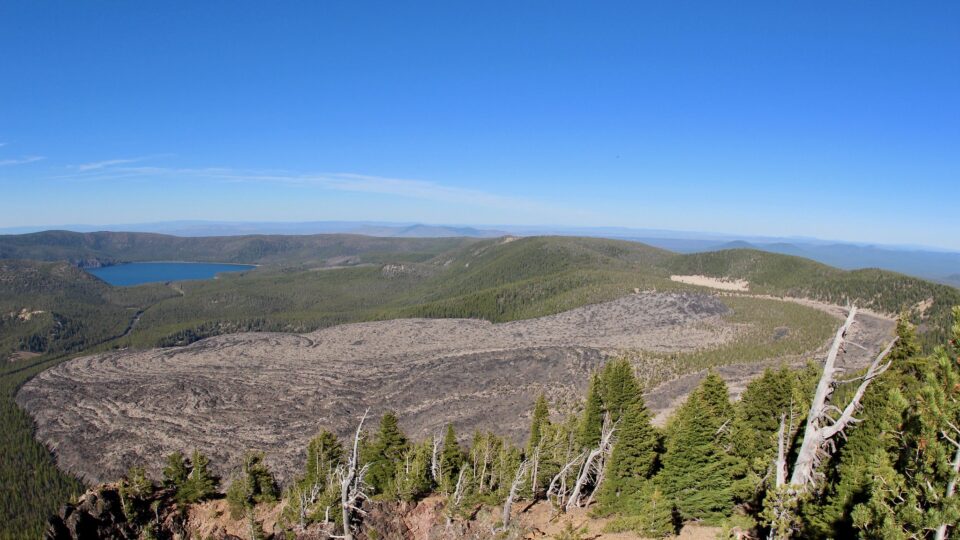
AltaRock Energy, a Seattle-based company that develops EGS technology, has recently announced the results of a comprehensive technical and economic feasibility study demonstrating the potential benefits of an EGS system that could use high-temperature impermeable rock deep below the Newberry Volcano near Bend, Oregon.  The so-called SuperHot rock there is in excess of 750 degrees Fahrenheit.

Based on measurements at the site and modeling, the study determined that an EGS system at the site could cut the levelized cost of electricity in half when compared with a conventional EGS resources at 400-500 degrees. 

The company expects that the study will pave the way for the development of the first SuperHot Rock geothermal resource in the United States.

**********

Web Links

AltaRock clears hurdle in quest for ‘next generation’ geothermal resource

Photo, posted June 26, 2018, courtesy of David Fulmer via Flickr.

Earth Wise is a production of WAMC Northeast Public Radio.
Your Children’s Yellowstone

January 25, 2019 By EarthWise Leave a Comment

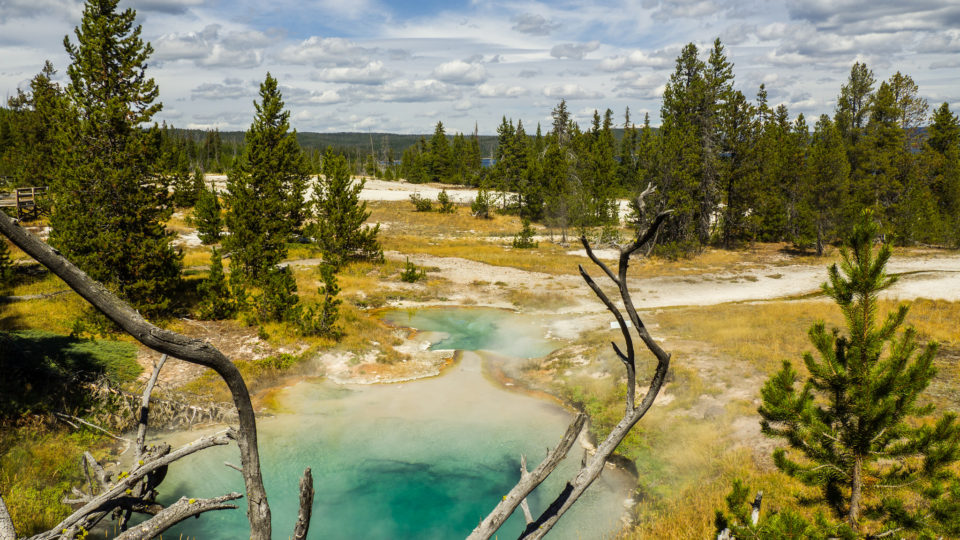
Yellowstone National Park was the first national park in the US and according to some sources, the first in the world.  It is the home of charismatic megafauna and stunning geysers that attract over four million visitors a year.  It is the only place in the United States where bison and wolves can be seen in great numbers.  And it is changing.

Over the next few decades of climate change, Yellowstone will quite likely see increased fire, less forest, expanding grasslands, shallower, warmer waterways, and more invasive plants.  All these things will alter how and how many animals move through the landscape.   Ecosystems are always changing, but climate change is transforming habitats so quickly that many plants and animals may not be able to make the transition at all.

Since 1948, the average annual temperature in the Greater Yellowstone ecosystem has gone up by 2 degrees Fahrenheit.  On balance, winter is 10 days shorter and less cold.  The Northern Rockies snowpack has fallen to its lowest level in eight centuries. Summers in the park are warmer, drier, and increasingly prone to fire.

Non-nutritious invasive plants like cheatgrass and desert madwort have replaced nutritious native plants.  When plants like these take over, they suck moisture out of the ground early so that bison and elk cannot be sustained throughout the summer.

The behavior of elk and other animals is already changing, with many staying outside the park to nibble lawns and alfalfa fields.  In turn, wolves go where the elk go.   Forests and waterways are changing as well.

The rapid changes going on at Yellowstone mean that the park that our children and grandchildren will visit in the future is likely to be a very different one from the Yellowstone we remember.

**********

Web Links

In Yellowstone National Park, warming has brought rapid changes.

Photo, posted September 7, 2016, courtesy of Mike Yang via Flickr.  

Earth Wise is a production of WAMC Northeast Public Radio.
Volcano Power

March 24, 2017 By EarthWise

https://earthwiseradio.org/wp-content/uploads/2017/03/EW-03-24-17-Volcano-Power.mp3

Geothermal energy uses the heat trapped beneath the Earth’s surface to generate electricity.  Typically, geothermal energy plants tap into the steam from natural sources such as geysers, or they draw water from hot, high-pressure underground sources.  The hot vapors are then used to drive electric turbines.

[Read more…] about Volcano Power

Primary Sidebar

Recent Episodes

  • An uninsurable future
  • Clean energy and jobs
  • Insect declines in remote regions
  • Fossil fuel producing nations ignoring climate goals
  • Trouble for clownfishes

WAMC Northeast Public Radio

WAMC/Northeast Public Radio is a regional public radio network serving parts of seven northeastern states (more...)

Copyright © 2026 ·