• Skip to primary navigation
  • Skip to main content
  • Skip to primary sidebar

Earth Wise

A look at our changing environment.

  • Home
  • About Earth Wise
  • Where to Listen
  • All Articles
  • Show Search
Hide Search
You are here: Home / Archives for failures

failures

Regrowing forests naturally

December 17, 2024 By EarthWise Leave a Comment

Naturally regrowing forests is best

Deforestation is one of the major causes of climate change and restoring and enhancing forests is a major activity around the world as a way to mitigate its effects.  There are high-profile initiatives to plant millions of trees, but these projects are often ill-conceived and poorly managed.

One of the most dramatic failures was the planting of over a million mangrove seedlings on the Filipino island of Luzon back in 2012.  A study 8 years later found that fewer than 2 percent of the trees had survived.  The rest died or were washed away.

The causes of failure in tree planting programs include planting of trees that become vulnerable to disease, competing demands for land, changing climate, planting in areas not previously forested, and a lack of aftercare including watering seedlings.

A multinational study recently published in Nature has found that forests could regrow naturally on more than 800,000 square miles of land around the tropics without the need for planting trees by hand.  This is an area larger than Mexico.

The researchers mapped areas where forests would be likely to regrow – areas where soils are healthy and where there is already forest nearby to supply seeds.  In some places, lands are so degraded that it is necessary to plant trees by hand, but this is costly and prone to failure.  Forests that regrow naturally tend to fare better and make better habitats for wildlife.

The effect of regrown forests on the climate would be very substantial.  If these forests were allowed to grow for three decades, they would absorb enough carbon to offset 50 years of emissions by Australia, the home of the lead researcher of the study. 

**********

Web Links

Tropical Forests Could Regrow Naturally on Area the Size of Mexico

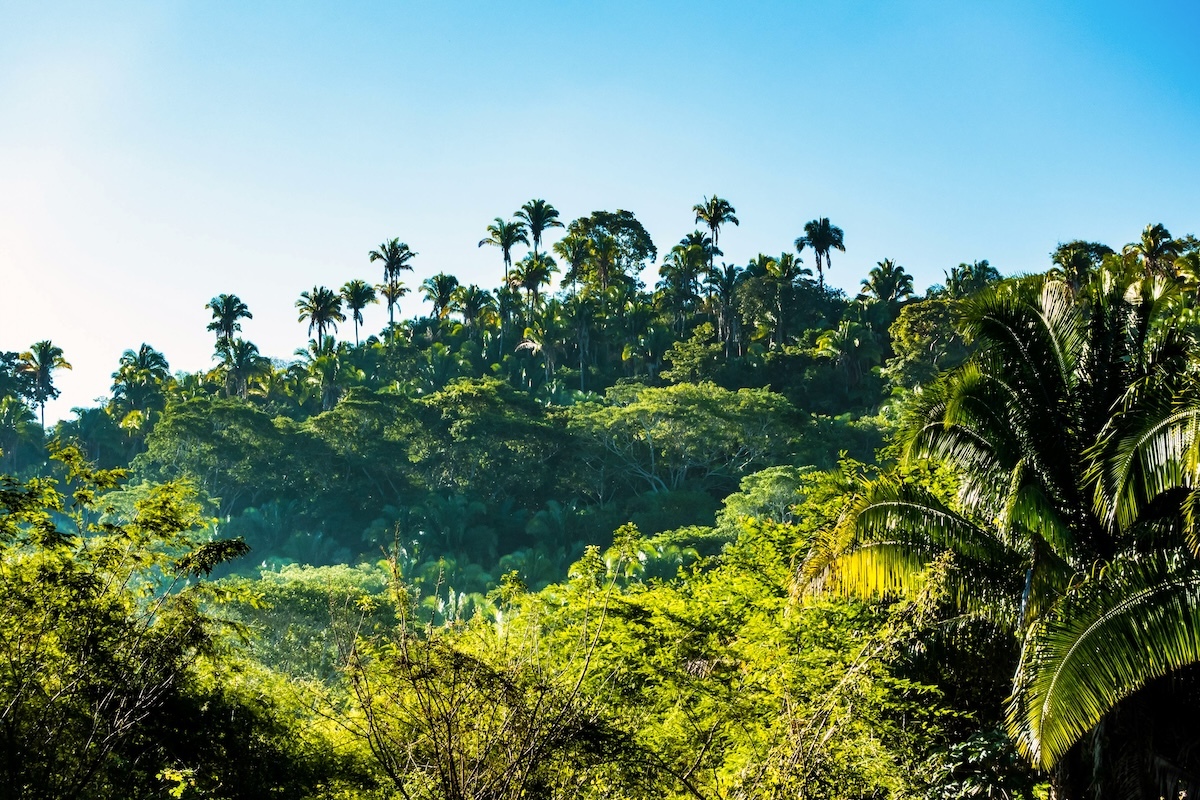
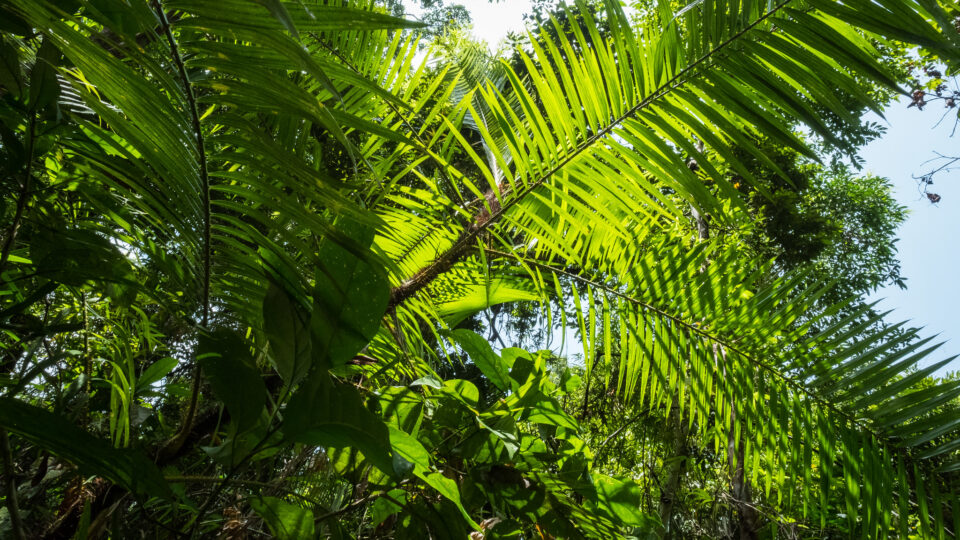
Photo, posted February 16, 2018, courtesy of Jason Houston / USAID via Flickr.

Earth Wise is a production of WAMC Northeast Public Radio
More Dam Failures Likely | Earth Wise

June 24, 2020 By EarthWise Leave a Comment

dam failures a growing concern

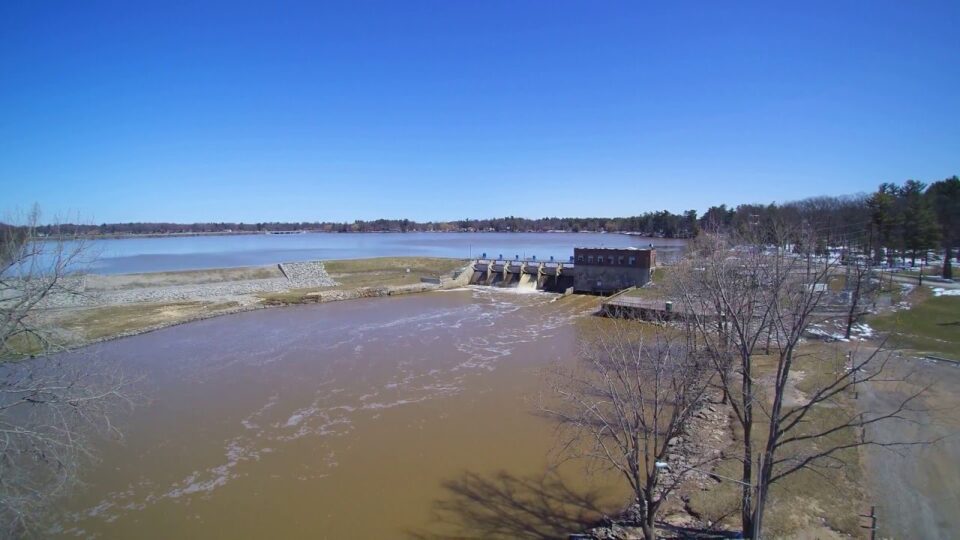
Two dams in Central Michigan were breached by rain-swollen floodwaters in May and forced the evacuation of tens of thousands of residents and prompted officials to warn of life-threatening danger from a flooded chemical complex and a toxic waste cleanup site.  Engineers say that most dams in the U.S. were designed many decades ago – in some cases, a century ago – and are not suited to a warming world with ever stronger storms.

The dams in Michigan gave way for the same reason behind most dam failures:  they were overwhelmed by water, in this case by five inches of rain falling over two days after earlier storms had saturated the ground and swollen rivers.

It can’t be proven whether this specific set of events was triggered by climate change, but global warming is definitely causing some regions to become wetter and is increasing the frequency of extreme storms.  And these trends are expected to continue as the world continues to warm.

All of this puts more of the 91,500 dams in the U.S. at greater risk of failing.  The American Society of Civil Engineers, in its latest report card on infrastructure issued in 2017, gave the nation’s dams a “D” grade.

Historically, dams have been designed based on past weather history to predict the magnitude of the maximum potential flood that a dam would have to withstand.  There was no expectation that future weather patterns might be very different.  Infrastructure designers will clearly need to change their practices.

For existing dams, operational changes might be called for, such as reducing water levels in anticipation of more extreme storms.  Upgrades might include changing spillway designs to accommodate larger water volumes over a longer time period.

**********

Web Links

‘Expect More’: Climate Change Raises Risk of Dam Failures

Photo courtesy of Eye in the Sky/Youtube.

Earth Wise is a production of WAMC Northeast Public Radio.

Concerns About Dam Safety

August 22, 2019 By EarthWise Leave a Comment

The United States has a total of 91,000 dams of various sizes and types.  Many of them are aging and sorely in need of repairs.  All that maintenance would add up to tens of billions of dollars.  Experts are increasingly worried that as extreme precipitation events become increasingly common, dams are increasingly at risk of failure, threatening lives and posing environmental risks.

In 2017, Oroville Dam in California – the tallest dam in the country – nearly collapsed.  That incident forced the evacuation of 190,000 people and cost the state of California $1.1 billion in repairs.  California is considered one of the nation’s leading states in dam safety management and yet the partial disintegration of Oroville’s two spillways during a heavy rainstorm was not anticipated.

So far, federal and state dam safety officials have not been able to get disinterested state legislatures and the U.S. Congress to fork up the money needed for repairs to the nation’s aging dam infrastructure.

Th American Society of Civil Engineers gave the nation’s dams a D grade on the latest infrastructure report card.  They estimate that the cost of rehabilitating dams whose failure would threaten human life at nearly $45 billion, and the cost of fixing all dams in need of repair at more than $64 billion.

Scientists say the likelihood of dam failures – which not only threaten lives but also release toxic sediments trapped in reservoirs behind many dams – will increase as extreme precipitation events become more frequent in a warming world.  Apart from about 1,500 dams owned by federal agencies, regulating dam safety is primarily the responsibility of the states.  So far, states have not applied remotely sufficient resources to a growing problem.

**********

Web Links

In an Era of Extreme Weather, Concerns Grow Over Dam Safety

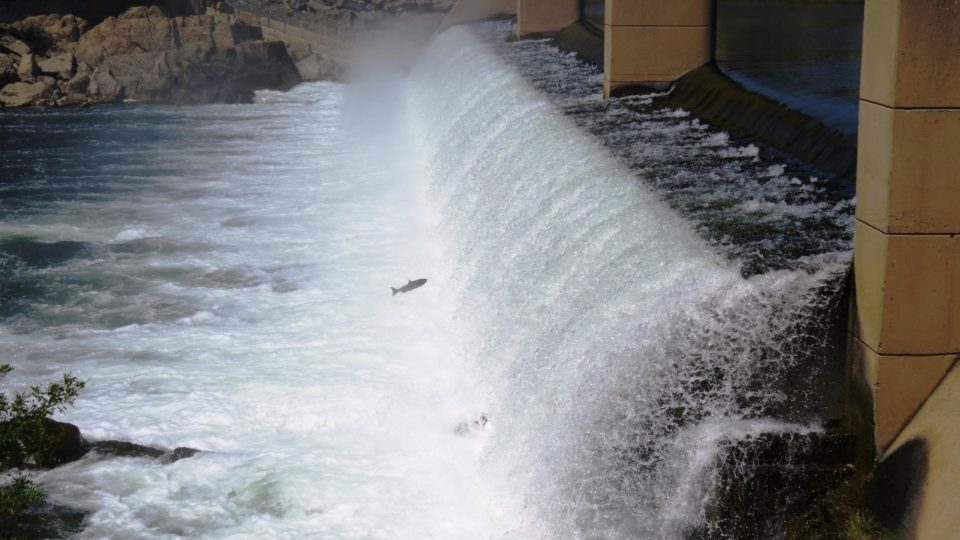
Photo, posted August 20, 2014, courtesy of Flickr.

Earth Wise is a production of WAMC Northeast Public Radio.

Primary Sidebar

Recent Episodes

  • An uninsurable future
  • Clean energy and jobs
  • Insect declines in remote regions
  • Fossil fuel producing nations ignoring climate goals
  • Trouble for clownfishes

WAMC Northeast Public Radio

WAMC/Northeast Public Radio is a regional public radio network serving parts of seven northeastern states (more...)

Copyright © 2026 ·