• Skip to primary navigation
  • Skip to main content
  • Skip to primary sidebar

Earth Wise

A look at our changing environment.

  • Home
  • About Earth Wise
  • Where to Listen
  • All Articles
  • Show Search
Hide Search
You are here: Home / Archives for emissions

emissions

Renewables’ Growing Share | Earth Wise

March 15, 2023 By EarthWise Leave a Comment

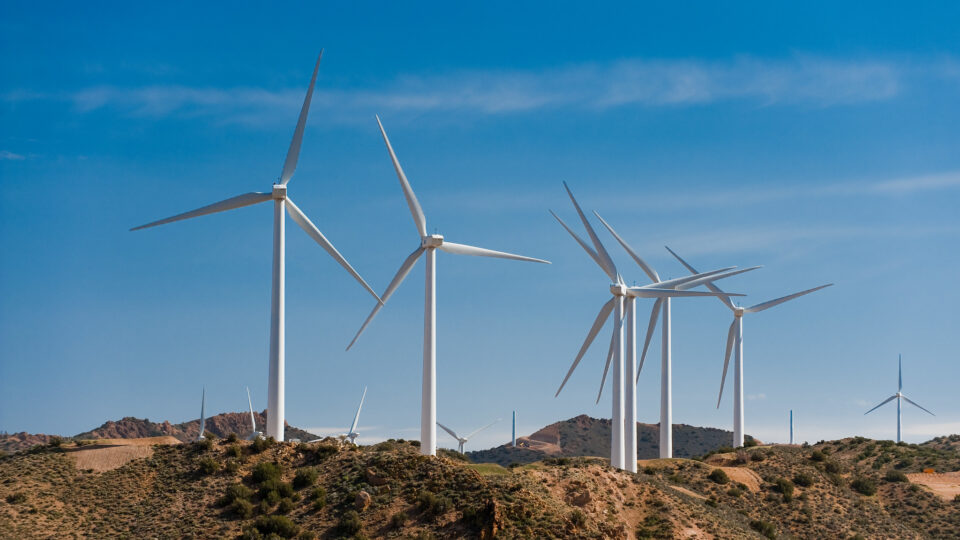
Not long ago, many states across the country were setting goals to obtain 20% of their electricity from renewable sources. For a few states, like New York and Washington, ample amounts of hydropower made 20% an easy target.  But for many others, 20% seemed like a very ambitious objective.

Things have certainly changed.  According to the latest monthly Short Term Energy Outlook, a report from the federal government, the combination of wind, solar, and other renewable sources will exceed one-quarter of the country’s generation by 2024.

Renewables are already at 24% of U.S. electricity generation and are expected to rise to 26% by next year.  Coal, which used to be the largest source of electricity, will continue to drop from its current 18% to 17% by next year.  Overall, renewables passed coal for the first full year in 2020.  Coal staged a bit of a comeback in 2021, but has once again resumed its decline.  Many coal-fired power plants continue to close, and there are not new ones being built because of diminishing economic benefits as well as concerns about emissions.

The largest source of electricity generation continues to be natural gas at 38%, but that number is also expected to slowly decrease over time. The growth in renewable energy is coming from wind and solar power.  Two-thirds of that growth is from solar and one-third is from wind. 

Together, wind and solar power will add up to 18% of the country’s electricity supply.  The government still tracks them lumped together as renewables, but both are so large and growing so quickly that the Energy Information Agency is likely to soon start tracking them as separate categories.

**********

Web Links

Renewables Projected to Soon Be One-Fourth of US Electricity Generation. Really Soon

Photo, posted April 18, 2011, courtesy of Allan Der via Flickr.

Earth Wise is a production of WAMC Northeast Public Radio

Plastic From Sunlight | Earth Wise

March 13, 2023 By EarthWise Leave a Comment

Photosynthesis is the process that plants use to turn water, carbon dioxide, and energy from sunlight into plant biomass.  It provides humans and much of animal life with food.  Photosynthesis is also nature’s way of reducing the amount of carbon dioxide in the atmosphere.  The CO2 is not directly stored in plants but rather is combined into organic compounds.

Researchers across the globe are trying to find effective ways to mimic photosynthesis.  One version of artificial photosynthesis seeks to take carbon dioxide and combine it into organic compounds that can be used as raw materials for various kinds of manufacturing. 

A research team in Japan has found a way to synthesize fumaric acid from carbon dioxide using sunlight to power the process.  Fumaric acid is a chemical typically synthesized from petroleum and is used as a raw material for making biodegradable plastics such as polybutylene succinate. 

Much of artificial photosynthesis research is aimed at using solar energy to convert carbon dioxide directly into a fuel rather than a raw material.  Such solar fuels can be produced by a variety of means including thermochemical (using the sun’s heat to drive chemical reactions), photochemical (using the sun’s light to drive chemical reactions), and electrochemical (using solar-generated electricity to drive chemical reactions.)   These approaches generally involve the use of specialized catalysts to drive the desired chemical reactions. 

One way or another, what techniques for artificial photosynthesis have in common is trying to imitate what plant life on Earth has been doing for millions of years. 

**********

Web Links

Artificial photosynthesis uses sunlight to make biodegradable plastic

Photo, posted June 14, 2017, courtesy of Alex Holyake via Flickr.

Earth Wise is a production of WAMC Northeast Public Radio

Fake Meat And Climate | Earth Wise

March 10, 2023 By EarthWise 1 Comment

Investors have poured billions of dollars into efforts to replace animal proteins with plant-based substitutes or even laboratory-grown animal cells.  Replacing meats with these products is certainly a favorable development for the climate, but it is not likely to offset livestock agriculture’s climate and land use impacts anytime soon.

According to research at Stanford University, even optimistic estimates are that only something like 5% of dietary protein will come from these technologies by 2030.  That just isn’t fast enough to put a real dent in the food-related emissions problem.

Stanford environmental scientist David Lobell suggests that there should be much more focus on reducing emissions of animal-based systems.  There really hasn’t been much effort in this area because it is only recently that the climate impact of animal agriculture has been a topic of public concern.  One problem is that it is difficult for investors to monetize investments in approaches for lowering animal agriculture emissions.  These might include alternative feeds or supplements or vaccinations that inhibit methane-producing microorganisms in animals’ digestive systems.

Another approach to the problem is changing the mix of animal proteins in people’s diets.  Chicken and pork are half as bad as dairy per pound of protein, and about one-tenth as bad as beef, in terms of emissions.

Dairy is a major issue. There has been quite a lot of progress in increasing the use of dairy-free milk, but over the past 40 years, Americans have cut their consumption of milk in half but doubled their consumption of cheese.  Progress in dairy-free cheese has not been anywhere near as successful as that of dairy-free milk.  But new products are entering the marketplace all the time.

**********

Web Links

Is fake meat a real solution? Stanford expert explains

Photo, posted June 17, 2019, courtesy of Christolph Scholz via Flickr.

Earth Wise is a production of WAMC Northeast Public Radio

Elephants And Global Warming | Earth Wise

March 9, 2023 By EarthWise Leave a Comment

A study by researchers at Saint Louis University has found that elephants play a key role in creating forests that store large amounts of atmospheric carbon and in maintaining the biodiversity of forests in Africa.  Since elephants are endangered, their status represents a significant threat to an ecosystem that is very important to the Earth’s climate.

The African rainforest contains trees with both low carbon density (light wood) and high carbon density (heavy wood).  High carbon density trees grow more slowly and can be crowded out by the faster growing low carbon density trees rising above them.  Elephants affect the relative abundance of these trees by feeding more on the low carbon density trees which are more palatable and nutritious.  This thinning of the forest allows the trees that sequester the most carbon to flourish.

Elephants are also excellent dispersers of the seeds of high carbon density trees.  Essentially, elephants are the gardeners of the forest.  They plant the forest with high carbon density trees and get rid of the weeds – in this case, the low carbon density trees.  According to the study, if elephants were to become extinct, the African rainforest – the second largest on earth – would gradually lose between six and nine percent of its ability to capture atmospheric carbon.

Elephants have been hunted by humans for millennia.   Gaining support for protecting them has mostly been driven by the argument that everybody loves elephants.  Focusing on their role in maintaining forest diversity has not driven much more action.  The hope is that the evidence of how important elephants are for climate mitigation will be taken seriously by policy makers to generate the support needed for improved elephant conservation.

**********

Web Links

Can Elephants Save the Planet?

Photo, posted March 15, 2008, courtesy of Michelle Gadd/USFWS via Flickr.

Earth Wise is a production of WAMC Northeast Public Radio

Air Pollution In The Arctic | Earth Wise                     

March 8, 2023 By EarthWise Leave a Comment

Climate change is shrinking the Arctic ice cover, which is making it easier for ships to travel along the northern coast of Russia, known as the Northern Sea Route or the Northeast Passage.  There is also the Northwest Passage, which connects the Atlantic and Pacific Oceans via waterways through the Canadian Arctic Archipelago.

More than 600 fishing vessels sail the waters of the Arctic Ocean, but these fishing vessels are not the worst offenders when it comes to the growing problem of air pollution.  Giant natural gas tankers are becoming a much bigger problem.

In 2021, only 26 natural gas tankers traveled through Arctic waters.  But these ships can be 1000 feet long or more and produce far more CO2 emissions than fishing boats.   In 2019, the tankers accounted for 28% of the emissions and the number of them cruising the Arctic has been growing.

As the ice cover in the Arctic continues to shrink, more and more ships of all varieties, including cruise ships, fishing vessels, as well as tankers, are coming north and spending more time in the Arctic.  Any increases in ship traffic will increase the pollutant load in the Arctic and the Arctic is one of the most vulnerable environments in the world.

Between 2013 and 2019, the aggregated nautical miles that vessels traveled in what is called the Polar Code area increased by 75%. It isn’t just that more ships like tankers are going there.  It is that their operational season is expanding.

Air pollution isn’t the only problem.  Shipping in the Arctic brings with it light pollution, noise, marine litter, and more.  Only zero activity has zero pollution.

**********

Web Links

The worst polluters in the Arctic are not what you think

Photo, posted February 26, 2015, courtesy of Chris Parker via Flickr.

Earth Wise is a production of WAMC Northeast Public Radio
Cheaper Carbon Capture | Earth Wise

March 7, 2023 By EarthWise Leave a Comment

Scientists developing a new system to capture carbon more cheaply

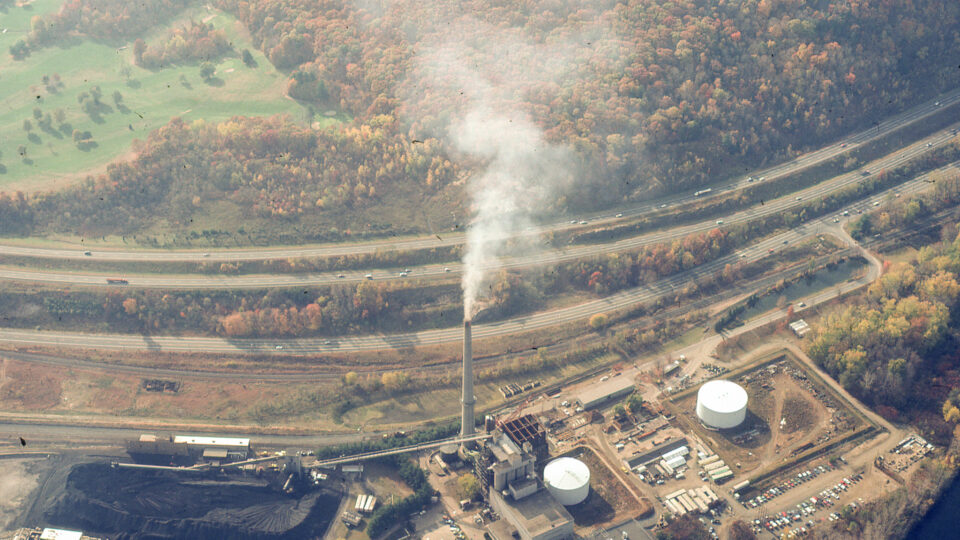
As the years roll by without sufficient progress in reducing carbon dioxide emissions, the need for technologies that can capture CO2 from its sources or remove it from the air becomes stronger and stronger.  People have developed various ways to capture carbon dioxide, but to date, they generally suffer from some combination of being too costly or not being able to scale up to the necessary magnitude.

Scientists at the Pacific Northwest National Laboratory in Richland, Washington recently announced the creation of a new system that they claim is the least costly to date that captures carbon dioxide and turns it into a widely-used chemical: methanol.

Technologies that simply capture carbon dioxide that then needs to be stored in some secure location are difficult to implement from a cost perspective.  The PNNL researchers believe that turning CO2 into methanol can provide the financial incentive for widespread implementation.   Methanol can be used as a fuel, a solvent, or an important ingredient in plastics, paint, construction materials, and car parts.

The system is designed to be installed in fossil fuel-fired power plants as well as cement and steel plants.  Using a capture solvent developed by PNNL, the system grabs carbon dioxide molecules before they are emitted and converts them into methanol. Creating methanol from CO2 is nothing new, but capturing the carbon dioxide and converting into methanol in one continuously flowing system is new.

More work is needed to optimize and scale the process and it may be several years before it is ready for commercial deployment.

**********

Web Links

Scientists Unveil Least Costly Carbon Capture System to Date

Photo, posted November 25, 2022, courtesy of Massachusetts Department of Environmental Conservation via Flickr.

Earth Wise is a production of WAMC Northeast Public Radio

Insects On The Menu | Earth Wise

March 6, 2023 By EarthWise Leave a Comment

According to the World Food Programme, a record 349 million people across 79 countries are facing acute food insecurity.  This constitutes a staggering rise of 200 million people compared to pre-pandemic levels.  Nearly one million people globally are fighting to survive in famine-like conditions, which is ten times more people than just five years ago.  

As a result, many experts contend that alternative or so-called novel food sources – such as lab-grown meats, seaweed aquaculture, and insects – will be necessary to help fight global hunger and global food insecurity. 

Insects already form a significant part of diets in many cultures around the world.  Insects are great sources of nutrients, including protein, vitamins, and minerals.  But insects have yet to be embraced in any substantial way in western cultures… but that may be changing. 

In fact, the European Union has now certified four types of bugs as food fit for human consumption.  The larvae of lesser mealworms and house crickets recently became the third and fourth insects approved for sale as food in the EU, joining yellow mealworms and grasshoppers. Eight more applications are awaiting approval.

Insects are already a delicacy in many high-end restaurants around the world, and a normal and healthy part of diets in countries like Mexico and Thailand.  Embracing insects as a food of the future will not only help in the fight against global hunger, but will also help to reduce greenhouse gas emissions and to slow species extinction. 

In Western food markets, the so-called “yuck factor” remains the biggest hurdle to cross.  But as the world population grows, the need for sustainable solutions in the food industry grows with it. 

**********

Web Links

Insects on the menu as EU approves two for human consumption

World Hunger Surged in 2020, U.N. Says

A global food crisis

Photo, posted April, 2014, courtesy of Shankar S. via Flickr.

Earth Wise is a production of WAMC Northeast Public Radio
Peak Fossil Fuels | Earth Wise

March 3, 2023 By EarthWise Leave a Comment

According to a new report from the Rocky Mountain Institute, a nonprofit that studies the energy transition, we have reached a pivot point in which fossil fuels have peaked in their use for producing electricity and are about to enter a period of decline.

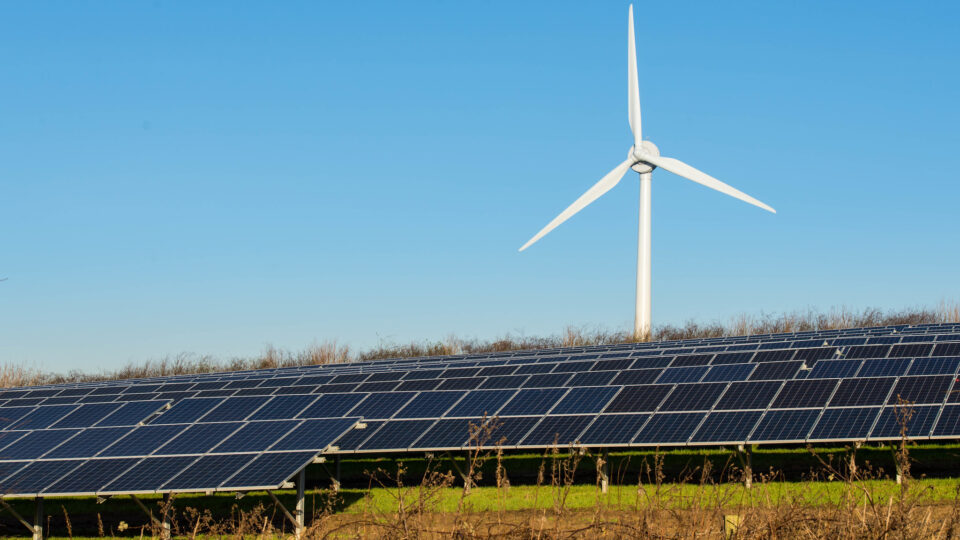
The report makes the case that wind and solar power are going through a growth process that looks very much like the trend lines for the early stages of other transformative products and industries – things like automobiles and smartphones.  Such growth begins slowly for technology and products that are very expensive, but then shifts into high gear as costs shrink and efficiency rises.

The argument is that fossil fuel demand has peaked in the electricity market because the annual growth in global electricity demand is now less that the amount of electricity being generated by newly-built renewable energy plants (mostly solar and wind.)  This dynamic will squeeze out the most expensive and dirtiest energy sources over time.

Overall use of fossil fuels for electricity shifted in 2018 from a long-standing period of growth to a holding pattern in which the total amount of electricity produced has no clear trend.  According to the RMI report, this plateau in fossil fuel use is likely to continue until about 2025, and then will be followed by a long-term decline.

While the trends in fossil fuel use are quite evident, the end results are not inevitable.  There continues to be a battle between the forces trying to protect the fossil fuel status quo and those trying to change it. But strong economic forces are difficult to overcome.  Renewable energy is the lowest cost source of electricity in a growing number of locations and situations.

**********

Web Links

When Will We Hit Peak Fossil Fuels? Maybe We Already Have

Photo, posted December 27, 2015, courtesy of Gerry Machen via Flickr.

Earth Wise is a production of WAMC Northeast Public Radio

The Enormous Cost Of Steel Corrosion | Earth Wise

February 28, 2023 By EarthWise Leave a Comment

Global steel production has been rising for decades.  Because steel corrodes over time, part of the demand for more steel comes from the need to replace the steel used in construction materials – in everything from bridges to cars – that has become corroded over time.  Studies have estimated that the economic cost of corrosion is an astonishing 3 to 4% of a nation’s gross domestic product.  Globally, this means that steel corrosion costs the world trillions – yes, trillions with a T – of dollars each year.

On top of the staggering economic impact of corrosion, there is the fact that steel production is one of the largest greenhouse gas emitters of any industry, accounting for more than 25% of all manufacturing sector carbon emissions.  In fact, steel manufacturing causes over 10% of total global carbon emissions.  

As a result of regulations placed on the steel industry, technological advances in the steelmaking process have resulted in a 61% reduction in the industry’s energy consumption over the last 50 years.   There are continuing efforts to reduce the energy consumption of steel making and to move away from the use of fossil fuels to produce the needed energy.  But without significant improvements, just the emissions associated with replacing corroded steel could make the goals set by the Paris Climate Agreement unfeasible.

It’s hard to believe that something costing the world trillions of dollars and has a major negative impact on the climate is largely invisible.  Steel corrosion is an enormous societal challenge that has gone under the  radar for decades and therefore has not received anything like the attention it deserves.

**********

Web Links

Reducing steel corrosion vital to combating climate change

Photo, posted July 24, 2008, courtesy of Phil Whitehouse via Flickr.

Earth Wise is a production of WAMC Northeast Public Radio

Driving Electric Is Cheaper For Almost Everyone | Earth Wise

February 24, 2023 By EarthWise Leave a Comment

A study by University of Michigan researchers found that about 90% of U.S. households would save money on fuel costs by owning an electric car rather than a gas-powered car.  So apart from the environmental benefits of electric cars, there are real economic benefits as well.

Both the price of gasoline and the price of electricity vary considerably across the country, so there are differences by location.  The study found that 71% of U.S. drivers would see their fuel expenses cut at least in half by driving an electric car.


Drivers in California, Washington, and New York would see the largest fuel savings as well as the biggest emissions reductions from a new electric car.  Those states have cleaner electric grids and a bigger gap between the cost of electricity and the cost of gas.

The study, published in the journal Environmental Research Letters, only looked at fuel costs and did not take into account the purchase cost of new cars.  Generally speaking, plug-in cars have higher sticker prices than gas-powered cars but multiple studies have shown that over their lifetimes, electric vehicles end up being cheaper to own than comparable gas-powered vehicles because of lower maintenance costs on top of the fuel savings.  The price gap between equivalent gas and electric cars continues to narrow in any case as the cost of batteries continues to decline.  On top of that, the recent expansion of federal tax credits on electric cars is making the vehicles cost-competitive right at the point of purchase.

Gasoline prices have come down considerably from their peak a year ago, but for almost everyone, it is still much cheaper to drive on electricity.

**********

Web Links

Seven in 10 U.S. Drivers Could Halve Their Fuel Costs by Going Electric, Study Finds

Photo, posted April 23, 2022, courtesy of Pedrik via Flickr.

Earth Wise is a production of WAMC Northeast Public Radio
Fuel From Wind And Water | Earth Wise

February 21, 2023 By EarthWise 1 Comment

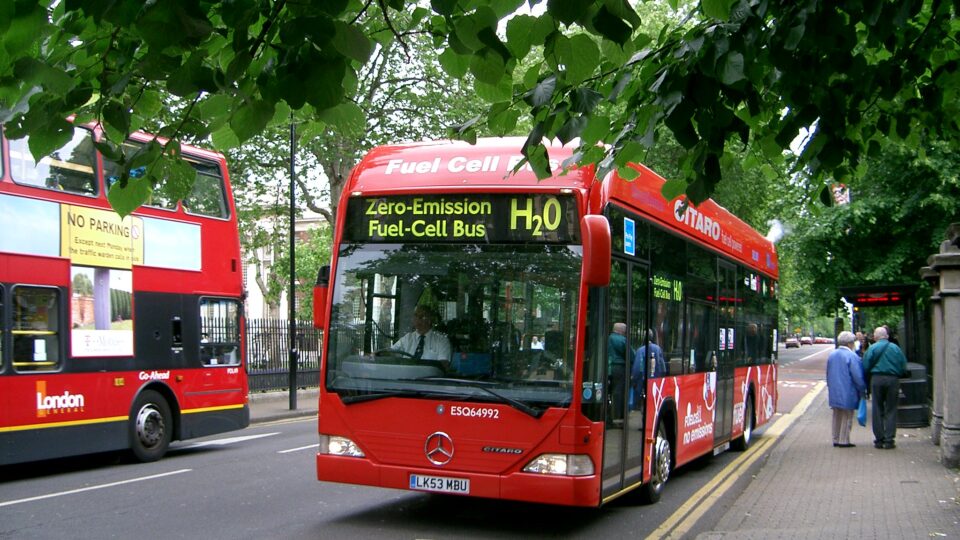
Hydrogen is the most common element in the universe and it can be used as a fuel to run cars, trains, and even airplanes.  Using it produces no harmful emissions.  However, to date, the way it is economically produced is not clean and green.  It is made from natural gas and leaves behind lots of carbon dioxide.

Around the world there are many projects working on so-called green hydrogen.  Producing hydrogen by splitting water into its component elements is called electrolysis and produces only oxygen as a waste product.  The problem with electrolysis is that it takes prodigious amounts of energy and therefore is very expensive.

A new project taking place in north Texas hopes to create the country’s first large-scale producer of green hydrogen.  The project is building a 900-megawatt wind farm along with a 500-megawatt solar farm.  The 1.4 gigawatts of total production capacity is more energy than the city of Austin consumes.  That energy will be used to produce 200,000 kilograms of hydrogen a day.

This project is among the largest proposed green hydrogen projects in the U.S.   There are green hydrogen proposals in Europe, Australia, Africa, and the Middle East that range from 10 GW to 67 GW. 

The Texas project, being developed in partnership by Air Products and AES, has been enabled by government support from the Inflation Reduction Act.    

There are a few thousand hydrogen-powered cars, boats, and trains but without substantial, cost-effective hydrogen infrastructure, the market is very limited.   Subsidizing the development of the necessary infrastructure is essential if there is any real chance to create the long-imagined hydrogen economy.

**********

Web Links

Texas Project Will Use Wind to Make Fuel Out of Water

Photo, posted June 5, 2005, courtesy of City Transport Info via Flickr.

Earth Wise is a production of WAMC Northeast Public Radio

Disappearing Glaciers | Earth Wise

February 20, 2023 By EarthWise Leave a Comment

Glaciers are disappearing at a rapid rate

Glaciers are massive bodies of slowly moving ice.  Glaciers form on land, and represent the snows of centuries compressed over time.  They move slowly downward under the influence of their own weight and gravity. 

Most of the glaciers on the planet are found in the polar regions, including Antarctica, the Canadian Arctic, and Greenland.  Glaciers can also be found closer to the equator in mountain ranges, such as the Andes Mountain range in South America.  Glaciers are always changing, accumulating snow in the winter and losing ice to melting in the summer.  But in recent times, the melting has been outpacing the accumulation.

A new international study led by researchers at Carnegie Mellon University’s College of Engineering has produced new projections of glacier loss through the century under different emissions scenarios.  According to the projections, the world could lose as much as 41% of its total glacier mass this century – or as little as 26% – depending on climate change mitigation efforts. 

In a future with continued investments in fossil fuels (sometimes referred to as the “business as usual” scenario), more than 40% of the glacial mass will be gone by 2100, and more than 80% of glaciers by number could disappear.  Even in a best case scenario where the increase in global mean temperature is limited to 1.5° degrees Celsius relative to pre-industrial levels, more than 25% of glacial mass will be gone, and nearly 50% of glaciers by number will disappear.

Glaciers take a long time to respond to changes in climate.  A complete halt to emissions today would take anywhere from 30 to 100 years to be reflected in glacier mass loss rates.

**********

Web Links

Team projects two out of three glaciers could be lost by 2100

Ice, Snow, and Glaciers and the Water Cycle

Photo, posted August 13, 2010, courtesy of Kimberly Vardeman via Flickr.

Earth Wise is a production of WAMC Northeast Public Radio

Electric Vehicle Tax Credits | Earth Wise

February 17, 2023 By EarthWise Leave a Comment

As of January 1, many Americans can qualify for a tax credit of up to $7,500 for buying an electric vehicle.  The credit is one of the changes enacted under last year’s Inflation Reduction Act.  The purpose is to encourage EV sales and thereby reduce greenhouse gas emissions and air pollution.

There has been a tax credit for EVs for more than a decade, but its provisions made cars from any manufacturer ineligible as soon as that manufacturer had sold more than 200,000 cars.  Notably, this eliminated the credit for purchasing cars from Tesla and General Motors.  Given that electric cars are now selling in the millions, the 200,000-unit cap on the tax credit essentially made it useless as a real force to grow the industry.

The new tax credit has a somewhat complex set of requirements for determining the applicability and amount of the credit.  There are price limits on eligible vehicles depending on vehicle type and there are requirements on where vehicles are manufactured, where batteries are manufactured, and where other components are made. The intent is to encourage American manufacturing of the cars and trucks to the greatest extent.  There are also income limitations on buyers who want to take advantage of the credit, but those are quite large.  The Department of the Treasury has online detailed information about the requirements for the credit and, of course, EV manufacturers can provide the specifics for their own vehicles.

For their part, automakers are adjusting prices, building domestic manufacturing plants and battery factories, and otherwise trying to position themselves for their customers to take advantage of the credit.

The new law also provides a smaller tax credit for the purchase of used electric vehicles.

**********

Web Links

Electric vehicle tax credits explained: What’s new in 2023?

Treasury Releases Additional Information on Clean Vehicle Provisions of Inflation Reduction Act

Photo, posted December 9, 2022, courtesy of Choo Yut Shing via Flickr.

Earth Wise is a production of WAMC Northeast Public Radio

City Greenery And Carbon Emissions | Earth Wise

February 15, 2023 By EarthWise Leave a Comment

According to the United Nations, more than half of the world’s population currently lives in cities.  Projections show that the combination of urbanization and global population growth could add another 2.5 billion people to cities by 2050. 

Unsurprisingly, cities are a major contributor to climate change.  According to U.N. estimates, cities are responsible for 75% of global carbon dioxide emissions, with transportation and buildings being among the largest contributors. 

According to a new study of vegetation across New York City and some adjoining urban areas, photosynthesis by trees and grasses on many summer days absorbs all the carbon emissions produced by cars, trucks and buses, and then some.  In fact, on many summer days, the total carbon uptake in the region equaled up to 40% of a summer afternoon’s total emissions from all sources in the City. The results, which were recently published in the journal Environmental Research Letters, further highlights the critical importance of urban greenery.

Most previous studies have analyzed the carbon uptake of vegetation by looking at the contiguous tracts of green spaces, but this only comprises about 10% of metro areas.  Using detailed aerial radar imagery of New York City that mapped vegetation in unprecedented 6-inch grids, the researchers were able to include the other 90% of the metro area typically left out in most models. 

Since carbon uptake by vegetation only occurs during the growing season, green spaces in cities situated in warmer climates likely play a larger role in carbon uptake. 

As city populations swell around the world, every bit of urban greenery is critical in the fight against climate change. 

**********

Web Links

New York City’s greenery absorbs a surprising amount of its carbon emissions

68% of the world population projected to live in urban areas by 2050, says UN

Photo, posted October 5, 2009, courtesy of David Orban via Flickr.

Earth Wise is a production of WAMC Northeast Public Radio

Record European Heat | Earth Wise

February 13, 2023 By EarthWise Leave a Comment

The new year began with record-breaking heat across Europe.  In fact, on December 31 and January 1, about 5,000 all-time high temperature records for those dates were broken, in some cases by margins of more than 9 degrees Fahrenheit.

On New Year’s Day, eight European countries recorded their warmest January day ever. These were Liechtenstein, the Czech Republic, Poland, the Netherlands, Belarus, Lithuania, Denmark, and Latvia.

Many of the European cities affected by the heat wave would ordinarily be covered in snow at that time of year.  For example, Vaduz, the capital of Liechtenstein, the Czech town of Javornik, and the Polish village of Jodlownik, all recorded peak temperatures between 66 and 68 degrees Fahrenheit.

By the measure of how far above normal temperatures rose, it was the most extreme heat wave in European history.  Last summer saw record-breaking heat waves across much of Europe, but the actual temperature increases over normal were smaller than what just occurred at the beginning of the year.

The source of the exceptional heat was a warm mass of air from the west coast of Africa moving across Europe.  As is the case for any individual weather event, one cannot definitively attribute this one to climate change.  However, it is abundantly clear that because of climate change, extreme weather events of all types are becoming more frequent and more intense.

The unprecedented European weather does have the effect of helping to ease the energy crisis that has gripped the European continent.   The Russian invasion of Ukraine has led to soaring natural gas prices.  The warm weather has meant a lower demand for gas, causing gas prices to drop to their lowest level since the start of the war.

**********

Web Links

‘Uncharted territory’: January heat records smashed across Europe

Photo, posted August 13, 2019, courtesy of Herbert Frank via Flickr.

Earth Wise is a production of WAMC Northeast Public Radio

A New Method of Refrigeration | Earth Wise

February 10, 2023 By EarthWise Leave a Comment

A new method of refrigeration

Salting roads before winter storms is a familiar sight in the Northeast.  The purpose is to change the temperature at which ice can form on the road.  The underlying concept has formed the basis of a new method of refrigeration that has been dubbed “ionocaloric cooling.”

It is described in a paper published in the journal Science by researchers at the Lawrence Berkeley National Laboratory.  The method takes advantage of how energy in the form of heat is either stored or released when a material changes phase – such as water changing from ice to liquid and vice versa.  Melting absorbs heat from the surroundings while freezing releases heat.  An ionocaloric refrigerator makes use of this phase and temperature change using an electrical current to add or remove ions provided from a chemical salt.

The potential is to make use of this refrigeration cycle instead of the vapor compression systems in present-day refrigerators, which make use of refrigerant gases that are greenhouse gases, many of which very powerful ones.  The goal is to come up with a system that makes things cold, works efficiently, is safe, and doesn’t harm the environment. 

There are a number of alternative refrigeration systems under development that make use of a variety of mechanisms including magnetism, pressure, physical stretching, and electric fields.  Ionocaloric cooling uses ions to drive solid-to-liquid phase changes.

Apart from some very promising theoretical calculations of the system’s potential, the researchers have also demonstrated the technique experimentally.  They have received a provisional patent for the technology and are continuing to work on prototypes to demonstrate its capabilities and amenability to scaling up.

**********

Web Links

Berkeley Lab Scientists Develop a Cool New Method of Refrigeration

Photo, posted October 29, 2021, courtesy of Branden Frederick via Flickr.

Earth Wise is a production of WAMC Northeast Public Radio
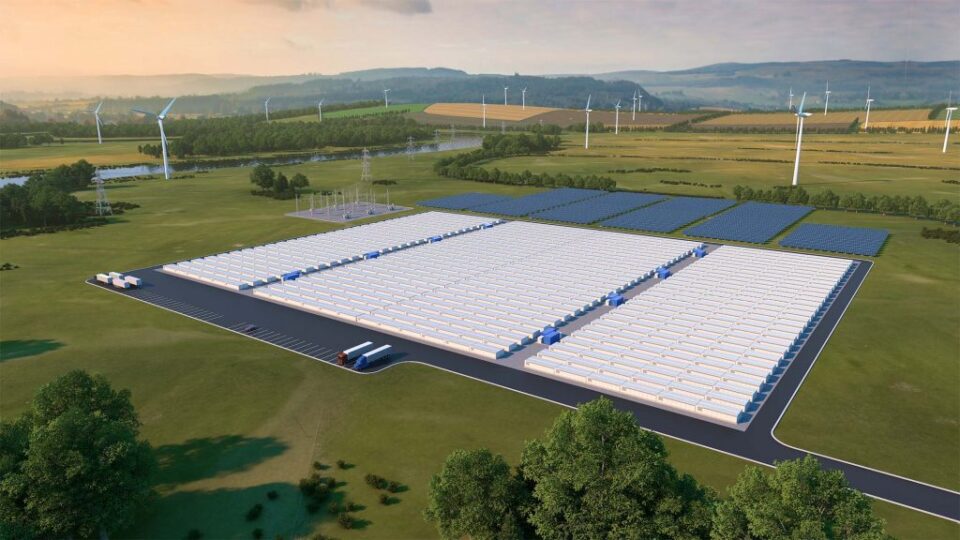
An Iron-Air Battery Plant | Earth Wise

February 9, 2023 By EarthWise Leave a Comment

Form Energy is building a iron-air battery storage facility

Lithium-ion batteries are the standard energy source for electric vehicles, and they are also the dominant technology for storing energy in the electric grid.  However, they are not the only game in town.  There are other battery technologies that have various potential advantages over lithium-ion and some of them are getting the chance to show what they can do.

One is the iron-air battery.  Unlike lithium-ion batteries that require expensive and strategically challenging materials like lithium, cobalt, nickel, and graphite, iron-air batteries make use of one of the most common elements in the earth’s crust.

Iron-air batteries operate on a principle known as “reversible rusting”.  When discharging, the battery takes in oxygen from the air and converts iron into rust.  While charging, electrical current converts rust back into iron and the battery releases oxygen.  Batteries consist of a slab of iron, a water-based electrolyte, and a membrane that feeds a controlled stream of air into the battery. 

A Massachusetts-based company called Form Energy is building a $760 million iron-air battery storage facility in the city of Weirton in West Virginia.  Investment financing along with a $290 million government incentive package is paying for the facility. 

The facility is designed to address the need for long-duration energy storage and will be capable of storing electricity for 100 hours at competitive prices.  The battery modules will be about the size of a side-by-side washer/dryer and will contain a stack of 50 3-foot-tall cells.  Such batteries are too big and heavy for use in cars but will be cheaper and higher-capacity than equivalent lithium-ion battery systems.

**********

Web Links

Form Energy selects West Virginia for its first iron-air battery plant

Photo credit: Form Energy

Earth Wise is a production of WAMC Northeast Public Radio

2022 Temperature Report | Earth Wise

February 8, 2023 By EarthWise Leave a Comment

Extreme weather is turning into the new normal around the world

The average surface temperature for the Earth in 2022 tied with 2015 as the fifth warmest on record.  The warming trend for the planet continued with global temperatures 1.6 degrees Fahrenheit above the average baseline for 1951-1980 that NASA uses for its studies. Compared with the late 19th century average used in setting climate goals, global temperatures are up about 1.1 degrees Celsius, or 2 degrees Fahrenheit.

Overall, the past nine years have been the warmest since modern recordkeeping began in 1880.   The rising temperatures have moved in concert with rising levels of greenhouse gases entering the atmosphere from human activity.  Many factors can affect the average temperature in any given year including El Nino and La Nina conditions in the Pacific.  But the longer-term trend is quite clear.  Global temperatures continue to rise.

Greenhouse gas emissions have reached all-time high levels despite increasing efforts to reduce them.  There was a real drop in levels in 2020 due to reduced activity during COVID-19 lockdowns, but they rebounded soon thereafter. 

The Arctic region continues to experience the strongest warming trends, as much as four times the global average.  Arctic warming has a major impact on weather at lower latitudes as it changes the behavior of the jet stream as well as affecting ocean currents and water temperatures.

As global temperatures continue to rise, rainfall and tropical storms have become more intense, droughts have become more severe, and ocean storm surges have had increasing impact.  From torrential monsoons in Asia to megadroughts in the U.S. Southwest, extreme weather has become the new normal.

**********

Web Links

NASA Says 2022 Fifth Warmest Year on Record, Warming Trend Continues

Photo, posted June 20, 2020, courtesy of Daxis via Flickr.

Earth Wise is a production of WAMC Northeast Public Radio
A Complicated Year For Energy | Earth Wise

February 6, 2023 By EarthWise Leave a Comment

2022 was a complicated year for energy

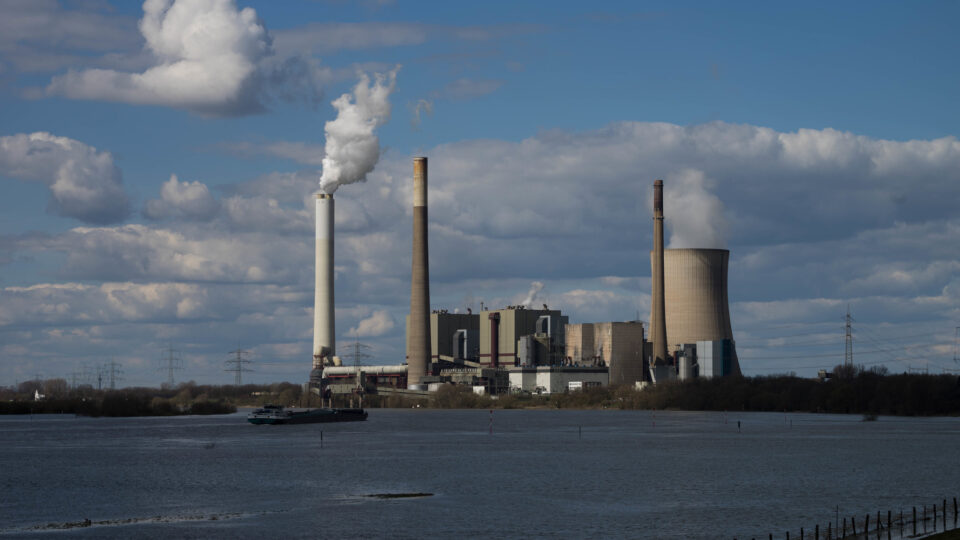
2022 was a complicated year for global energy.  Following its invasion of Ukraine, Russia curtailed natural gas exports to Europe.  This led to large increases in coal burning in many countries, but at the same time led to major new investments in renewable energy.  Projections are that the world will add as much renewable power in the next five years as it did over the previous 20.

In China, severe drought reduced the amount of available hydropower, which drove increased demand for coal in that country.  Between the war in Ukraine and the Chinese drought, coal burning reached an all-time high in 2022, albeit only a 1% uptick for the year.  This increased coal consumption is expected to be only temporary as the accelerating deployment of renewables, energy efficiency, and the use of heat pumps will inexorably reduce coal use.

Globally, governments have earmarked an additional $500 billion for clean energy just since March, bringing the total since the onset of the COVID pandemic to more than $1.2 trillion.  Nearly half of this total investment comes from the U.S. under the Inflation Reduction Act and the Infrastructure Investment and Jobs Act.

In light of these energy policies around the world, the International Energy Agency has revised its projections for renewable energy to substantially larger numbers.   Renewables are expected to surpass coal as the world’s largest source of electricity by early 2025. The global energy crisis triggered by the war in Ukraine has kicked off an extraordinary new phase of rapid renewables growth as countries around the world are seeking to obtain energy security as well as the other benefits of clean energy.

**********

Web Links

In 2022, Energy Shocks Spurred Both Unprecedented Coal Burning and Massive Renewable Investments

Photo, posted April 5, 2015, courtesy of Jan Remund via Flickr.

Earth Wise is a production of WAMC Northeast Public Radio

Energy From Rice Straw | Earth Wise

February 3, 2023 By EarthWise Leave a Comment

Turning rice straw into energy

Rice straw is produced as a byproduct of rice production.  Globally, as much as a billion tons of rice straw is produced each year, three-quarters of it in Asia.  Straw incorporation in soil for fertilization is not practical in most places because with multiple crops per year, there is not enough time for the material to decompose and become good fertilizer.  As a result, open-field straw burning is increasingly the standard practice.

Scientists at Aston University in Birmingham in the UK are embarking on a project to convert rice straw in Indonesia into low-cost energy on a commercial scale.

Indonesia produces 100 million tons of rice waste each year, of which 60% is burned in open fields, causing air pollution. 

The Aston researchers are developing a biomass conversion process based on pyrolysis.  This involves heating the rice straw to high temperatures over 900 degrees Fahrenheit to break it down, producing vapor and solid products.  Both of these things can be used to generate electricity.

A new combustion engine designed by a company called Carnot Limited is capable of converting 70% of the thermal energy extracted from the rice straw into electricity.

Energy extracted in this way could help low and middle-income countries to create their own locally generated energy, thereby reducing emissions, creating jobs, and improving human health.   The biomass electricity is predicted to be cheaper than solar, geothermal, wind, coal, or even subsidized gas-generated power.

The Aston University project will help develop a business model that could support companies and communities to produce local, cheap energy in Indonesia and other countries with biomass capacity. 

**********

Web Links

Aston University to help power Indonesia with affordable energy made from rice straw

Photo, posted September 11, 2006, courtesy of Kristen McQuillin via Flickr.

Earth Wise is a production of WAMC Northeast Public Radio

  • « Go to Previous Page
  • Page 1
  • Interim pages omitted …
  • Page 15
  • Page 16
  • Page 17
  • Page 18
  • Page 19
  • Interim pages omitted …
  • Page 35
  • Go to Next Page »

Primary Sidebar

Recent Episodes

  • An uninsurable future
  • Clean energy and jobs
  • Insect declines in remote regions
  • Fossil fuel producing nations ignoring climate goals
  • Trouble for clownfishes

WAMC Northeast Public Radio

WAMC/Northeast Public Radio is a regional public radio network serving parts of seven northeastern states (more...)

Copyright © 2026 ·