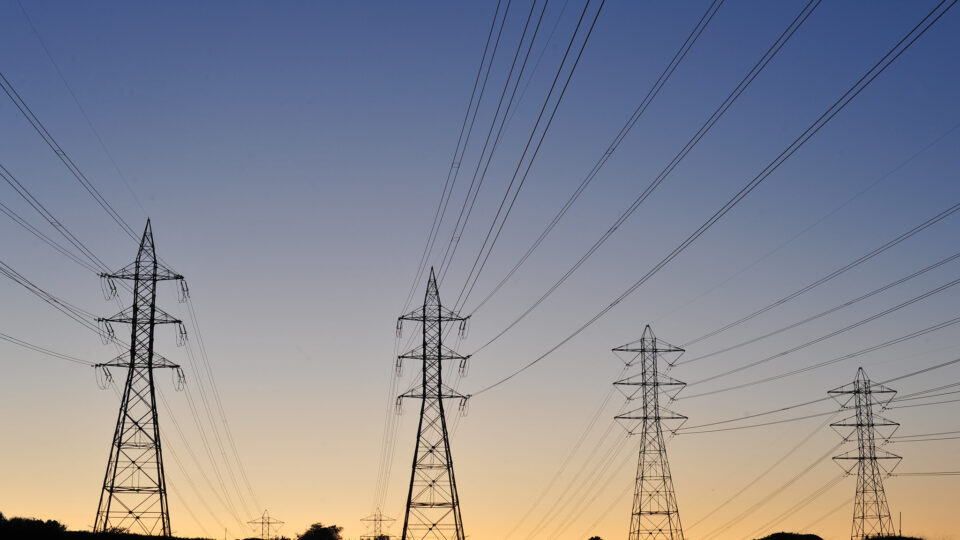
• Skip to primary navigation
  • Skip to main content
  • Skip to primary sidebar

Earth Wise

A look at our changing environment.

  • Home
  • About Earth Wise
  • Where to Listen
  • All Articles
  • Show Search
Hide Search
You are here: Home / Archives for electricity

electricity

Sodium-ion batteries

January 31, 2024 By EarthWise Leave a Comment

The transition away from fossil fuels is driving a rapidly increasing need for batteries.  Both electric vehicles and energy storage for the electric grid are enormous consumers of batteries.  At present, lithium-ion batteries are almost universally used for these purposes.  They have been getting better all the time and cheaper all the time and are likely to be the answer for the foreseeable future.  But they are not perfect.

Lithium is only found in a relatively small number of places and mining and extracting it is fairly expensive and environmentally unfriendly.  Lithium-ion batteries also frequently contain cobalt, which has its own set of problems.  There are also safety issues related to the flammability of lithium-ion batteries. 

As a result, there continue to be numerous efforts to identify and develop alternative battery technologies.  One of these is sodium-ion batteries, which are similar in many ways to lithium-ion batteries but in which sodium replaces lithium as the cathode material.

Sodium is extremely common – it’s found in ordinary salt – and sodium-ion batteries have a high energy density and are easy to produce.  They should have a long lifetime and have a more benign environmental impact than lithium-ion.  Many companies and researchers are working on sodium-ion batteries and are making good progress.

A study by Chalmers University in Sweden looked at the potential for sodium-ion batteries and found that the batteries are particularly promising for use in energy storage even in their current state of development and could eventually be used in cars.  Whether sodium-ion batteries can be good enough and cheap enough quickly enough to give lithium-ion a run for its money remains to be seen.

**********

Web Links

Resource-efficient and climate-friendly with sodium-ion batteries

Photo, posted March 12, 2013, courtesy of Chris Hunkeler via Flickr.

Earth Wise is a production of WAMC Northeast Public Radio

Bio-based products on the rise

January 30, 2024 By EarthWise Leave a Comment

There is a growing global movement working towards replacing conventional synthetic products – ones that are toxic to make or use, difficult to recycle, and have large carbon footprints – with products made from plants, trees, or fungi that can be safely returned to the earth at the end of their useful life.  This so-called bioeconomy is in its infant stages, but there is increasing interest in turning successful research into manufactured products.

One example is nylon.  Nylon was created in the 1930s by DuPont.  It has been used and continues to be used in a wide range of products.  The problem with it is that it is made from petroleum, it doesn’t biodegrade, and producing it generates nitrous oxide, which is a problematic greenhouse gas.

A San Diego-based company called Genomatica has developed a plant-based nylon using biosynthesis, a process in which a genetically engineered microorganism ferments plant sugars to create a chemical intermediate that can be turned into the nylon-6 polymer, and then into textiles. 

The impetus for developing bio-based products includes the growing public disgust at the mounting environmental toll of plastic, not the least of which is that people and animals are increasingly ingesting it.  Coupled with this, there is a rapidly-growing torrent of funding, especially in the US and Europe, aimed at accelerating the transition away from products that are non-biodegradable, toxic, and that produce carbon emissions.   Last September saw the launch of the National Biotechnology and Biomanufacturing Initiative which will support research and development on such topics as the use of sustainable biomass and waste resources to make non-toxic, bio-based fuels, chemicals, and fertilizers.

**********

Web Links

From Lab to Market: Bio-Based Products Are Gaining Momentum

Photo, posted May 27, 2010, courtesy of André C via Flickr.

Earth Wise is a production of WAMC Northeast Public Radio
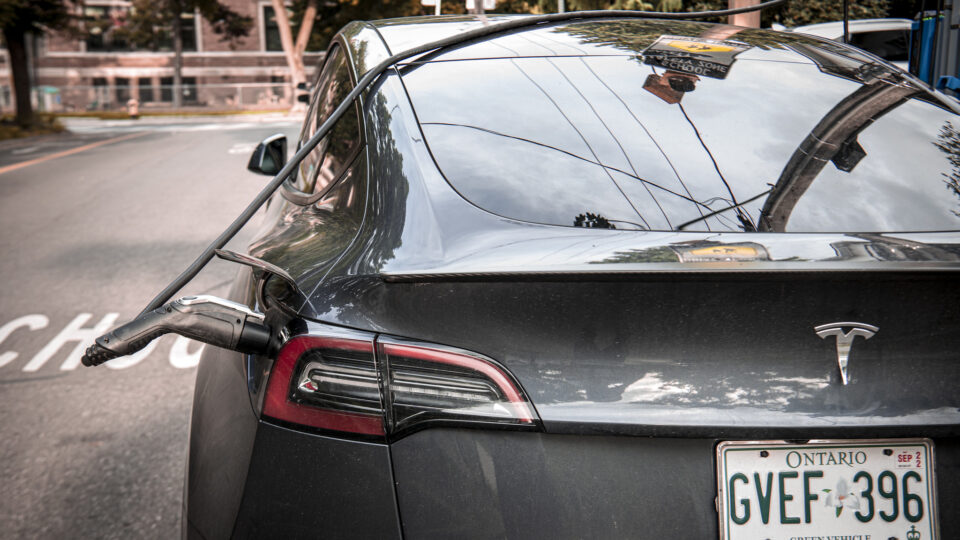
Positive tipping points and climate

January 29, 2024 By EarthWise Leave a Comment

We often hear about tipping points and climate change.  Tipping points are critical thresholds that, when crossed, lead to large, accelerating, and often irreversible changes.  Some of the ones of concern with the climate are thawing permafrost, melting glaciers and ice sheets, and global temperatures reaching certain levels.  These are all tipping points that are essential to avoid.

A study published in the journal One Earth by researchers at the University of Exeter in the UK contends that in order to avoid the severe consequences of climate change, we need to trigger some positive tipping points.

Many climate-friendly changes are happening too slowly.  Triggering positive tipping points is a way to rapidly reach the high levels of decarbonization required to avoid triggering the negative tipping points of great concern.

Reaching a positive tipping point is a way that beneficial changes can rapidly gain momentum.  One example is the adoption of electric vehicles.  It has clearly reached a tipping point across Scandinavia and has happened rapidly.  Norway has managed to transition the market share of electric vehicles from under 10% to nearly 90% in less than 10 years.  At some point, everybody wanted an electric car.  This is evidence that positive tipping points can happen.

Many of the other forms of decarbonization need to move from their current level of adoption to rapid expansion.  A combination of affordability, attractiveness, availability, and political will are needed to trigger tipping points.  Exactly what those tipping point are is not necessarily known, but unless something accelerates the current pace of change, it will be very difficult to prevent negative climate tipping points from changing the world in destructive ways.

**********

Web Links

Positive tipping points must be triggered to solve climate crisis

Photo, posted July 8, 2023, courtesy of Michael Swan via Flickr.

Earth Wise is a production of WAMC Northeast Public Radio
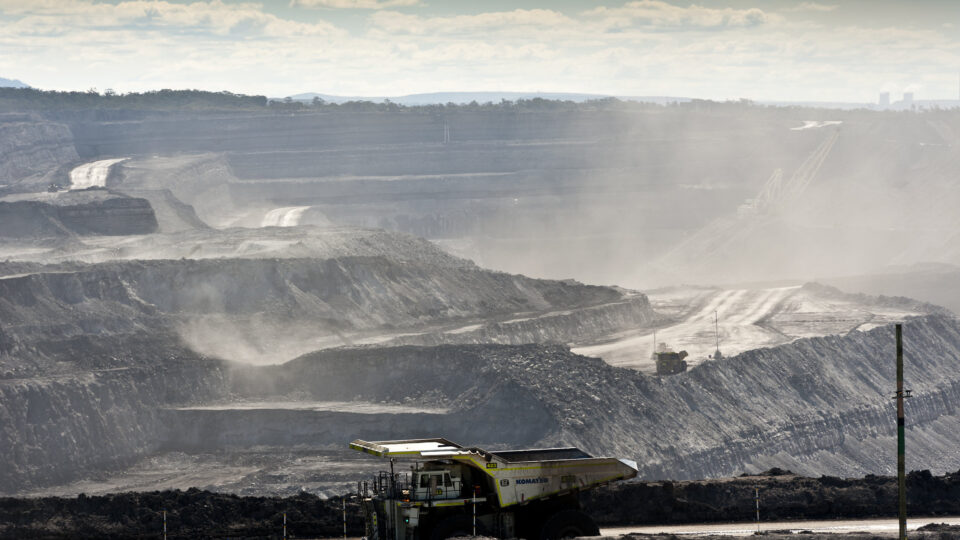
The slow decline of coal

January 25, 2024 By EarthWise Leave a Comment

Despite the fact that coal is the dirtiest and most climate-harmful energy source we have, the global demand for it hit a record high in 2023. The demand for coal grew by 1.4% worldwide, according to an analysis by the International Energy Agency.

Coal use grew by 5% in China and 8% in India.  The two countries are the world’s largest producers and consumers of coal.  Meanwhile, coal use in the U.S. and the European Union fell by 20%.

Despite this discouraging news, the IEA forecasts that coal use will decline over the next two years.  There have been declines in coal demand a few times before, but they were driven by unusual events such as the collapse of the Soviet Union and the Covid-19 crisis.  But the IEA says that the forthcoming decline is different.  It will be driven by the formidable and sustained expansion of clean energy technologies.

According to the IEA, global coal demand will fall by 2.3% by 2026 even in the absence of new policies to curb coal use.  Forces at play will be increased hydropower in China as it recovers from drought and puts new wind and solar projects online.  China is responsible for more than half of global coal demand, but it is also responsible for more than half of the planned renewable power projects coming online over the next three years.  Experts believe that with these forthcoming projects, Chinese emissions may have peaked in 2023.

The projected drop in coal demand is still far short of what is required for the world to avoid catastrophic warming.  Much greater efforts are needed to meet international climate targets.

**********

Web Links

After a Record 2023, Coal Headed for Decline, Analysts Say

Photo, posted August 25, 2015, courtesy of Jeremy Buckingham via Flickr.

Earth Wise is a production of WAMC Northeast Public Radio

A plug for all cars

January 23, 2024 By EarthWise Leave a Comment

The Tesla charging standard is being renamed the North American charging standard

Different brands of electric cars have required different charging connections. There has been no standard connector for charging.  But now, as the transition to electric vehicles is accelerating, there is the North American Charging Standard, which within in the next couple of years, will be common to pretty much any new electric vehicle on the road.

There have been several different charging connector systems in use by auto manufacturers and each charging station offered only a particular one of them.  The largest charging network in the US has been Tesla’s Supercharger Network, which uses a proprietary standard it put in place in 2012.  Tesla offered to open up their charging technology to other cars but auto manufacturers declined to take them up on the offer for a number of years.  The Bipartisan Infrastructure Law, passed in 2021, provided federal subsidies for building out fast charging networks, provided a common charging standard was adopted.  That has broken the log-jam.

The Tesla Charging Standard has been renamed the North American Charging Standard and Tesla opened its technology to other manufacturers in November 2022.

Automakers who have signed on to the standard include BMW, General Motors, Honda, Hyundai, Jaguar Land Rover, Lucid, Mercedes-Benz, Nissan, Polestar, Rivian, Subaru, Toyota, and Volvo.  In December, the Volkswagen Group – which includes Volkswagen, Porsche, and Audi – announced that they are also implementing it for future vehicles in North America, starting in 2025.   (The only significant holdout is Stellantis, parent of Dodge, Chrysler, and Jeep).

It will be a year or two before cars from all these companies will have the NACS connector and be able to charge at the same stations, but it will happen.

**********

Web Links

Volkswagen, Audi, And Porsche Finally Commit To Using Tesla’s NACS Plug

Photo, posted July 8, 2023, courtesy of Michael Swan via Flickr.

Earth Wise is a production of WAMC Northeast Public Radio
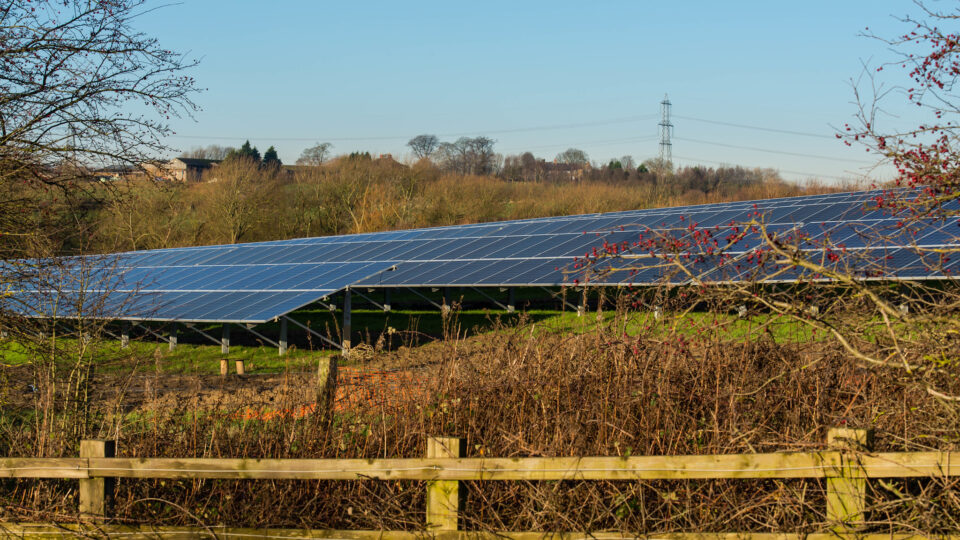
Solar forests

January 22, 2024 By EarthWise Leave a Comment

To plant trees or install solar panels is the question

Forests are one of the most iconic symbols of the power and diversity of nature but beyond that, their thick vegetation is crucial to the stability and balance of the Earth’s climate.  This is because the photosynthesis that powers the growth of plants removes carbon dioxide from the air.  Cutting down forests – especially the evergreen forests of the tropics – has played a significant role in the increasing climate crisis.  For this reason, many environmental initiatives focus on restoring destroyed forests and planting new trees.

But the truth is, even if we were to cover the entire surface of the planet with trees, there would still not be enough photosynthesis going on to absorb the huge surplus of carbon dioxide that people have been pumping into the atmosphere for the past 150 years.

A study by the Weizmann Institute of Science in Israel looked at the impact of erecting fields of dark covered solar panels – so-called solar forests – that would generate electricity, thereby replacing power stations that use fossil fuels.  But dark fields absorb heat which eventually returns to the atmosphere.

The question is:  what is the best use of a plot of land in terms of the effect on the climate?  Planting a forest or erecting fields of solar panels?

The answer depends on where the land is.  In arid environments, building solar farms is far more effective and practical than planting forests.  But in humid places, forests currently absorb close to a third of humanity’s annual carbon emissions. 

The study concludes that combining planting and rehabilitating forests in humid regions and erecting fields of solar panels in arid regions is the most effective strategy.

**********

Web Links

The Solar Forest

Photo, posted December 27, 2015, courtesy of Gerry Machen via Flickr.

Earth Wise is a production of WAMC Northeast Public Radio
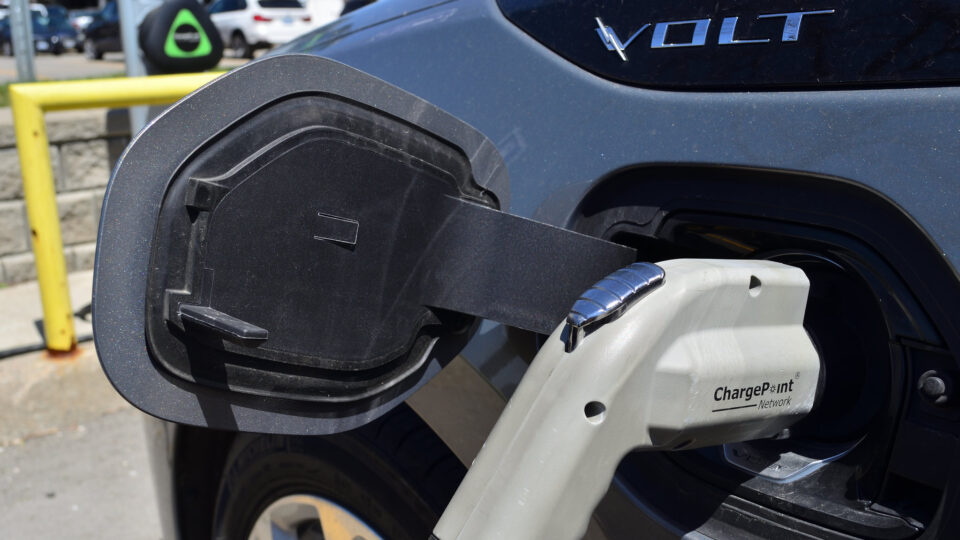
EV battery costs continue to drop

January 10, 2024 By EarthWise Leave a Comment

EV battery costs keep falling

Electric vehicles have historically been more expensive than their gas-powered counterparts primarily because of the cost of the batteries that power them.  Today’s EV battery packs range in size from about 40 kWh to as much as 200 kWh, where kWh measure the amount of energy stored in pack.

The batteries in EVs are lithium-ion batteries, the same technology used to power cell phones, tablets, and computers.  A decade ago, the batteries averaged $668 per kilowatt-hour and packs as large as those in some of today’s vehicles were simply unthinkable from a price standpoint. 

Over the years, government subsidies, increased competition, higher volume, improvements in battery technology, and reductions in the cost of raw materials such as lithium have combined to drive continuous and dramatic reductions in battery costs.  By March 2022, the average price for lithium-ion batteries was $146 per kWh.  This past August, battery costs broke the $100 per kilowatt-hour barrier.

Industry analysts have long maintained that once the $100 barrier has been reached, EVs could achieve price parity with their fossil-fuel counterparts.  Electric cars would no longer be more expensive to buy than equivalent gas cars.

Projections are that battery prices will continue to fall by something like 10% a year for the rest of this decade.  All else being equal, EVs should be cheaper to buy than gas cars.  Of course, they have already been cheaper to operate for a long time. 

None of this means that car prices will go down in general.  That will depend on trends in inflation and those are pretty hard to predict.

**********

Web Links

EVs Set to Match Gas Guzzlers in Price as Battery Costs Plummet

Photo, posted May 9, 2018, courtesy of Flickr.

Earth Wise is a production of WAMC Northeast Public Radio
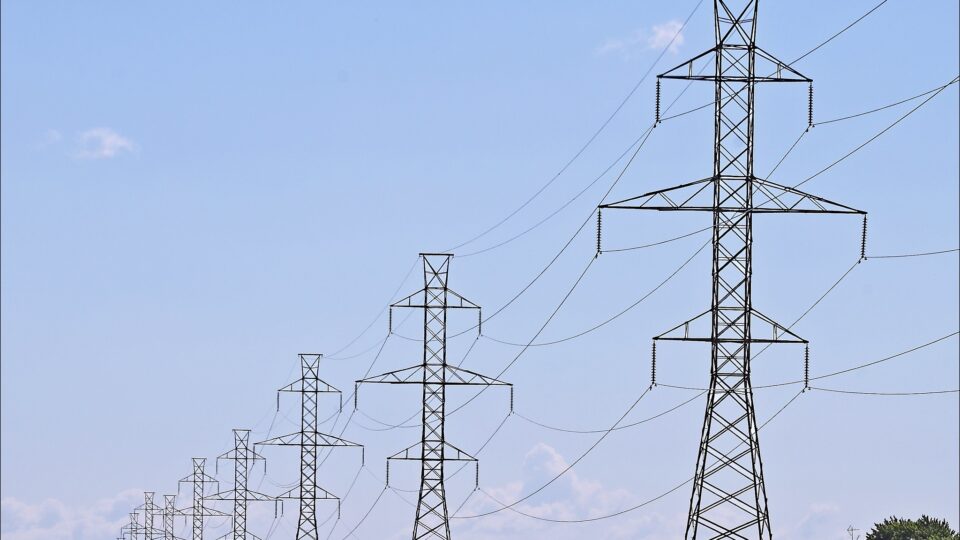
Cleaning the grid can create messes

January 9, 2024 By EarthWise Leave a Comment

Renewables can create messes in the grid

The electric grid is increasingly embracing renewable energy sources like solar and wind power as well as the energy storage systems that support them.  These generation sources differ from traditional sources in that they produce direct current electricity rather than alternating current electricity.  Our power grid runs on alternating current.  Traditional generators produce alternating current that synchronizes with the grid.  Wind and solar power connect to the grid using electronic power converters called inverters that produce the required alternating current. 

All of this technical detail is something we don’t pay much attention to, except that the current state of inverter technology can lead to some problems that don’t exist with a fully synchronous power system. 

The electric grid frequently experiences disruptive events like trees falling on powerlines, squirrels shorting out substation equipment, and so on.  These things normally don’t cause widespread trouble, although there have been notable exceptions such as the massive Northeast blackout of 2003 triggered by an overloaded transmission line drooping onto foliage.

The issue with inverters is that they can shut down in the presence of certain disturbances to the grid.  This has happened on a number of occasions and has exposed vulnerabilities that need to be addressed by the industry.  Inverter-based resources currently constitute only a relatively small fraction of the grid, but that fraction is growing steadily and can have an increasingly widespread impact.  The grid was built predominantly for synchronous generation, and it must be adapted and improved to assure the reliability that is required and expected.  It is an issue that can’t be ignored.

**********

Web Links

Renewables are cleaning the grid. They’re also messing it up

Photo, posted July 5, 2017, courtesy of Sue Thompson via Flickr.

Earth Wise is a production of WAMC Northeast Public Radio
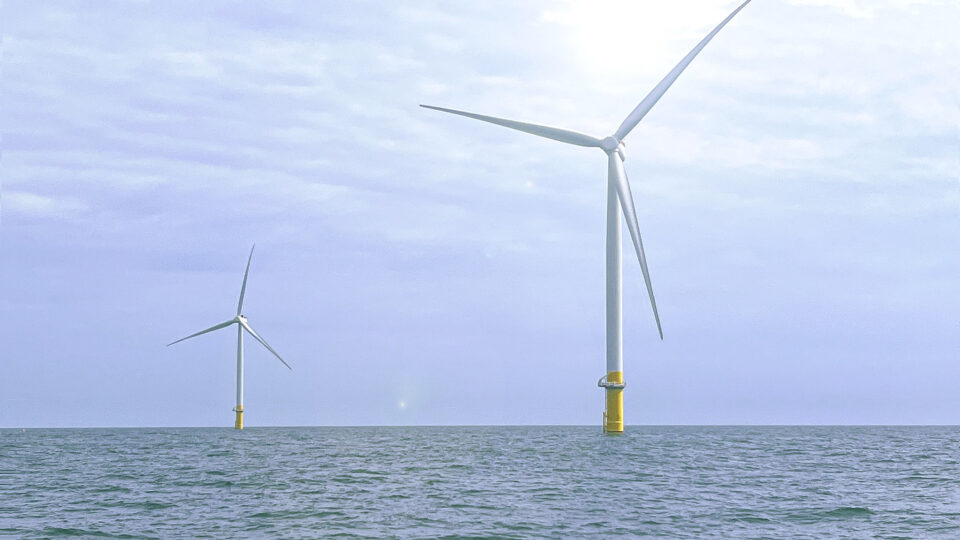
Offshore wind in the U.S. at last

January 4, 2024 By EarthWise Leave a Comment

There have been large offshore wind farms in Europe for over 30 years.  Five Asian countries have had offshore wind installations for 7 years, with China now leading the world in total installed capacity.   The United States has been talking about offshore wind power for a long time and has been moving toward actually installing it in fits and starts.

As of early December, there is finally a wind turbine off the coast of eastern Long Island that has begun sending electricity onto the U.S. grid.  The South Fork Wind Farm will soon have 12 turbines generating 132 megawatts of offshore wind energy to power more than 70,000 homes.

Meanwhile, the first five turbines for the Vineyard Wind I project off the coast of Massachusetts have been installed and will be sending 65 megawatts of power to the electric grid in Massachusetts just weeks after the New York installation turned on.

Vineyard Wind I is planned to expand into a 62-turbine, 806-megawatt project when fully operational.  That is enough electricity to power an estimated 400,000 homes and businesses.

There are multiple offshore wind projects in various stages of development along the eastern seaboard.  There are also various projects in the planning stages on the west coast, where the deep seabeds require the use of much more challenging floating turbine installations.

While it is encouraging to see that offshore wind is finally happening here in the United States, it is sobering to realize that there is more than 63 thousand megawatts of offshore wind power capacity installed globally comprising more than 11,000 turbines.  We have a lot of catching up to do.

**********

Web Links

Decades after Europe, South Fork Wind sends first commercial wind power onto US grid

First five turbines installed at Vineyard Wind 1

Photo, posted June 14, 2022, courtesy of Stephen Boutwell/BOEM via Flickr.

Earth Wise is a production of WAMC Northeast Public Radio
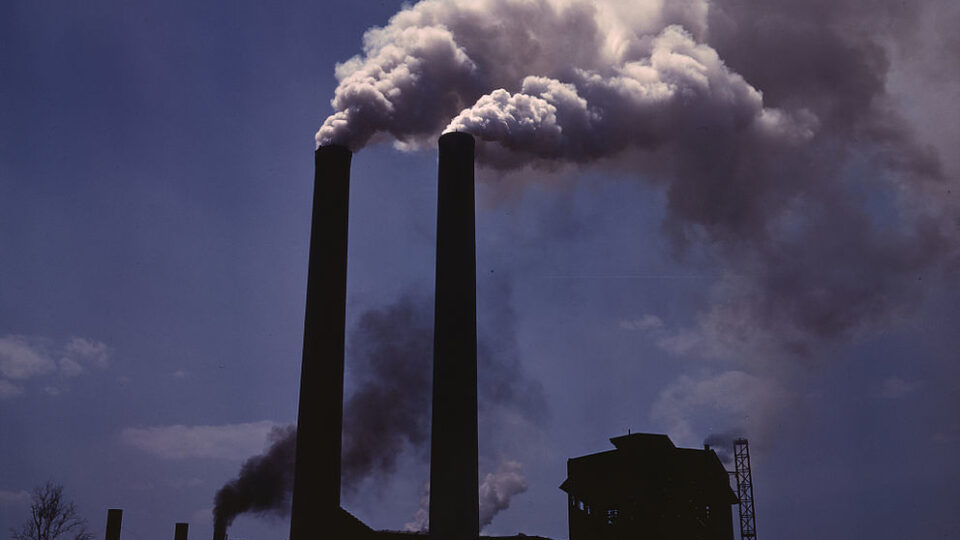
Record high emissions

January 3, 2024 By EarthWise Leave a Comment

Record high emissions in 2023

The world is adding solar and wind power to the grid.   We are driving more and more electric cars.  Countries are pledging to cut back fossil fuel use.  There are highly visible international conferences on the climate crisis.   But despite all of these things, global carbon emissions from fossil fuels have risen once again in 2023, reaching all-time record high levels of more than 40 billion tons, about 1.1% more than the previous year.

In some places, including Europe and the U.S., fossil fuel CO2 emissions are falling, but globally, they are still rising.  Emissions continued to increase in India and China.  Global action to cut fossil fuel use is not happening fast enough to prevent the increasingly dangerous effects of climate change.

Global CO2 emissions include both the contributions of fossil fuel use and the effects of land use change.  Adding the two together, in 2023 the total was about 45 billion tons, basically unchanged from last year. 

Adding insult to injury are the emissions from fires.  The extreme wildfire seasons in Canada, Australia, and other places have contributed CO2 emissions much larger than historical averages.

About half of all the carbon dioxide emitted on Earth is absorbed by carbon sinks on land and the oceans.  The other half remains in the atmosphere, where levels are now averaging 419 parts per million, 51% above pre-industrial levels.

Current efforts are simply not profound enough or widespread enough to put global emissions on a downward trajectory.  Some climate policies in some places are proving effective, but much more needs to be done.

**********

Web Links

Fossil CO2 emissions at record high in 2023

Photo, posted December 18, 2013, courtesy of Steve Nelson via Flickr.

Earth Wise is a production of WAMC Northeast Public Radio

Does vertically-grown food taste different?

January 2, 2024 By EarthWise Leave a Comment

Vertical farming is a method of producing crops in vertically stacked layers or surfaces typically in a skyscraper, used warehouse, or shipping container.  Modern vertical farming uses indoor farming techniques and controlled-environment agriculture technology. 

Vertical farming has the potential to be one of the solutions to food insecurity in parts of the world where crop production is limited by climate change or other environmental factors.  Vertical farming reduces water and land use, reduces nutrient emissions, and could eliminate the need for pesticides.  It also allows more food to be grown locally and with higher yields.

But some critics of vertically-grown veggies say they look pale, artificial, and taste bland.  In the first study of its kind, a research team led by scientists from the University of Copenhagen in Denmark sought to investigate whether these consumer prejudices hold true.

The research team asked 190 participants to blind taste test arugula, baby spinach, pea shoots, basil, and parsley grown in vertical farming and compare the taste and appearance to those same leafy greens grown organically in soil. 

Overall, the organic greens grown traditionally narrowly beat out the vertically-grown ones in the study, but it was very close.  For example, when asked to rate arugula on a scale of 1-9 with 9 being best, the participants gave both types a 6.6.  There was no clear winner between basil, baby spinach, and pea shoots.  The only clear winner was organically-grown parsley. 

The study debunks some myths about vertically-grown food and should help pave the way for more widespread adoption of this efficient method to grow tasty and nutritious food. 

**********

Web Links

A delicious surprise: Vertically farmed greens taste as good as organic ones

Photo, posted May 11, 2009, courtesy of Cliff Johnson via Flickr.

Earth Wise is a production of WAMC Northeast Public Radio

Sustainable New Year’s resolutions

December 29, 2023 By EarthWise Leave a Comment

Sustainable resolutions for the new year

Every year, millions of people around the world make resolutions to spark positive change in the new year.  Popular resolutions include improving health and fitness, traveling more, spending less, and so on. With 2024 just around the corner, here are six resolution ideas to reduce our climate impact: 

Shop More Sustainably.  Choose eco-friendly brands and products with minimal environmental impact, including locally-produced goods and reusable items whenever possible. 

Switch To Clean Energy.  Purchase green power, install renewable energy systems to generate electricity, or switch to renewable resources for home and water heating and cooling needs. 

Reduce Food Waste.  Food waste is a significant global issue with environmental, economic, and social implications.  In the U.S., an estimated 30-40% of the total food supply is never eaten.  Meal plan and only shop for what you need.  And freeze any leftovers.   

Adopt A More Plant-Based Diet.  Transition to a more plant-based diet in order to shrink the ecological footprint of food production.  Resource-intensive animal-based foods like meat, dairy, and eggs are one of the chief contributors to climate change. 

Reduce the Carbon Footprint of Transportation.  Opt for eco-friendly transportation and energy-efficient practices in order to lower emissions.  Examples include driving a battery-electric car and utilizing public transportation. 

Get Involved In Conservation Advocacy.  Support and engage in environmental causes, and help promote conservation and sustainable practices. 

As we ring in the new year, let’s raise our glasses to a cleaner and greener 2024.

**********

Web Links

Photo, posted August 3, 2018, courtesy of Ella Olsson via Flickr.

Earth Wise is a production of WAMC Northeast Public Radio
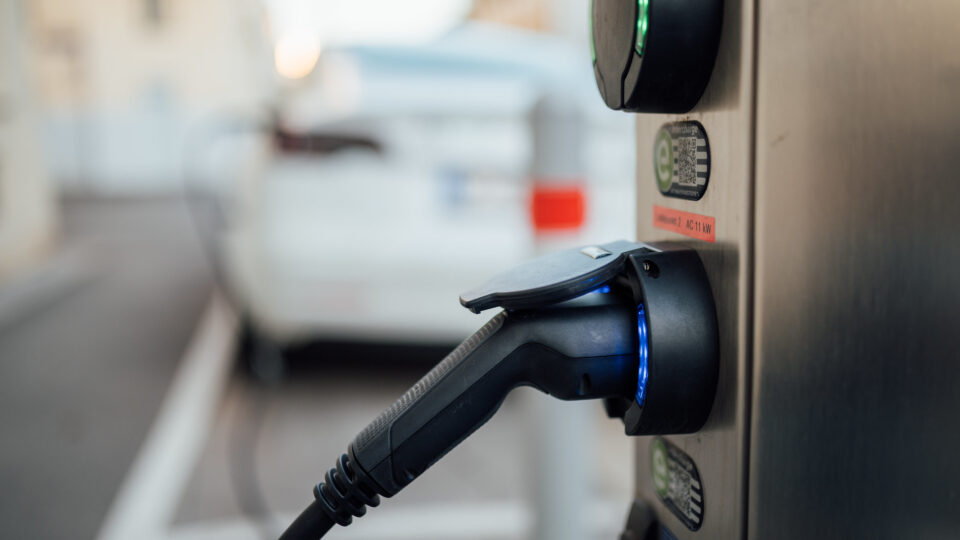
Global climate progress is too slow

December 28, 2023 By EarthWise Leave a Comment

According to a new report by the World Resources Institute, the world is making progress on climate, but the progress is not fast enough.  The report looked at 37 indicators of climate progress towards the goals set forth by the Paris Agreement.  In some areas, the progress has been substantial, but in six areas, the world has been moving in the wrong direction entirely.

The rapid growth of clean energy has brought the world to the brink of peak fossil fuels, but to avoid the catastrophic effects of warming, countries need to build out wind and solar power nearly twice as fast and shut down coal plants seven times faster.  There has been progress in curbing deforestation, but the world needs to stem forest loss four times more quickly.  More work is needed to clean up heavy industry and the consumption of meat needs to be limited more than the present level.

Areas where things are getting worse rather than better include the use of public funds and subsidies for preserving the use of fossil fuels.  Because of wars and supply shocks affecting energy markets, countries have actually ramped up fossil fuel subsidies to combat rising prices.

One area where the world is moving at the pace required to meet climate goals is in the sales of electric vehicles.  EVs accounted for 10% of car sales globally last year and if trends continue, they are predicted to account for more than 75% of cars sold by 2030.

The faster-than-predicted progress on electric cars demonstrates that transformative change is possible and could happen in other areas.

**********

Web Links

World Making Too Little Progress on Climate — Except on EV Sales, Report Finds

Photo, posted May 24, 2022, courtesy of Ivan Radic via Flickr.

Earth Wise is a production of WAMC Northeast Public Radio

Brownfields and solar power

December 19, 2023 By EarthWise Leave a Comment

Repurposing brownfields for solar power generation

Brownfields are blighted lands that have suffered environmental contamination, making it very difficult to redevelop them or make good use of them.  Generally, they are previously used lands that have the presence or at least the potential presence of hazardous substances, pollutants, or other contaminants at levels exceeding health-based or environmental standards.  There are nearly half a million brownfields in the U.S. that are ripe for repurposing.

One very attractive use for brownfields is to convert them to “brightfields,” which is the colloquial term for brownfields redeveloped into solar projects.  Estimates are that nearly 200,000 U.S. brownfield sites are eligible for brightfield conversion, which could provide hundreds of gigawatts of energy production.  Over 10,000 of these sites are inactive landfills, which alone could power 8 million homes.  Many of these sites have sat unused for decades.

A recent success story took place in Old Bridge Township, New Jersey where an abandoned waste site – designated a Superfund site by the EPA for decades – has now become a solar project that will generate more than $1.2 million a year for the township and will provide reduced-cost electricity for 400 homes, half of which are low- and moderate-income residents.

The site was on the EPA list of Superfund National Priorities , meaning it was considered one of the most serious abandoned hazardous waste sites.  Such sites required continuous monitoring, modifications, and cleanup. 

Projects like the Old Bridge solar project are likely to become increasingly common in the future, as legacy liabilities can be turned into valuable assets.

**********

Web Links

How solar installations give new life to blighted brownfields

Photo, posted November 11, 2015, courtesy of Martin Malec via Flickr.

Earth Wise is a production of WAMC Northeast Public Radio
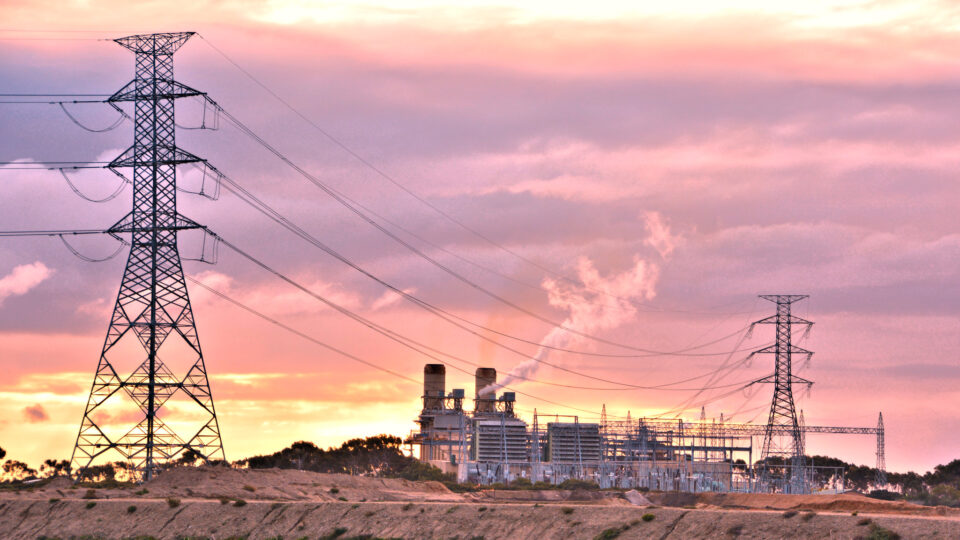
Are we really serious about eliminating fossil fuels?

December 15, 2023 By EarthWise Leave a Comment

Almost all the countries around the world have pledged to take action to reduce planet-warming emissions by expanding the use of renewable energy sources and phasing out fossil fuels.  But very few countries seem to be taking the fossil fuel phase-out seriously.

Almost all the top 20 fossil-fuel producing countries plan to produce more oil, gas, and coal in 2030 than they do today.  Countries are doubling down on fossil fuel production, which will make it virtually impossible to limit global warming to 2 degrees Celsius.

Despite having an administration that takes climate issues very seriously, the United States is now the world’s biggest crude oil producer and is ramping up exports of natural gas.  Brazil, under its environmental champion President da Silva, plans to increase oil production by 63% and more than double its gas output over the next decade.  India, which has promised to expand renewable energy production, will more than double its production of coal by 2030.  Canada, which has a net-zero commitment enacted as law, will boost its oil output by 25% in the next 12 years.  Meanwhile, countries like Saudi Arabia and Russia aren’t even pretending to make the transition away from fossil fuels.

Governments and citizens around the world may be serious about the climate crisis and are taking various actions.  But the world cannot address climate change without tackling its root cause.  The overwhelming force of greed and the power wielded by the fossil fuel industry has created a dynamic that is making real progress nearly impossible as fossil fuels continue to power the world.

**********

Web Links

Coming Soon: More Oil, Gas and Coal

Photo, posted June 22, 2020, courtesy of John Morton via Flickr.

Earth Wise is a production of WAMC Northeast Public Radio
New York’s first offshore wind farm

December 14, 2023 By EarthWise Leave a Comment

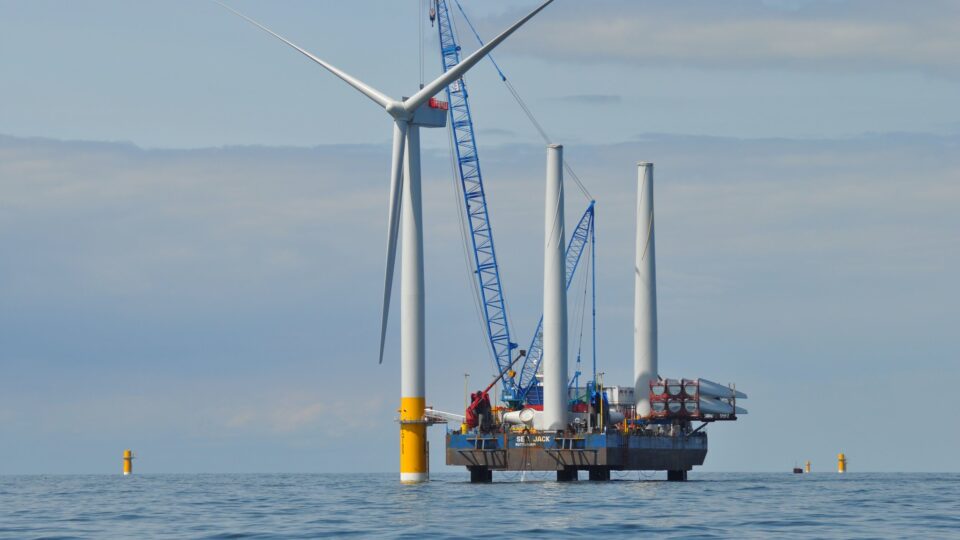
New York has set a target of installing 9 GW of offshore wind capacity by 2035.  The first offshore wind farm in the state – South Fork Wind – was approved by the Long Island Power Authority in 2017.  Construction began in 2022.

South Fork Wind Farm is a 132 MW project sited 35 miles offshore from Montauk, New York.  Early this year, the subsea power export cable was installed by Nexans, a cable and optical fiber company.  In June, the project reached its “steel in the water” milestone with the installation of the farm’s first monopile foundation.

In November, the first of South Fork Wind’s 12 Siemens Gamesa wind turbine generators was hoisted into place by the offshore construction team.  The turbines are being installed by a specialized vessel called the Aeolus.  Turbine installation involves using a crane to place the steel turbine tower onto the foundation.  The nacelle and rotor are then installed on top of the tower.  Finally, the blades are bolted one by one to the rotor.

All 12 turbines for the project are expected to be installed by the end of this year or by early 2024.

There have been setbacks for the U.S. offshore wind industry in recent times.  Two projects in New Jersey have been scrapped because of supply chain issues.   Rhode Island Energy pulled out of a project citing higher interest rates, increased expenses, and problems with tax credits.

But despite these setbacks, the industry continues to make headway.  Vineyard Wind in Massachusetts is on the precipice of delivering its first power to the grid and the pipeline of additional projects continues to grow.

**********

Web Links

First turbine installed at South Fork Wind, New York’s first offshore wind farm

Photo, posted August 7, 2013, courtesy of SSE / Department of Energy and Climate Change via Flickr.

Earth Wise is a production of WAMC Northeast Public Radio

Electricity from chicken feathers

December 4, 2023 By EarthWise Leave a Comment

The food industry generates enormous amounts of waste and by-products.  Each year, 40 million tons of chicken feathers are incinerated, causing adverse environmental effects.  Not only does it release large amounts of carbon dioxide but also produces toxic gases such as sulfur dioxide.

Researchers at ETH Zurich in Switzerland and Nanyang Technological University in Singapore have developed a way to put chicken feathers to good use by using them to make fuel cells more cost-effective and sustainable.

Using a simple and environmentally friendly process, they extract the keratin from the feathers.  Keratin is the protein that helps form hair, nails, the outer layer of skin, and feathers.  The extracted keratin is then converted into ultra-fine fibers known as amyloid fibrils.  The keratin fibrils are used in the membrane of a fuel cell.

Fuel cells generate clean energy from hydrogen and oxygen with only heat and water as byproducts.  At the heart of every fuel cell is a semipermeable membrane that allows protons to pass through but blocks electrons, thereby producing an electric current.  Fuel cells are the primary way hydrogen is used to directly generate electricity.  Hydrogen cars run on fuel cells.

Conventional fuel cells typically use membranes made from highly toxic chemicals.  The new ETH membranes essentially replace these toxic substances with biological keratin. 

The researchers are investigating how stable and durable their keratin membrane is and to improve it if necessary.  The team has already applied for a joint patent and is looking for partners and investors to further develop the technology and bring it to market.

**********

Web Links

Generating clean electricity with chicken feathers

Photo, posted July 10, 2016, courtesy of Matthew Bellemare via Flickr.

Earth Wise is a production of WAMC Northeast Public Radio

Electric planes: Fantasy or reality?

December 1, 2023 By EarthWise Leave a Comment

Airplanes have been around for over a century, but the idea of powering them with electricity rather than with liquid fuels has been little more than a fantasy.  Over the years, billions of dollars have been invested trying to make electric planes practical.  In recent times, progress on battery technology has provided a much-needed boost for the field.

Electric planes are nowhere near becoming competitive with long distance commercial aircraft.  The weight and power requirements for such craft are far beyond what electric plane technology can do.  But electric planes could offer a very practical solution for transporting relatively small numbers of passengers over relatively short distances.

A plane built by the well-funded private company Beta Technologies has flown as far as 386 miles on a single battery charge.  The company envisions such planes to be mostly used for trips of 100 to 150 miles.  These planes could open new opportunities, like better connecting rural areas that have little or no direct air service.

Their latest model was tested on a trip between Burlington, Vermont and Florida, making multiple stops and flying through congested airspace over Boston, New York, and Washington.

Commercial versions of the planes will likely have lift rotors to take off and land like helicopters, making them deployable in a wide range of places.  Many companies are working on electric aviation, and they have backers like major automakers, major airlines, and large investment firms. 

Electric planes are not likely to replace conventional aircraft but are likely to have a meaningful impact how we move goods and services and reconnect rural parts of the country.

**********

Web Links

Electric Planes, Once a Fantasy, Start to Take to the Skies

Photo courtesy of Beta Technologies.

Earth Wise is a production of WAMC Northeast Public Radio
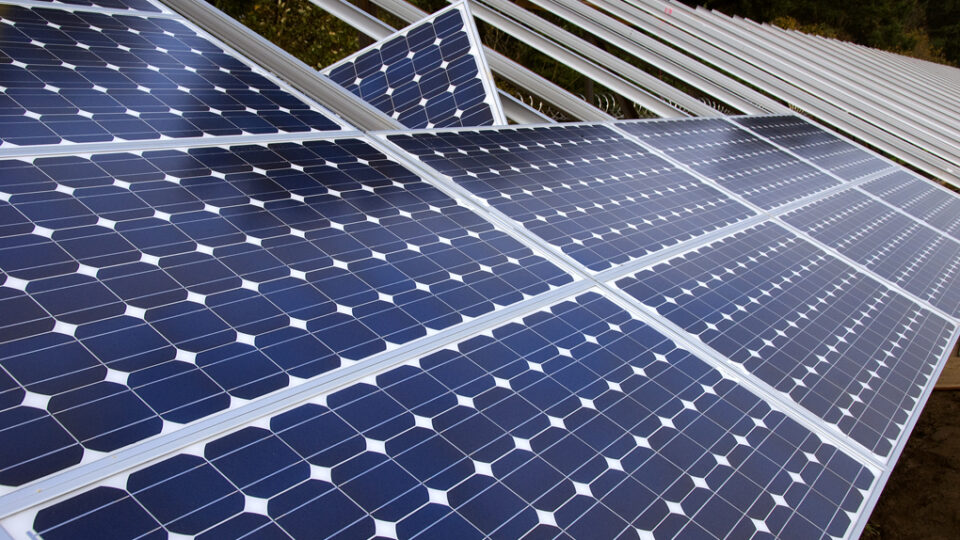
Who wins: Wind or solar?

November 27, 2023 By EarthWise Leave a Comment

A new study by the University of Exeter in the UK suggests that the world may have crossed a tipping point that will inevitably make solar power our main source of energy.  This data-driven model of technology seems to fly in the face of the current situation in which wind power contributes considerably more generation than solar power – by a factor of 3 in the U.S. and nearly double worldwide.

Wind and solar power both have advantages and disadvantages.  Solar power is quiet, requires little maintenance, and presents little danger to wildlife.  It is also practical for individual homes.  Residential wind power is not really a viable option for most people in most places.  But on the other hand, wind energy can produce more power than solar, can work both day and night, and can be located offshore far away from people.  On land, both wind and solar power take up lots of space and compete with other land use needs as well as countering people’s aesthetic preferences.

Both technologies continue to get cheaper over time, although solar has especially seen significant cost reductions.  The cost of solar power, which is already the cheapest form of electricity production, is estimated to fall to as low as $20 per megawatt hour over time from the current level of $40 per megawatt hour.

Wind and solar energy are on track to account for more than a third of the world’s electricity by 2030, according to the Rocky Mountain Institute.  Despite the predictions of various studies and the ambitions of specific technologies, it seems likely that wind and solar power will both play an expanding role in our energy systems for a long time to come.

**********

Web Links

World may have crossed solar power ‘tipping point’

Photo, posted November 22, 2008, courtesy of Oregon Department of Transportation via Flickr.

Earth Wise is a production of WAMC Northeast Public Radio
More renewable energy for New York

November 24, 2023 By EarthWise Leave a Comment

More renewable energy coming for New York

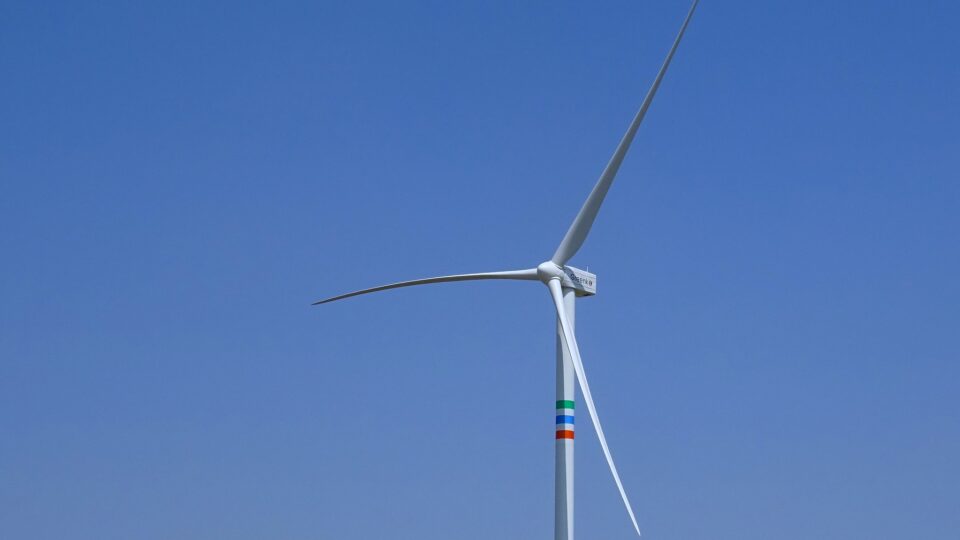
In late October, New York announced its largest state investment in renewable energy to date that includes three offshore wind projects, and 22 land-based clean energy projects totaling more than 6 GW of power generation.

The portfolio of projects is expected to create approximately 8,300 jobs and spur $20 billion in economic investments statewide.

The projects support the state’s goal to have 70% of its electricity come from renewable sources by 2030 and to have 9 GW of offshore wind operating by 2035.  The announcement represents the first set of actions taken by the State as part of New York’s 10-Point Action Plan.

The three offshore wind projects include Attentive Energy One, a 1.4 GW project that seeks to retire fossil fuel power generation in New York City.  Community Offshore Wind, a 1.3 GW project will make use of a new grid interconnection in downtown Brooklyn.  Excelsior Wind, another 1.3 GW project, will provide robust energy deliverability to Long Island. 

Apart from the offshore wind projects, there will be 14 new solar projects, six wind upgrading projects, one new wind project, and one return-to-service hydroelectric project.

The average bill impact for customers over the life of the land-based projects is estimated to be approximately 0.31%, or about 32 cents a month for the average customer.  The bill impact for customers utilizing the offshore wind projects is estimated to be about 2.7%, or $2.93 per month.

*********

Web Links

NY to invest in 3 offshore wind farms, 22 land-based renewable projects

Photo, posted October 21, 2016, courtesy of B Sarangi via Flickr.

XXXXXXXXXXXXXXX

  • « Go to Previous Page
  • Page 1
  • Interim pages omitted …
  • Page 6
  • Page 7
  • Page 8
  • Page 9
  • Page 10
  • Interim pages omitted …
  • Page 29
  • Go to Next Page »

Primary Sidebar

Recent Episodes

  • An uninsurable future
  • Clean energy and jobs
  • Insect declines in remote regions
  • Fossil fuel producing nations ignoring climate goals
  • Trouble for clownfishes

WAMC Northeast Public Radio

WAMC/Northeast Public Radio is a regional public radio network serving parts of seven northeastern states (more...)

Copyright © 2026 ·