
• Skip to primary navigation
  • Skip to main content
  • Skip to primary sidebar

Earth Wise

A look at our changing environment.

  • Home
  • About Earth Wise
  • Where to Listen
  • All Articles
  • Show Search
Hide Search
You are here: Home / Archives for earth

earth

Geologic Hydrogen | Earth Wise

October 20, 2023 By EarthWise Leave a Comment

Exploring geologic hydrogen

There is great interest in the potential use of hydrogen as a fuel or an energy storage medium.  Unlike hydrocarbon-based fuels, pure hydrogen combustion produces nothing but water as an emission.  But most hydrogen used at present is made by reforming natural gas, which is a process that results in carbon dioxide emissions.  Thus, the search goes on for cost-effective and energy-efficient ways to make “green hydrogen” that doesn’t result in greenhouse gas emissions.

Researchers at Colorado University Boulder are investigating the potential effectiveness of coaxing hydrogen from subterranean rocks – a commodity known as geologic hydrogen.

When water mixes with iron-rich minerals deep in the earth’s crust, ensuing chemical reactions can generate pockets of hydrogen gas. 

The questions are whether it is possible to bring these deposits up to the surface without harming the environment or human communities in the process and whether they can be extracted in large enough quantities to meet growing global energy demands.

The Colorado researchers will conduct experiments both in the lab and hundreds of meters below the earth’s surface to see if it is possible to induce the subterranean rock to make more hydrogen than it normally does.  If the hydrogen-producing reactions can be accelerated, then geologic hydrogen could become a clean and abundant energy source.

Geologists have known about hidden underground deposits of hydrogen for a long time, but recent research has found that there may be a lot more of it than once thought.  According to a 2022 report by the US Geological Survey, there may be enough hydrogen below ground to supply humanity’s need for fuel for hundreds of years.

**********

Web Link

Can rocks produce abundant clean energy? New project to explore

Photo, posted December 26, 2013, courtesy of Juozas Šalna via Flickr.

Earth Wise is a production of WAMC Northeast Public Radio
The Hottest Summer | Earth Wise

October 13, 2023 By EarthWise Leave a Comment

The hottest summer since global record keeping began

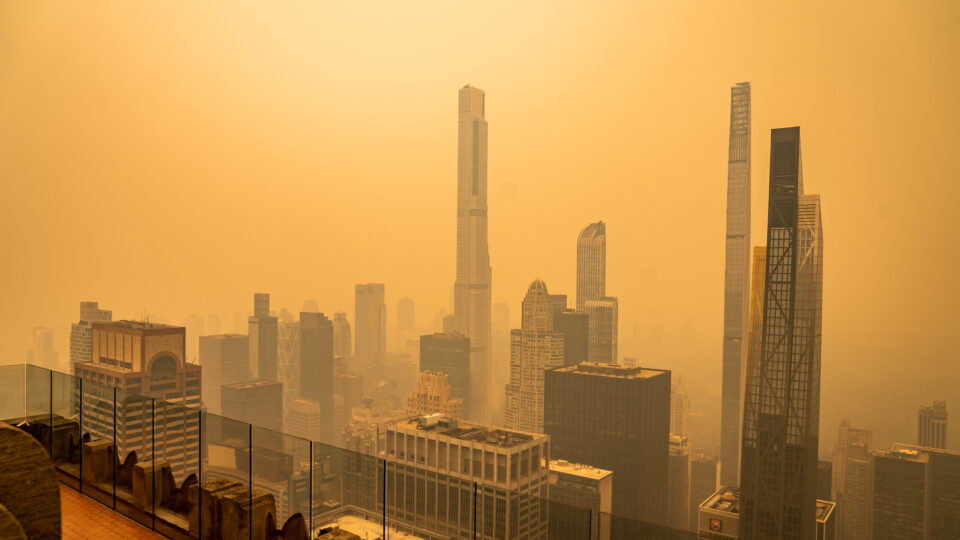
It was a very rainy and relatively cool summer in much of New England as well as in New York’s Capital Region, where Earth Wise originates.  Despite that fact, according to NASA scientists, the summer of 2023 was the Earth’s hottest since global record keeping began in 1880.

The months of June, July, and August taken together were .41 degrees Fahrenheit warmer than any other summer on record as well as being 2.1 degrees warmer than the average summer between 1951 and 1980.

The record summer heat was marked by heatwaves in South America, Japan, Europe, and the US.  The heat exacerbated wildfires in Canada that dumped smoke across much of the northern tier of our country and also led to severe rainfall in Europe.  All sorts of temperature records were set in places across the globe.

According to NASA, exceptionally high sea surface temperatures, fueled in part by the reemergence of El Niño in the Pacific, were a major factor in the summer’s record warmth.

The record-breaking heat of this summer continues a long-term trend of warming.  Scientists around the world have been tracking the warming that is driven primarily by human-caused greenhouse gas emissions.  The combination of this background warming and the marine heatwaves set the stage for new temperature records.  The El Niño was enough to tip the scales. 

In the current environment, heat waves will last longer, be hotter, and be more punishing.  The atmosphere can hold more water producing hot and humid conditions that are harder for the human body to endure.

Scientists are expecting the biggest impacts of El Niño in the early parts of next year.  We can expect to see extreme weather of many kinds over the next year.

**********

Web Links

NASA Announces Summer 2023 Hottest on Record

Photo, posted June 8, 2023, courtesy of Anthony Quintano via Flickr.

Earth Wise is a production of WAMC Northeast Public Radio
Lakes Are Shrinking | Earth Wise

September 11, 2023 By EarthWise Leave a Comment

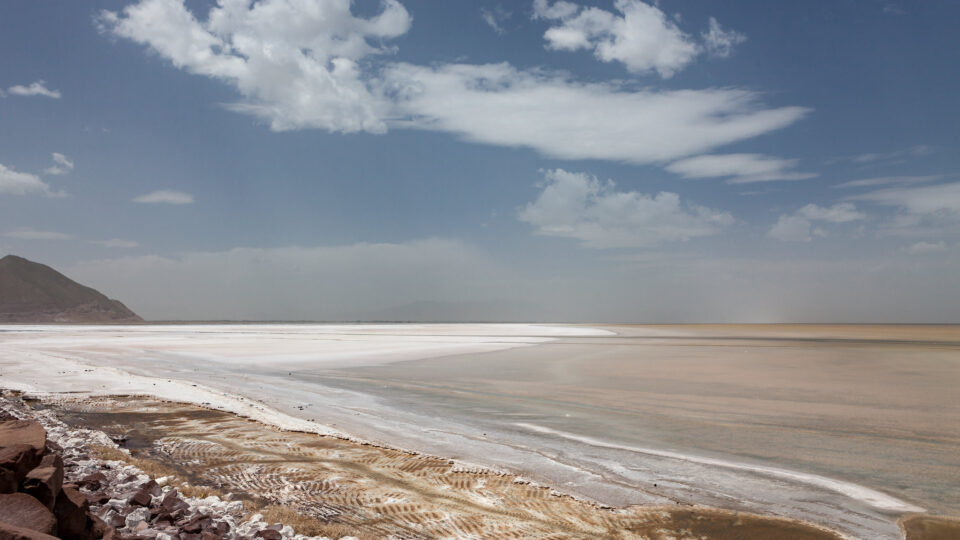
A study by the University of Colorado Boulder has found that more than half of the world’s largest lakes have shrunk over the last three decades.  This is a very big problem because about one-quarter of the Earth’s population lives in the basin of a drying lake.  People depend on lakes for drinking water and irrigation and lakes are central to the survival of local ecosystems as well as migrating birds.  Lakes cover only about 3% of the planet, but they hold nearly 90% of the liquid surface freshwater.

The study used satellite observations from 1992 to 2020 to estimate the area and water levels of nearly 2,000 freshwater bodies.  These account for 96% of Earth’s total natural lake storage and 83% of that in man-made reservoirs.  About 53% of the world’s lakes have clearly shrunk, while only 22% have gained water.  The study estimates that about 160 trillion gallons of water has been lost over the 28-year period.  That’s about 17 times the maximum capacity of Lake Mead, the largest reservoir in the United States.

Many of the world’s most significant lakes have been shrinking. The dramatic declines in Lake Mead have been headline news for years.  The Caspian Sea, which is the world’s largest inland body of water – has long been declining.

The main causes of the decline in natural lakes are climate change and human consumption.  Reservoirs face an additional major problem of sediment buildup which reduces their storage capacity and diminishes their benefits of water supply, flood control, and hydropower.

Lake loss is a big problem.

**********

Web Links

More than half of the world’s largest lakes are drying up

Photo, posted April 10, 2018, courtesy of Ninara via Flickr.

Earth Wise is a production of WAMC Northeast Public Radio

Air Pollution And Insects | Earth Wise

September 7, 2023 By EarthWise Leave a Comment

Air pollution may be causing global decline in insects

Insects can be found in every environment on Earth and play critical roles in the planet’s ecosystems.  Insects pollinate more than 80% of plants, including those that we eat and those that provide food and habitat for other species.  Without insects, we wouldn’t have the rich biodiversity that supports life on earth today.

But the world is experiencing a decline in overall insect populations as well as a collapse in insect diversity.  According to researchers from the University of Melbourne in Australia, Beijing Forestry University in China, and the University of California – Davis, air pollution particles may be the cause of the dramatic decline.  They found that an insect’s ability to find food and a mate is reduced when their antennae are contaminated by particulate matter. 

In the study, which was recently published in the journal Nature Communications, the research team exposed houseflies to varying levels of air pollution for just 12 hours and then placed the flies in a Y-shaped tube ‘maze’. Uncontaminated flies typically chose the arm of the Y-maze leading to a smell of food or sex pheromones, while contaminated flies selected an arm at random, with 50:50 probability.

Using a scanning electron microscope, the researchers also found that as air pollution increases, more particulate material collects on the sensitive antennae of houseflies. 

Insect antennae have olfactory receptors that detect odor molecules emanating from a food source, a potential mate, or a good place to lay eggs.  If an insect’s antennae are covered in particulate matter, a physical barrier is created between the smell receptors and air-borne odor molecules.

Air pollution poses a significant threat to insect populations around the world.   

**********

Web Links

Air pollution particles may be cause of dramatic drop in global insect numbers

Photo, posted June 13, 2008, courtesy of Allen Watkin via Flickr.

Earth Wise is a production of WAMC Northeast Public Radio
Why Was the Summer So Hot? | Earth Wise

September 4, 2023 By EarthWise Leave a Comment

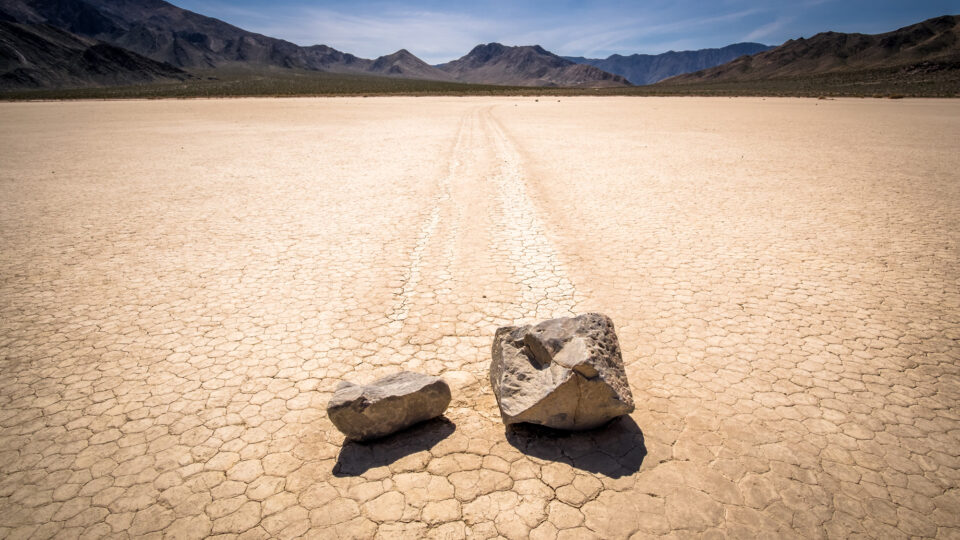
Many places around the world have experienced extraordinary heat waves this summer.  The 31 days of high temperatures 110 degrees or more in Phoenix is a prime example but many other places suffered from extreme and relentless heat.  Why did this happen?

The overarching reason is climate change, which has warmed the Earth by 2.2 degrees Fahrenheit since the preindustrial era.  This change on a global level is enough to make heatwaves far more likely.  For example, the concurrent heatwaves in Europe and North America were 1000 times more likely to have occurred because of climate change.

But there hasn’t been a sudden increase in global temperature that would make this summer so much hotter.  Instead, what really has happened is three other factors all came into play at the same time.

The first is the 2022 eruption of Hunga Tonga-Hunga Ha-apai, which is an underwater volcano in the South Pacific.  That eruption did not produce much in the way of planet-cooling aerosols in the atmosphere.  Instead, it vaporized huge amounts of seawater, sending water vapor into the atmosphere, which helps trap heat.

The second is a change in the amount of energy radiating from the sun.  That actually rises and falls a small amount every 11 years.  Currently, it is in the upswing and will reach its next peak in 2025.

Finally, there is the arrival of the El Niño in the Pacific, whose balmy ocean waters radiate heat into the air.

The combination of all these factors when added to the already warming climate is a recipe for temperatures to soar to uncharted highs.  We can expect more heat waves, forest fires, flash floods, and other sorts of extreme weather.

**********

Web Links

It’s Not Just Climate Change: Three Other Factors Driving This Summer’s Extreme Heat

Photo, posted February 27, 2017, courtesy of Giuseppe Milo via Flickr.

Earth Wise is a production of WAMC Northeast Public Radio

Endangered Plants And The Changing Climate | Earth Wise

August 31, 2023 By EarthWise Leave a Comment

Plants are a critical resource because of the countless ways they support life on Earth. Plants release oxygen into the atmosphere, absorb carbon dioxide, and provide food and habitat for humans and wildlife.  Plants are also used to produce fibers, building materials, and medicines. 

Plants form the backbone of natural ecosystems, and absorb about 30% of all the carbon dioxide emitted by humans each year.  But plants are struggling to adapt in a human-dominated world.  Even though they are easier and cheaper to protect than animals, plants are often overlooked in conservation efforts.

Ironically, conservation efforts appear to be overlooking a key threat to endangered plants.  According to a new study led by researchers from Penn State University, all plants and lichens listed as endangered under the Endangered Species Act are sensitive to climate change, but there are few plans in place to address that threat directly. 

The threat that climate change poses to endangered plants and lichens had not been thoroughly evaluated in more than a decade.  In the study, which was recently published in the journal PLOS Climate, the research team adapted existing assessment tools used to examine the threat of climate change for wild animals and applied them to 771 endangered plant species.  The researchers found that all endangered plant and lichen species are at least slightly threatened by climate change, and little is being done to protect the listed species from that threat.

The researchers hope their findings will be used to aid future conservation planning.  After all, plants can live without humans, but humans cannot live without plants.

**********

Web Links

Climate change threatens 771 endangered plant and lichen species

Photo, posted June 12, 2014, courtesy of Mark Freeth via Flickr.

Earth Wise is a production of WAMC Northeast Public Radio
Phoenix Is Frying | Earth Wise

August 15, 2023 By EarthWise Leave a Comment

Phoenix heat wave

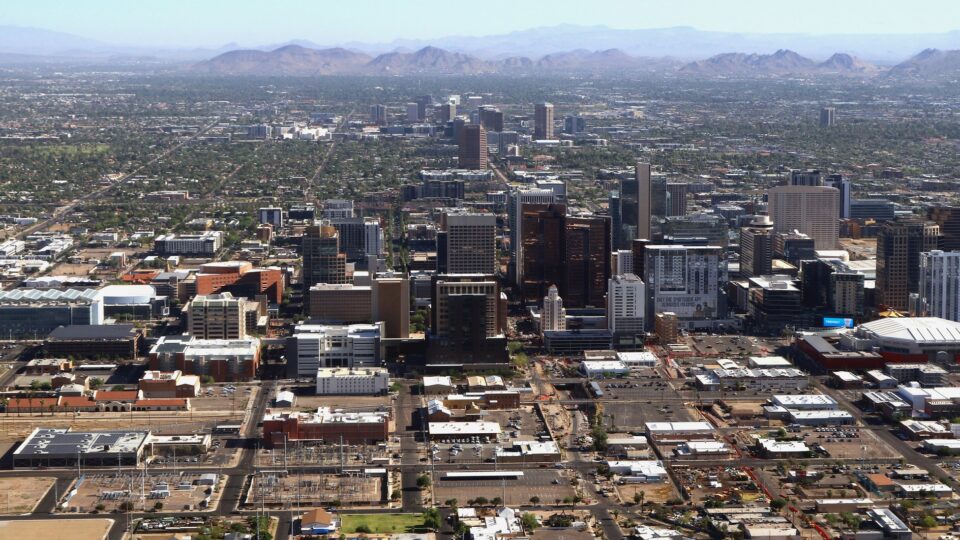
The mythical Phoenix is a bird that repeatedly dies in a fire of its own making.  During July, the five million inhabitants of greater Phoenix Arizona may have felt like they were reliving that myth as multiple temperature records were shattered in a massive heatwave.

On June 30, the high temperature in Phoenix was 110 degrees.  From then on, the daily highs were relentlessly at or above 110 degrees, topping out at 119 on July 20.  The previous record for consecutive days at or above 110 was 18 set in June 1974.  The streak continued all the way until July 31, when incoming desert monsoons resulted in the high temperature dropping to 107 degrees – ending the streak at 31 days.  Along the way, there were 16 days with temperatures at or above 115 degrees. 

During the month, there were 17 consecutive days when the lowest temperature in Phoenix was at least 90 degrees.  The previous record for that was 7 days, set in 2020.  Because of these lofty low temperatures, July was also the hottest month in terms of average temperature with a reading well above 102 degrees.  It was the first time that the average temperature has ever been in three digits.  The previous record was 99.1 degrees in 2020.

Phoenix is an extreme case, but it was not alone in having a hot July.  Globally, it was the hottest July on record that included major heat waves in the U.S., Mexico, China, southern Europe, and elsewhere.  The daily record for the hottest average temperature on Earth ever measured was also broken several times during the month.

**********

Web Links

Phoenix heat wave is shattering temperature records

Photo, posted September 22, 2022, courtesy of Flickr.

Earth Wise is a production of WAMC Northeast Public Radio
The World’s Hottest Day | Earth Wise

July 27, 2023 By EarthWise Leave a Comment

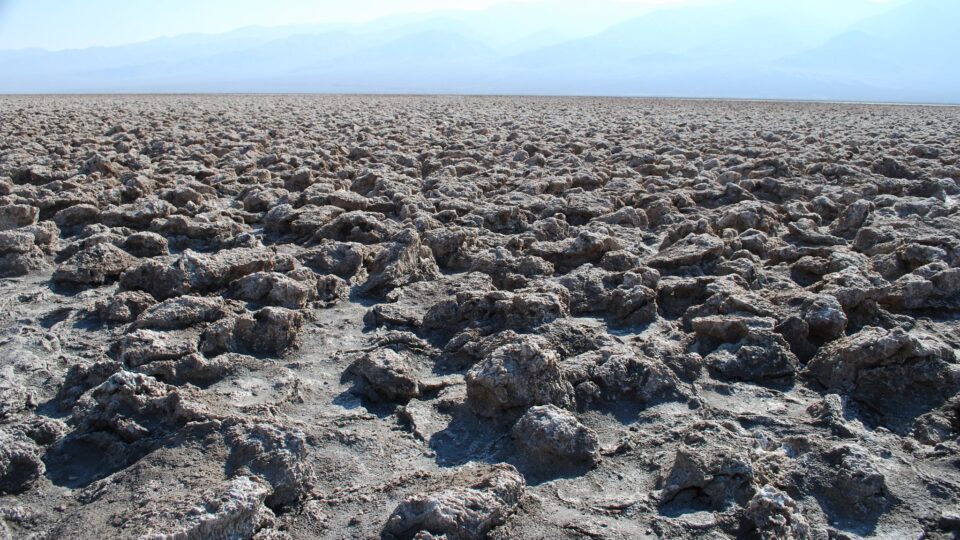
Early in July – for four days in a row – the average global temperature was the highest ever recorded.  As many places around the world endured dangerous heatwaves, the average global temperature on the fourth of July reached 62.92 degrees Fahrenheit, the highest ever recorded by human-made instruments.  On July 6th, the global temperature climbed even further to 63.01 degrees.

The average global temperature on an annual basis was about 56.7 degrees from the 1880s through the 1910s.  Temperatures rose a bit after that but ended up about 57.2 degrees until the 1980s.  After that, temperatures have risen fairly steadily as heat-trapping gases have accumulated in the atmosphere driving the current average above 58 degrees.

Global temperatures have only been directly measured since the mid-20th century.  There are proxy measurements from sources like tree rings, ice core samples, glacier measurements, and more that indicate that the recent readings may be the warmest days the earth has seen in millennia.

Average global temperature is determined using temperature readings at thousands of locations on both land and sea across the entire planet.  Those readings are compared with average temperatures at those locations for the date and the difference (known as the temperature anomaly) used to calculate a global average.

With the recent arrival of the El Niño in the Pacific Ocean, it is likely that the warming already being driven by greenhouse gas accumulation will intensify further. 

In a summer already marked by extreme heatwaves in many locations, having the entire planet 4 or 5 degrees hotter than normal is a very big deal and most certainly not a record to celebrate.

**********

Web Links

Earth reaches hottest day ever recorded 4 days in a row

Photo, posted October 29, 2008, courtesy of Darek via Flickr.

Earth Wise is a production of WAMC Northeast Public Radio

Moss And Carbon Storage | Earth Wise

July 18, 2023 By EarthWise 1 Comment

All plants, including algae and cyanobacteria, carry out photosynthesis. During the process of photosynthesis, plants remove carbon dioxide from the air and release oxygen to the air.  As a result, plants play a crucial role in the fight against climate change. 

According to a new study recently published in the journal Nature Geoscience, mosses – those tiny plants often found on the ground or rocks – might be important antidotes to climate change.  The study, which was led by scientists from the University of New South Wales in Australia and the Institute of Natural Resources and Agrobiology in Spain, uncovered evidence that mosses have the potential to store a massive amount of carbon in the soil beneath them.

The researchers found that mosses sequester around seven billion tons more carbon in the soil than is stored in the bare patches of soil typically found near them.  To put that figure in perspective, that is six times the annual global carbon emissions caused by global land use change, which includes things like deforestation, urbanization, and mining.  The researchers also found that moss-covered soil possessed heightened levels of vital nutrients and fewer instances of soil-borne plant pathogens on average compared to moss-less soil.

Mosses cover an area of more than 3.6 million square miles, which is similar in size to Canada, and can thrive in challenging environments.  The widespread presence and hardiness of mosses is why they can have such a significant impact on soil biodiversity and carbon sequestration. 

The research team hopes future work will focus on understanding the role of all types of vegetation, not just mosses and trees, in capturing carbon.

**********

Web Links

Study: Modest moss supports billions of tons of carbon storage

Photo, posted August 23, 2017, courtesy of Peter Handke via Flickr.

Earth Wise is a production of WAMC Northeast Public Radio
An Unwanted Temperature Threshold Is Approaching | Earth Wise

July 3, 2023 By EarthWise Leave a Comment

An alarming temperature threshold is approaching

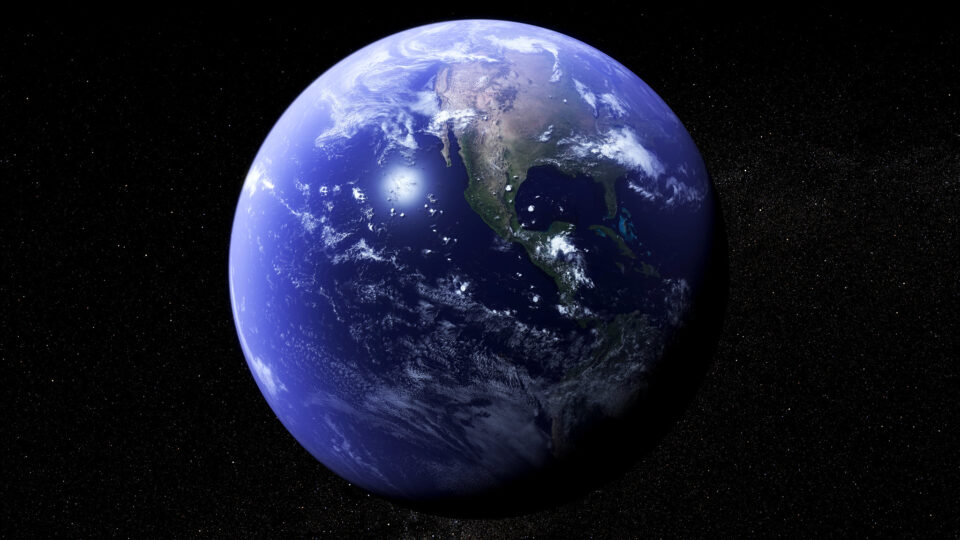
According to the World Meteorological Organization, there is a 66% chance over the next five years that the Earth’s global temperature will exceed 1.5 degrees Celsius above pre-industrial levels for at least one year.

A combination of the continued accumulation of greenhouse gases in the atmosphere along with a looming El Niño condition will contribute to surging temperatures.  The WMO also reports that there is a 98% likelihood that at least one of the next five years will be the warmest on record and that the five-year period as a whole will be the warmest on record.

Reaching or surpassing the 1.5-degree threshold may only be temporary but would be the strongest indication yet of how quickly climate change is accelerating.   The 1.5-degree point is considered by many scientists to be a key tipping point, beyond which the chances of extreme flooding, drought, wildfires, heatwaves, and food shortages could increase dramatically.

The world has already seen about 1.2 degrees of warming as we continue to burn fossil fuels and produce enormous quantities of greenhouse gas emissions.  As recently as 2015, the WMO put the chance of breaching the 1.5-degree threshold as close to zero.

It is important to understand that the 1.5-degree temperature increase is an average for the entire planet.  Many individual locations around the world have been experiencing tremendously greater amounts of warming with record-breaking temperatures.

The 1.5-degree threshold is important, but it is not itself a tipping point.  There is still time to reduce global warming by moving away from fossil fuels and towards clean energy.  But the clock is ticking and so far, the world is not showing any urgency.

**********

Web Links

‘Sounding the alarm’: World on track to breach a critical warming threshold in the next five years

Photo, posted May 20, 2015, courtesy of Kevin Gill via Flickr.

Earth Wise is a production of WAMC Northeast Public Radio

New York Is Sinking | Earth Wise

June 29, 2023 By EarthWise Leave a Comment

New York City is slowly sinking

The rising seas represent a threat to coastal cities across the globe.  Increasing that threat is the fact that most global cities are slowly sinking as the earth beneath them settles and groundwater is removed.   Another factor that has seldom been considered is that in major metropolises, the weight of large, concrete-and-steel skyscrapers may be hastening the sinking.

A new study by the U.S. Geological Survey published in the journal Earth’s Future estimated the weight of every building in New York City – 1.085 million of them – which they determined to add up to 1.68 trillion pounds – and estimated the downward force of those structures across the city.

The study found that buildings have a greater effect in areas that are rich in clay compared with those areas where sand or bedrock predominate.  The softer the soil, the more compression there is from buildings.  It wasn’t a mistake to build large buildings in New York, but it is important to understand that doing so pushes down the ground more and more.

The study determined that New York is sinking by around 1 to 2 millimeters each year, although some areas are sinking much faster.  The researchers say that cities must plan for future sinking, which will exacerbate the impact of rising seas. Sea levels are rising 1 to 2 millimeter each year, so the subsidence caused by the weight of buildings is equivalent to moving a year ahead in time with regard to rising ocean levels.  This is not a cause for immediate panic, but it is important to understand that this ongoing process only increases the risk of inundation from flooding.

**********

Web Links

New York City Sinking Under Weight of Skyscrapers

Photo, posted January 29, 2016, courtesy of Always Shooting via Flickr.

Earth Wise is a production of WAMC Northeast Public Radio

Large Lakes In Decline | Earth Wise

June 27, 2023 By EarthWise Leave a Comment

More than half of the world's largest lakes are shrinking

Globally, freshwater lakes and reservoirs hold 87% of the planet’s liquid freshwater, making them a valuable resource for both people and wildlife.  Despite their value, the long-term trends and changes to water levels of lakes have been largely unknown – until now.

According to a new assessment recently published in the journal Science, more than half of the largest lakes around the world are losing water.  Using satellite observations and climate data, the research team created a technique to measure changes in water levels in nearly 2,000 of the world’s biggest lakes and reservoirs, representing 95% of the total lake water storage on Earth.

The results are staggering.  According to the findings, 53% of Earth’s largest lakes and reservoirs now store significantly less water than they did in 1992.  The total amount of water lost is estimated to be 144.5 cubic miles, which is equivalent to the volume of 17 Lake Meads (the largest reservoir in the U.S.). 

Unsurprisingly, climate warming and human consumption were the main drivers of water loss from lakes, whereas sedimentation — the buildup of debris — was the biggest driver of water loss in reservoirs.  Roughly one-quarter of the world’s population – two billion people – live in the basin of a drying lake, indicating the urgent need for sustainable water resources management.

But the news is not entirely bleak.  According to the research team, the new method of tracking lake water storage trends can give water managers and communities insight into how to better protect this critical resource. 

**********

Web Links

Satellites reveal widespread decline in global lake water storage

Photo, posted February 10, 2010, courtesy of Ninara via Flickr.

Earth Wise is a production of WAMC Northeast Public Radio

The Upper Atmosphere Is Cooling | Earth Wise

June 26, 2023 By EarthWise Leave a Comment

The upper atmosphere is cooling

The part of the atmosphere closest to the Earth’s surface has been warming since the Industrial Revolution.  This warming is associated with increasing amounts of carbon dioxide as well as other human-made chemicals that have been changing the makeup of the atmosphere. Climate change is generally thought about in terms of the lowest regions of the atmosphere – known as the troposphere – where our weather happens.

But climate models also predict that another result of the changes to the makeup of the atmosphere is that most of the atmosphere up higher will get dramatically colder.  The same gases that are warming the bottom few miles of air are cooling the much greater expanses above that extend to the edge of space.

Recent satellite data has confirmed the accuracy of these models and provide further confirmation of the human fingerprint of climate change. The natural variability of weather that complicates climate models does not play a role in the upper atmosphere.

In the higher levels of the atmosphere, the effects of increasing levels of carbon dioxide are quite different.  In the thinner air up there, the heat trapped and re-emitted by CO2 does not bump into other molecules creating warming.  Instead, it escapes to space.  Combined with the trapping of heat at lower levels, the result is a rapid cooling of the upper atmosphere.

There are potential problems associated with the cooling upper atmosphere including that it is contracting.  The result is that the crowd of manmade objects in low orbit remains there longer, and there is a potential increased degradation of the ozone layer. 

The changes we are making to the atmosphere are having significant effects from the surface of the earth to the edge of space.

**********

Web Links

The Upper Atmosphere Is Cooling, Prompting New Climate Concerns

Photo, posted August 18, 2021, courtesy of Arek Socha via Flickr.

Earth Wise is a production of WAMC Northeast Public Radio

Geothermal Energy Storage | Earth Wise

May 22, 2023 By EarthWise Leave a Comment

Aquifer thermal energy storage a solution to heat and cool buildings

About 12% of the energy consumed by humanity is used to heat and cool homes and businesses.  A study by researchers at Lawrence Berkeley National Laboratory and Princeton University looked at a novel approach to making use of underground water to maintain comfortable temperatures and reduce consumption of natural gas and electricity.

The idea is to use aquifer thermal energy storage (known as ATES) to provide both heat in the winter and cooling in the summer.  The concept leverages the heat-absorbing property of water and natural geological features.  The idea is to pump up water from existing underground reservoirs and heat it at the surface using environmental heat or even excess energy from solar or wind generation.  Then the warm water is pumped back down. It stays warm for a long time – even months – because the earth is a good insulator.  When the water is pumped back up in the winter, it is much hotter than the ambient air and can be used to supply heat to buildings.

Alternately, water can be pumped up and cooled in the winter and then put back down underground and stored until cooling is needed in the summer months.

This technology has not been used much in the US, but it is gaining recognition internationally, particularly in the Netherlands.  It can perform very well in areas with large seasonal fluctuations.

The research study used modeling and various simulations to estimate how much energy ATES could save on the US grid.  The results showed that adding ATES to the grid could reduce consumption of petroleum products for heating and  cooling by up to 40%.  The system could also help prevent blackouts by reducing high power demand during extreme weather events.

**********

Web Links

Underground Water Could be the Solution to Green Heating and Cooling

Photo, posted February 19, 2012, courtesy of Sanjay via Flickr.

Earth Wise is a production of WAMC Northeast Public Radio

Salt Marshes And Climate Change | Earth Wise

May 5, 2023 By EarthWise Leave a Comment

Salt marshes are coastal wetlands that are flooded and drained by salt water brought in and out by the tides. These low-lying wetlands are also sometimes called tidal marshes because they occur in the zone between low and high tides. These wetlands are some of the most biologically productive ecosystems on Earth.

Cape Cod’s beautiful salt marshes are as important as they are iconic.  They act as carbon sinks, protect coastal development from storm surge, play an outsized role in nitrogen cycling, and provide critical habitats for many fish, shellfish, and coastal birds.

According to scientists from the Marine Biological Laboratory in Woods Hole, Massachusetts, more than 90% of salt marshes around the world are likely to be underwater by the end of the century. 

Since 1971, scientists from the Marine Biological Laboratory have mapped vegetative cover in Great Sippewissett Marsh in Falmouth, Massachusetts, to examine whether increased nitrogen in the environment would impact species of marsh grass.  Because of the length of the study, the researchers were also able to investigate the impacts of climate change on the ecosystem, especially those driven by accelerating sea level rise. 

The research team found that increased nitrogen favored higher levels of vegetation and accretion of the marsh surface.  However, the researchers found that salt marshes will not be able to outpace the submergence from global sea level rise – no matter how much nitrogen is applied.

Sea level rise is the biggest threat to salt marshes around the world.  Mitigating some of these projected losses is critical in order for salt marshes to continue to provide their important ecosystem services for people and the planet.  

**********

Web Links

Most of the World’s Salt Marshes Could Succumb to Sea Level Rise by Turn of Century

Photo, posted September 27, 2011, courtesy of Chris M Morris via Flickr.

Earth Wise is a production of WAMC Northeast Public Radio

Counting Trees | Earth Wise

April 11, 2023 By EarthWise Leave a Comment

Researchers have developed a new method for counting trees

Scientists estimate that there are about 3 trillion trees on the earth.  A huge number but probably half as many as there were before people entered the picture.  And we’re losing about 10 billion trees a year to toilet paper, timber, farmland expansion, and other human activity.  Trees play a crucial role in taking carbon dioxide out of the atmosphere and storing it away.  For this reason, trees have become an integral part of the effort to mitigate climate change.

There are major initiatives underway around the world to plant more trees.  Part of this is driven by the increasing use of carbon credits by companies trying to offset their carbon emissions.   These credits are earned by either planting new trees or paying farmers or other landowners not to cut down existing trees.  But how many trees are actually planted and how many survive over time?

Whether these efforts are really resulting in more trees and more carbon storage is not easy to determine.  Current international inventories of global tree-sequestered carbon are subject to great uncertainty.

Researchers from the University of Copenhagen and NASA have developed a method for mapping large numbers of trees and determining their carbon content.  Using artificial intelligence techniques to analyze ultra-high-resolution satellite images, they can count trees, determine their individual species, and measure their carbon content.

A study of images from Africa’s Sahel region found that it is home to nearly 10 billion trees that are currently storing 840 million tons of carbon.

Now that the groundwork for this new methodology is complete, it is ready to be deployed by public agencies, NGOs, and other interested in monitoring the numbers of trees and their carbon content.

**********

Web Links

The counting of nine billion trees could help manage climate credits and nature restoration

Photo, posted October 27, 2018, courtesy of Ian Dick via Flickr.

Earth Wise is a production of WAMC Northeast Public Radio

Humanity Weighs On The World | Earth Wise

April 6, 2023 By EarthWise Leave a Comment

There are countless ways in which humankind has had disproportionate effects on our planet and most of those effects have been negative.  A recent study led by the Weizmann Institute of Science in Israel looked at the total combined weight of various groups of mammals on Earth.  The results are that human beings and our domesticated mammals are the overwhelming majority of the total mass of mammals.

We think of large land mammals – elephants, bears, bison, wildebeests, and so on – as adding up to a massive amount of animal matter.  The study determined that all wild land mammals put together add up to about 22 million metric tons. Wild marine mammals – such as dolphins and whales – add up to about 40 million tons in total.  These sound like pretty big numbers until we look at the human and human-created side of the equation.

The study found that humans weigh about 390 million metric tons, while domesticated mammals – like sheep, cows, and pigs as well as dogs and cats – weigh about 630 million metric tons combined.

All told, wild mammals account for only 6% of all mammals by weight.   People and their domesticated animals make up the other 94%.  This enormous imbalance is an indication of how profoundly humans have reshaped life on Earth.  House cats total twice the weight of African elephants and pigs add up to twice the weight of all wild land animals combined.

The conclusion to draw from the big picture here is that wild animals on Earth are not doing very well.  We already knew this from many other perspectives, but this census by weight presents a stark picture of the extent to which we have taken over the planet and its ecosystems.

**********

Web Links

Total Weight of Wild Land Mammals Less Than One-Tenth Weight of All Humans

Photo, posted December 27, 2006, courtesy of Nigel Hoult via Flickr.

Earth Wise is a production of WAMC Northeast Public Radio

Protected Areas Are Not Protecting Insects | Earth Wise

March 24, 2023 By EarthWise Leave a Comment

Insects are not being protected by protected areas

Insects can be found in every environment on Earth and play crucial roles in the planet’s ecosystems.  In fact, Biologist E. O. Wilson once said that “if all mankind were to disappear, the world would regenerate back to the rich state of equilibrium that existed ten thousand years ago.  If insects were to vanish, the environment would collapse into chaos.”

While his statement may sound extreme, it’s really not an exaggeration.  Insects are critical to most ecosystems.  They pollinate more than 80% of plants – both those we eat and those that provide food and habitat for other species.  Insects are also a food source themselves, eaten by other insects, birds, fish, and mammals. Without insects, we wouldn’t have the rich biodiversity that supports life on earth today. 

But insect populations are collapsing around the globe, and they continue to be overlooked by conservation efforts.  Protected areas, like national parks, refuges, and sanctuaries, can safeguard threatened species, but only if those threatened species actually live within the protected areas. 

According to a new study recently published in the journal One Earth, 76% of insect species are not adequately covered by protected areas, including several critically endangered insects such as the dinosaur ant, crimson Hawaiian damselfly, and harnessed tiger moth. Alarmingly, the populations of 1,876 species do not overlap with protected areas at all.

Insects have been historically overlooked by conservation programs and need to be included in future conservation assessments. 

**********

Web Links

Protected areas fail to safeguard more than 75% of global insect species

Photo, posted August 21, 2014, courtesy of Andy Reago & Chrissy McClarren via Flickr.

Earth Wise is a production of WAMC Northeast Public Radio

Plastic From Sunlight | Earth Wise

March 13, 2023 By EarthWise Leave a Comment

Photosynthesis is the process that plants use to turn water, carbon dioxide, and energy from sunlight into plant biomass.  It provides humans and much of animal life with food.  Photosynthesis is also nature’s way of reducing the amount of carbon dioxide in the atmosphere.  The CO2 is not directly stored in plants but rather is combined into organic compounds.

Researchers across the globe are trying to find effective ways to mimic photosynthesis.  One version of artificial photosynthesis seeks to take carbon dioxide and combine it into organic compounds that can be used as raw materials for various kinds of manufacturing. 

A research team in Japan has found a way to synthesize fumaric acid from carbon dioxide using sunlight to power the process.  Fumaric acid is a chemical typically synthesized from petroleum and is used as a raw material for making biodegradable plastics such as polybutylene succinate. 

Much of artificial photosynthesis research is aimed at using solar energy to convert carbon dioxide directly into a fuel rather than a raw material.  Such solar fuels can be produced by a variety of means including thermochemical (using the sun’s heat to drive chemical reactions), photochemical (using the sun’s light to drive chemical reactions), and electrochemical (using solar-generated electricity to drive chemical reactions.)   These approaches generally involve the use of specialized catalysts to drive the desired chemical reactions. 

One way or another, what techniques for artificial photosynthesis have in common is trying to imitate what plant life on Earth has been doing for millions of years. 

**********

Web Links

Artificial photosynthesis uses sunlight to make biodegradable plastic

Photo, posted June 14, 2017, courtesy of Alex Holyake via Flickr.

Earth Wise is a production of WAMC Northeast Public Radio

Harvesting Fresh Water From Ocean Air | Earth Wise

January 19, 2023 By EarthWise Leave a Comment

Researchers have developed a method to harvest drinking water from ocean air

Roughly three-quarters of the world population has access to a safely managed water source.  That means that one-in-four people do not have access to safe drinking water.  Even in the wealthy United States, persistent drought in the west is creating problems in places like Phoenix, Arizona.

Water is plentiful on Earth but more than 99% of it is unusable by humans and many other living things because it is saline, frozen, or inaccessible.  Only about 0.3% of our fresh water is found in the surface water of lakes, rivers, and swamps.

There is an almost limitless supply of fresh water in the form of water vapor above the oceans, but this source is untapped.  Researchers at the University of Illinois have been evaluating the feasibility of a hypothetical structure capable of capturing water vapor from above the ocean and condensing it into fresh water.

Existing ways to obtain fresh water like wastewater recycling, cloud seeding, and desalination have met only limited success and present various problems with regard to cost, environmental impact, and scalability.

The researchers have proposed hypothetical large offshore structures measuring 700 feet by 300 feet to capture water vapor that is continually evaporating from the ocean in subtropical regions.   Their modeling concluded that such structures could provide fresh water for large population centers in the subtropics.  Furthermore, climate projections show that the amount of water vapor over the oceans will only increase over time, providing even more fresh water supply.

This is only a theoretical study at this point, but the researchers believe it opens the door for novel infrastructure investments that could address global water scarcity.

**********

Web Links

Researchers propose new structures to harvest untapped source of fresh water

Photo, posted June 28, 2009, courtesy of Nicolas Raymond via Flickr.

Earth Wise is a production of WAMC Northeast Public Radio

  • « Go to Previous Page
  • Page 1
  • Page 2
  • Page 3
  • Page 4
  • Page 5
  • Interim pages omitted …
  • Page 7
  • Go to Next Page »

Primary Sidebar

Recent Episodes

  • An uninsurable future
  • Clean energy and jobs
  • Insect declines in remote regions
  • Fossil fuel producing nations ignoring climate goals
  • Trouble for clownfishes

WAMC Northeast Public Radio

WAMC/Northeast Public Radio is a regional public radio network serving parts of seven northeastern states (more...)

Copyright © 2026 ·