• Skip to primary navigation
  • Skip to main content
  • Skip to primary sidebar

Earth Wise

A look at our changing environment.

  • Home
  • About Earth Wise
  • Where to Listen
  • All Articles
  • Show Search
Hide Search
You are here: Home / Archives for disappear

disappear

Climate change and Antarctic meteorites

May 1, 2024 By EarthWise Leave a Comment

Researchers from Switzerland and Belgium have investigated the effects of the warming climate on access to meteorites in Antarctica.  Meteorites are of great scientific interest because they provide unique information about the makeup of our solar system.  Of all the meteorites that people have found, 62.6% of them were found in Antarctica.

Why is this?  It is not because more meteorites land in Antarctica.  Statistically, they can land anywhere on earth.  Most end up in the ocean since the world’s oceans cover 70% of the planet. 

Meteorites in Antarctica are more visible because environmental conditions are favorable for their preservation and their visibility.  The arid and cold Antarctic environment helps to preserve meteorites and the lack of rocks and contrast with ice makes spotting meteorites much easier.  The flow of ice sheets tends to concentrate meteorites in so-called meteorite stranding zones where the dark colored space rocks can be easily detected.

There are an estimated 300,000 to 800,000 meteorites in Antarctica.  When meteorites warm up, they can transfer heat to the ice, which locally melts.  Eventually, the meteorites sink beneath the surface.  A recent study using satellite imagery, climate model projections, and AI predicts that for every tenth of a degree of increase in global air temperature, an average of 9,000 meteorites in Antarctica will disappear from the surface and will no longer be able to be found. 

The study estimates that a quarter of Antarctic meteorites will be lost to glacial melt by 2050.  If warming continues to accelerate, closer to three-quarters of the meteorites on the continent will be lost. 

**********

Web Links

Climate change threatens Antarctic meteorites

Photo, posted April 21, 2005, courtesy of Kevin Walsh via Flickr.

Earth Wise is a production of WAMC Northeast Public Radio
Protected Areas Are Not Protecting Insects | Earth Wise

March 24, 2023 By EarthWise Leave a Comment

Insects are not being protected by protected areas

Insects can be found in every environment on Earth and play crucial roles in the planet’s ecosystems.  In fact, Biologist E. O. Wilson once said that “if all mankind were to disappear, the world would regenerate back to the rich state of equilibrium that existed ten thousand years ago.  If insects were to vanish, the environment would collapse into chaos.”

While his statement may sound extreme, it’s really not an exaggeration.  Insects are critical to most ecosystems.  They pollinate more than 80% of plants – both those we eat and those that provide food and habitat for other species.  Insects are also a food source themselves, eaten by other insects, birds, fish, and mammals. Without insects, we wouldn’t have the rich biodiversity that supports life on earth today. 

But insect populations are collapsing around the globe, and they continue to be overlooked by conservation efforts.  Protected areas, like national parks, refuges, and sanctuaries, can safeguard threatened species, but only if those threatened species actually live within the protected areas. 

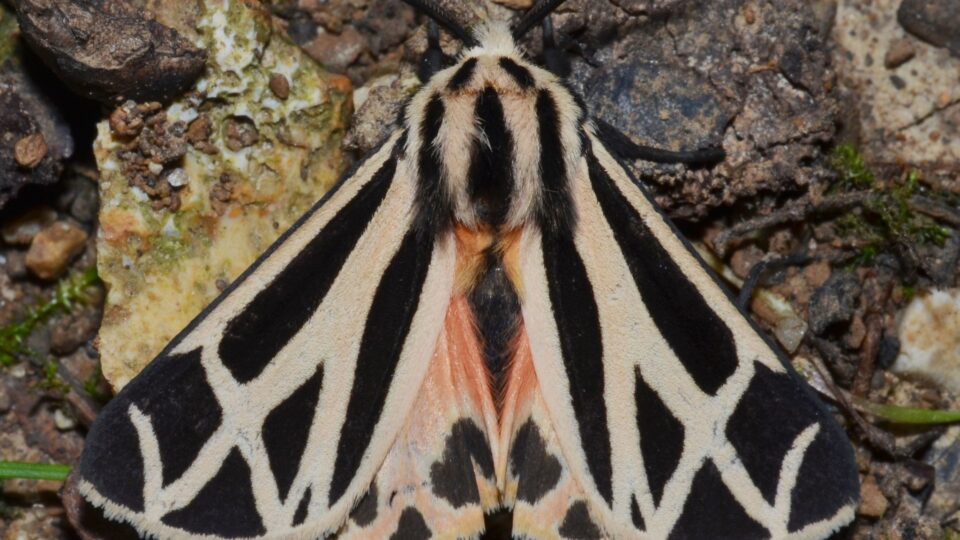
According to a new study recently published in the journal One Earth, 76% of insect species are not adequately covered by protected areas, including several critically endangered insects such as the dinosaur ant, crimson Hawaiian damselfly, and harnessed tiger moth. Alarmingly, the populations of 1,876 species do not overlap with protected areas at all.

Insects have been historically overlooked by conservation programs and need to be included in future conservation assessments. 

**********

Web Links

Protected areas fail to safeguard more than 75% of global insect species

Photo, posted August 21, 2014, courtesy of Andy Reago & Chrissy McClarren via Flickr.

Earth Wise is a production of WAMC Northeast Public Radio
Great Salt Lake In Danger | Earth Wise

March 20, 2023 By EarthWise Leave a Comment

Great Salt Lake is threatened by the changing climate

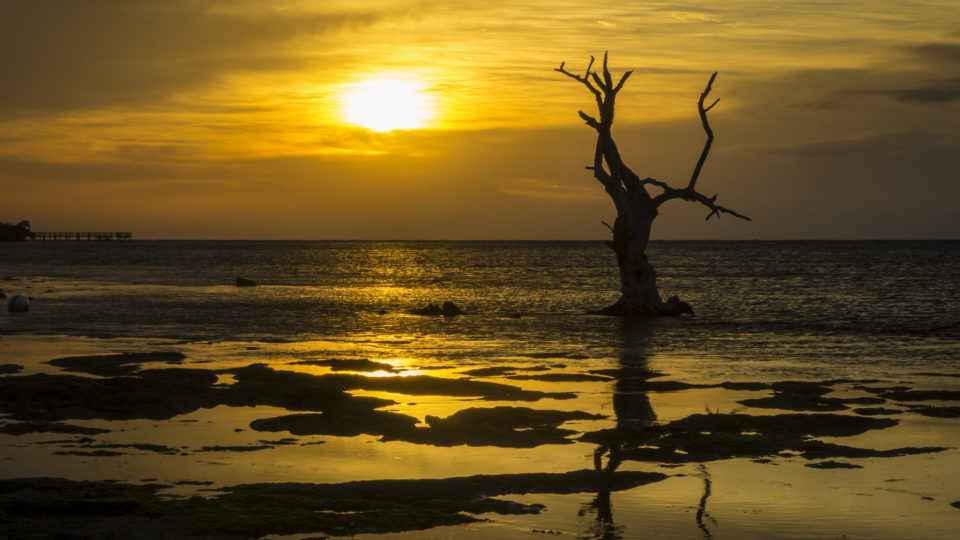
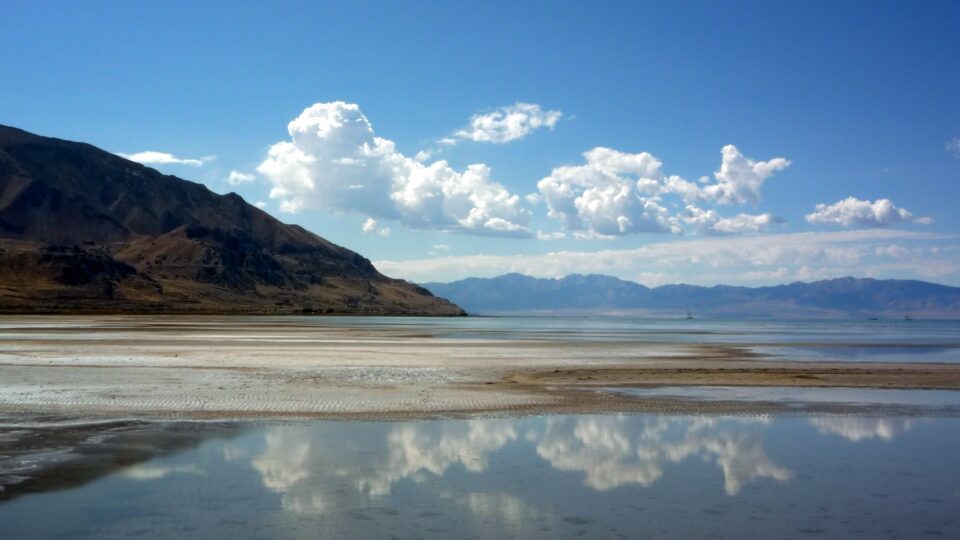
Utah’s Great Salt Lake has been plagued by excessive water use and extensive drought conditions.  As of January, the lake dropped to record-low water levels, losing 73% of its water and exposing 60% of its lakebed. According to scientists, the lake could disappear entirely within five years.

Great Salt Lake is what is known as a “terminal lake,” which means that it is fed only by rain, snow, and runoff and has no rivers that take water to the ocean.  As a result, salt and minerals build up over time.  With so much salt in the water, only brine flies and shrimp can survive in it.  The unique ecosystem supports 10 million migratory birds.  As the lake continues to dry up, the water is becoming too salty for even algae and microbes to survive.  With shallow mud replacing previous shallow water, the nests of the 80,000 white pelicans that annually come to the lake are endangered by predators that can simply walk over to the eggs.

The historic low water levels have exposed 800 square miles of lakebed.  This lakebed holds centuries of natural and manmade toxins like mercury, arsenic, and selenium.  The exposed mud ultimately turns to dust that is carried off into the air.  This is contributing to what is already some of the worst winter air pollution in the nation.  Scientists warn that the unfolding ecological disaster may become a human health disaster.

State officials and university researchers have formed a “Great Salt Lake Strike Team” looking for ways to get more water to the lake.  There are a number of so-called moonshot proposals to save the lake.  It remains to be seen what will be done, but the clock is ticking.

**********

Web Links

Great Salt Lake will disappear in 5 years without massive ‘emergency rescue,’ scientists say

Scientists fear a Great Toxic Dustbowl could soon emerge from the Great Salt Lake

Photo, posted September 19, 2009, courtesy of John Morgan via Flickr.

Earth Wise is a production of WAMC Northeast Public Radio
Heatwaves And Alpine Mountain Climbing | Earth Wise

August 25, 2022 By EarthWise Leave a Comment

From June to August, there were persistent heat waves affecting parts of Europe that caused wildfires, evacuations, and heat-related deaths.  Nearly 12,000 people died from heat stroke or other causes associated with the high temperatures.  The highest temperature recorded during this period was 116.6 degrees F in Pinhao, Portugal on July 14th.  The RAF base in Coningsby, Lincolnshire recorded a temperature over 104 degrees on July 19th, the highest ever recorded in the United Kingdom.

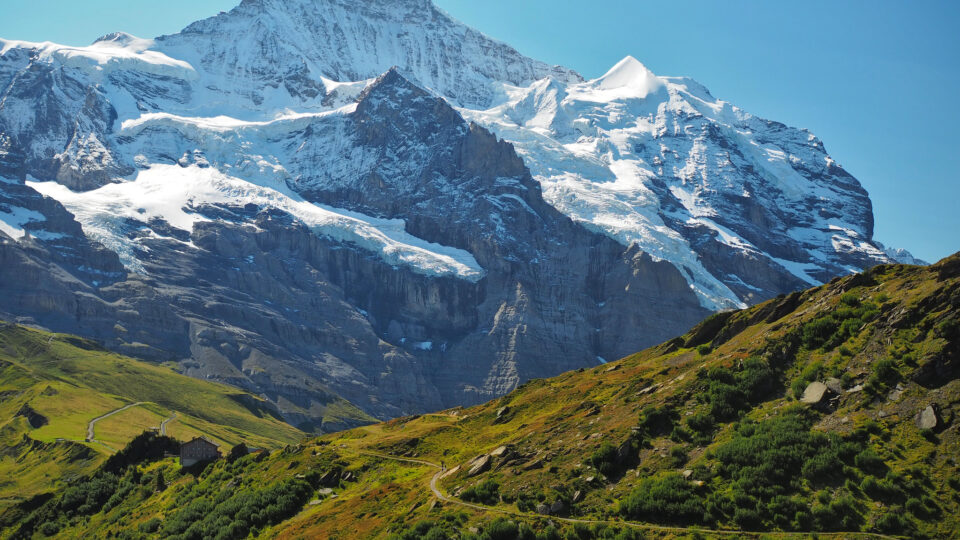
Among the effects of the multiple European heatwaves has been the cancellation of climbing tours up some of the most iconic peaks in the Alps, including Mont Blanc and the Matterhorn.  The high temperatures and rapidly melting glaciers have made the climbing routes too dangerous.  Overall, climbing cancellations occurred on about a dozen peaks, including the Jungfrau in Switzerland, which cancelled tours for the first time in a century.

In previous years, during warm summers, some of these climbing routes were closed in August, but the glaciers were already in a condition that usually only happens at the end of summer or even later.

The combination of heat and glacier melt can be treacherous.  In July, 11 people were killed at Italy’s Marmolada glacier by falling ice and rock.

Glacial melt in the Alps is rapidly accelerating.  The Forni Glacier, the largest valley glacier in Italy, has retreated two miles since 1860 and its area has shrunk by half.  Forecasts are that it will retain only 20% of its current volume by 2050 and may disappear entirely by the end of the century.  Half of the 4,000 glaciers in the Alps are expected to disappear by 2050.

**********

Web Links

European Heat Waves Force Closure of Classic Climbing Routes in Alps

Photo, posted September 4, 2020, courtesy of Dmitry Djouce via Flickr.

Earth Wise is a production of WAMC Northeast Public Radio.

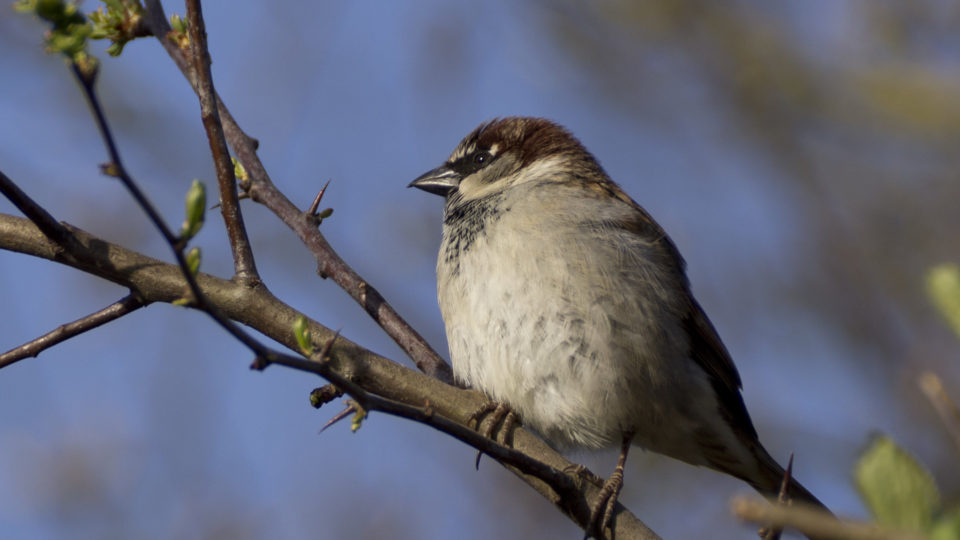
Birds Are Disappearing

October 16, 2019 By EarthWise 1 Comment

A new analysis, published in the journal Science, reports that the number of birds in the United States and Canada has fallen by 29% since 1970.  There are 2.9 billion fewer birds in the two countries now than there were 50 years ago.

The analysis is the most comprehensive attempt to date to look at the status of avian populations.  The results were a shock to researchers and conservation organizations.

It is well-known that some bird species have become vulnerable to extinction, but the new study, which surveyed more than 500 species, uncovered steep losses even among such traditionally abundant birds as robins and sparrows.

There appear to be multiple causes for the steep declines.  The largest ones are likely habitat loss and the wider use of pesticides.  Rachel Carson’s 1962 book Silent Spring warned of the dangers of pesticides and took its title from a world that has lost its birds.

The survey includes 76% of all bird species in the US and Canada, but actually represents almost the entire population of birds.  Grassland species have suffered the biggest declines by far, as a result of modern agriculture and development.  Pesticides, such as neonicotinoids, make it harder for birds to put on weight needed for migration, delaying their travel.

There are a few bright spots:  bald eagles are thriving, and falcon and waterfowl populations are on the upswing.  These are species that have been the subject of conservation measures in recent decades.

Stopping the bird decline will require a great deal of effort to defend habitats, restrict chemicals, and redesign buildings.  Without that effort, birds will continue to disappear.

**********

Web Links

Birds Are Vanishing From North America

Photo, posted April 1, 2012, courtesy of Barry Skeates via Flickr.

Earth Wise is a production of WAMC Northeast Public Radio.

Where Does The Plastic Go?

October 15, 2018 By EarthWise Leave a Comment

https://earthwiseradio.org/wp-content/uploads/2018/09/EW-10-15-18-Where-Does-Plastic-Go.mp3

The glut of plastic in the oceans is a global problem.  About 9 million tons of plastic enter the oceans each year.  Much of it is discarded fishing gear, plastic bags, and other macroscopic objects.  But a great deal of it is in the form of microplastics or small particles.  Some microplastics come from cosmetics and other products containing them but a lot of them are the result of larger plastic objects breaking down into small particles.

[Read more…] about Where Does The Plastic Go?

Could Coral Reefs Be Wiped Out?

August 8, 2017 By EarthWise

https://earthwiseradio.org/wp-content/uploads/2017/08/EW-08-08-17-Could-Coral-Reefs-Disappear.mp3

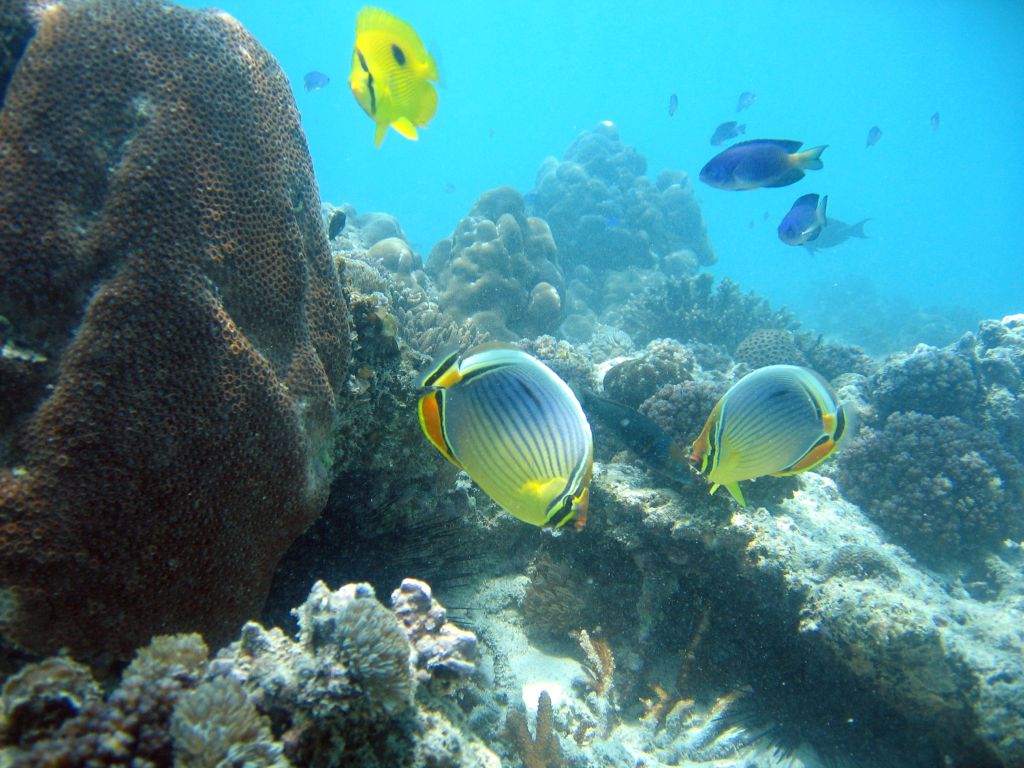
A new study warns that coral reefs are in danger of disappearing forever.  According to U.N. research, the world’s coral reefs could die out completely by mid-century unless carbon emissions are reduced enough to slow ocean warming.

[Read more…] about Could Coral Reefs Be Wiped Out?

Primary Sidebar

Recent Episodes

  • An uninsurable future
  • Clean energy and jobs
  • Insect declines in remote regions
  • Fossil fuel producing nations ignoring climate goals
  • Trouble for clownfishes

WAMC Northeast Public Radio

WAMC/Northeast Public Radio is a regional public radio network serving parts of seven northeastern states (more...)

Copyright © 2026 ·