• Skip to primary navigation
  • Skip to main content
  • Skip to primary sidebar

Earth Wise

A look at our changing environment.

  • Home
  • About Earth Wise
  • Where to Listen
  • All Articles
  • Show Search
Hide Search
You are here: Home / Archives for cyprus

cyprus

Sea turtles and climate change

March 24, 2025 By EarthWise Leave a Comment

Sea turtles face threats from climate change

Life is a struggle for survival from the moment a sea turtle hatches.  In fact, only one sea turtle out of every 1,000 typically reaches adulthood as a result of natural predators and other challenges.  Those fortunate enough to make it to adulthood face serious threats from humans. For example, sea turtles are hunted for their meat, eggs, and shells in some regions. Their beach habitats get developed. Harmful marine debris and oil spills pollute their waters and beaches.

Now, climate change is exposing sea turtles to even greater threats.  Rising sea levels and stronger storms threaten to erode and destroy their nesting beaches. Warming oceans disrupt currents, potentially exposing sea turtles to new predators, and damaging the coral reefs that some depend on to survive.

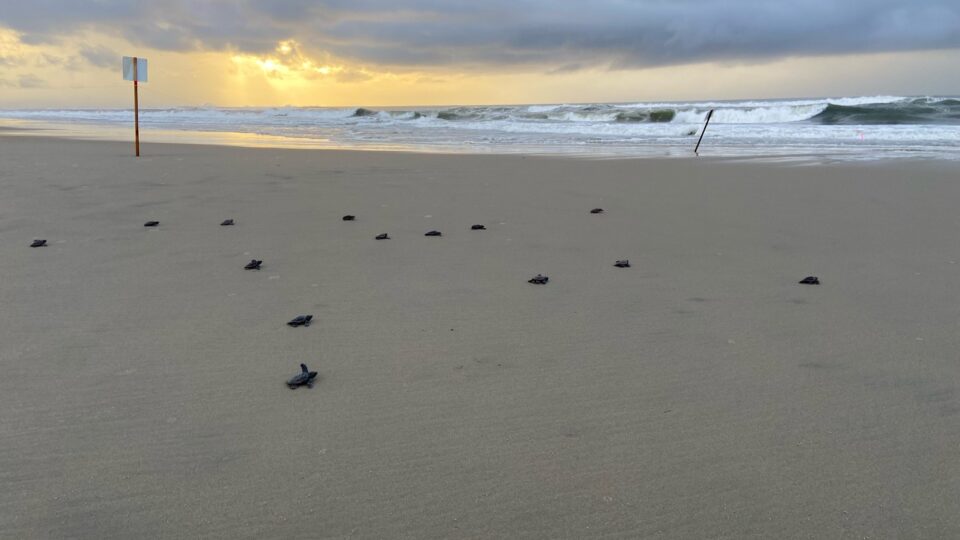
As these environmental challenges intensify, sea turtles are beginning to adapt in surprising ways.  According to a new study by researchers from the University of Exeter in England and the Society for the Protection of Turtles in Cyprus, sea turtles are responding to climate change by nesting earlier.  Researchers monitoring nesting green and loggerhead turtles in Cyprus have discovered they are returning to their regular nesting spots earlier each year to compensate for rising temperatures.

Temperature plays a crucial role in determining the biological sex of sea turtles.  Warmer nest temperatures produce more female hatchlings than males.

But at least for now, sea turtles seem to be doing enough to ensure their eggs continue to hatch by nesting earlier in more ideal temperatures.  While this is good news, there’s no guarantee that it will continue. 

**********

Web Links

Turtles change nesting patterns in response to climate change

Photo, posted December 20, 2021, courtesy of Cape Hatteras National Seashore via Flickr.

Earth Wise is a production of WAMC Northeast Public Radio
Mistaking Plastic For Food

September 27, 2019 By EarthWise Leave a Comment

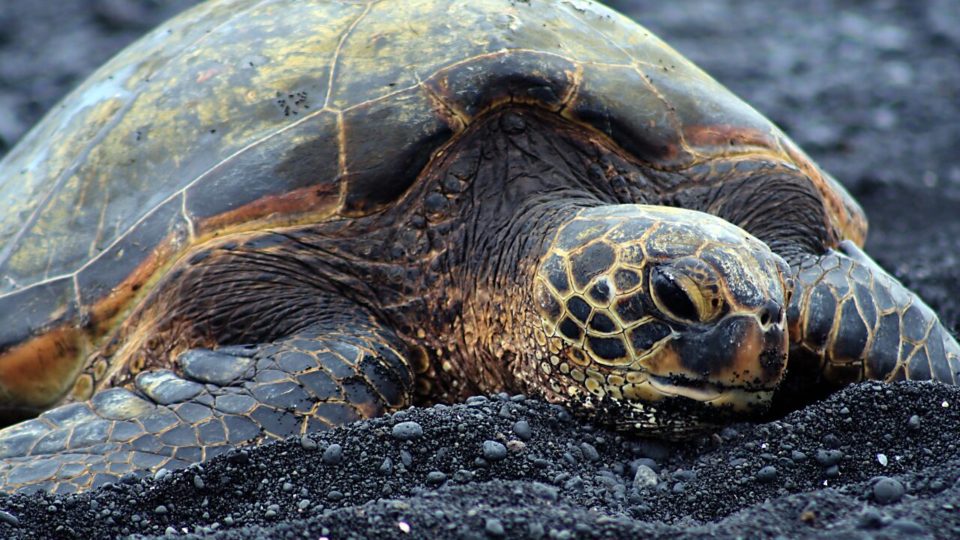
Green sea turtles are one of the world’s largest species of turtle, with some measuring close to four feet long and weighing up to nearly 300 pounds.  Their range extends throughout tropical and subtropical seas around the world, with the largest nesting populations found in Costa Rica and Australia. 

Green sea turtles get their name from the green layer of fat under their shell, as opposed to their shell itself, which can be brown, green, yellow, and/or black.  Scientists believe the green coloring of their fat is a result of their diet.  Unlike most other sea turtles, green sea turtles eat marine plants such as seaweed and seagrass.

But new research suggests that green sea turtles are also more likely to swallow plastic because it resembles their natural diet. The scientists from the University of Exeter and the Society for the Protection of Turtles who examined green sea turtles that washed up on beaches in Cyprus found they favored narrow lengths of plastic in natural colors (like green and black) as opposed to debris of other shapes and colors. 

Researchers were able to examine the full gastrointestinal tract of 19 green sea turtles.  They found pieces of plastic inside every one of them, with the number of pieces ranging from three to 183.  Smaller turtles tended to contain more plastic, possibly because they are less experienced or because diet choices change with age and size. 

Previous research has suggested that leatherback sea turtles also eat plastic that resembles their food: jellyfish. 

Researchers hope these findings will help motivate us to continue to work on reducing our overall plastic consumption and pollution.

***********

Web Links

Green turtles eat plastic that looks like their food

Photo, posted September, 2007, courtesy of Brock Roseberry via Flickr.

Earth Wise is a production of WAMC Northeast Public Radio.

Tourism And Greenhouse Gas Emissions

June 29, 2018 By EarthWise Leave a Comment

https://earthwiseradio.org/wp-content/uploads/2018/05/EW-06-29-18-Tourism-and-Greenhouse-Gas-Emissions.mp3

Tourism is a significant contributor to global gross domestic product.  Furthermore, it is growing at an annual rate of 4%, more than many other economic sectors.  There are many places around the world where it is the largest industry.  But until recently, there really wasn’t very good information about its carbon footprint.

[Read more…] about Tourism And Greenhouse Gas Emissions

Primary Sidebar

Recent Episodes

  • An uninsurable future
  • Clean energy and jobs
  • Insect declines in remote regions
  • Fossil fuel producing nations ignoring climate goals
  • Trouble for clownfishes

WAMC Northeast Public Radio

WAMC/Northeast Public Radio is a regional public radio network serving parts of seven northeastern states (more...)

Copyright © 2026 ·