• Skip to primary navigation
  • Skip to main content
  • Skip to primary sidebar

Earth Wise

A look at our changing environment.

  • Home
  • About Earth Wise
  • Where to Listen
  • All Articles
  • Show Search
Hide Search
You are here: Home / Archives for covid 19

covid 19

Street Trees And Depression | Earth Wise

February 25, 2021 By EarthWise Leave a Comment

Investigating the link between street trees and depression

According to a study published in the journal Jama Network Open last fall, the COVID-19 pandemic has tripled the rate of depression in U.S. adults in all demographic groups. 

Previous studies have demonstrated that greenspaces in urban areas can have a positive effect on those people experiencing mental ill health. But most of those studies used self-reporting measures, which makes it difficult to compare results and draw conclusions.

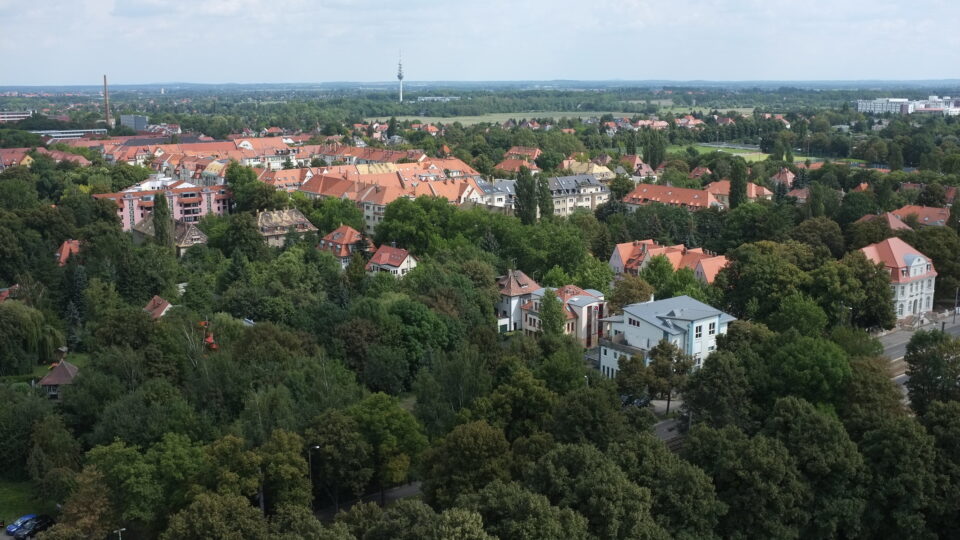
As a result, an interdisciplinary research team from three research organizations in Germany tried to improve upon the work by involving an objective indicator: prescriptions of antidepressants.  To figure out whether greenspaces – in this case street trees – could positively influence mental health, the researchers focused on how the number of street trees and their proximity to homes correlated to the number of prescribed antidepressants.

After analyzing data from nearly 10,000 people living in Leipzig, Germany, and combining the findings with data on city street trees, researchers were able to identify an association between antidepressant prescriptions and the number of street trees.  The results were controlled for other factors known to be associated with depression, such as employment, gender, age, and body weight.

Having more trees within 100 meters of the home was associated with a reduced risk of being prescribed antidepressants.  The association was especially strong for groups of people deprived of street trees. 

Street trees in urban cities can not only serve as a nature-based solution for good mental health, but they can also contribute to climate change mitigation and biodiversity conservation.

**********

Web Links

Street trees close to the home may reduce the risk of depression

Photo, posted August 17, 2011, courtesy of Aleksandr Zykov via Flickr.

Earth Wise is a production of WAMC Northeast Public Radio.
Global Decline In Wildlife | Earth Wise

October 14, 2020 By EarthWise Leave a Comment

global wildlife declining rapidly

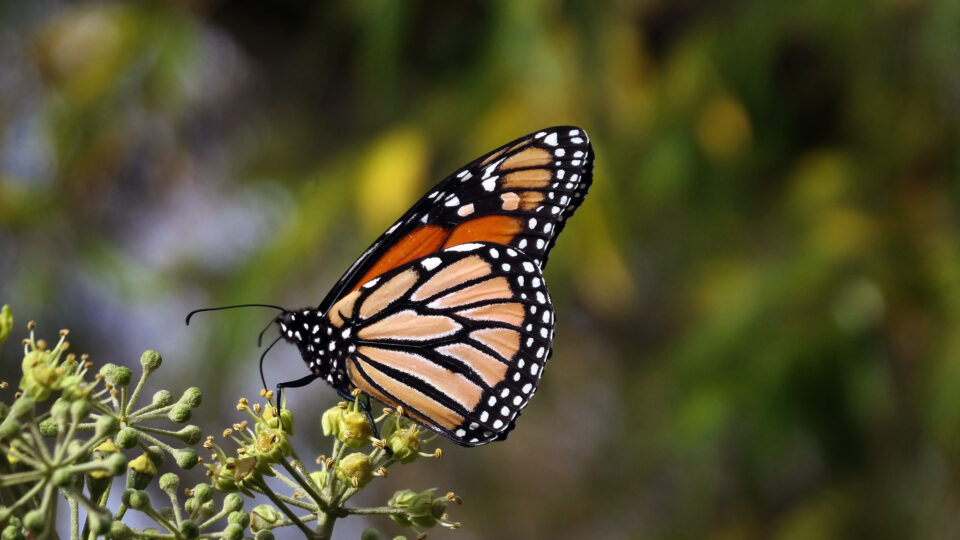
According to a new report released by the World Wildlife Fund, global populations of mammals, birds, amphibians, reptiles, and fish have declined by 68% in less than half a century. 

The report presents a comprehensive overview of the state of the natural world based on the tracking of almost 21,000 populations of more than 4,000 vertebrate species between 1970 and 2016. 

The report shows that the main cause of the dramatic decline in species populations on land is habitat loss and degradation, which includes deforestation driven by food production.  Additional factors include land-use change and the use and trade of wildlife.

Wildlife populations found in freshwater habitats have suffered a decline of 84%, which is the steepest decline in any biome.

Insect populations have declined rapidly in many places, but most of the information about insects comes from a small number of countries in the northern hemisphere.  There is very little information from large parts of the world, such as Africa, South America, and Asia, where land-use change and agricultural expansion are happening fast.  What happens to insects matters a lot to humanity.  Insects play central roles in the world’s ecosystems as waste processors, pollinators, predators, and prey. 

The report is clear evidence of the damage human activity is doing to the natural world.  Threats to the integrity of ecosystems endanger humans and all of nature.  This is especially apparent in the midst of a global pandemic.  It is now more important than ever to take coordinated global action to halt and reverse the loss of biodiversity and wildlife populations across the globe.

**********

Web Links

Living Planet Report reveals 68% decline in global wildlife populations since 1970

Photo, posted May 7, 2020, courtesy of Bernard Spragg via Flickr.

Earth Wise is a production of WAMC Northeast Public Radio.
Solar On Commercial Buildings | Earth Wise

September 17, 2020 By EarthWise Leave a Comment

commercial solar panels

The United States installed 3.6 gigawatts of photovoltaic solar capacity in the first quarter of this year to reach a total installed capacity of 81.4 GW.  That is enough to power about 16 million American homes.  More than 2/3 of that capacity has been installed during the past five years.  

There has been a boom in solar installations in recent years and, until the Covid-19 pandemic stuck, 2020 was expected to be the biggest year yet.  Now the unprecedented health, social, and economic conditions in our country creates great uncertainty in such forecasts.

Nevertheless, the opportunities for growth in solar power continue to be substantial.  A new report from the energy research firm Wood Mackenzie looked at the prospects for using the roof space of commercial buildings for solar power.

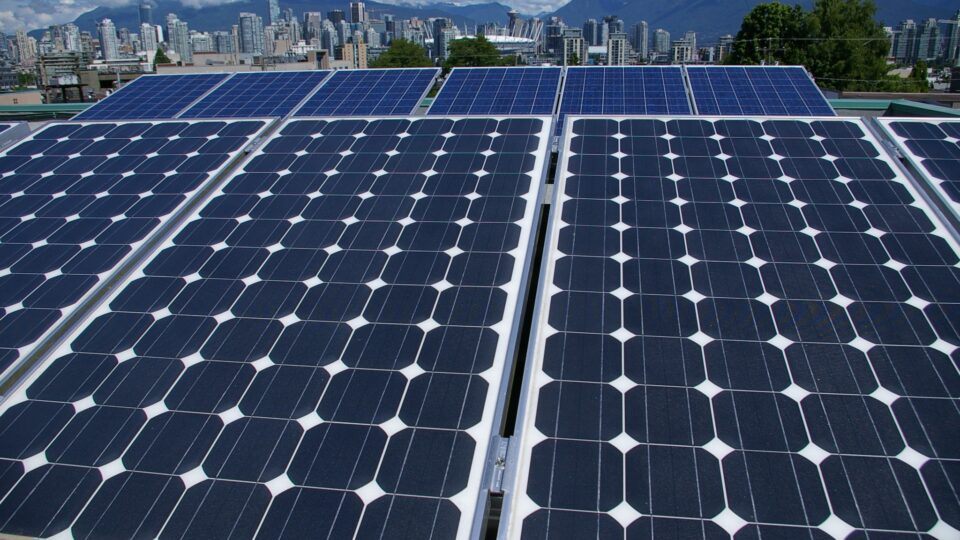
Currently, just 3.5% of commercial buildings in the U.S. have solar panels on their roofs.  Another 1% of those buildings are attached to solar projects located off-site.  The report looked at how many buildings are potential targets for solar projects.

After accounting for buildings that are too small or that use too little electricity to make solar power a worthwhile investment, the report estimated that 70% of commercial buildings in the U.S. – amounting to some 600,000 sites – are candidates for solar installations.  Doing this would provide 145 GW of new solar capacity, which is nearly twice as much as currently exists in this country. 

Commercial solar installations have their own unique logistical and financial challenges.  While utility solar can scale to lower costs and residential solar has financing opportunities, commercial solar has neither.  But ultimately, it represents an important opportunity for our future energy system.

**********

Web Links

U.S. Commercial Rooftops Hold 145 Gigawatts of Untapped Solar Potential

Photo, posted June 25, 2014, courtesy of Rob Baxter via Flickr.

Earth Wise is a production of WAMC Northeast Public Radio.
Monitoring Wildlife For Warning Signs of the Next Pandemic | Earth Wise

July 29, 2020 By EarthWise Leave a Comment

Monitoring wildlife to prevent the next pandemic

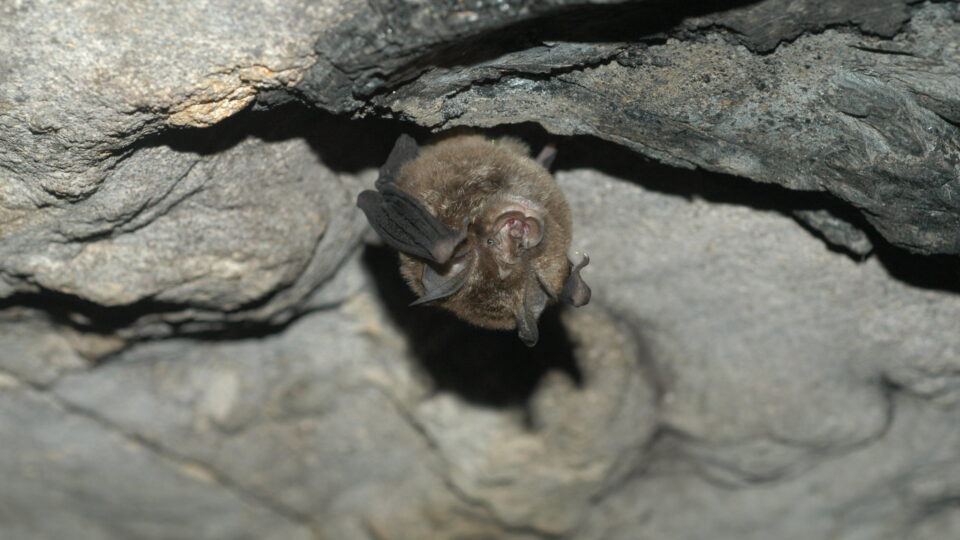
According to the World Health Organization, the coronavirus that causes COVID-19 likely originated in wild bats near Wuhan, China, and may have been passed to a second animal species before infecting people.  Since then, according to data from Johns Hopkins University, more than 13 million people around the world have been infected by COVID-19 and about 600,000 have died. 

But despite the ever-present threat of a new virus sparking the next pandemic, there is currently no global system to screen for viruses in wild animals that could eventually spill over to humans. 

In an article recently published in the journal Science, a group of scientists is calling for the creation of a decentralized global system of wildlife surveillance.  The establishment of this global system could help identify viruses in wild animals that have the potential to infect and sicken people before another global disease outbreak begins. 

According to the scientists, coronaviruses alone have caused outbreaks in humans three times in the last 20 years:  SARS (or Severe Acute Respiratory Syndrome), MERS (or Middle East Respiratory Syndrome), and COVID-19. 

While it’s impossible to know today how often viruses jump from animals to humans, human activity is making such spillover events more and more likely.  For instance, many continue to develop wild animal habitat to build new homes or businesses.  Some catch wild animals and re-sell them either for consumption or as exotic pets.  Parts from these wild animals are often shipped around the world as trinkets or as ingredients for traditional medicines. 

A global system that could identify potentially harmful viruses before they jump to humans is technologically feasible, affordable, and clearly necessary. 

**********

Web Links

COVID-19 Dashboard by the Center for Systems Science and Engineering (CSSE) at Johns Hopkins University (JHU)

Global wildlife surveillance could provide early warning for next pandemic

Photo, posted January 15, 2008, courtesy of Doug Beckers via Flickr.

Earth Wise is a production of WAMC Northeast Public Radio.

More Extreme Wildfire Seasons | Earth Wise

April 29, 2020 By EarthWise Leave a Comment

extreme wildfire seasons

According to a new study led by researchers at Stanford University, autumn in California feels more like summer now as a result of climate change, and this hotter and drier weather increases the risk of longer and more dangerous wildfire seasons.

The research team, whose work was recently published in the journal Environmental Research Letters, found that the frequency of extreme fire weather conditions in the fall in California has doubled since the early 1980s.  Average temperatures during the season have increased by more than 2 degrees Fahrenheit, and rainfall has fallen by approximately 30%.  The most pronounced warming has occurred in the late summer and early fall.  That finding means that tinder-dry conditions coincide with the strong “Diablo” and “Santa Ana” winds that are typical in California at this time of year.     

In recent years, these conditions have fed large and fast-moving wildfires across California.  The state’s two largest wildfires, two most destructive wildfires, and the most deadly wildfire all occurred during 2017 and 2018, resulting in more than 150 deaths and $50 billion in damage.

Because summertime has typically been peak fire season, the recent spate of autumn fires is putting a strain on firefighting resources and funding.  The ongoing COVID-19 pandemic could further strain emergency resources.  Since fire-prone regions have historically shared  wildfire-fighting resources throughout the year, the consequences of California’s extended wildfire season could have a global impact.  (For example, California’s recent autumn wildfires have coincided with the beginning of wildfires in Australia). 

The researchers highlight some opportunities to manage the intensifying wildfire risk in California, including limiting the trajectory of global warming in keeping with the targets identified in the United Nations’ Paris agreement.

**********

Web Links

Researchers forecast longer, more extreme wildfire seasons

Photo, posted September 12, 2019, courtesy of the California National Guard via Flickr.

Earth Wise is a production of WAMC Northeast Public Radio.

Primary Sidebar

Recent Episodes

  • An uninsurable future
  • Clean energy and jobs
  • Insect declines in remote regions
  • Fossil fuel producing nations ignoring climate goals
  • Trouble for clownfishes

WAMC Northeast Public Radio

WAMC/Northeast Public Radio is a regional public radio network serving parts of seven northeastern states (more...)

Copyright © 2026 ·