• Skip to primary navigation
  • Skip to main content
  • Skip to primary sidebar

Earth Wise

A look at our changing environment.

  • Home
  • About Earth Wise
  • Where to Listen
  • All Articles
  • Show Search
Hide Search
You are here: Home / Archives for contact

contact

Climate Change And The Next Pandemic | Earth Wise

May 26, 2022 By EarthWise Leave a Comment

Climate change could lead to the next pandemic

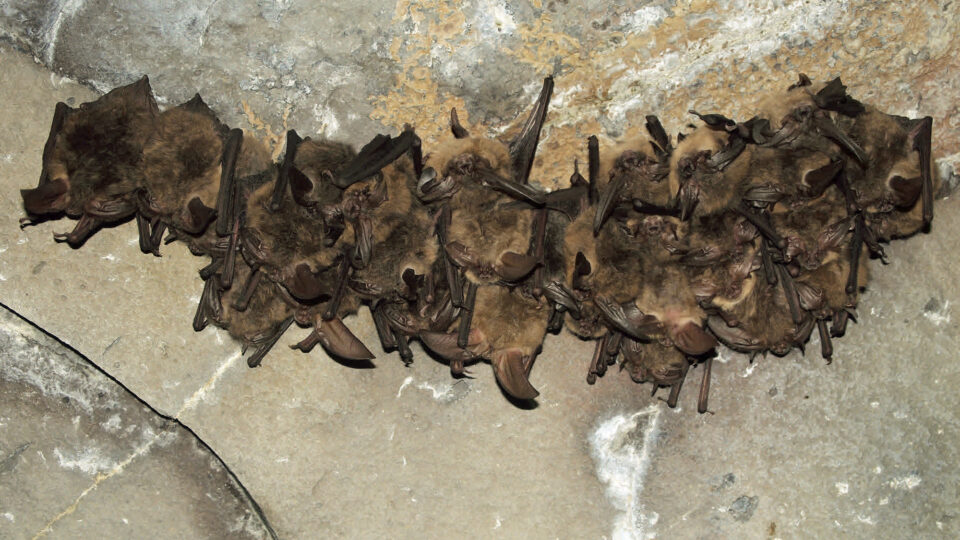
As the planet continues to heat up, animals big and small are moving towards the poles to escape the heat.  According to researchers, these animals are likely to come into contact with other animals that they normally wouldn’t, and are likely to relocate to regions with large human populations.  These factors create opportunities for pathogens to get into new hosts, which dramatically increases the risk of a viral jump to humans.  Climate change could lead to the next pandemic.      

An international research team led by scientists at Georgetown University recently made this connection between climate change and viral transmission.  In the study, which was recently published in the journal Nature, researchers conducted the first comprehensive assessment of how climate change will restructure the global mammalian virome.  Their work focused on geographic range shifts. 

As animals eccounter other animals for the first time, the study projects that they will share thousands of viruses.  And as animals increasingly move into the same areas as humans, there will be greater opportunities for these viruses to jump to humans.  The research team says that the impact on conservation and human health could be alarming as viruses jump between species at unprecedented rates. 

In our warming world, much of this process may unfortunately already be underway.  And efforts to reduce greenhouse gas emissions may not be enough to stop these events from unfolding. 

According to the study, climate change will become the biggest upstream risk factor for disease emergence, eclipsing deforestation, industrial agriculture, and the wildlife trade.  Pairing wildlife disease surveillance with real-time studies of environmental change may be part of the solution to predicting and preventing the next pandemic. 

**********

Web Links

Climate change could spark the next pandemic, new study finds

Coronavirus and Climate Change

Photo, posted October 16, 2014, courtesy of Shawn Thomas / NPS via Flickr.

Earth Wise is a production of WAMC Northeast Public Radio.
COVID-19 And The Wildlife Trade | Earth Wise

December 17, 2020 By EarthWise Leave a Comment

Disease outbreaks and the wildlife trade

Historically, many diseases have jumped from animals to people with serious consequences for the human host.  In fact, coronaviruses alone have caused outbreaks in humans three times in the past 20 years:  SARS, MERS, and COVID-19.  The majority of human pathogens that caused substantial damage to human health and economies during the past three decades have originated from wildlife or livestock.

According to a team of researchers from the University of Göttingen and other international institutions, more epidemics from animal hosts are inevitable unless urgent action is taken.  In order to help  protect against future pandemics, which could be even more severe than the current one, the researchers published a series of suggestions for governments to consider in the journal Trends in Ecology & Evolution.

The research team calls for governments around the world to establish effective legislation to do three things:  address the wildlife trade, protect habitats, and reduce the interaction between people, wildlife, and livestock. 

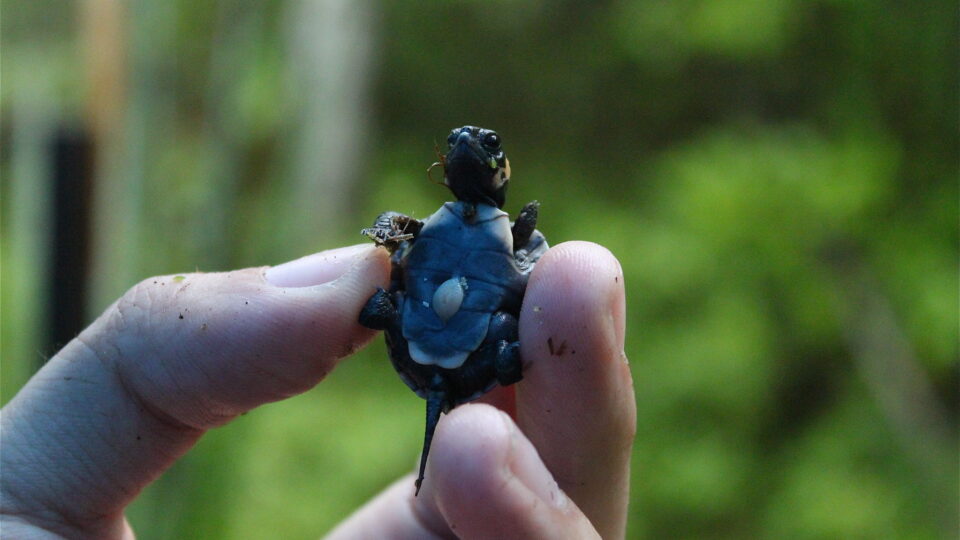
The wildlife trade and habitat fragmentation both facilitate disease outbreaks by increasing the potential for contact between humans and animals. Animals in wildlife markets are often kept in crowded and unsanitary conditions, which creates fertile breeding grounds for pathogens to jump to humans. Animals and humans are also forced closer together when natural habitats are cleared or otherwise fragmented in order to meet the various needs of a growing global population.  

Since the Covid-19 outbreak, China, Vietnam, and South Korea have introduced regulations to better manage the wildlife trade as well as support wildlife conservation.  According to the researchers, these actions serve as examples for other countries to consider.  The status quo isn’t good enough. 

**********

Web Links

COVID-19 highlights risks of wildlife trade

Photo, posted August 23, 2010, courtesy of the U.S. Fish and Wildlife Service Northeast Region via Flickr. Photo credit: Rosie Walunas/USFWS.

Earth Wise is a production of WAMC Northeast Public Radio.

Primary Sidebar

Recent Episodes

  • An uninsurable future
  • Clean energy and jobs
  • Insect declines in remote regions
  • Fossil fuel producing nations ignoring climate goals
  • Trouble for clownfishes

WAMC Northeast Public Radio

WAMC/Northeast Public Radio is a regional public radio network serving parts of seven northeastern states (more...)

Copyright © 2026 ·