• Skip to primary navigation
  • Skip to main content
  • Skip to primary sidebar

Earth Wise

A look at our changing environment.

  • Home
  • About Earth Wise
  • Where to Listen
  • All Articles
  • Show Search
Hide Search
You are here: Home / Archives for complications

complications

Farming the frozen north

November 28, 2023 By EarthWise Leave a Comment

Climate change may open new regions to agriculture

Agriculture is the primary cause of land-based biodiversity loss.  As the global population grows, agricultural production needs to keep pace.  Estimates are that production needs to double by 2050.  How this can be accomplished without doing further harm to the environment and biodiversity is extremely challenging.

Climate change adds further complications to the challenge.  As the climate warms in the middle latitudes, agricultural zones may need to shift northward to regions which have evolved to have more suitable climates.  This represents a very real threat to the wilderness areas of Canada, Russia, and Scandinavia.  These places represent a significant fraction of the world’s wilderness areas outside of Antarctica.

According to researchers at the University of Exeter in the UK, if the forces driving climate change are not diminished, over the next 40 years warming temperatures are expected to make more than 1 million square miles newly suitable for growing crops.  As cropland goes barren in areas that have warmed too much, northern wilderness could be turned over to farming.  The vital integrity of these valuable areas could be irreversibly lost.

The study, published in the journal Current Biology, also says that climate change will shrink the variety of crops that can be grown on 72% of the land that is currently farmed worldwide.  Given this situation along with the rising global population, it is essential that land be used more efficiently.  We can feed a larger population from the farmland we already have, but people need to reduce meat consumption, cut food waste, and grow crops suited to their local climate.

**********

Web Links

Warming Could Make Northern Wilderness Ripe for Farming, Study Finds

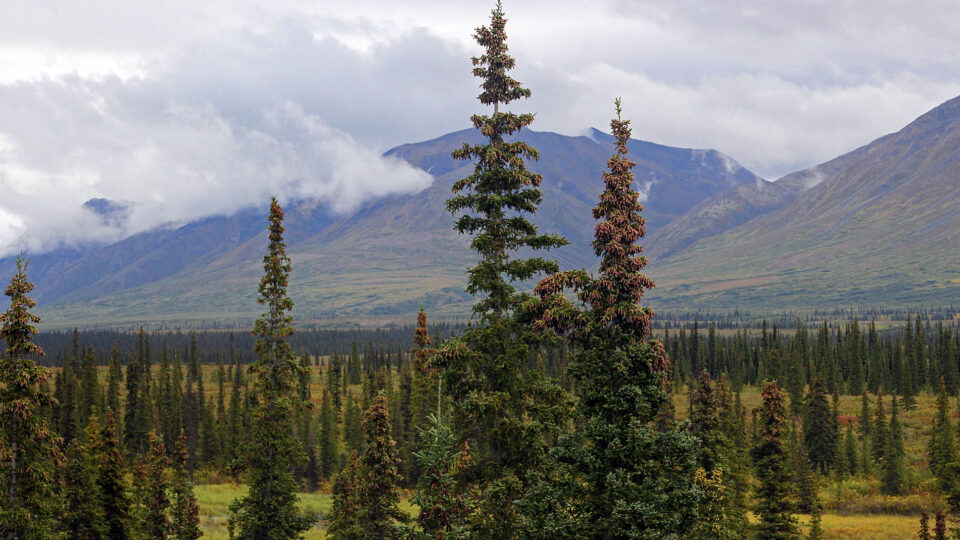
Photo, posted September 7, 2016, courtesy of Scott via Flickr.

Earth Wise is a production of WAMC Northeast Public Radio
Water For Arizona | Earth Wise

July 17, 2023 By EarthWise Leave a Comment

Arizona looking for creative solutions to solve its water crisis

The Phoenix area is the fastest growing region in the country.  Arizona’s two major sources of water – groundwater and the Colorado River – are dwindling from drought, climate change, and overuse.  Officials in the state are considering a radical plan to construct a desalination plant off the Mexican coast that will take the salt out of seawater, and then pipe that water hundreds of miles, much of it uphill, to Phoenix.

The project is the brainchild of the Israeli company, IDE, which is one of the world’s largest desalination companies.  IDE has asked Arizona to sign a 100-year contract to buy water from the project. 

There are multiple complications surrounding the plan.  Desalination plants are common in California, Texas, and Florida, and in more than 100 other countries.  But the Arizona project is unusual because of the distance involved and because the state is landlocked.  The water would have to travel 200 miles and climb 2,000 feet along the way.

There is also the issue of waste brine, which is a major output of desalination plants.  In this case, the brine would flood the northern Gulf of California, potentially threatening a productive fishery.  In addition, the pipeline, as well as electrical transmission lines, would have to go through the Organ Pipe Cactus National Monument, a UNESCO biosphere reserve.

The plant would be located in Puerto Peñasco, a struggling town with its own water problems.

With booming home construction going on in the Phoenix area, the need for more water continues to grow.  Whether this plan will be approved by Arizona and by Mexico remains to be seen.

**********

Web Links

Arizona, Low on Water, Weighs Taking It From the Sea. In Mexico.

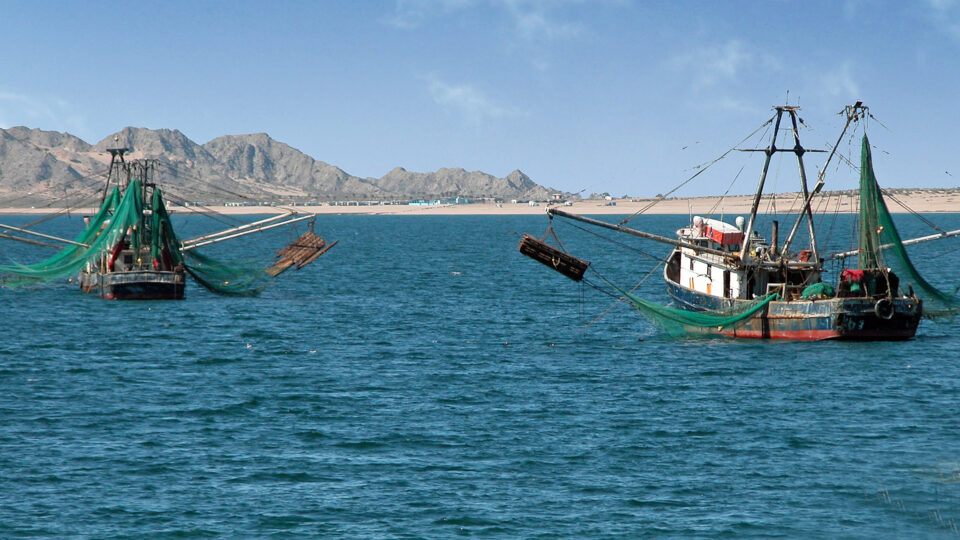
Photo, posted September 26, 2008, courtesy of Dan via Flickr.

Earth Wise is a production of WAMC Northeast Public Radio
Giant Wind Turbines | Earth Wise

October 19, 2021 By EarthWise Leave a Comment

Wind turbines are getting enormous

Wind turbines keep getting bigger and bigger.  The reason is that the power a wind turbine can theoretically generate is proportional to the disk-shaped area swept out by its blades.  So, the bigger the blades, the more power can be produced by a single turbine.

That being said, real-world turbines don’t achieve their theoretical power output because they have limitations on efficiency.  Things like rotor blade friction and drag, gearbox losses, and generator losses limit the actual power output of a turbine. 

Despite all of these things, the latest and greatest wind turbines are absolutely enormous and produce almost unbelievable amounts of power.  Chinese manufacturer MingYang Smart Energy has recently unveiled an 866-foot tall, 16-megawatt capacity offshore wind turbine.  This narrowly exceeds both the Vestas V236 Turbine announced earlier this year and GE’s Haliade-X Turbine, rated at 15 megawatts and 14 megawatts respectively.

The rotor diameter of the giant Chinese turbine is nearly 800 feet, set by its 387-foot blades that sweep out an area of nearly 50,000 square feet.  A single one of these turbines can generate 80,000 MWh of electricity in a year, enough to power more than 20,000 households.  (It boggles the mind to consider that just one rotation of the blades of such a turbine can power a couple of homes for an entire day).

Offshore wind farms choose the largest wind turbines in part because of the high cost of installing turbines and transporting the electricity.  It is preferable to build fewer turbines because fewer towers, cables, and ground anchoring systems need to be constructed, making the project less complicated.

**********

Web Links

This 264-meter tall offshore wind turbine is now the largest of its kind

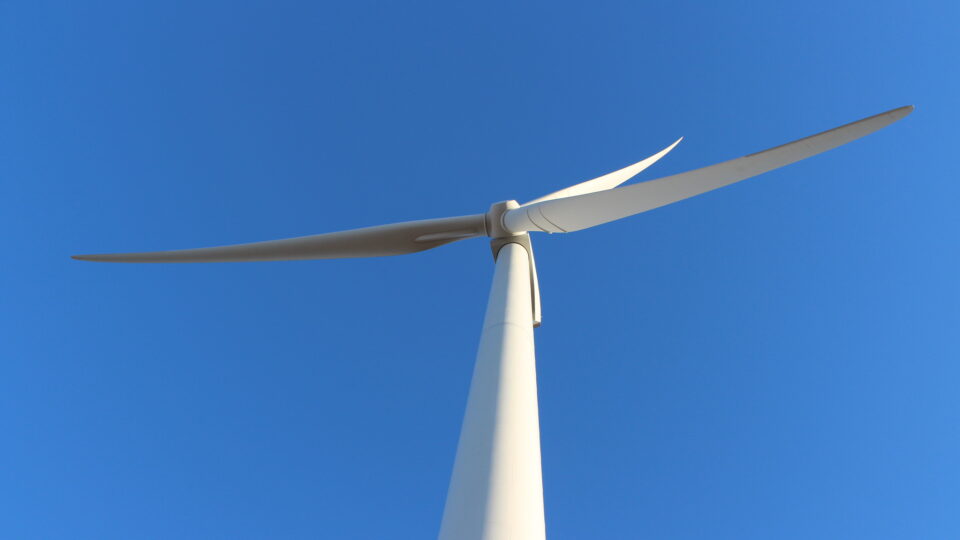
Photo, posted November 19, 2015, courtesy of Scott Flaherty / USFWS via Flickr.

Earth Wise is a production of WAMC Northeast Public Radio.

Invasion Of The Sea Pickles

August 22, 2017 By EarthWise

https://earthwiseradio.org/wp-content/uploads/2017/08/EW-08-22-17-Invasion-of-the-Sea-Pickles.mp3

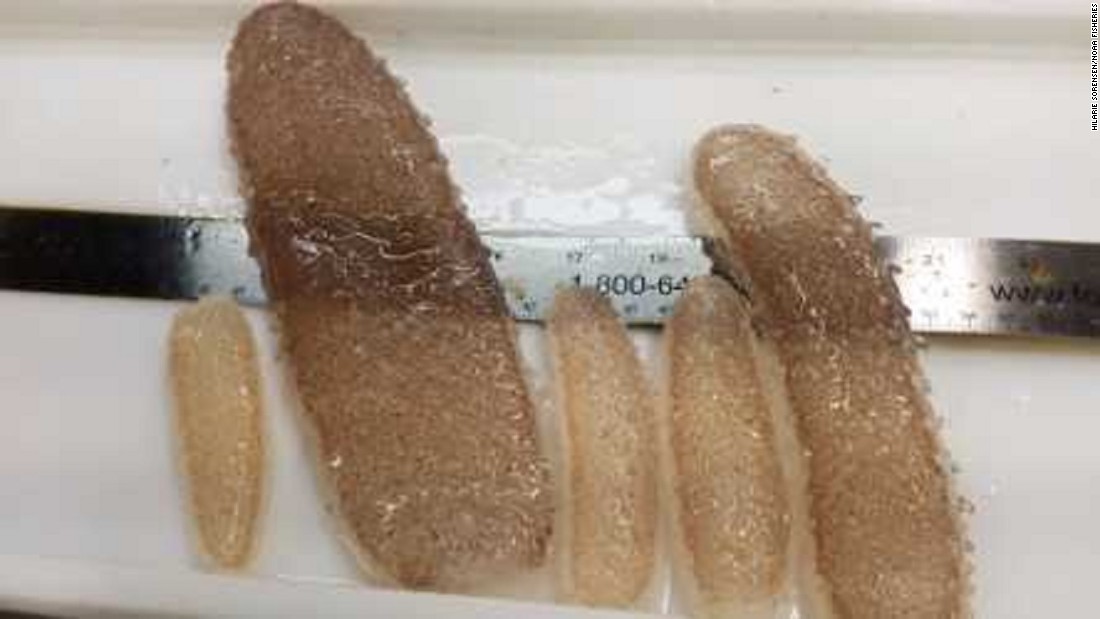
Sea pickles are translucent, tubular creatures that are usually found in tropical ocean waters.   Also known as pyrosomes, they are actually made up of many small multicellular organisms that are linked together in a tunic to form a tubelike colony that is closed on one end.

[Read more…] about Invasion Of The Sea Pickles

Primary Sidebar

Recent Episodes

  • An uninsurable future
  • Clean energy and jobs
  • Insect declines in remote regions
  • Fossil fuel producing nations ignoring climate goals
  • Trouble for clownfishes

WAMC Northeast Public Radio

WAMC/Northeast Public Radio is a regional public radio network serving parts of seven northeastern states (more...)

Copyright © 2025 ·