• Skip to primary navigation
  • Skip to main content
  • Skip to primary sidebar

Earth Wise

A look at our changing environment.

  • Home
  • About Earth Wise
  • Where to Listen
  • All Articles
  • Show Search
Hide Search
You are here: Home / Archives for commodity

commodity

Forest-based agroforestry

July 30, 2025 By EarthWise Leave a Comment

Exploring forest-based agroforestry as a natural climate solution

Tree plantings have become a go-to climate solution for governments and conservation groups due to the carbon-storing potential of trees.  While planting new trees on open farmland would help capture additional carbon, a new study led by scientists from Yale School of the Environment suggests a powerful alternative: forest-based agroforestry.

Instead of clearing land for crops or starting fresh with new trees, forest-based agroforestry (or FAF) brings agriculture into existing forests.  Think fruits, nuts, and medicinal plants, for example, grown sustainably under a forest canopy – all while maintaining biodiversity and storing carbon.

According to the researchers, human activity in forests is often seen as harmful. But for thousands of years, Indigenous and local communities have managed forests in ways that actually strengthen them.

The study, which was recently published in the journal Nature Climate Change, found that FAF not only rivals tree planting in terms of climate benefits, but it can also generate income and support cultural practices tied to the land.

Despite these benefits, forest-based agroforestry receives far less funding and policy support due to two key misconceptions. It’s frequently confused with industrial systems focused on global commodity crops, and results from tropical regions are wrongly assumed to apply to temperate and boreal forests.

The researchers recommend including FAF in agroforestry policies, clearly distinguishing it from harmful industrial practices, and expanding research on FAF in temperate and boreal regions to guide better land management.

Forest-based agroforestry appears to be a natural climate solution hiding in plain sight.

**********

Web Links

Agriculture in Forests Can Provide Climate and Economic Dividends

Photo, posted May 8, 2023, courtesy of Preston Keres / USDA Forest Service via Flickr.

Earth Wise is a production of WAMC Northeast Public Radio

Wasting less wastewater

July 17, 2025 By EarthWise Leave a Comment

Developing technologies to waste less wastewater

Ultra-pure water is essential for multiple industries, for example semiconductors, batteries, and pharmaceuticals, as well as food and beverage companies.  Such water is produced by various processes including desalination plants that use reverse osmosis.  The byproduct of the processing is industrial brine:  salty wastewater.

The brine produced by desalination is generally dumped into the ocean if the desalination plant is located at the seashore, but if the plant is inland, such as in places like Arizona, that isn’t an option.

Nestle runs a water desalinating plant near Phoenix that generates more than 50,000 gallons of brine every day.  Concentrated brines must be carefully managed and disposed of. 

Researchers at Arizona State University are developing a mobile, closed-loop water recovery demonstration system that aims to recover 50%-90% of previously unusable water from industrial brine and reduce the remainder to solid salt. 

The team’s approach involves pretreating Nestle’s brine to remove larger particles.  It then goes through a reverse osmosis process that results in a stream of high-quality water and a salty concentrate.  The salty concentrate goes through a special membrane that recovers even more pure water.  The highly concentrated brine is then dried and crystalized into a solid salt product.  Atmospheric water harvesters capture any remaining water vapor during the drying process.

In places like Arizona where freshwater is a scarce commodity, finding sustainable ways to separate water from salt is both a scientific challenge and an economic necessity.

**********

Web Links

Squeezing every last drop out of wastewater

Photo courtesy of the Global Center for Water Technology.

Earth Wise is a production of WAMC Northeast Public Radio
Soaring coffee prices

February 20, 2025 By EarthWise Leave a Comment

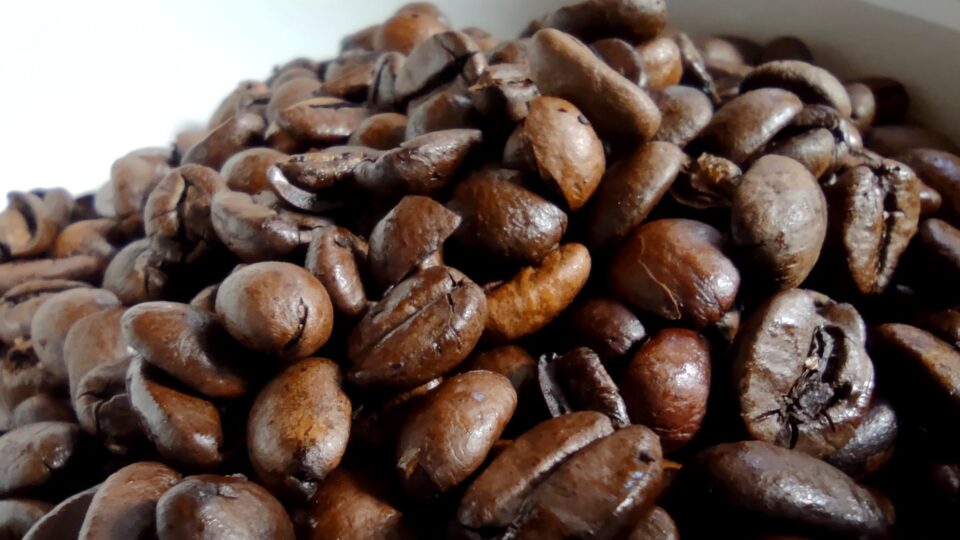
Coffee prices are soaring again

Wholesale coffee prices hit record highs in the midst of the Trump administration’s deportation and tariff dispute with Colombia.  But coffee prices have already been trading near 50-year highs for a while as a result of shortages related to extreme weather and increased global demand.

In recent years, repeated droughts and flooding have put pressure on the global supply of coffee.  These climate swings have caused prices to soar, much as they have for other staples like cocoa, olive oil, and orange juice.  All the while, the global demand for coffee has kept rising.

Coffee is one of the world’s most consumed beverages, but it can be grown only under very specific conditions, namely in misty, humid, and tropical climates, and in rich soil free of disease.   The United States imports nearly all of its coffee – there is only a small amount grown in Hawaii.  Otherwise, the US is the world’s largest coffee importer.  With a limited number of sources for the beans, global coffee prices are very susceptible to the effects of extreme weather.

More than half of the world’s coffee production comes from arabica beans, and Brazil is the largest exporter.  A severe drought there this summer devastated the harvest that typically runs from May to September.   In Vietnam, a severe drought followed by heavy rains harmed the world’s largest source of robusta, the second most popular coffee variety.

People tend to think of coffee as a commodity and not so much as an agricultural product, subject to the vagaries of weather and having prices that fluctuate accordingly.  The bottom line is that drinking coffee is likely to become a bigger strain on one’s own bottom line.

**********

Web Links

Why Coffee Prices Are Soaring (Again)

Photo, posted October 13, 2023, courtesy of Pete via Flickr.

Earth Wise is a production of WAMC Northeast Public Radio
Fossil-free fertilizer

November 9, 2023 By EarthWise Leave a Comment

A fossil fuel-free ammonia plant in Kenya

Ammonia is a major industrial commodity.  About 70% of it is used to make fertilizer, with the rest for a wide range of industrial applications.  Ammonia is the starting point for all mineral nitrogen fertilizers. 

Typically, ammonia is a byproduct of isolating hydrogen from natural gas, which releases large amounts of carbon dioxide.  On a global scale, the climate impact of ammonia production is comparable to that of air travel.  The world needs more ammonia but really cannot afford the emissions that come with its production.

There are also political implications of ammonia production.  Because it relies so heavily on natural gas, ammonia supply is vulnerable to disruptions from events like the Russian invasion of Ukraine.  Sanctions imposed after the invasion have hindered fertilizer exports, driving up costs, especially in places like Africa.

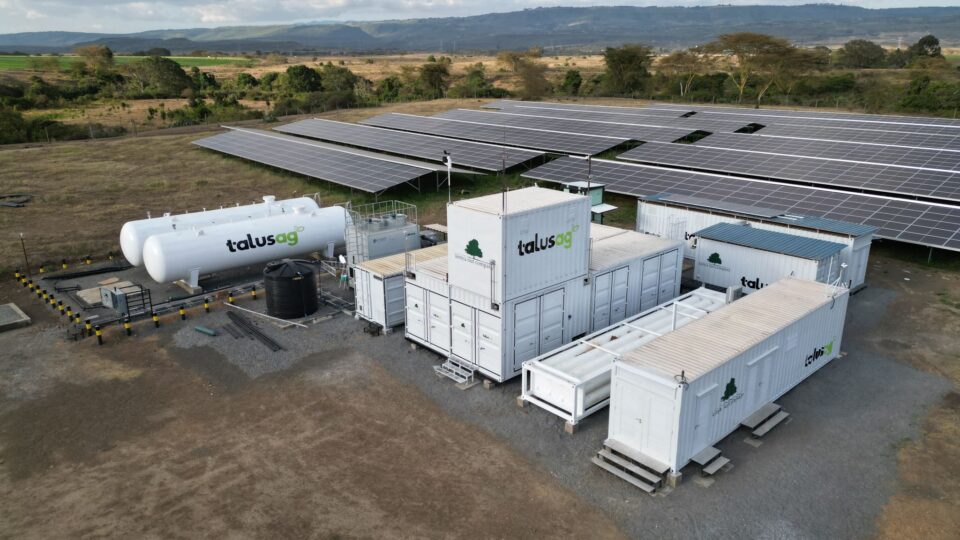
A small fertilizer plant near Nairobi, Kenya will be the first farm in the world to produce its own nitrogen fertilizer on site that is free of fossil fuels.  The plant is being built by an American startup company Talus Renewables and will use solar power to strip hydrogen from water.  The hydrogen will then bond with nitrogen from the air to form liquid ammonia.  The plant will produce one ton of ammonia each day.

The typical bag of fertilizer in sub-Saharan Africa travels 6,000 miles to get there, which of course only adds to the environmental burden of using it as well as its cost.  By building a small green ammonia plant like the one coming online in Kenya, it is possible to locally produce a critical raw material in a carbon-free manner.

**********

Web Links

Farm in Kenya First to Produce Fossil-Free Fertilizer On Site

Photo courtesy of Talus Renewables via LinkedIn.

Earth Wise is a production of WAMC Northeast Public Radio
Geologic Hydrogen | Earth Wise

October 20, 2023 By EarthWise Leave a Comment

Exploring geologic hydrogen

There is great interest in the potential use of hydrogen as a fuel or an energy storage medium.  Unlike hydrocarbon-based fuels, pure hydrogen combustion produces nothing but water as an emission.  But most hydrogen used at present is made by reforming natural gas, which is a process that results in carbon dioxide emissions.  Thus, the search goes on for cost-effective and energy-efficient ways to make “green hydrogen” that doesn’t result in greenhouse gas emissions.

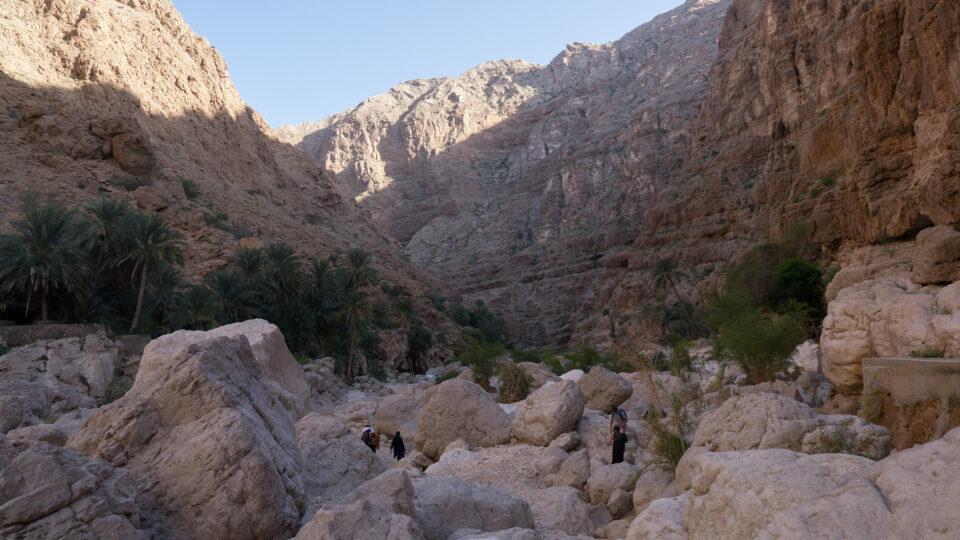
Researchers at Colorado University Boulder are investigating the potential effectiveness of coaxing hydrogen from subterranean rocks – a commodity known as geologic hydrogen.

When water mixes with iron-rich minerals deep in the earth’s crust, ensuing chemical reactions can generate pockets of hydrogen gas. 

The questions are whether it is possible to bring these deposits up to the surface without harming the environment or human communities in the process and whether they can be extracted in large enough quantities to meet growing global energy demands.

The Colorado researchers will conduct experiments both in the lab and hundreds of meters below the earth’s surface to see if it is possible to induce the subterranean rock to make more hydrogen than it normally does.  If the hydrogen-producing reactions can be accelerated, then geologic hydrogen could become a clean and abundant energy source.

Geologists have known about hidden underground deposits of hydrogen for a long time, but recent research has found that there may be a lot more of it than once thought.  According to a 2022 report by the US Geological Survey, there may be enough hydrogen below ground to supply humanity’s need for fuel for hundreds of years.

**********

Web Link

Can rocks produce abundant clean energy? New project to explore

Photo, posted December 26, 2013, courtesy of Juozas Šalna via Flickr.

Earth Wise is a production of WAMC Northeast Public Radio
The Blue Acceleration | Earth Wise

February 24, 2020 By EarthWise Leave a Comment

Human pressures on world's oceans show no sign of slowing

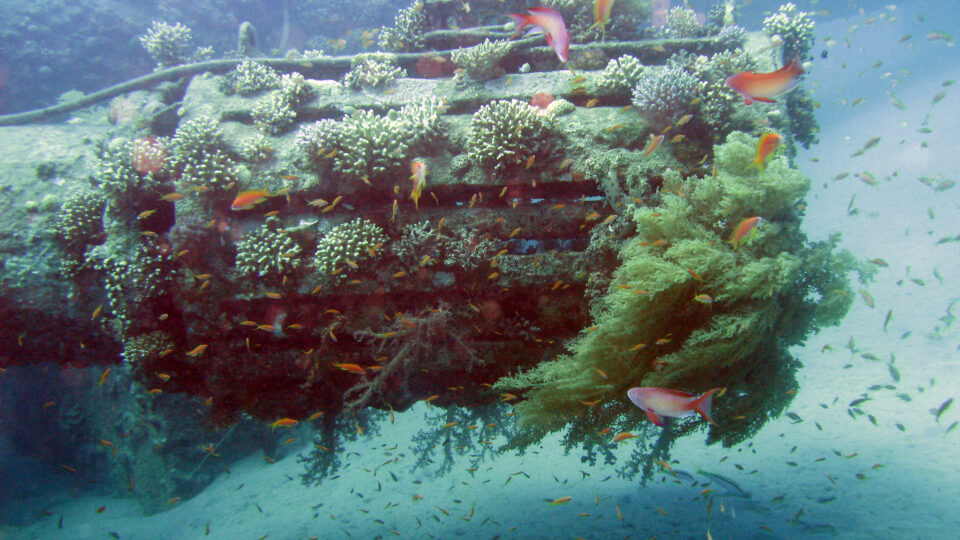
The oil and gas sector is the largest ocean industry.  It’s responsible for about one third of the value of the ocean economy.  Sand and gravel, destined for the construction industry, are the most mined minerals in the ocean.  And during the past 50 years, approximately 16,000 desalination plants have popped up around the world to help supply people with an increasingly scarce commodity: freshwater. 

As a result of these and other human pressures, the world’s oceans have suffered a lot over time.  But according to a comprehensive new analysis on the state of the ocean, human pressure on the world’s oceans, driven by a combination of technological progress and declining land-based resources, sharply accelerated at the start of the 21st century.  Scientists have dubbed this dramatic increase, which shows no signs of slowing down, the “Blue Acceleration.”

A  research team from Stockholm University analyzed 50 years of data from aquaculture, bioprospecting, shipping, drilling, deep-sea mining, and more.  Their findings were recently published in the journal One Earth.

While claiming ocean resources and space is not new, lead author Jean-Baptiste Jouffray from the Stockholm Resilience Centre says “the extent, intensity, and diversity of today’s aspirations are unprecedented.”

The researchers also highlight how not all human impacts on the ocean are negative.  For example, offshore wind farm technology has reached commercial viability allowing the world to reduce reliance on fossil fuels.

But how can the Blue Acceleration be slowed?  Since only a handful of multinational companies dominate sectors like the seafood industry, oil and gas exploitation, and bioprospecting, one idea is to have banks and other investors adopt more stringent sustainability criteria for making ocean investments. 

**********

Web Links

Human pressure on world’s ocean shows no sign of slowing

Photo, posted October 29, 2008, courtesy of Silke Baron via Flickr.

Earth Wise is a production of WAMC Northeast Public Radio.

Powering Africa With The Sun

December 3, 2018 By EarthWise Leave a Comment

https://earthwiseradio.org/wp-content/uploads/2018/12/EW-12-03-18-Powering-Africa-With-The-Sun.mp3

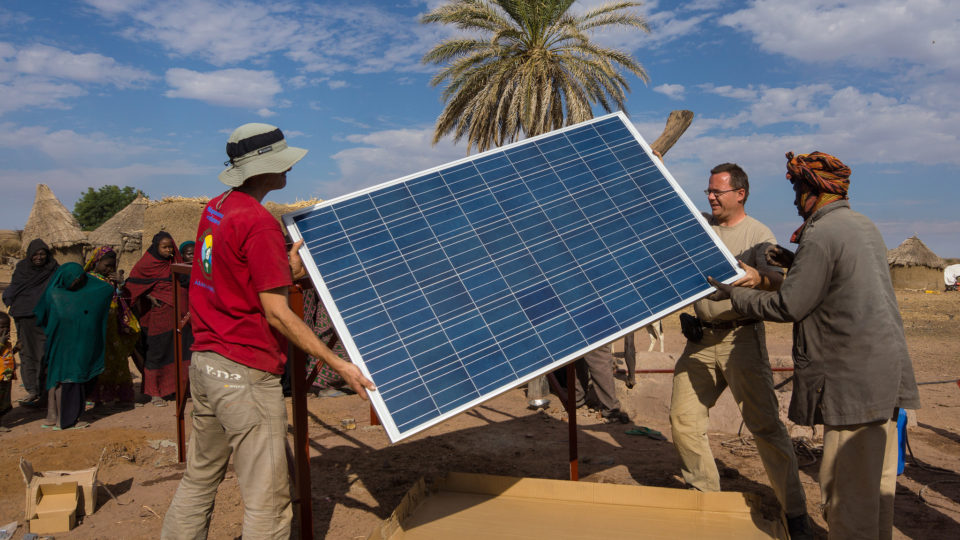
There are roughly 600 million people in sub-Saharan Africa who currently live without electric power.  Putting in the infrastructure to supply power to these people in their various countries has been a major economic and logistical challenge.

[Read more…] about Powering Africa With The Sun

A Giant Wind Farm for Oklahoma

April 3, 2018 By EarthWise Leave a Comment

https://earthwiseradio.org/wp-content/uploads/2018/03/EW-04-03-18-A-Giant-Oklahoma-Wind-Farm.mp3

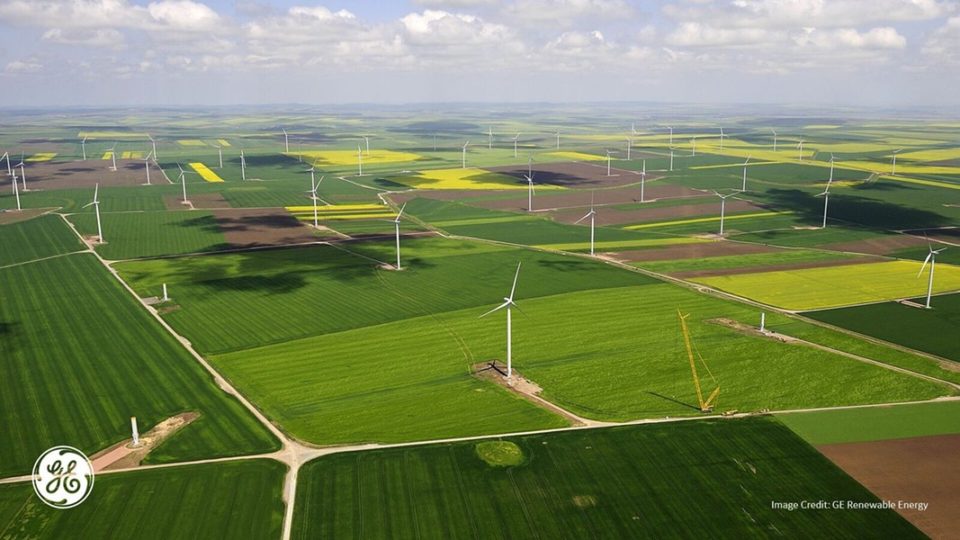
American Electric Power (AEP) is investing $4.5 billion to build the largest wind farm in the United States at a site in the Oklahoma panhandle.  Known as the Wind Catcher Energy Connection, the 2-gigawatt wind project will include 800 2.5-megawatt wind turbines built by General Electric.

[Read more…] about A Giant Wind Farm for Oklahoma

Storing Energy With Captured CO2

May 17, 2017 By EarthWise

https://earthwiseradio.org/wp-content/uploads/2017/04/EW-05-17-17-Storing-Energy-with-Captured-CO2.mp3

Capturing carbon dioxide instead of releasing it into the atmosphere is a way we can use fossil fuels without it having harmful effects on the climate.  Energy storage is a way to address the volatility of clean energy sources like wind and solar power.  Excess energy stored during peak production can be used when production ceases, such as when the sun is not shining or the wind is not blowing.

[Read more…] about Storing Energy With Captured CO2

Primary Sidebar

Recent Episodes

  • An uninsurable future
  • Clean energy and jobs
  • Insect declines in remote regions
  • Fossil fuel producing nations ignoring climate goals
  • Trouble for clownfishes

WAMC Northeast Public Radio

WAMC/Northeast Public Radio is a regional public radio network serving parts of seven northeastern states (more...)

Copyright © 2025 ·