• Skip to primary navigation
  • Skip to main content
  • Skip to primary sidebar

Earth Wise

A look at our changing environment.

  • Home
  • About Earth Wise
  • Where to Listen
  • All Articles
  • Show Search
Hide Search
You are here: Home / Archives for clock

clock

Hope for white rhinos

February 28, 2024 By EarthWise Leave a Comment

New hope for the northern white rhinos

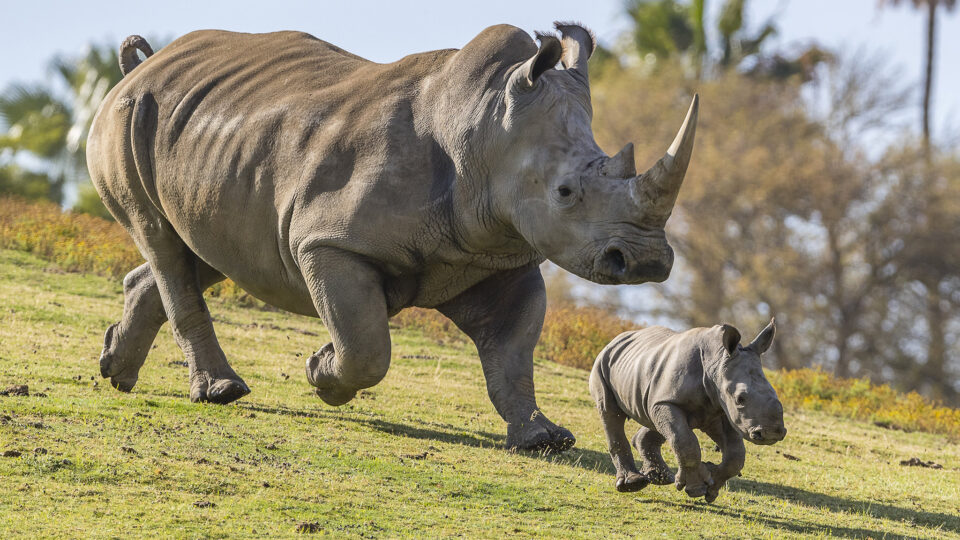
There are only two northern white rhinos left in the world, and both of them are female.  The last male died in 2018. Northern white rhinos live to about 40 and one of the two remaining is 35 and the other 24.  The clock is ticking for the species.

Recently, scientists with the BioRescue consortium successfully used in vitro fertilization to impregnate a southern white rhino.  It was the world’s first IVF rhino pregnancy.

There is now some hope that IVF could be used to produce more northern white rhinos.  For various medical reasons, neither of the remaining two female rhinos can serve as a surrogate mother.  But there is a plan B.

For a number of years, BioRescue has been creating northern white rhino embryos with eggs from the remaining females and sperm that was collected from males before they died.  There are now 30 northern white rhino embryos in cold storage, and they are continuing to produce more.

The recent success with the southern white rhino IVF provides hope that southern white rhino females can act as surrogate mothers with implanted northern white rhino embryos.  The species are similar enough that it should work.

The plan is to select surrogates and implant them.  This should happen this year.  A rhino pregnancy lasts 16 months.  If this is successful, there could be northern white rhino babies in two or three years.  The scientists want the offspring to live with the surviving northern whites for years to learn the social behavior of its kind.

It is possible that these gentle, hulking creatures may get a new lease on life.

**********

Web Links

Just two northern white rhinos are left on Earth. A new breakthrough offers hope

Photo, posted September 16, 2017, courtesy of San Diego Zoo Safari Park via Flickr.

Earth Wise is a production of WAMC Northeast Public Radio
Record Heat In The Arctic | Earth Wise

January 13, 2021 By EarthWise Leave a Comment

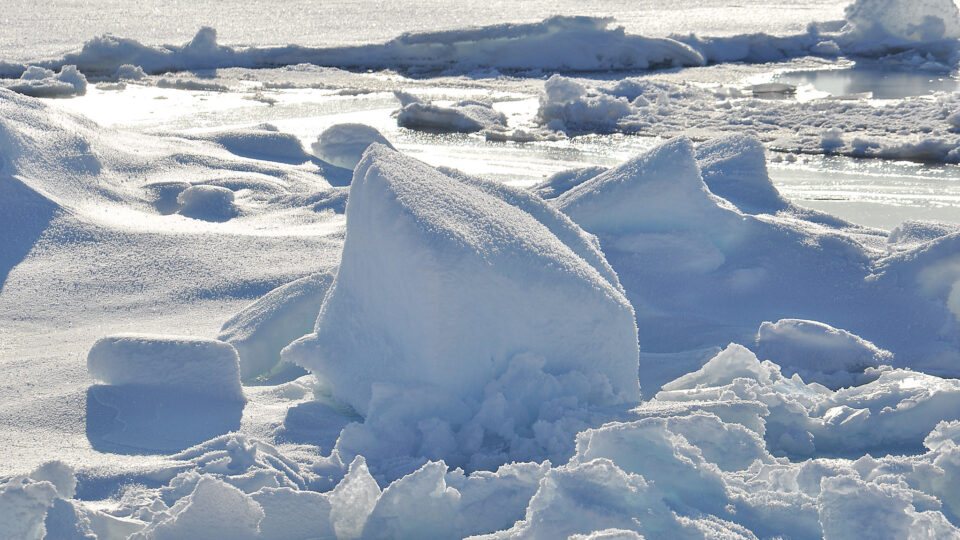
Heat in the Arctic is breaking records

By mid-November, the Arctic stays dark around the clock and twilight does not return until the end of January.  But even as winter darkness descended upon the Arctic this year, record-breaking high temperatures in the region continued.  In late November, temperatures across the entire Arctic basin were 12 degrees Fahrenheit above normal and some locations saw temperatures as high as 30 degrees above normal.

The entire summer and fall in the Arctic were characterized by exceptionally warm temperatures.  In June, the Siberian town of Verkhoyansk – located north of the Arctic Circle – registered a high temperature of 100.4 degrees.  The refreezing of the Arctic Ocean was greatly delayed this year.  The Northeast Passage along the Siberian Coast remained navigable for a record 112 days before freezing in November, breaking the previous record by more than a month.  The extent of sea ice covering the Arctic Ocean in October was the lowest ever recorded for that month.

The strongest warming occurring in the Arctic is during the fall.  That is because rapidly disappearing sea ice is enabling the dark waters of the Arctic Ocean to absorb heat in the summer and then radiate it back into the atmosphere until late in the fall.  The Arctic region is heating up three times faster than the rest of the planet, which has led to the volume of sea ice decreasing by 2/3 in the past 40 years.

According to researchers, the extreme heat in Siberia this year would have been virtually impossible without human-caused climate change and became 600 times more likely because of human emissions of greenhouse gases.

**********

Web Links

Record-shattering Warmth Pushes Arctic Temperatures to 12 Degrees F Above Normal

Photo, posted September 1, 2009, courtesy of the U.S. Geological Survey via Flickr. Photo Credit: Patrick Kelley, U.S. Coast Guard.

Earth Wise is a production of WAMC Northeast Public Radio.

Primary Sidebar

Recent Episodes

  • An uninsurable future
  • Clean energy and jobs
  • Insect declines in remote regions
  • Fossil fuel producing nations ignoring climate goals
  • Trouble for clownfishes

WAMC Northeast Public Radio

WAMC/Northeast Public Radio is a regional public radio network serving parts of seven northeastern states (more...)

Copyright © 2026 ·