• Skip to primary navigation
  • Skip to main content
  • Skip to primary sidebar

Earth Wise

A look at our changing environment.

  • Home
  • About Earth Wise
  • Where to Listen
  • All Articles
  • Show Search
Hide Search
You are here: Home / Archives for cash

cash

A recycling lottery

July 18, 2025 By EarthWise Leave a Comment

Getting people to recycle isn’t always easy.  The bottled beverages we buy at the supermarket often require a small deposit that we can get back by recycling the bottle, but often, we just don’t.

Researchers from the University of British Columbia tested the idea of giving people returning bottles a small chance of winning a big cash prize instead of a 10-cent deposit return.  The result was that people recycled 47% more bottles.

Changing how we reward recycling made a big difference.  When given a choice between a guaranteed return and a possible large reward, many chose the lottery option.  When people were randomly assigned to one type of reward or the other, those in the lottery group brought in almost three bottles for every two returned by the other group.

This isn’t a new idea.  Norway has a recycling lottery, and their bottle return rate is close to 100 percent.  The way it works there is there are reverse vending machines in grocery stores all over the country.  The revenues generated by the machines is split in four ways:  34.5% of the gross revenue goes to the Red Cross; 35% goes to the people who bring in their bottles in the form of winnings in the lottery; 9.75% goes to the stores for managing the machines and the lottery; and 10.75% goes to the operating company of the Recycling Lottery.

The Canadian experiments demonstrate that a recycling lottery could be effective in more places than Norway.  However, it shouldn’t completely replace the guaranteed refund option, since some people depend on it for income.

**********

Web Links

How lottery-style bottle returns could transform recycling

Photo, posted July 9, 2011, courtesy of Mr.TinMD via Flickr.

Earth Wise is a production of WAMC Northeast Public Radio
Electric Cars And Apartments | Earth Wise

July 10, 2023 By EarthWise Leave a Comment

Lack of charging options for people who rent hinder wider electric vehicle adoption

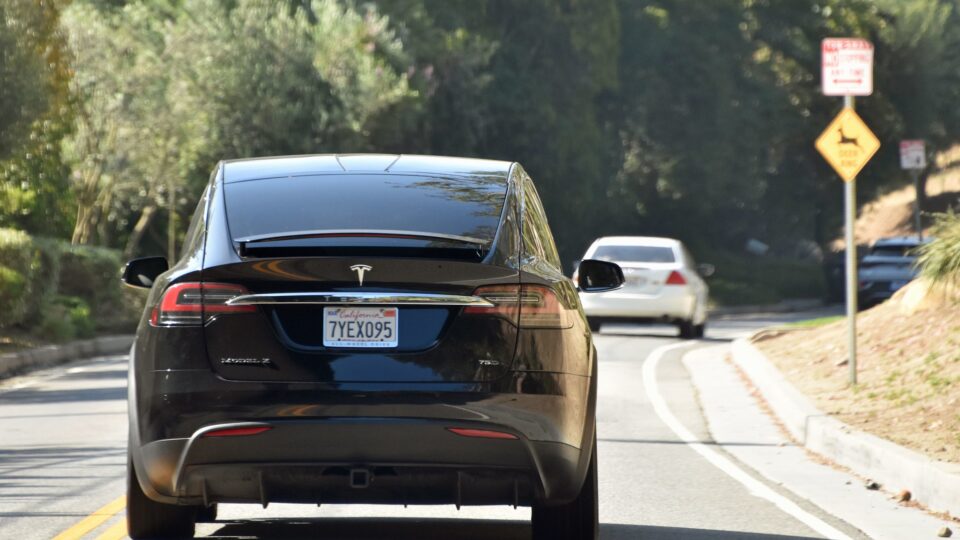
The transition to electric cars is underway.  People are increasingly buying them, carmakers are switching over to making them, and governments are providing incentives as well as legislating the changeover.  More and more consumers want to lower their carbon footprints and stop burning fossil fuels.  But one very large group of consumers faces an uphill battle in switching to electric cars:  people who rent their dwellings.

About one third of our country lives in rented apartments or houses.  These nearly 110 million Americans are more likely to be in the bottom half of income and net worth and are more likely to be people of color.  These people are less likely to have the spare cash to make upgrades to their property such as car chargers and may not be able to get permission from their landlords to do it anyway.

Renters face what is known as the “split-incentive problem” or the “landlord-tenant problem.”  Three-quarters of tenants in the US pay their own utility bills, so they have a strong incentive to conserve electricity, water, and gas.  Their landlords, on the other hand, have little incentive to upgrade appliances and systems to be more environmentally responsible.  Studies have shown that on average renters use 3% more energy than homeowners for this reason.

There are some landlords who are being proactive and installing facilities for charging cars on their properties.   This will undoubtedly become an increasingly sought-after feature for renters.  But in the meantime, millions of them have a more difficult time driving electric cars.  They can charge at public chargers or perhaps at work.  But at the moment, homeowners are three times more likely than renters to own an electric car.

**********

Web Links

The coming battle between Americans who want to go electric and their landlords

Photo, posted July 22, 2022, courtesy of Chris Yarzab via Flickr.

Earth Wise is a production of WAMC Northeast Public Radio
Turning Pollution Into Cash | Earth Wise     

April 22, 2022 By EarthWise Leave a Comment

Developing ways to turn pollution into cash

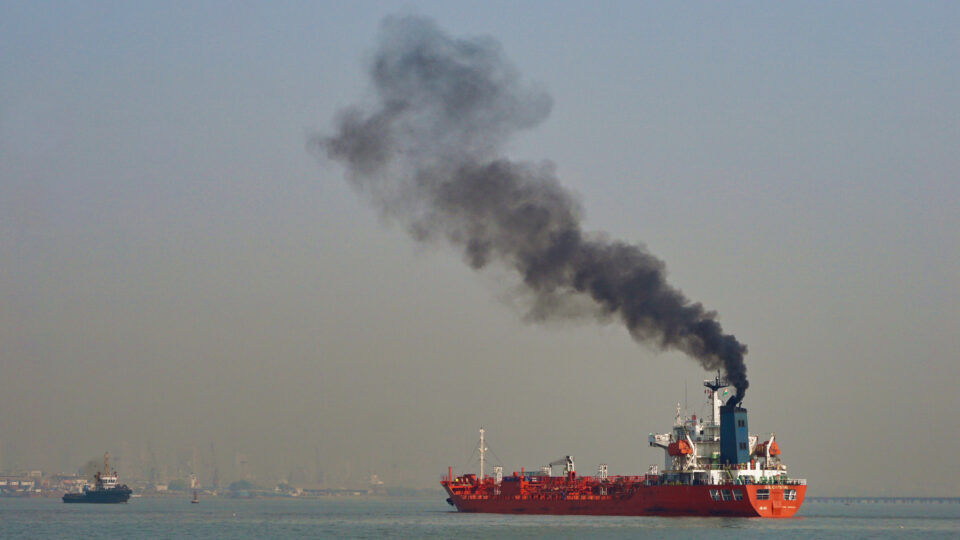
Power plants and other industrial facilities are a major source of carbon emissions.  There are a variety of techniques under development to prevent those emissions by capturing them rather than releasing them into the atmosphere.  All of them add costs to the functioning of the facility.  A good way to offset those costs is to convert the emissions into useful products, ideally making it profitable to capture emissions.

Engineers at the University of Cincinnati have developed an electrochemical system that converts carbon dioxide into ethylene, which is a chemical used in a wide range of manufacturing.  Ethylene has sometimes been called “the world’s most important chemical”.  It is used in many kinds of plastics, textiles, and the rubber found in tires and insulation. It is also used in heavy industry such as steel and cement plants as well as in the oil and gas industry.

The Cincinnati process is a two-stage cascade reaction that converts carbon dioxide to carbon monoxide and then into ethylene.  It is based on the underlying principle of the plug-flow reactor that is used for variety of production applications.  The study, published in the journal Nature Catalysis, demonstrates that the process has high ethylene selectivity – meaning that it effectively isolates the desired compound – as well as high productivity – meaning that it makes a lot of it.  The system will take more time to become truly economical, but the researchers are continuing to make progress on that front with improved catalysts.

The researchers believe that this technique can reduce carbon emissions and make a profit doing it.  Power plants and other facilities emit a lot of carbon dioxide.  With this process, it may be possible to capture it and produce a valuable chemical.

**********

Web Links

Conversion process turns pollution into cash

Photo, posted February 27, 2018, courtesy of Cyprien Hauser via Flickr.

Earth Wise is a production of WAMC Northeast Public Radio.

Record Low Ice In The Bering Sea | Earth Wise

January 30, 2020 By EarthWise Leave a Comment

ice melts global warming

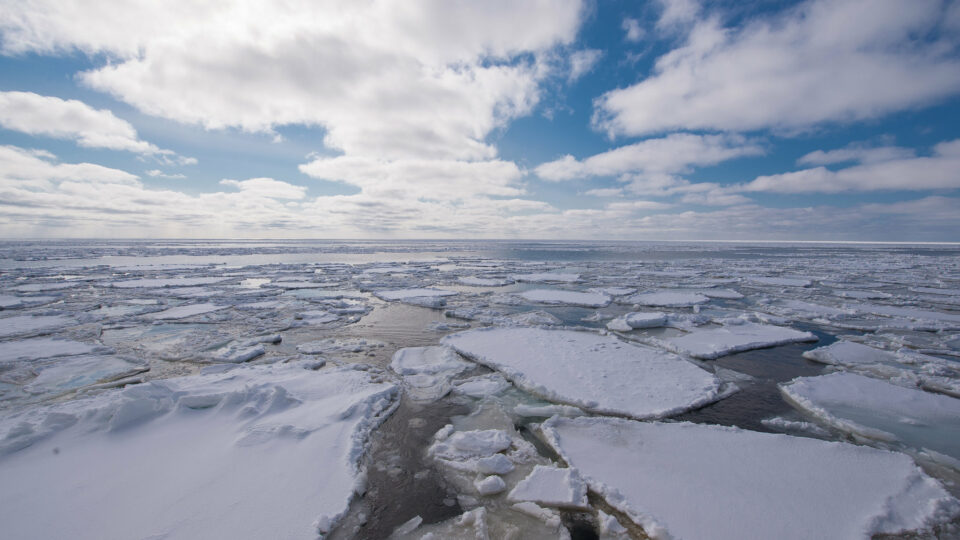
The Bering Sea is the area of the far northern Pacific Ocean that separates Alaska from Russia.  Sea ice in the Bering Sea shrank to its lowest levels in recorded history in 2018, an event with profound effects on northwest Alaska residents who depend on marine resources for food, cash, and culture.

The loss of ice is indicative of very rapid change in the entire northern Bering Sea ecosystem with ramifications for everyone in the region.  A new peer-reviewed study published in the Bulletin of the American Meteorological Society examined the details and consequences of the drastic changes in the Bering Sea.

The study found that the maximum daily Bering Sea ice was the lowest on record, and the widespread impacts of that fact include unprecedented weather effects, marine wildlife die-offs, and sightings of animals outside of their normal range.  Ecological changes included the first documented mass strandings of ice-associated seals, a redistribution of thermally sensitive fish, and a multispecies die-off of seabirds due to starvation.

Persistent and anomalous warm winter weather contributed to poor ice conditions that resulted in a fatal accident on an ice road and retreating and fractured sea ice led to ice-laden flooding that caused power outages and infrastructure damage.  In addition, there have been more than 50 reports of unusual events related to weather and marine wildlife.

The record-low sea ice is a consequence of the warming climate resulting in a warmer ocean, later arrival of sea ice, and more frequent storms than in the pre-industrial era.  These conditions are continuing to increase in occurrence.

**********

Web Links

Record low level of Bering Sea ice causes profound, widespread impacts

Photo, posted April 7, 2014, courtesy of Allen Smith via Flickr.

Earth Wise is a production of WAMC Northeast Public Radio.

Primary Sidebar

Recent Episodes

  • An uninsurable future
  • Clean energy and jobs
  • Insect declines in remote regions
  • Fossil fuel producing nations ignoring climate goals
  • Trouble for clownfishes

WAMC Northeast Public Radio

WAMC/Northeast Public Radio is a regional public radio network serving parts of seven northeastern states (more...)

Copyright © 2026 ·