• Skip to primary navigation
  • Skip to main content
  • Skip to primary sidebar

Earth Wise

A look at our changing environment.

  • Home
  • About Earth Wise
  • Where to Listen
  • All Articles
  • Show Search
Hide Search
You are here: Home / Archives for captivity

captivity

A starfish to the rescue

June 3, 2025 By EarthWise Leave a Comment

Researchers are trying to reintroduce sunflower sea stars along the Pacific Coast

Beginning in 2013, a mysterious disease associated with a marine heatwave decimated the population of sunflower sea stars.  Those huge, colorful 24-armed starfish thrived along the Pacific Coast between Alaska and Baja California.  But in fairly short order, nearly six billion of the creatures perished, amounting to 94% of the global population.  California lost 99% of its sea stars to the wasting disease.

The result was an ecological disaster.  Sunflower sea stars are carnivorous and purple urchins are the mainstay of their diet.  Without sea stars to balance the food web, the urchin population exploded.  Urchins devour kelp and over the past decade, 96% of the region’s kelp forests vanished.  Kelp forests serve as shelter and food for a vast array of marine life and kelp sequesters carbon as much as 20 times more than terrestrial forests.

Researchers in California and Alaska are breeding sunflower sea stars in captivity to try to produce enough of the creatures to support reintroduction.  The first successful spawning of sea stars took place last year at the Birch Aquarium at San Diego’s Scripps Institution of Oceanography.  But all of these are siblings, which is not a desirable breeding stock for a new population.  So, they are now working with the Alaska SeaLife Center, which has the largest collection of the animals in the world.  The center will provide animals to introduce genetic diversity to the growing population in captivity.

The hope is to be able to reintroduce sea stars to the Pacific region within three to five years.

**********

Web Links

A rare, giant starfish could hold the key to restoring kelp forests on the California coast

Photo, posted November 11, 2007, courtesy of Patrick Briggs via Flickr.

Earth Wise is a production of WAMC Northeast Public Radio
The Captive Lion Problem | Earth Wise

September 25, 2023 By EarthWise Leave a Comment

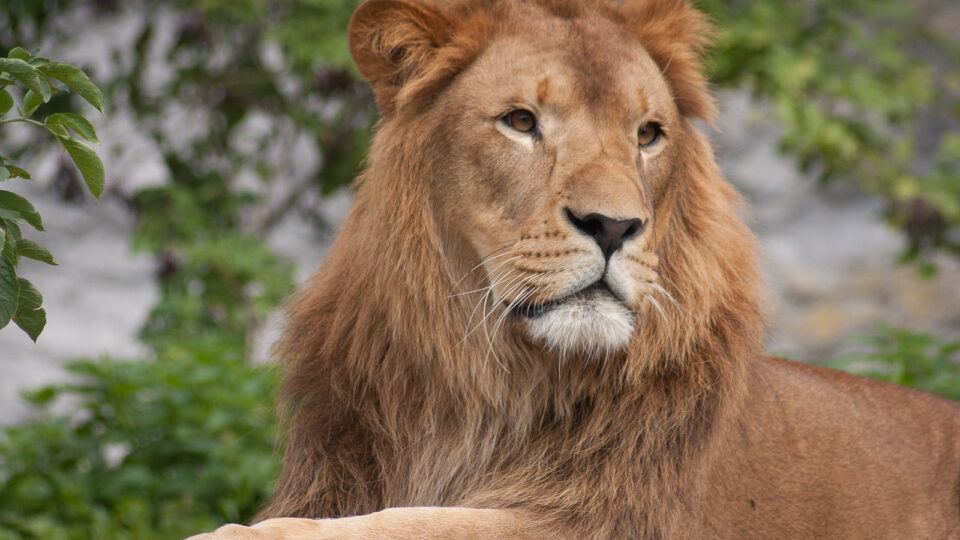
In the 1990s, there was rapid growth in South Africa of the private wildlife industry.  Large numbers of cattle, sheep, and goat ranchers replaced their domestic livestock with wild animals that wealthy hunters would pay lots of money to shoot.  Lions were among the most prized targets for these people.  Over time, hundreds of ranchers became involved in the business of breeding large numbers of the big cats in cages or small enclosures.  Wealthy clients paid $25,000 to $40,000 to shoot a captive-bred lion – cheaper than the cost of a true wild lion hunt and much easier too.  The animals were not afraid of humans and were easy to find.

By 2015, about 200 ranches held at least 8,000 captive-bred lions.  Over 600 were trophy-hunted that year, generating about $16 million in trophy fees, mostly from Americans.

Journalists and conservationists exposed poor conditions on many lion farms and many other abuses.  Over time, the South African government cracked down on the export of lion bones and other body parts for taxidermy, traditional Chinese medicine, and other uses.  The days of captive lion breeding seemed numbered but shutting down the lucrative industry is not easy.

Wild lions in South Africa are not endangered.  In fact, existing sanctuaries and preserves have as many lions as they can sustain.  What to do with thousands of captive lions is a real problem.  Some have suggested mass euthanasia, but that appalling idea has garnered very little support.  The future of these animals still hangs in the balance and so far, there are really no truly desirable solutions in the offing.

**********

Web Links

If South Africa Ends Lion Breeding, What to Do With Captive Cats?

Photo, posted August 21, 2011, courtesy of Leszek Leszczynski via Flickr.

Earth Wise is a production of WAMC Northeast Public Radio
Resurrecting The Tasmanian Tiger | Earth Wise

September 16, 2022 By EarthWise Leave a Comment

Company plans to resurrect the Tasmanian Tiger

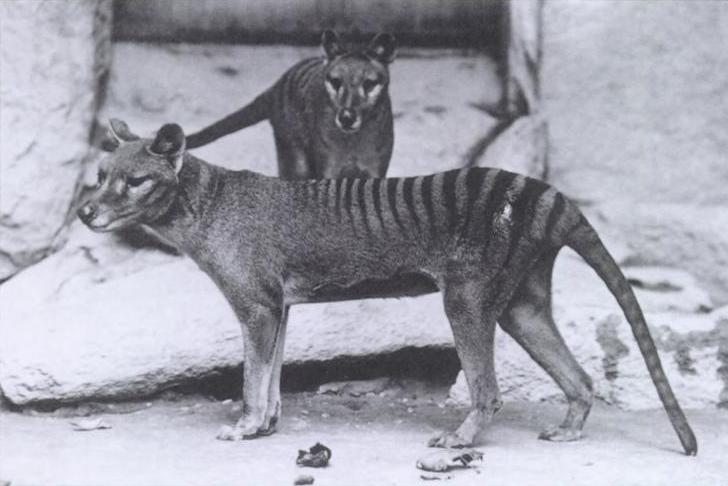
Tasmanian tigers earned their nickname because of the stripes along their back, but they were not felines.  In fact, they were carnivorous marsupials, the type of Australian mammal that raises its young in a pouch.

Tasmanian tigers, also known as thylacines, were once native to the Australian mainland, as well as the islands of Tasmania and New Guinea.  Dog-like in appearance, Tasmanian tigers were extensively hunted after European colonization.  The last known Tasmanian tiger died in captivity in 1936.

Nearly 100 years after its extinction, the Tasmanian tiger may live once again.  Scientists in Australia and the United States have launched an ambitious multimillion dollar de-extinction project to genetically resurrect the Tasmanian tiger.

In order to bring back the animal, researchers will have to take stem cells from a living species with similar DNA – like the fat-tailed dunnart – and use gene editing techniques to turn them into “Tasmanian tiger” cells – or the closest approximation possible.  The team will need new assisted reproductive technologies to use the stem cells to make an embryo, which will then have to be transferred into an artificial womb or a dunnart surrogate to gestate.  The research team is optimistic that there could be a hybrid baby Tasmanian tiger in 10 years. 

The ambitious project is a partnership between scientists at the University of Melbourne and the Texas-based company Colossal Biosciences.  This is the second de-extinction undertaking by Colossal Biosciences, which announced last year it planned to use its technology to recreate the woolly mammoth, and return it to the Arctic tundra.

**********

Web Links

Scientists want to resurrect the extinct Tasmanian tiger

Tasmanian tiger: Scientists hope to revive marsupial from extinction

Photo credit: E.J. Keller, from the Smithsonian Institution archives, courtesy of Flickr.

Earth Wise is a production of WAMC Northeast Public Radio.

Spider Silk

February 15, 2017 By EarthWise

https://earthwiseradio.org/wp-content/uploads/2017/02/EW-02-15-17-Spider-Silk.mp3

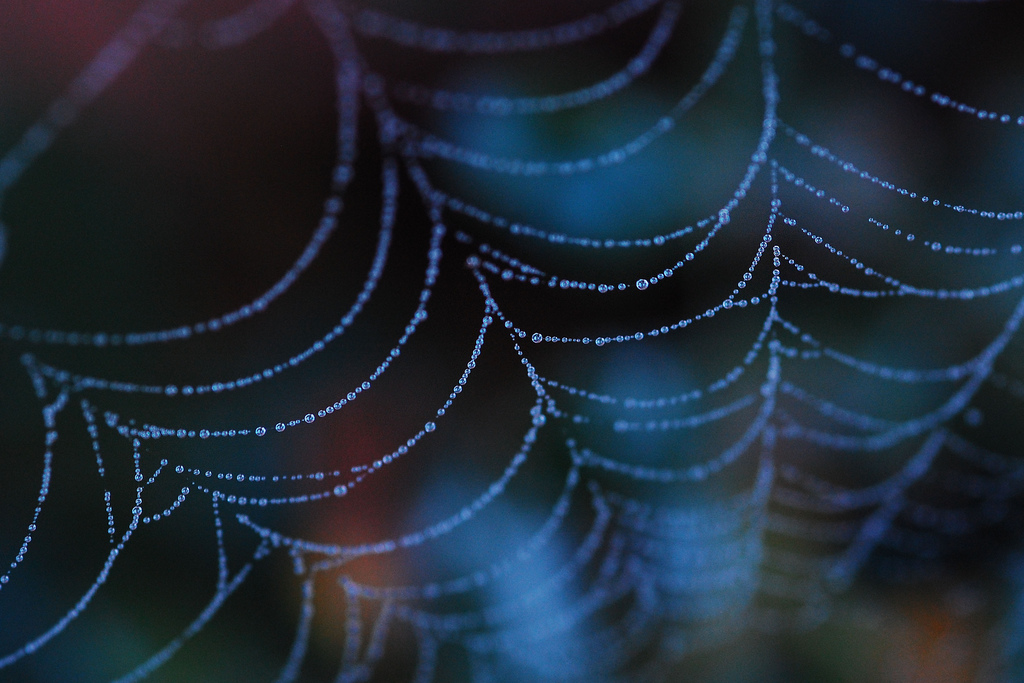
Spider silk – the protein fiber spun by spiders to make webs, nests, cocoons, and wrapping for prey that they stash away – is a remarkable substance.  Its mechanical properties combine high tensile strength and high extensibility or ductility.  This allows spider silk to absorb a lot of energy before breaking.   It is stronger than steel, but not as strong as Kevlar, for example.  On the other hand, it is tougher than either.

[Read more…] about Spider Silk

Breeding Dory

September 2, 2016 By WAMC WEB

https://earthwiseradio.org/wp-content/uploads/2016/08/EW-09-02-16-Breeding-Dory.mp3

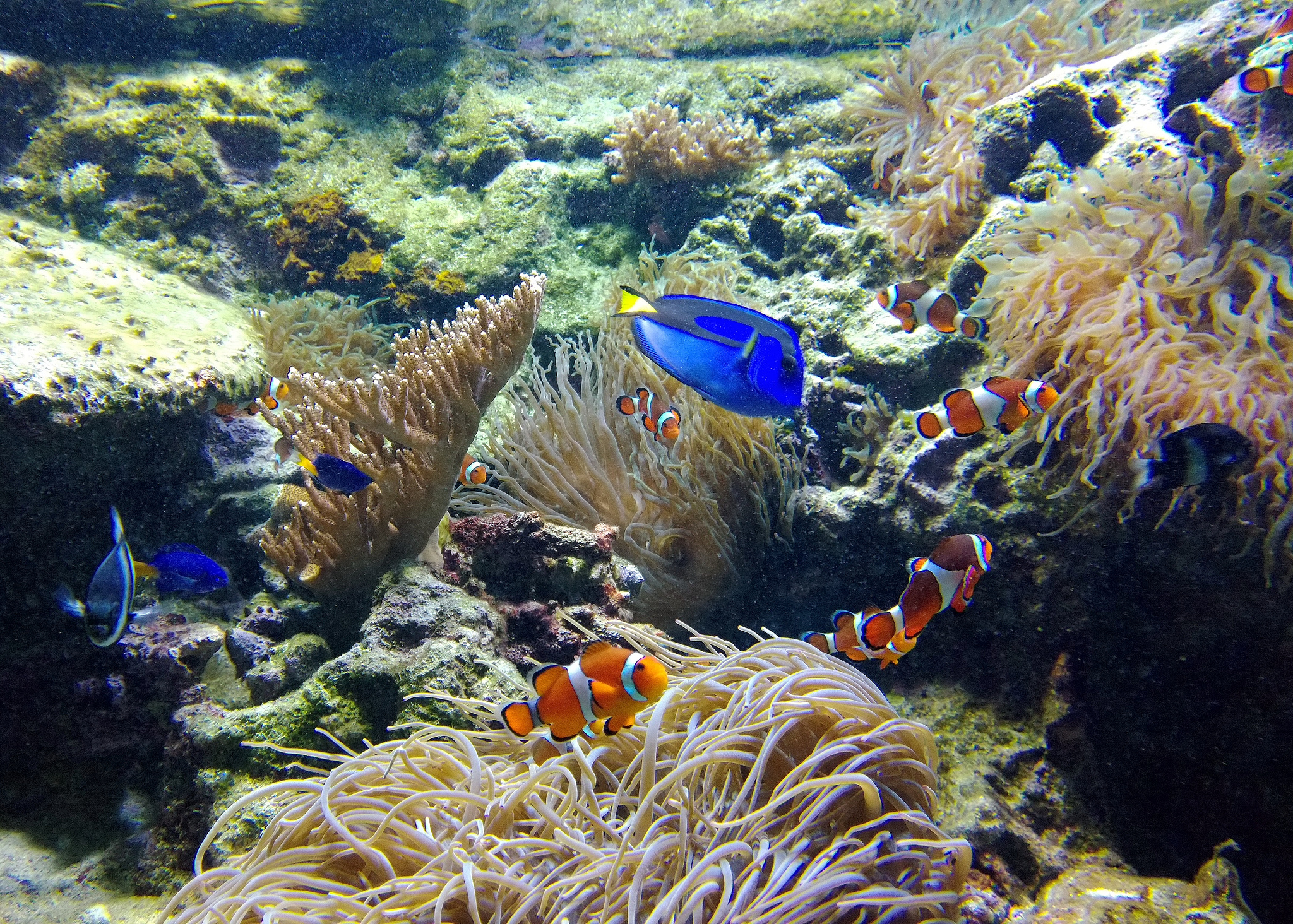
The regal blue tang is one of the most common and most popular marine aquarium fish in the world.  In the U.S., they have been ranked as high as the 10th most imported fish species out of over 2,000 that enter the country.  Apart from aquarium hobbyists, millions of people now associate blue tangs with the character Dory in a couple of popular animated films.

[Read more…] about Breeding Dory

Primary Sidebar

Recent Episodes

  • An uninsurable future
  • Clean energy and jobs
  • Insect declines in remote regions
  • Fossil fuel producing nations ignoring climate goals
  • Trouble for clownfishes

WAMC Northeast Public Radio

WAMC/Northeast Public Radio is a regional public radio network serving parts of seven northeastern states (more...)

Copyright © 2026 ·