• Skip to primary navigation
  • Skip to main content
  • Skip to primary sidebar

Earth Wise

A look at our changing environment.

  • Home
  • About Earth Wise
  • Where to Listen
  • All Articles
  • Show Search
Hide Search
You are here: Home / Archives for burmese python

burmese python

Tropical Species Moving North | Earth Wise

April 19, 2021 By EarthWise Leave a Comment

Tropical species heading north as the climate changes

Climate change is leading to warmer winter weather throughout the southern U.S., providing opportunities for many tropical plants and animals to move north.  A new study by scientists at UC Berkeley looked at the changing distribution of tropical species driven by the warming climate.

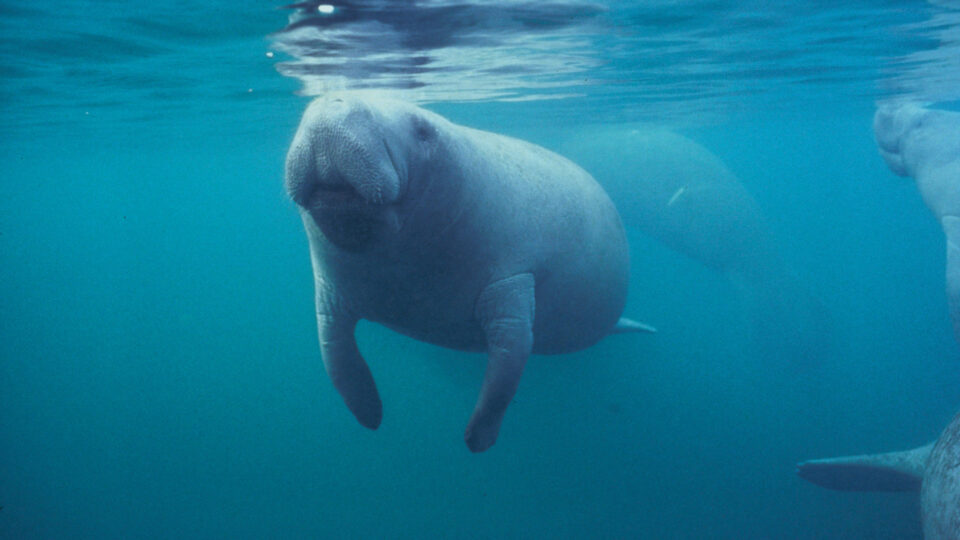
Some species are appreciated in their new locations, such as sea turtles and the Florida manatee, which are gradually moving northward along the Atlantic Coast.  Others, like the invasive Burmese python are not so welcome.  That goes double for many insects, such as the mosquitoes that carry diseases like the West Nile virus, Zika, dengue, and yellow fever, as well as beetles that destroy native trees.

The transition zone, northward of which experiences freezes every winter, has always been a barrier to species native to more temperate places.  For most organisms in such places, if they freeze, they die.  Cold snaps like the recent one in Texas usually don’t happen for decades and are now likely to be less and less frequent.  In the meantime, tropical species can get more and more of a foothold and maybe even develop populations that can tolerate more cold extremes in the future.

The warming climate is leading many plant species to expand their ranges, in some cases pushing out native species.  The general story is that the species that do really well are the more generalist species whose host plants or food sources are quite varied or widely distributed and can tolerate a wide range of conditions.  By definition, they tend to be the pest species.

We need to prepare for widespread shifts in the distribution of biodiversity as climate, including winter climate, changes.

**********

Web Links

Tropical species are moving northward as winters warm

Photo, posted May 7, 2010, courtesy of Jim Reid / USFWS via Flickr.

Earth Wise is a production of WAMC Northeast Public Radio.
Exotic Pets Can Become Problems

August 26, 2019 By EarthWise Leave a Comment

Each year, millions of exotic animals are sold as pets around the world.  The term “exotic” lacks a set definition but is generally used to refer to an animal that’s wild or more unusual than standard pets, like cats and dogs. 

The exotic pet trade is a multi-billion dollar industry,  involving tens of millions of individual animals from thousands of species, including reptiles, amphibians, fish, birds, and mammals.

Some of the exotic pet trade is legal, but a lot of it isn’t.  Many animals are illegally captured from the wild to meet the global demand for exotic pets. 

People often purchase exotic animals without completely understanding the consequences.  Some exotic pets, for example, can live nearly twice as long as the average dog.  Caring for exotic pets can be both expensive and risky, since they are largely undomesticated (and therefore can have unpredictable behavior).

As a result, it’s not uncommon for owners to release exotic pets intentionally.  When this happens, the consequences can be catastrophic.  Sometimes the animal dies from starvation or predation, but in other instances, the animal proliferates and becomes an invasive species.

Invasive species are the second largest driver of biodiversity loss worldwide, and they cost the U.S. $120 billion a year. 

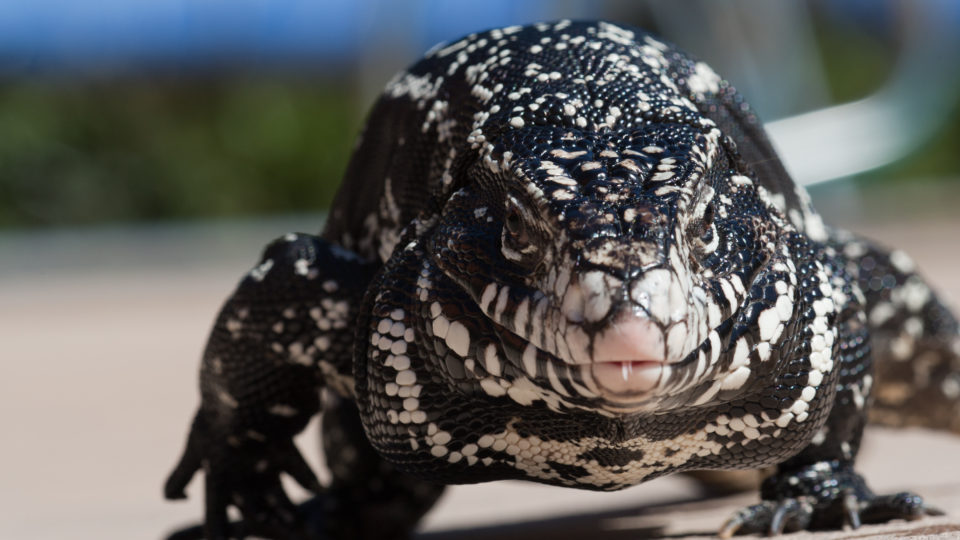
According to an academic review recently published in the journal Frontiers in Ecology and the Environment, the exotic pet trade is one of the primary causes of the spread of invasive species and has fueled the establishment of hundreds of them.  Tegus, Burmese pythons, and red lionfish are examples of pets-turned-pests. 

The best way to combat this trend is through education, detection, and rapid response. 

**********

Web Links

Why you should never release exotic pets into the wild

Photo, posted September 19, 2010, courtesy of Mike Baird via Flickr.

Earth Wise is a production of WAMC Northeast Public Radio.

Primary Sidebar

Recent Episodes

  • An uninsurable future
  • Clean energy and jobs
  • Insect declines in remote regions
  • Fossil fuel producing nations ignoring climate goals
  • Trouble for clownfishes

WAMC Northeast Public Radio

WAMC/Northeast Public Radio is a regional public radio network serving parts of seven northeastern states (more...)

Copyright © 2026 ·