• Skip to primary navigation
  • Skip to main content
  • Skip to primary sidebar

Earth Wise

A look at our changing environment.

  • Home
  • About Earth Wise
  • Where to Listen
  • All Articles
  • Show Search
Hide Search
You are here: Home / Archives for bright

bright

Record low Antarctic sea ice

October 30, 2023 By EarthWise Leave a Comment

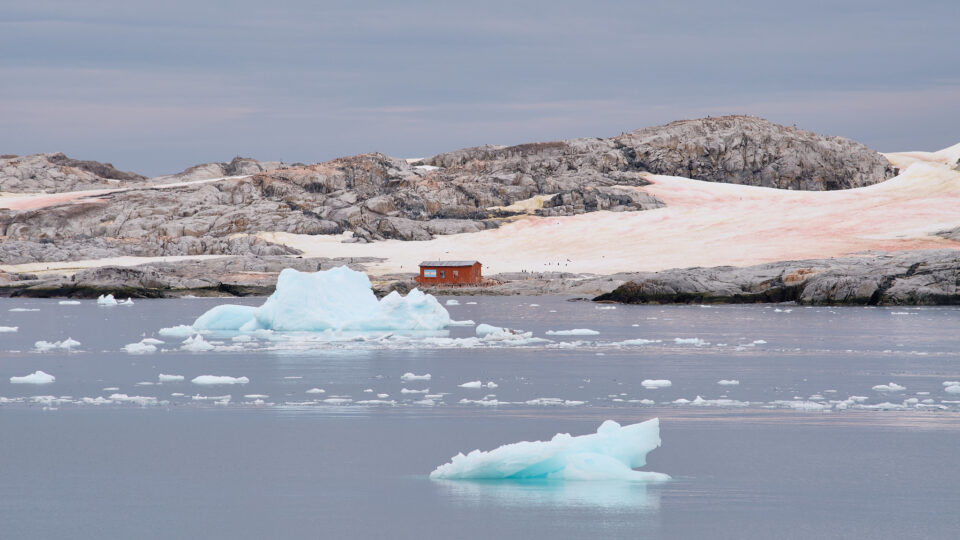
Record low sea ice levels in Antarctica

Antarctica’s winter came to a close in September and during that month, the continent reaches its maximum amount of sea ice that grows during the darkest and coldest months.  This year, that maximum occurred on September 10th and turned out to be the lowest on record.

The sea ice around Antarctica reached a maximum extent of 6.5 million square miles according to NASA researchers.  That was nearly 400,000 square miles below the previous record low set in 1986. 

There are several possible causes for the meager growth of Antarctic sea ice this year.  It may be a combination of several factors including El Niño, wind patterns, and warming ocean temperatures.  Recent research indicates that ocean heat is most likely playing an important role in slowing ice growth in the cold season and enhancing ice melting in the warm season.

The record-low ice extent so far this year is a continuation of a downward trend in Antarctic sea ice that has gone on since the ice reached a record high in 2014.  Prior to that year, the ice surrounding the southern continent was actually increasing slightly by about 1% every decade.

Meanwhile, Arctic sea ice reached its minimum extent in September and it was the sixth-lowest level in the satellite record.  Scientists track the seasonal and annual fluctuations of polar sea ice because they shape polar ecosystems and play a significant role in global climate.  Sea ice melting at both poles reinforces global warming because bright sea ice reflects most of the Sun’s energy back to space while open ocean water absorbs 90% of it.

**********

Web Links

Antarctic Sea Ice Sees Record Low Growth  

Photo, posted June 30, 2023, courtesy of Pedro Szekely via Flickr.

Earth Wise is a production of WAMC Northeast Public Radio
How To Support Pollinators | Earth Wise

August 4, 2023 By EarthWise Leave a Comment

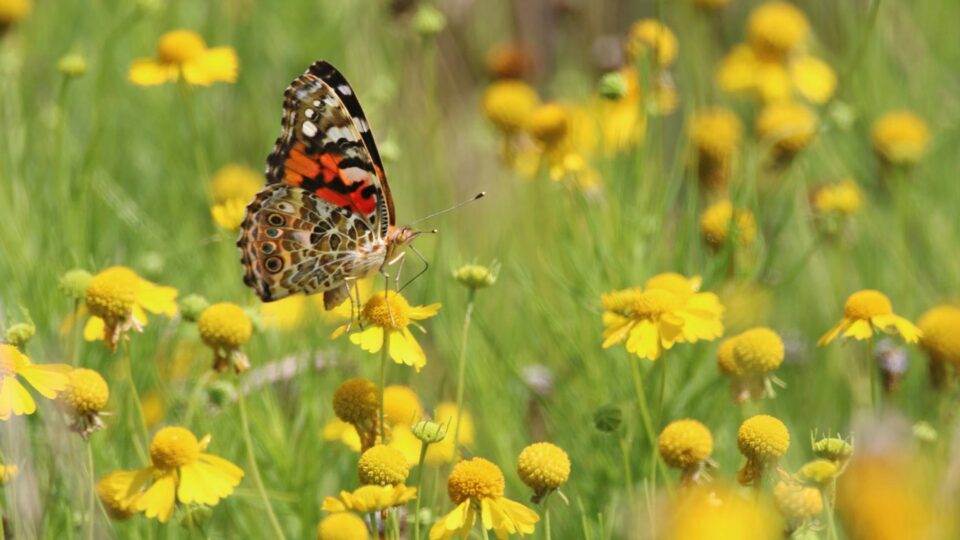
Pollinators of all sorts have been in decline for a while.  This is especially true of bees, bats, and monarch butterflies.  Without pollinators, fruits, vegetables, and other plants cannot provide their contributions to our food supply.  According to experts, about 30% of the food that ends up on our tables gets there because of pollinators.

Bees are the most efficient pollinators, but plenty of other insects do their share as well.  Butterflies and months, flies, beetles, and wasps all are good pollinators.  In addition to insects, birds and bats can also be pollinators. 

Entomologists at Texas A&M University have offered some science-based advice for homeowners who want to keep pollinators around and thriving during the summer months.

Pollinators need flowers that bloom at different times of the year.  So, home gardens should overlap blooms.  Native and drought-tolerant species are good additions to a garden or landscape.

Colorful gardens attract more pollinators because different pollinators are attracted to different colors.  Bumblebees like blues and purples; other bees are attracted to yellows and whites.  Butterflies like bright colors like oranges and pinks.

Plant flowers with different shapes and sizes because pollinators flower preferences come in all shapes and sizes.

Provide shelter for pollinators.  Houses for bees and other pollinators are available for purchase. Or people can make their own using plastic tubes.

And probably most importantly, go easy on pesticides.  If it is really necessary to apply pesticides, do it in the evening when most pollinators have called it a day.

Having a colorful garden with lots of variety is a fine addition to one’s home.  Beyond that, it is a valuable contribution to helping preserve essential pollinators.

**********

Web Links

Top Five Tips For Supporting Pollinators This Summer

Photo, posted August 14, 2017, courtesy of USFWS Midwest Region via Flickr.

Earth Wise is a production of WAMC Northeast Public Radio
Bacteria-Powered Solar Cell

August 29, 2018 By EarthWise 1 Comment

https://earthwiseradio.org/wp-content/uploads/2018/08/EW-08-29-18-Bacteria-Powered-Solar-Cell.mp3

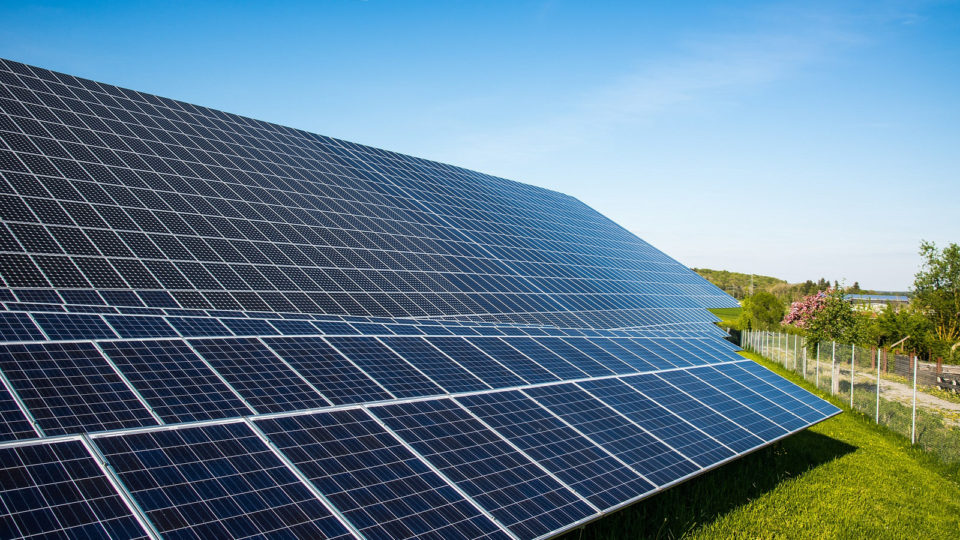
Commercially-available solar panels are composed of solar cells that are most often made from various forms of silicon.  Some panels use thin-film cells made from other semiconductor materials.  Solar cells utilize a property of semiconductors that allows them to convert light energy into electrical energy.

[Read more…] about Bacteria-Powered Solar Cell

Light Pollution And Early Spring

August 17, 2016 By WAMC WEB

https://earthwiseradio.org/wp-content/uploads/2016/08/EW-08-17-16-Light-Pollution-and-Spring.mp3

We have talked about the impact of light pollution on our ability to see stars and the Milky Way.  We have also discussed its impact on our circadian rhythms.   Recently, scientists in Great Britain published a report on the relationship between light pollution and the timing of when trees produce their buds.  The results of the study suggest that light pollution is causing plants to jump the gun on spring.

[Read more…] about Light Pollution And Early Spring

Primary Sidebar

Recent Episodes

  • An uninsurable future
  • Clean energy and jobs
  • Insect declines in remote regions
  • Fossil fuel producing nations ignoring climate goals
  • Trouble for clownfishes

WAMC Northeast Public Radio

WAMC/Northeast Public Radio is a regional public radio network serving parts of seven northeastern states (more...)

Copyright © 2026 ·