• Skip to primary navigation
  • Skip to main content
  • Skip to primary sidebar

Earth Wise

A look at our changing environment.

  • Home
  • About Earth Wise
  • Where to Listen
  • All Articles
  • Show Search
Hide Search
You are here: Home / Archives for border

border

A Huge American Lithium Discovery | Earth Wise

October 12, 2023 By EarthWise Leave a Comment

A huge discovery of lithium in the United States

Human history has often been described in terms of a succession of metal ages:  the copper age, the bronze age, and the iron age.  In many ways, we have now entered the lithium age.  The light metal goes into the batteries that power smartphones, electric vehicles, and massive storage banks for the power grid.  Lithium has become a critical strategic resource.

As it stands now, the U.S. gets most of its lithium from imports from Australia and South America.  Major lithium sources are not commonplace; in 2022 there were only 45 lithium mines in the world.  Many of the known deposits are not in North America but in Chile, Bolivia, Argentina, China, and Australia.  The current largest known lithium deposits lie beneath the salt flats of Bolivia.

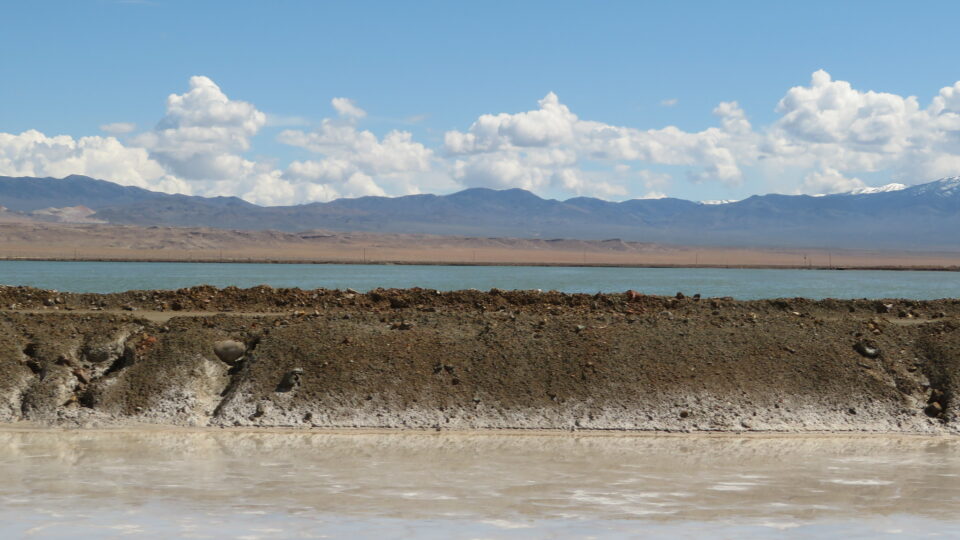
Lithium Americas Corporation, a company dedicated to advancing lithium projects to the stage of production, funded research over the past decade that has identified vast deposits of lithium-rich clay in a dormant volcanic crater along the Nevada-Oregon border.  The McDermitt Caldera is estimated to hold between 20 and 40 million tons of lithium, which would make it the largest deposit in the world.

There are many questions still to answer.  It is not clear how easy it will be to extract lithium from the clay, in particular how expensive or carbon-intensive it will be.  There are also political complexities since the area where the lithium deposit was found is considered to be unceded ancestral land for both the Paiute and Shoshone tribes.

Apart from a dearth of domestic sources of lithium, the US also lags well behind China in lithium processing capabilities.  The country has catching up to do in the new lithium age.

**********

Web Links

America Just Hit the Lithium Jackpot

Photo, posted April 19, 2020, courtesy of Ken Lund via Flickr.

Earth Wise is a production of WAMC Northeast Public Radio
Bringing Back Bison | Earth Wise

August 23, 2022 By EarthWise Leave a Comment

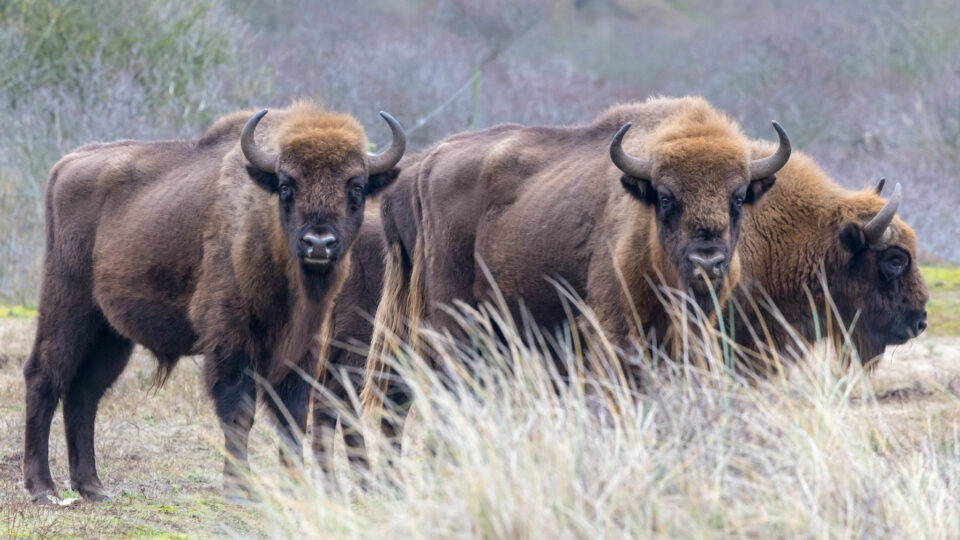
Over the past few decades, research has identified the importance of large mammals like bison as ecosystem engineers.  These animals shape and maintain various natural processes and, in the process, are responsible for the sequestering of large amounts of carbon.  But large mammals – both herbivores and predators – have seen their numbers dwindle over time.  At this point, nearly two-thirds of large carnivores are threatened with extinction.   Overall, less than 6% of worldwide ecosystems have the extensive, intact large-mammal communities that were dominant 500 years ago.

Conservationists around the world have embarked on programs of “rewilding”- reintroducing large mammals into ecosystems.  Some of the animals involved in these programs include brown bears, wild horses, jaguars, reindeer, Eurasian beavers, elk, moose, wolverines, tigers, hippos, and bison.

A group of bison raised in South Dakota have recently been transplanted to the Chihuhuan Desert at the US-Mexico border across Arizona, New Mexico, and Texas.  There used to be huge bison herds in that region, but it has been largely bison-free for 150 years.

Perhaps more remarkably, wild bison are also being reintroduced into a forest near Canterbury, England.  There haven’t been bison in the United Kingdom for thousands of years.  But conservationists are introducing European bison into the British forest to knock down trees, trample shrubs, and create space for a greater diversity of flora and fauna. 

Apart from the ecosystem goals of the British project, people in the UK, for the first time in over a thousand years, will be able to experience bison in the wild.

**********

Web Links

Gone for Thousands of Years, Wild Bison Return to the UK

Photo, posted December 31, 2018, courtesy of Marco Verch via Flickr.

Earth Wise is a production of WAMC Northeast Public Radio.

Wildlife And The Border Wall

February 14, 2019 By EarthWise Leave a Comment

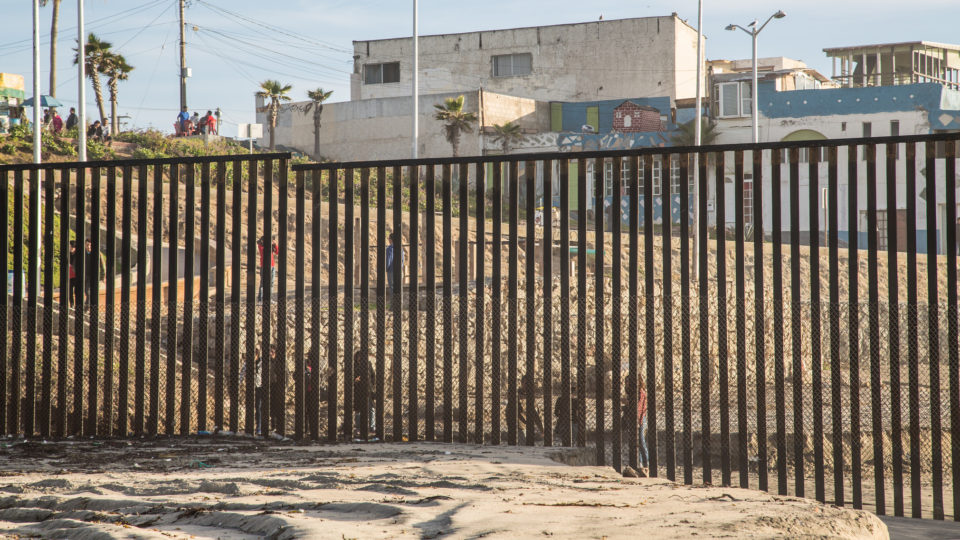
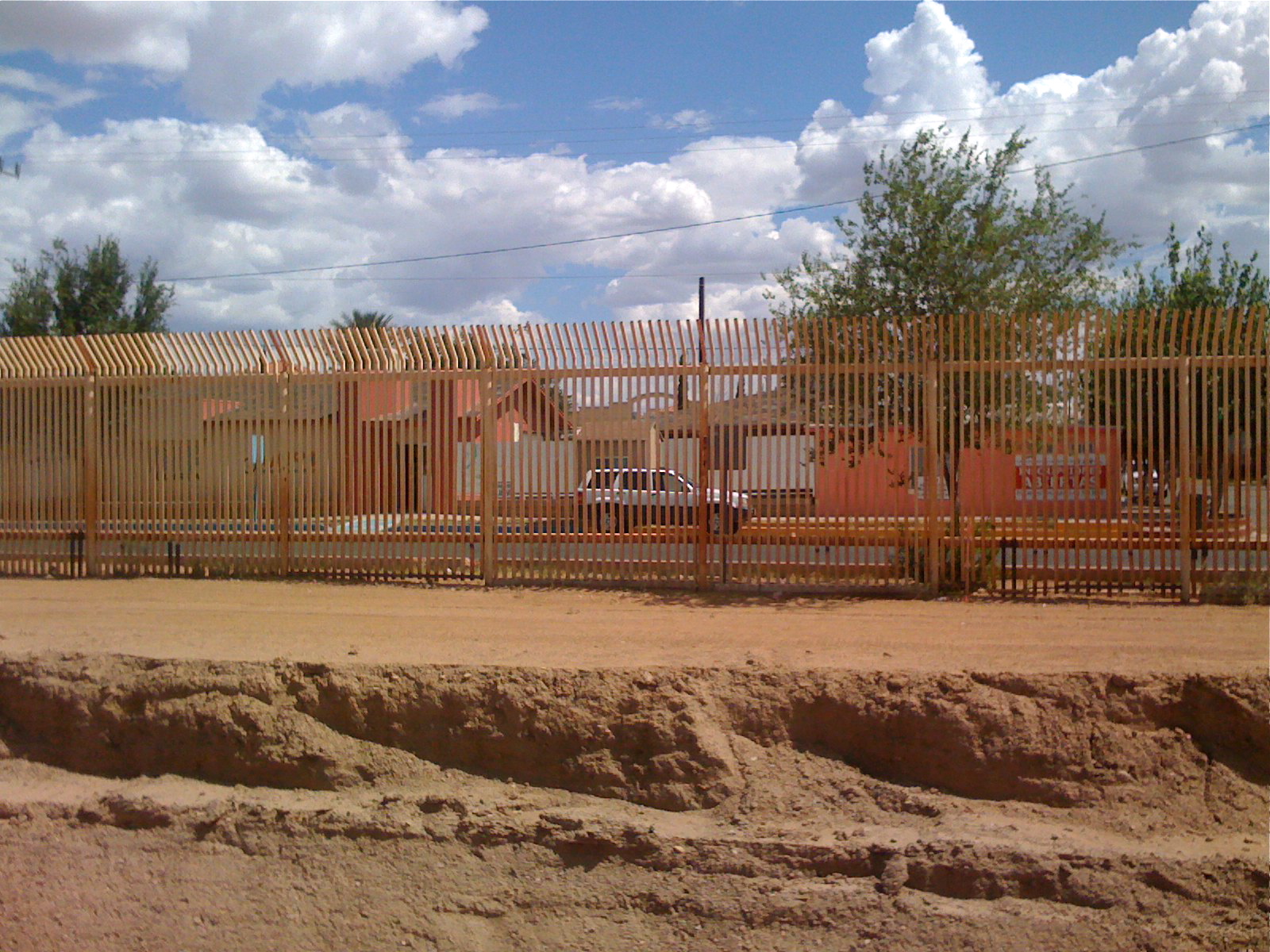
The border between the United States and Mexico is nearly 2,000 miles long, stretching from San Ysidro, California to Brownsville, Texas.  Discontinuous barriers currently cover approximately 650 miles of our southern border. As the particulars of how to better secure the remaining 1,350 miles of border are worked out, one thing is abundantly clear: extending physical barriers would negatively impact wildlife and the environment.

The Trump Administration has called for a 1,000-mile wall, which would cut across land that includes important habitats for wildlife.  According to an article signed by nearly 3,000 scientists, this plan would “threaten some of the continent’s most biologically diverse regions” by inhibiting species movement and triggering flooding. The paper, which was published in the journal Bioscience, highlights how more than 1,500 native animal and plant species would be affected by the wall, including 62 that are listed as endangered or vulnerable.

An extended border wall would not only impede movement of many wildlife species but it would also put pressure on creatures already in peril, such as the Mexican gray wolf and the Sonoran pronghorn.  Other at risk animals include the ocelot, black bear, and desert bighorn sheep. 

According to researchers, extending the border wall could cause problems for low-flying birds and insects. Even plants, including the endangered wildflower Zapata bladderpod and the threatened whiskerbush cactus, are particularly at risk.

According to a 2011 study, bird-watching and other forms of ecotourism in the Lower Rio Grande Valley brought in more than $344 million in economic activity and approximately 4,400 jobs. 

Preserving our natural heritage must be part of this national security discussion. 

**********

Web Links

Nature Divided, Scientists United: US–Mexico Border Wall Threatens Biodiversity and Binational Conservation

Photo, posted December 14, 2014, courtesy of Tony Webster via Flickr.

Earth Wise is a production of WAMC Northeast Public Radio.

Fencing Out People And Animals

February 2, 2017 By EarthWise

https://earthwiseradio.org/wp-content/uploads/2017/02/EW-02-02-17-Fencing-Out-People-and-Animals.mp3

The flood of refugees from the Middle East and Africa has prompted governments in the Balkan countries to erect hundreds of miles of border fences.  Countries like Slovenia have put up razor-wire security fences to stem the tide of migrants.  These border fences are built with little if any consideration of the environmental impacts on wildlife.

[Read more…] about Fencing Out People And Animals

Primary Sidebar

Recent Episodes

  • An uninsurable future
  • Clean energy and jobs
  • Insect declines in remote regions
  • Fossil fuel producing nations ignoring climate goals
  • Trouble for clownfishes

WAMC Northeast Public Radio

WAMC/Northeast Public Radio is a regional public radio network serving parts of seven northeastern states (more...)

Copyright © 2026 ·