• Skip to primary navigation
  • Skip to main content
  • Skip to primary sidebar

Earth Wise

A look at our changing environment.

  • Home
  • About Earth Wise
  • Where to Listen
  • All Articles
  • Show Search
Hide Search
You are here: Home / Archives for bitter

bitter

Growing safer potatoes

January 15, 2025 By EarthWise Leave a Comment

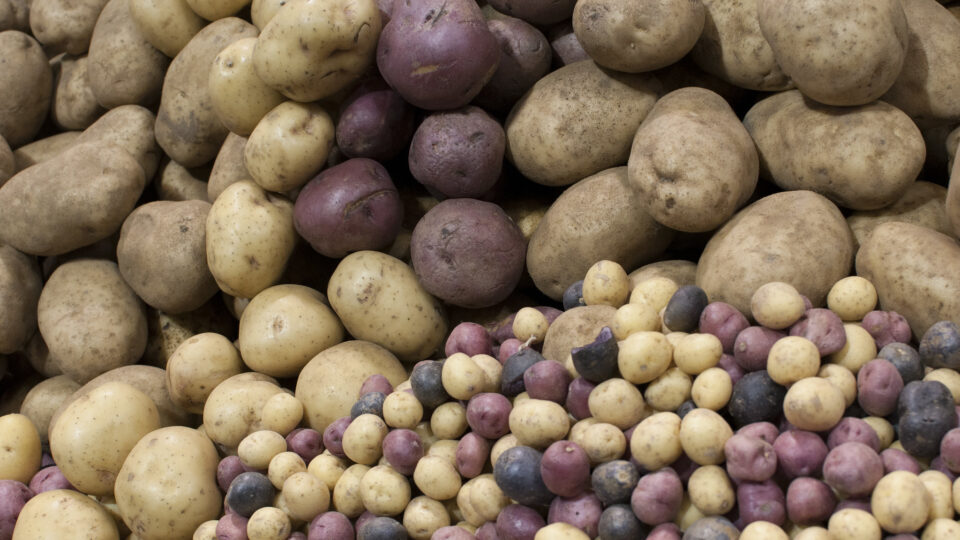
We are often advised to avoid eating green areas on potatoes.  The green comes from chlorophyll that occurs naturally when potatoes are exposed to light.  It is harmless but when it is there, it can be accompanied by a natural toxin – a substance called solanine, which is a steroidal glycoalkaloid or SGA.  Sunlight can produce solanine as well as chlorophyll.  Solanine is produced by plants to protect them from insects. 

Solanine is bitter tasting so one is unlikely to consume much of it.  But consuming enough of it can lead to gastrointestinal complications like diarrhea, abdominal pain, vomiting, and sweating. 

Researchers at the University of California Riverside have discovered a way to eliminate toxic compounds from potatoes, making them safer to eat and easier to store.  They have identified a key genetic mechanism in the production of SGAs.  They found a specific protein that controls the production and believe it will be possible to control where and when SGAs are produced.  Thus, it may be possible to have SGAs present in the leaves of potato plants, thereby protecting them from insects, while having none in the potatoes themselves.  By limiting SGAs to non-edible parts of plants, they can be safer and more versatile plants.  For example, modified potatoes could be stored in sunny places without worry and would always be safe to eat.

Plants have evolved ingenious ways to balance growth, reproduction, and defense.  Our growing understanding of these mechanisms can allow people to redesign crops to meet modern needs, increase food safety, and reduce food waste.

**********

Web Links

Growing safer spuds: Removing toxins from potatoes

Photo, posted October 14, 2013, courtesy of Elton Morris via Flickr.

Earth Wise is a production of WAMC Northeast Public Radio
A Miracle Tree | Earth Wise

September 27, 2022 By EarthWise Leave a Comment

Pongamia could be a miracle tree

The world needs to be fed without destroying the environment.   We need to grow more trees to store more carbon on earth and reduce the amount in the atmosphere.  But meanwhile, we decimate rainforests to produce palm oil and grow soybeans.

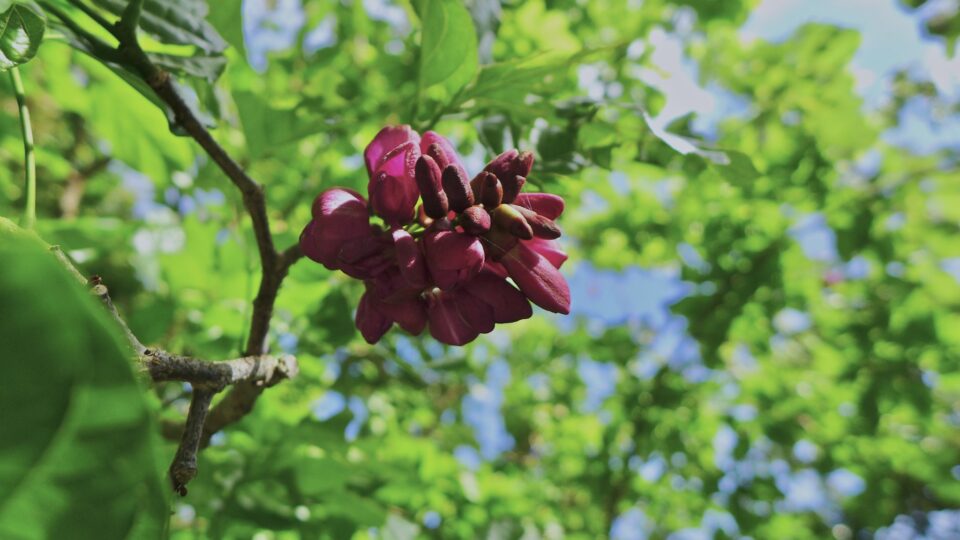
A startup company in California called Terviva thinks they have a solution.  It’s called pongamia, which is an ordinary looking tropical tree.  It produces beans packed with protein and oil, much like soybeans.  However, it has the potential to produce much more nutrition per acre than soybeans and it is hardy enough to grow on pretty much any kind of land without the use of pesticides, fertilizers, or irrigation.  In short, it is a miracle crop for a hot and hungry planet that is running out of fertile farmland and fresh water.

Pongamia is not a new or rare tree.  It is common in India but grows all over the world.  It is often planted as an ornamental here in the U.S.

The initial idea for making use of the hardy tree was to use its oil as a biofuel.  The seeds of pongamia are known to have a bitter taste and disagreeable odor, which is why the seeds or oil were never used for human or animal feed.  However, Terviva has developed a way to de-bitter pongamia oil.  Once this is done, it becomes a golden-colored substitute for olive oil. It also has enormous potential as a protein for plant-based milks and meats, since it contains all nine essential amino acids.

Terviva has raised more than $100 million to further develop pongamia and is now partnering with Danone, a $25 billion multinational food company, to develop pongamia as a climate-friendly, climate-resilient, non-GMO alternative to soy and palm oil.

***********

Web Links

This super-tree could help feed the world and fight climate change

Photo, posted December 15, 2015, courtesy of Lauren Gutierrez via Flickr.

Earth Wise is a production of WAMC Northeast Public Radio
The Bitter Truth About Caffeine

January 7, 2019 By EarthWise Leave a Comment

Coffee will be impacted by the changing climate

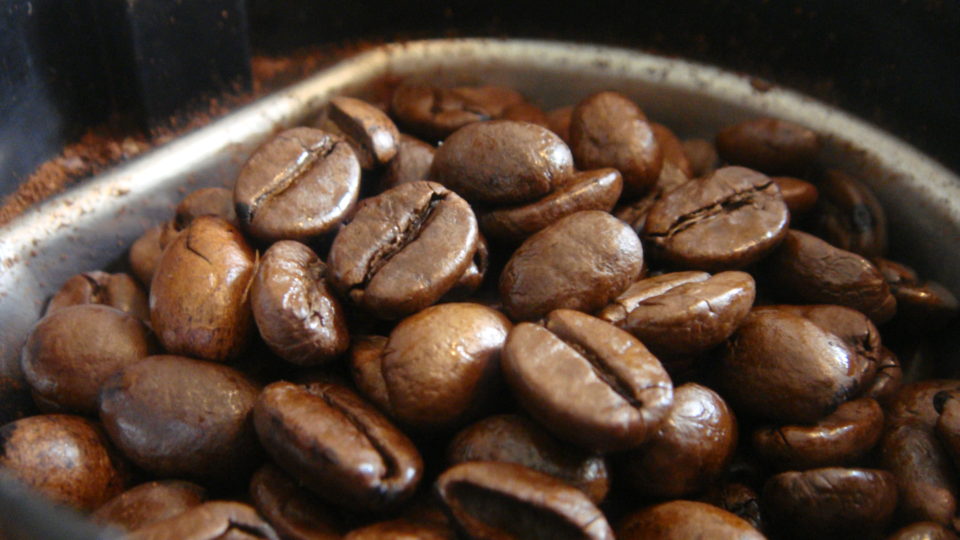
Black coffee has a bitter taste. Bitterness evolved as a natural warning system to protect the body from harmful substances.  By the logic of evolution, we should therefore want to spit coffee out, but obviously it doesn’t work that way.

Caffeine itself has a particularly bitter taste.  Surprisingly, a new study at Northwestern University has found that the more sensitive people are to the bitter taste of caffeine, the more coffee they drink. That sensitivity is actually a genetic variant.

So, one would think that people who are especially sensitive to the bitter taste of caffeine would drink less coffee.  The counter intuitive result suggests that coffee consumers acquire a taste or an ability to detect caffeine as a result of the learned positive reinforcement (in other words, the buzz) elicited by caffeine.  People with a heightened ability to taste coffee’s bitterness learn to associate good things with it.

The study also found in contrast that people sensitive to the bitter flavor of a different compound called 6-n-propylthiouracil (known as PROP)avoided coffee as well as red wine.

The study made use of applied Mendelian randomization, a technique commonly used in disease epidemiology, to test the causal relationship between bitter taste and beverage consumption in more than 400,000 men and women in the United Kingdom.

These results shed some light on the disdain many coffee drinkers have for decaf coffee.  It may not be just the lack of buzz that turns them off.  Some of them with the right genes may be missing that extra bit of bitterness that alerts them that something good is about to happen.

**********

Web Links

Why we shouldn’t like coffee, but we do

Photo, posted May 22, 2009, courtesy of Olle Svensson via Flickr.  

Earth Wise is a production of WAMC Northeast Public Radio.

Primary Sidebar

Recent Episodes

  • An uninsurable future
  • Clean energy and jobs
  • Insect declines in remote regions
  • Fossil fuel producing nations ignoring climate goals
  • Trouble for clownfishes

WAMC Northeast Public Radio

WAMC/Northeast Public Radio is a regional public radio network serving parts of seven northeastern states (more...)

Copyright © 2026 ·