Ultra-pure water is essential for multiple industries, for example semiconductors, batteries, and pharmaceuticals, as well as food and beverage companies. Such water is produced by various processes including desalination plants that use reverse osmosis. The byproduct of the processing is industrial brine: salty wastewater.
The brine produced by desalination is generally dumped into the ocean if the desalination plant is located at the seashore, but if the plant is inland, such as in places like Arizona, that isn’t an option.
Nestle runs a water desalinating plant near Phoenix that generates more than 50,000 gallons of brine every day. Concentrated brines must be carefully managed and disposed of.
Researchers at Arizona State University are developing a mobile, closed-loop water recovery demonstration system that aims to recover 50%-90% of previously unusable water from industrial brine and reduce the remainder to solid salt.
The team’s approach involves pretreating Nestle’s brine to remove larger particles. It then goes through a reverse osmosis process that results in a stream of high-quality water and a salty concentrate. The salty concentrate goes through a special membrane that recovers even more pure water. The highly concentrated brine is then dried and crystalized into a solid salt product. Atmospheric water harvesters capture any remaining water vapor during the drying process.
In places like Arizona where freshwater is a scarce commodity, finding sustainable ways to separate water from salt is both a scientific challenge and an economic necessity.
**********
Web Links
Squeezing every last drop out of wastewater
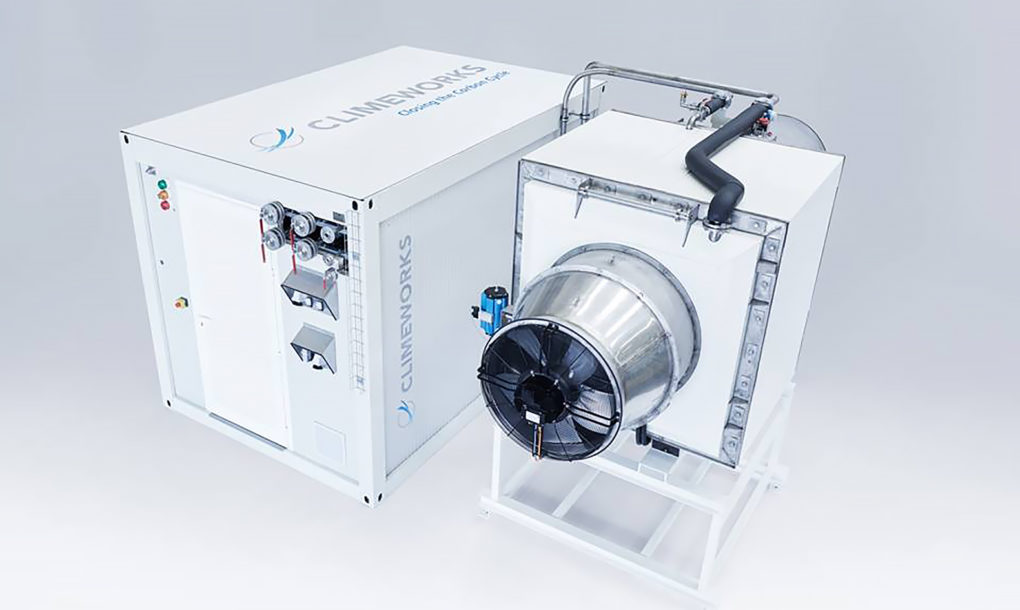
Photo courtesy of the Global Center for Water Technology.
Earth Wise is a production of WAMC Northeast Public Radio