• Skip to primary navigation
  • Skip to main content
  • Skip to primary sidebar

Earth Wise

A look at our changing environment.

  • Home
  • About Earth Wise
  • Where to Listen
  • All Articles
  • Show Search
Hide Search
You are here: Home / Archives for bad news

bad news

Climate change and hunger

July 14, 2025 By EarthWise Leave a Comment

Climate change is harder and more expensive to produce food

Worldwide, people are producing more food than ever, but most of that production is concentrated into only a handful of places.  For example, fully one third of the world’s wheat and barley exports come from Ukraine and Russia.  Across the globe, several major crop-growing regions, including some in the United States, are heading towards sharp drops in harvests as a result of climate change.

These forthcoming changes are not only bad news for farmers, but they are also bad news for everyone who eats.  According to a new study published in the journal Nature, it is going to become harder and more expensive to feed a more crowded and hungrier world.

Specifically, under a moderate greenhouse gas emissions scenario, six key staple crops will see an 11.2% decline by the end of the century, compared to a world without warming.  The largest drops won’t be in the poorer, more marginal farmlands, but rather in places that are major food producers.  These are places like the US Midwest that has long benefited by having both good soil and ideal weather for raising crops like corn and soy.

When the weather is not ideal, it can drastically reduce agricultural productivity.  Extreme weather in many places has already damaged crops.  Flooding has destroyed rice in Tajikistan, cucumbers in Spain, and bananas in Australia.  Severe storms in the US this spring caused millions of dollars’ worth of damage to crops.

As the climate changes, rising average temperatures and changing rainfall patterns are likely to diminish yields and extreme weather events like droughts and floods could wipe out harvests more often.  As climate change intensifies, agriculture is the most weather-affected sector of the economy.

**********

Web Links

How climate change will worsen hunger

Photo, posted may 20, 2011, courtesy of Lance Cheung / USDA via Flickr.

Earth Wise is a production of WAMC Northeast Public Radio
Bad news for birds

April 1, 2025 By EarthWise Leave a Comment

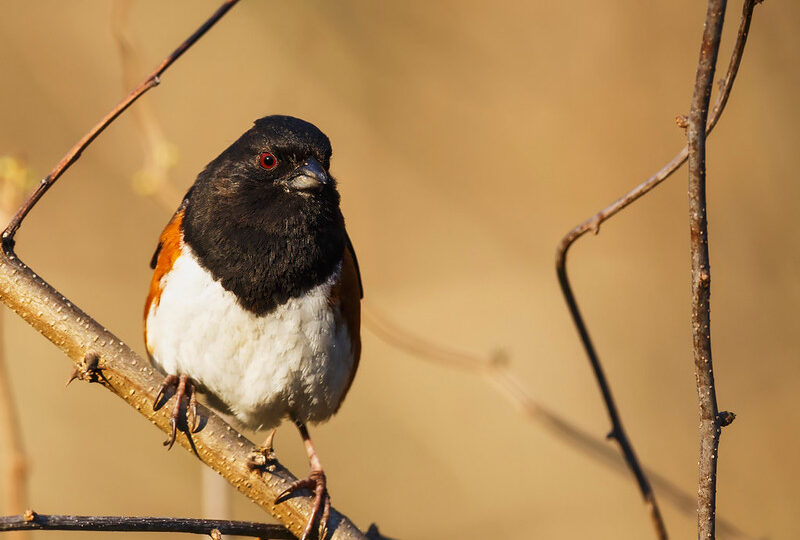
The 2025 U.S. State of the Birds report was released recently.   The report is produced by a coalition of leading science and conservation organizations.  The bottom line is that there have been continued widespread declines in American bird populations across all mainland and marine habitats. 

More than one-third of U.S. bird species are of high or moderate conservation concern.  Among these, 112 are tipping point species that have lost more than 50% of their populations over the last 50 years. 

Protecting bird species is not just about biodiversity and stewardship of nature.  Wild birds have surprisingly large economic impact.  Nearly 100 million Americans are engaged in birding activities which contribute substantially to local and state economies.  The 2022 National Survey of Fishing, Hunting, and Wildlife-Associated Recreation estimated that the total economic output related to bird watching activities was an amazing $279 billion and birding-related activities support 1.4 million jobs.  Bird watching and other encounters with nature are beneficial for human well-being, including reducing stress, anxiety, and depressive symptoms.

The rapid declines in birds are related to habitat loss, environmental degradation, and extreme weather events.  Moreover, if conditions are not healthy for birds, they are unlikely to be healthy for people as well.  Fortunately, many actions that are good for birds are good for us, so conservation efforts going forward are important.

**********

Web Links

State of America’s birds: Population declines continue

Photo, posted October 30, 2018, courtesy of Shenandoah National Park via Flickr.

Earth Wise is a production of WAMC Northeast Public Radio
Glacial Loss In The Swiss Alps | Earth Wise

December 14, 2022 By EarthWise Leave a Comment

Record glacial loss in the Swiss Alps

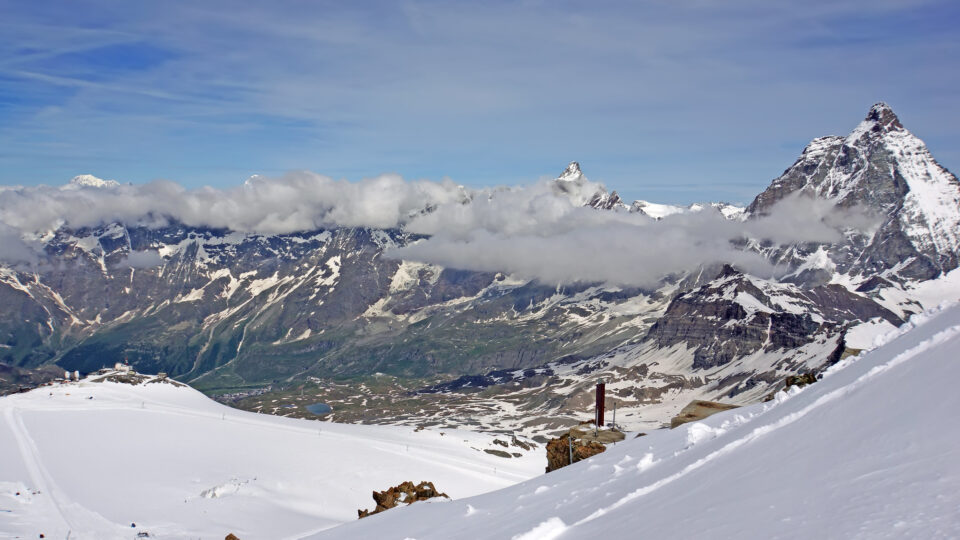
In 2022, glaciers in the Swiss Alps melted more than in any year on record.   This is the latest piece of bad news for the country’s glaciers, which have lost more than half of their volume of ice since the 1930s.

The melting season for Switzerland’s snow and ice typically starts in May and ends in early October.  This year’s melting season caused glaciers in the Diablerets mountain group to thin by an average of 13 feet, which is 3 times the amount of thinning observed over the past decade.   The Tsanfleuron pass between two of the glaciers is now exposed as bare rock for the first time in several thousand years. Across Switzerland, glaciers lost about 6% of their remaining volume just this year.  The previous worst year for glaciers was 2003, when losses were nearly 4%. 

There was significant melting this year in part because of the small amount of snowfall over the winter.  That snow melted quickly, being sped up by the warming effect of dust from the Sahara Desert falling on the snow.  By early summer, there was no longer a protective blanket of snow on the glaciers, exposing them to summer heat.

The loss of glaciers is far more serious than the disappearance of aesthetically pleasing landscape features.   Glaciers act as reservoirs of water that persist through the summer months.  Melt from glaciers provides water to ecosystems and creates habitats for plants and animals.  Cold runoff from glaciers affects downstream water temperatures which have a major impact on insects, fish, and other creatures.  Globally, melting glaciers contribute more than 20% of the observed ongoing sea-level rise.

**********

Web Links

Rocky Road for Swiss Glaciers

Photo, posted June 22, 2015, courtesy of Dennis Jarvis via Flickr.

Earth Wise is a production of WAMC Northeast Public Radio

Primary Sidebar

Recent Episodes

  • An uninsurable future
  • Clean energy and jobs
  • Insect declines in remote regions
  • Fossil fuel producing nations ignoring climate goals
  • Trouble for clownfishes

WAMC Northeast Public Radio

WAMC/Northeast Public Radio is a regional public radio network serving parts of seven northeastern states (more...)

Copyright © 2026 ·