• Skip to primary navigation
  • Skip to main content
  • Skip to primary sidebar

Earth Wise

A look at our changing environment.

  • Home
  • About Earth Wise
  • Where to Listen
  • All Articles
  • Show Search
Hide Search
You are here: Home / Archives for atmosphere

atmosphere

The health impacts of gas venting and flaring

April 15, 2024 By EarthWise Leave a Comment

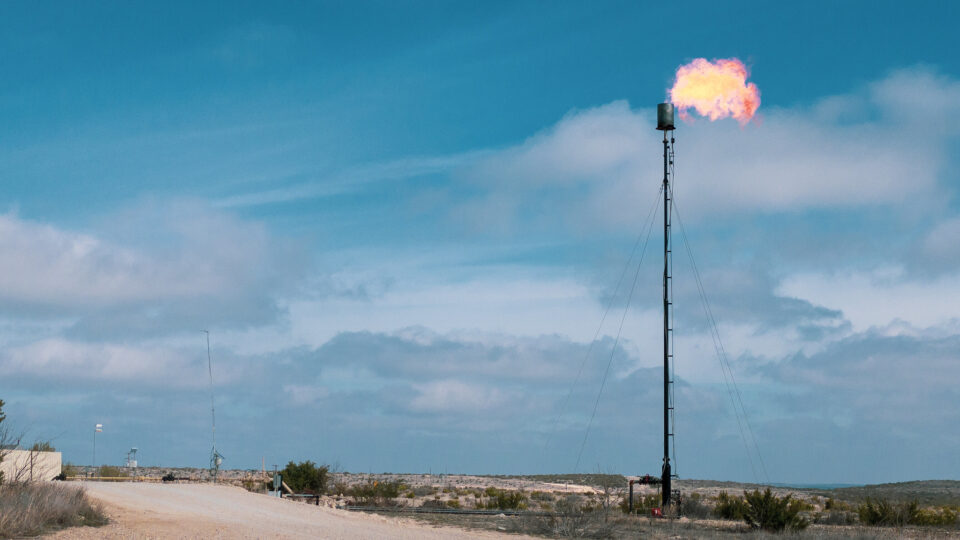
Oil and gas producers around the world use venting and flaring to remove excess natural gas in crude oil production.  Flaring is the process of burning excess natural gas at the production well using a flare to ignite the methane and other components in the gas, while venting is the direct release of natural gas into the atmosphere. 

Both practices are major sources of greenhouse gas emissions contributing to global warming.   Venting and flaring release carbon dioxide and methane – two major greenhouse gases. 

The practices contribute to air pollution in surrounding and downwind communities, resulting in increased risk of hospitalizations, emergency room visits, worsening asthma, and even premature death.  In fact, according to a new study recently published in the journal GeoHealth, pollution from oil and gas venting and flaring results in $7.4 billion in health damages, more than 700 premature deaths, and 73,000 asthma exacerbations among children in the United States annually. 

The study, which was led by researchers at the University of North Carolina, Boston University, and the Environmental Defense Fund, also found that emissions are underreported, and controlling emissions would be profitable for operators and would significantly improve public health.

The research team found that Texas, Pennsylvania, and Colorado had the highest health burdens in this analysis, accounting for 45% of the premature deaths. 

The researchers hope their findings will help improve air quality and human health by reducing emissions from venting and flaring. 

**********

Web Links

New study quantifies health impacts from oil and gas flaring in U.S. 

Photo, posted June 20, 2020, courtesy of Jonathan Cutrer via Flickr.

Earth Wise is a production of WAMC Northeast Public Radio

How to make cities cooler

March 26, 2024 By EarthWise Leave a Comment

Green spaces and waterways help keep cities cool

In cities, the air, surface, and soil temperatures are almost always warmer than in rural areas. This is known as the urban heat island effect.  Urban heat islands occur when cities replace natural land cover with dense concentrations of pavement, buildings, and other surfaces that absorb and retain heat.

Urban planners around the world have been researching ways to reduce the effects of heat in cities.  For example, trees, green roofs, and vegetation can help reduce urban heat island effects by shading building surfaces, deflecting radiation from the sun, and releasing moisture into the atmosphere.

A new study led by researchers from the University of Surrey in the U.K. has analyzed how well various green spaces and waterways are able to cool down cities.  The study, which was recently published in the journal The Innovation, found that wetlands, parks, and even botanical gardens are among the best ways to keep cities cool.   

In fact, the researchers found that botanical gardens can cool city air by a whopping 9°F during heatwaves on average.  Wetlands can cool city air by 8.5°F on average, followed by rain gardens at 8.1°F, green walls at 7.4°F, street trees at 6.8°F, city farms at 6.3°F, city parks at 5.8°F, and reservoirs and playgrounds at 5.2°F. 

The researchers also found that cities can unlock even greater benefits by connecting green spaces into green corridors.  Greening projects can also help remove carbon emissions and prevent flooding.

The research team hopes its findings will help urban planners design more resilient cities. 

**********

Web Links

Wetlands, parks and even botanical gardens among the best ways to cool cities during heatwaves

Photo, posted April 25, 2022, courtesy of Catherine Poh Huay Tan via Flickr.

Earth Wise is a production of WAMC Northeast Public Radio
Greenland is greening

March 21, 2024 By EarthWise Leave a Comment

Greenland is greening

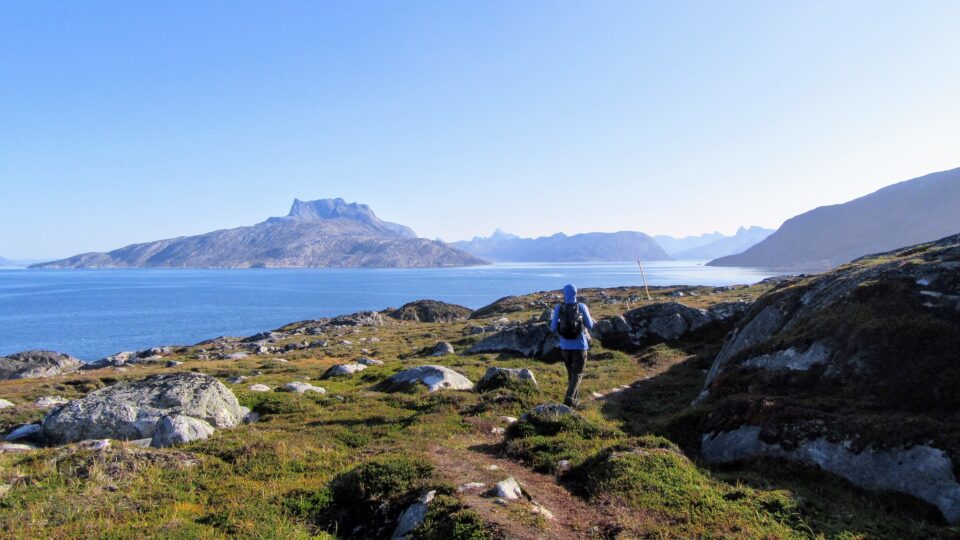
Despite their names, Iceland is very green, and Greenland is very icy.  But in Greenland, that is changing.  Temperatures in the world’s largest island are rising twice as fast as they are in the rest of the world and, as a result, the icy rocky landscape is turning increasingly green.

Satellite records reveal that over the last three decades Greenland has lost 11,000 square miles of ice, which is an area about the size of Massachusetts.  As the ice melts off, tundra and shrublands takes its place.  The ice melt moves sediment and silt and eventually wetlands and fenlands are formed.

Between the late 1980s and the late 2010s, the areas of Greenland covered by vegetation have more than doubled.  The new green areas cover roughly 33,000 square miles, which is an area the size of Maine.

Greenland’s dramatic changes are the result of the warming climate, but in turn, those changes are accelerating climate change.  Land covered with dark green vegetation absorbs more energy from the sun thereby warming the air whereas ice-covered landscapes reflect much of the sun’s energy back into space.  In addition, the rapidly expanding wetlands are a significant source of methane, which traps even more heat in the atmosphere.

Greenland is a poster child for the effects of climate change.  Its glaciers and icecaps are shrinking, glacier-fed lakes are expanding, permafrost lakes are draining, and rivers are transporting vast amounts of sediment and widening.  All of this is going on as its vegetation cover and species diversity is expanding.

**********

Web Links

In Icy Greenland, Area Covered by Vegetation Has More Than Doubled in Size

Photo, posted September 20, 2019, courtesy of Amanda via Flickr.

Earth Wise is a production of WAMC Northeast Public Radio

Why was 2023 so hot?

February 2, 2024 By EarthWise Leave a Comment

Explaining what factors led to 2023 being so hot

Five separate weather-tracking organizations have proclaimed 2023 as the hottest year on record. They all agreed that 2023 beat the previous record-holder – 2016 – by a wide margin.  Organizations that use a pre-industrial baseline of 1850-1900 found that 2023 was 1.45 to 1.48 degrees Celsius above the baseline.  But what caused 2023 – especially the second half of it – to be so hot?

Scientists believe that there were multiple factors that contributed to the record-breaking heat.

First and foremost is the long-term rise in greenhouse gases.  Over 100 years of burning fossil fuels along with major changes in land use (particularly deforestation) have led to a significant rise in the heat-trapping blanket of the gases in the atmosphere.

On top of this long-term trend, the return of the El Niño condition in the Pacific in May helped temperatures rise further.

At the same time, the tropical Pacific was not the only ocean that was hotter than normal.  The global sea surface temperature set new records in 2023 and there were multiple marine heat waves.  Heat trapped by the atmosphere is absorbed by the oceans, raising their temperatures.

Another factor is the quantity of aerosols in the atmosphere.  Many of these aerosols actually cool the atmosphere by reflecting the sun’s light back into space.  Society’s efforts to reduce air pollution and improve air quality have led to decreasing levels of aerosols.

2024 started with some seriously cold weather in some places but predictions are that this year will be roughly as warm as 2023 and possibly warmer given that the dynamics driving last year’s weather are all still in place.

*********

Web Links

Five Factors to Explain the Record Heat in 2023

Photo, posted February 22, 2016, courtesy of Jasmin Toubi via Flickr.

Earth Wise is a production of WAMC Northeast Public Radio
Solar forests

January 22, 2024 By EarthWise Leave a Comment

To plant trees or install solar panels is the question

Forests are one of the most iconic symbols of the power and diversity of nature but beyond that, their thick vegetation is crucial to the stability and balance of the Earth’s climate.  This is because the photosynthesis that powers the growth of plants removes carbon dioxide from the air.  Cutting down forests – especially the evergreen forests of the tropics – has played a significant role in the increasing climate crisis.  For this reason, many environmental initiatives focus on restoring destroyed forests and planting new trees.

But the truth is, even if we were to cover the entire surface of the planet with trees, there would still not be enough photosynthesis going on to absorb the huge surplus of carbon dioxide that people have been pumping into the atmosphere for the past 150 years.

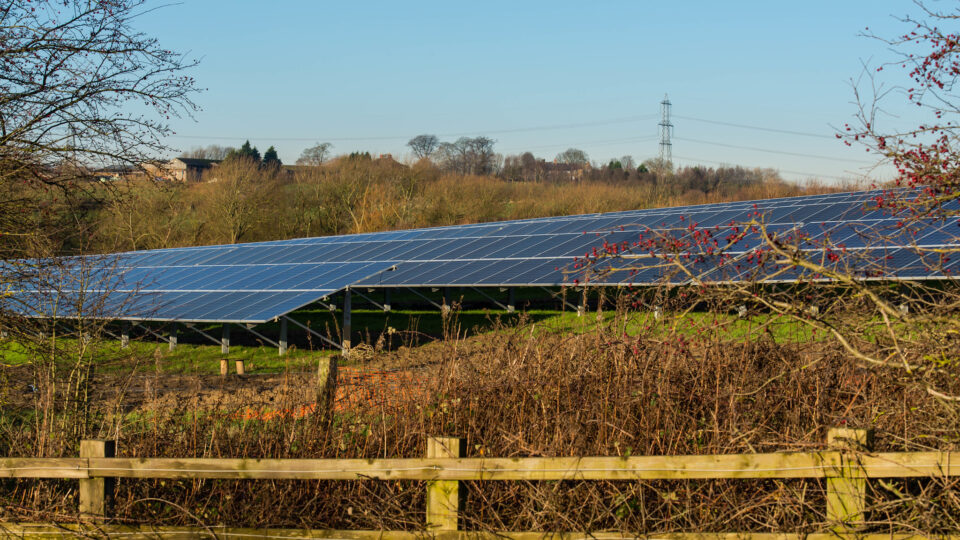
A study by the Weizmann Institute of Science in Israel looked at the impact of erecting fields of dark covered solar panels – so-called solar forests – that would generate electricity, thereby replacing power stations that use fossil fuels.  But dark fields absorb heat which eventually returns to the atmosphere.

The question is:  what is the best use of a plot of land in terms of the effect on the climate?  Planting a forest or erecting fields of solar panels?

The answer depends on where the land is.  In arid environments, building solar farms is far more effective and practical than planting forests.  But in humid places, forests currently absorb close to a third of humanity’s annual carbon emissions. 

The study concludes that combining planting and rehabilitating forests in humid regions and erecting fields of solar panels in arid regions is the most effective strategy.

**********

Web Links

The Solar Forest

Photo, posted December 27, 2015, courtesy of Gerry Machen via Flickr.

Earth Wise is a production of WAMC Northeast Public Radio
Billion-dollar weather disasters

January 19, 2024 By EarthWise Leave a Comment

An increasing number of billion-dollar weather disasters

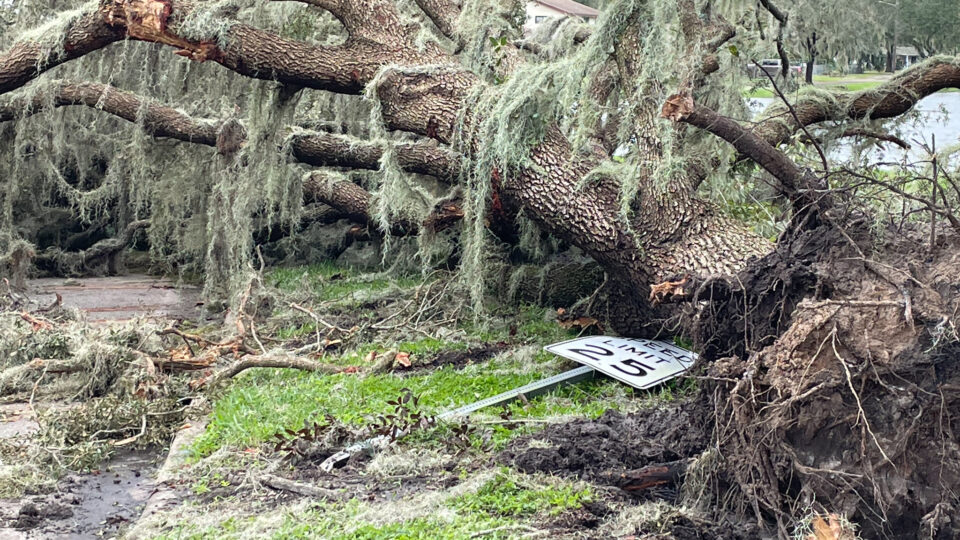
All sorts of weather records were set in 2023 and pretty much none of them were good news.  Among the most painful was that the U.S. suffered a record 25 weather- and climate-related disasters that caused more than a billion dollars in damage.

The increasing accumulation of greenhouse gases in the atmosphere has increased the frequency, intensity, and danger of extreme weather events of all types including hurricanes, severe storms, heavy rainfall, flooding, wildfire, extreme heat, and drought.

Between 1980 and 2022, the U.S. averaged eight billion-dollar weather disasters each year, according to data from the National Oceanic and Atmospheric Administration.  Between 2018 and 2022, the average was 18 such disasters each year.  Last year, it was a record 25, three more than the previous record set in 2020.

The onslaught of weather disasters has put considerable pressure on disaster relief and emergency services of all kinds.  It seems like there are catastrophic events happening all the time; and in fact, there are.  The average time between billion-dollar disasters has dramatically shrunk.  In the 1980s, there was an average of 82 days between them.  Between 2018 and 2022, the lull between billion-dollar disasters dropped to an average of just 18 days.  For the first eleven months of 2023, the average time between billion-dollar weather disasters was just 10 days.

The global average temperature in 2023 was 1.4 degrees Celsius above the pre-industrial average and the effects have been increasingly dramatic.  We can expect that the impacts will worsen with every bit of additional warming.  There is no time to waste in taking climate action.

**********

Web Links

A Record Number of Billion-Dollar Weather Disasters Hit the U.S. in 2023

Photo, posted September 29, 2022, courtesy of State Farm via Flickr.

Earth Wise is a production of WAMC Northeast Public Radio

What did the record warmth of 2023 mean?

January 16, 2024 By EarthWise Leave a Comment

2023 was the warmest year in the 174 years of global temperature record-keeping.  According to some analyses, it may have been the warmest year in the past 125,000 years.

There were incredible heatwaves in Arizona and Argentina.  There were relentless wildfires across Canada.  The wintertime ice coverage in the seas surrounding Antarctica was at unprecedented lows

The global temperatures in 2023 did not just beat prior records; they smashed them.  Every month from June through November set all-time monthly temperature records. The US Northeast saw springlike temperatures at the end of the year.  The high temperature in Buffalo, New York on Christmas Day was 58 degrees.

Climate scientists have been predicting the warming trend that has been ongoing over the past several decades.  Indeed, computational models for 2023 called for a warm year.  Various models had a variety of projected temperatures and 2023’s heat was still broadly within the range of what was projected, although certainly at the high end.

The question is whether last year was an indicator that the planet’s warming is accelerating faster than we expect or that it just was a particularly warm year because of cyclical factors such as the El Niño that appeared last spring.

One theory that is being explored is that various types of industrial pollution have previously actually served to cool the atmosphere over time and as those sources are reduced for public health reasons, the warming effects of greenhouse gases have accelerated.

Currently, there is no consensus about why it seems to be getting warmer even faster than many climate models predict.  What there is no doubt about is that it is not a good thing.

**********

Web Links

Earth Was Due for Another Year of Record Warmth. But This Warm?

Photo, posted June 8, 2023, courtesy of Anthony Quintano via Flickr.

Earth Wise is a production of WAMC Northeast Public Radio
Record high emissions

January 3, 2024 By EarthWise Leave a Comment

Record high emissions in 2023

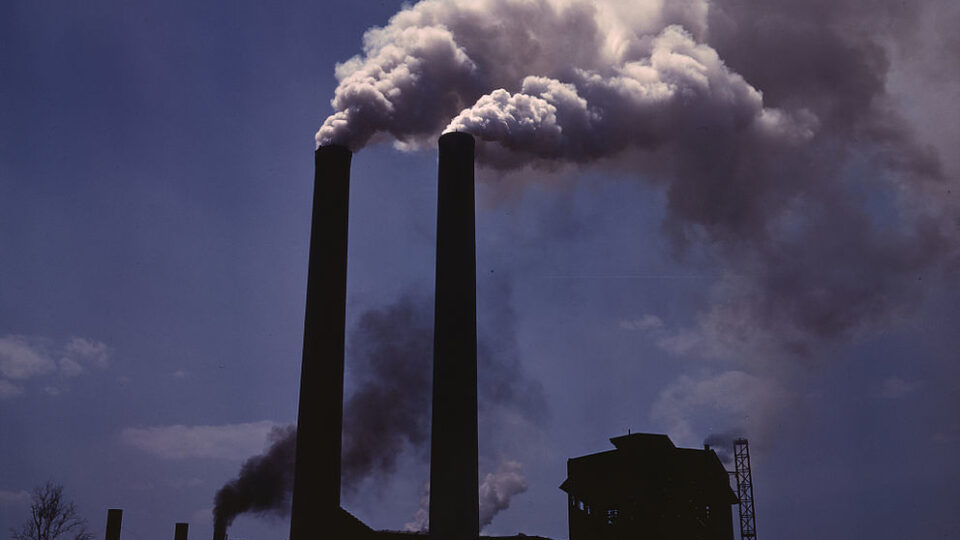
The world is adding solar and wind power to the grid.   We are driving more and more electric cars.  Countries are pledging to cut back fossil fuel use.  There are highly visible international conferences on the climate crisis.   But despite all of these things, global carbon emissions from fossil fuels have risen once again in 2023, reaching all-time record high levels of more than 40 billion tons, about 1.1% more than the previous year.

In some places, including Europe and the U.S., fossil fuel CO2 emissions are falling, but globally, they are still rising.  Emissions continued to increase in India and China.  Global action to cut fossil fuel use is not happening fast enough to prevent the increasingly dangerous effects of climate change.

Global CO2 emissions include both the contributions of fossil fuel use and the effects of land use change.  Adding the two together, in 2023 the total was about 45 billion tons, basically unchanged from last year. 

Adding insult to injury are the emissions from fires.  The extreme wildfire seasons in Canada, Australia, and other places have contributed CO2 emissions much larger than historical averages.

About half of all the carbon dioxide emitted on Earth is absorbed by carbon sinks on land and the oceans.  The other half remains in the atmosphere, where levels are now averaging 419 parts per million, 51% above pre-industrial levels.

Current efforts are simply not profound enough or widespread enough to put global emissions on a downward trajectory.  Some climate policies in some places are proving effective, but much more needs to be done.

**********

Web Links

Fossil CO2 emissions at record high in 2023

Photo, posted December 18, 2013, courtesy of Steve Nelson via Flickr.

Earth Wise is a production of WAMC Northeast Public Radio
The importance of Alaska’s National Forests

December 22, 2023 By EarthWise Leave a Comment

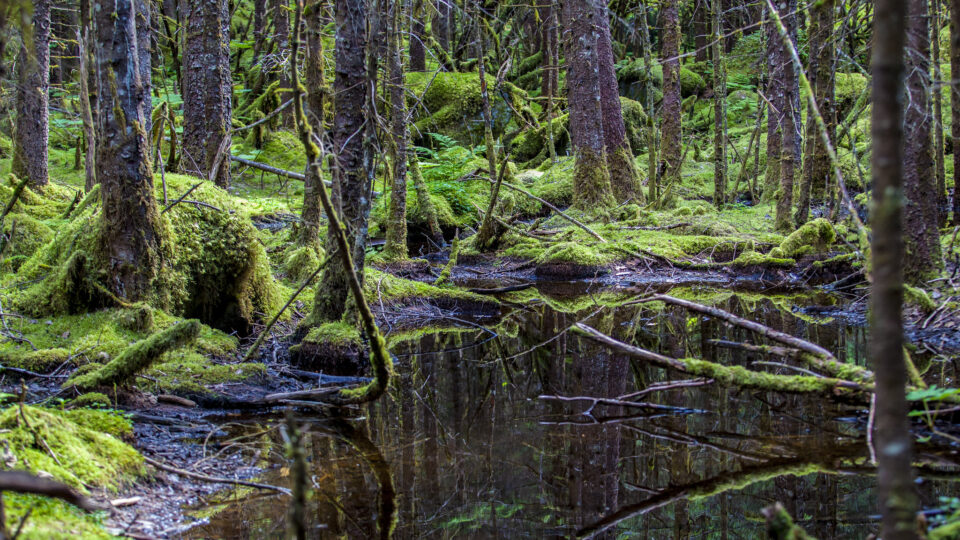
The world’s forests play a crucial role in taking carbon out of the atmosphere and mitigating the effects of climate change.  An analysis of U.S. national forests shows that two southern Alaskan forests are key to meeting climate and biodiversity goals.

The Tongass Forest in Alaska is America’s largest national forest, encompassing 16.7 million acres.  Alaska’s Chugach Forest is the country’s second largest at just under 7 million acres.  These two forests are not only the largest national forests, they are also the most intact. 

A study by researchers at the Oregon State University College of Forestry looked at 152 national forests and compared them in terms of carbon density and accumulation, total biomass carbon stocks, habitat for eagles, bears, and wolves, and landscape integrity – which is the extent of modification by human activity.  According to the study, almost 31% of all high-landscape-integrity area found in national forests is in the Tongass and Chugach forests.  The Tongass alone represents over 25%.

These forests are cool and wet.  Their carbon stocks are only minimally affected by wildfire, unlike many other forests in the lower 48 states.  Given the size and stability of the two forests, protecting them is a high priority for making it possible to meet global goals relating to climate and diversity of species.

Ecosystems remove about 30% of all the carbon dioxide humans put into the atmosphere and intact forests with high carbon density do most of that work.  Protecting Alaska’s forests is crucial.

**********

Web Links

Southern Alaska’s national forests key to meeting climate, conservation goals, OSU study shows

Photo, posted August 4, 2014, courtesy of Jeff Canon via Flickr.

Earth Wise is a production of WAMC Northeast Public Radio
Moisture swing carbon capture

November 10, 2023 By EarthWise Leave a Comment

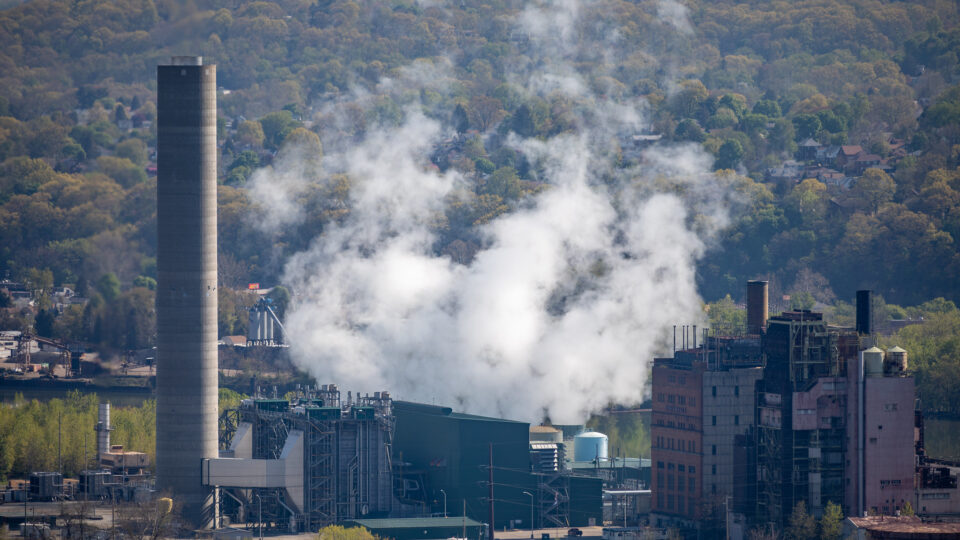
As the world grapples with limiting the amount of carbon dioxide in the atmosphere, there is a growing need to capture the carbon dioxide that is emitted as well as preventing it from being emitted in the first place.  Carbon capture can be accomplished at the source of emissions (such as power plants) or it can be done by taking it out of the atmosphere.  The latter is called “direct air capture”.

It is not at all clear whether direct air capture can be accomplished on a scale that would really make a difference and at an acceptable cost either in dollars or energy expended.  But if it can be done that way, it would be a major tool in combatting climate change.

Direct air capture technology generally makes use of sorbent materials whose capacity to capture carbon dioxide and later release it is a function of temperature.  The process requires significant amounts of energy to release the carbon dioxide that has been captured. 

New research from Northwestern University makes use of the “moisture-swing” technique which uses materials whose ability to capture and release carbon dioxide depends on humidity rather than temperature.  While it takes some amount of energy to humidify the volume of air containing the sorbent material, it is very small compared to temperature-driven systems. 

There are many groups working with moisture-swing technology, but the Northwestern Group has identified a number of new sorbent materials with superior properties.

The fundamental questions of scalability and cost remain, but moisture-swing is a promising approach to direct air capture.  If carbon dioxide can be pulled out of the atmosphere in large volumes, it can be concentrated and stored or converted into useful products.

*********

Web Links

Pulling carbon dioxide right out of the air

Photo, posted May 15, 2020, courtesy of James Watt via Flickr.

Earth Wise is a production of WAMC Northeast Public Radio
Plastics In The Air | Earth Wise

October 25, 2023 By EarthWise Leave a Comment

Plastic pollution is a growing problem

Plastic pollution is a big deal.  There are plastics clogging up landfills and waterways and accumulating in the oceans, choking turtles and seabirds.  Annual production of plastics has grown from 2 million tons a year in 1950 to more than 450 million tons today.

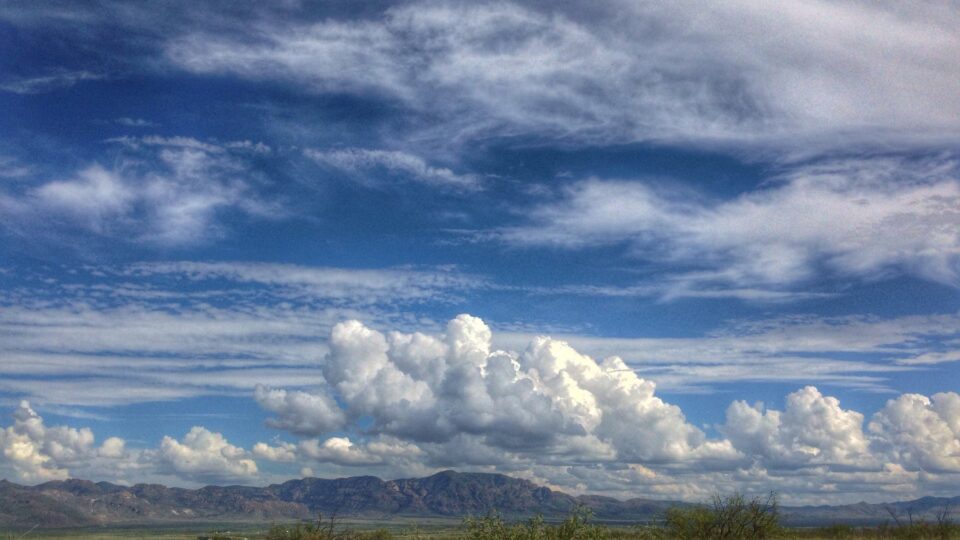
As if plastic problems weren’t already big enough, it is becoming increasingly clear that there are growing amounts of microplastic particles in the air. Bits of plastic are lofted into the sky from seafoam bubbles and from spinning tires on highways.  The particles are so light that they can travel for thousands of miles, far from where they originate.

Studies in recent years documented the presence of plastic particles even in places like the Pyrenees in Europe and in federally protected areas of the US.  Other studies have measured the quantity of plastic in the air of various locations and have looked at the origins of the particles.

In the western US, over 80% of microplastics came from roads where vehicles kick up particles from tires and brakes.   In remote areas of the Pacific, there is less than a single particle of plastic per cubic meter of air.  In cities like London and Beijing, on the other hand, there can be several thousand particles per cubic meter.

Microplastics can act as airborne aerosols, like dust, salt, soot, volcanic ash, and other particles.  Aerosols play an important role in the formation of clouds and in temperature regulation on the earth.  At low concentrations, such as exist in most places, microplastic aerosols don’t have much of an effect.  But there are more in the atmosphere all the time and, at this point, scientists don’t really know what effect they will have.

**********

Web Links

Microplastics Are Filling the Skies. Will They Affect the Climate?

Photo, posted August 28, 2014, courtesy of Alan Levine via Flickr.

Earth Wise is a production of WAMC Northeast Public Radio
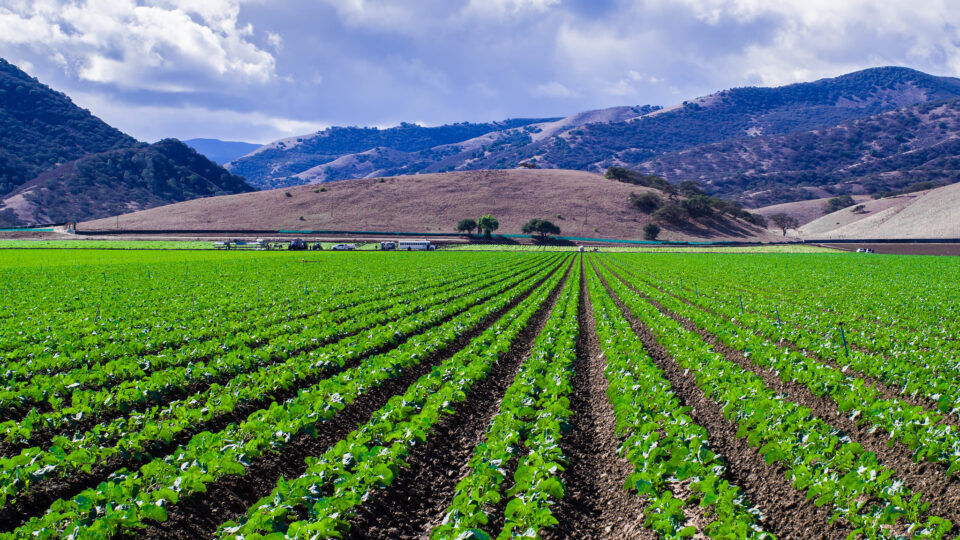
Planting Rocks To Capture Carbon | Earth Wise

September 8, 2023 By EarthWise Leave a Comment

Getting humanity to stop dumping carbon dioxide into the atmosphere continues to be very challenging regardless of how increasingly apparent the need to do so becomes.  For this reason, climate change mitigation strategies increasingly include interventions in the form of removing carbon dioxide that is already there.  There are a variety of ways to draw carbon dioxide out of the atmosphere, but they face a host of technological, economic, and even environmental difficulties.

A new study at Yale University evaluated a type of climate intervention called enhanced rock weathering.  Rock weathering is a natural chemical process by which certain minerals absorb carbon dioxide over time.  Enhanced rock weathering is simply speeding up weathering such so it can have beneficial results soon enough to make a difference.

The study explored the potential of applying crushed basalt, which is a fast-weathering rock that forms when lava cools, to agricultural fields around the world.  Basically, the idea is for farmers to mix the crushed rocks into their fields. There is no real downside to doing this.  In fact, adding crushed basalt to fields rejuvenates depleted soils and helps counter ocean acidification.

The study simulated the results of enhanced rock weathering on 1,000 agricultural sites around the world.  Over a 75-year period, these sites would remove 64 billion tons of carbon dioxide from the atmosphere.  This is roughly the amount climate scientists believe is needed to take out of the atmosphere. 

Enhanced rock weathering has been used on a small scale on farms around the world.  Perhaps it is time to ramp up its use.

**********

Web Links

‘Planting’ rocks in farms, along with emissions reductions, could help meet key IPCC carbon removal goal

Photo, posted January 14, 2023, courtesy of Ron Reiring via Flickr.

Earth Wise is a production of WAMC Northeast Public Radio

Endangered Plants And The Changing Climate | Earth Wise

August 31, 2023 By EarthWise Leave a Comment

Plants are a critical resource because of the countless ways they support life on Earth. Plants release oxygen into the atmosphere, absorb carbon dioxide, and provide food and habitat for humans and wildlife.  Plants are also used to produce fibers, building materials, and medicines. 

Plants form the backbone of natural ecosystems, and absorb about 30% of all the carbon dioxide emitted by humans each year.  But plants are struggling to adapt in a human-dominated world.  Even though they are easier and cheaper to protect than animals, plants are often overlooked in conservation efforts.

Ironically, conservation efforts appear to be overlooking a key threat to endangered plants.  According to a new study led by researchers from Penn State University, all plants and lichens listed as endangered under the Endangered Species Act are sensitive to climate change, but there are few plans in place to address that threat directly. 

The threat that climate change poses to endangered plants and lichens had not been thoroughly evaluated in more than a decade.  In the study, which was recently published in the journal PLOS Climate, the research team adapted existing assessment tools used to examine the threat of climate change for wild animals and applied them to 771 endangered plant species.  The researchers found that all endangered plant and lichen species are at least slightly threatened by climate change, and little is being done to protect the listed species from that threat.

The researchers hope their findings will be used to aid future conservation planning.  After all, plants can live without humans, but humans cannot live without plants.

**********

Web Links

Climate change threatens 771 endangered plant and lichen species

Photo, posted June 12, 2014, courtesy of Mark Freeth via Flickr.

Earth Wise is a production of WAMC Northeast Public Radio
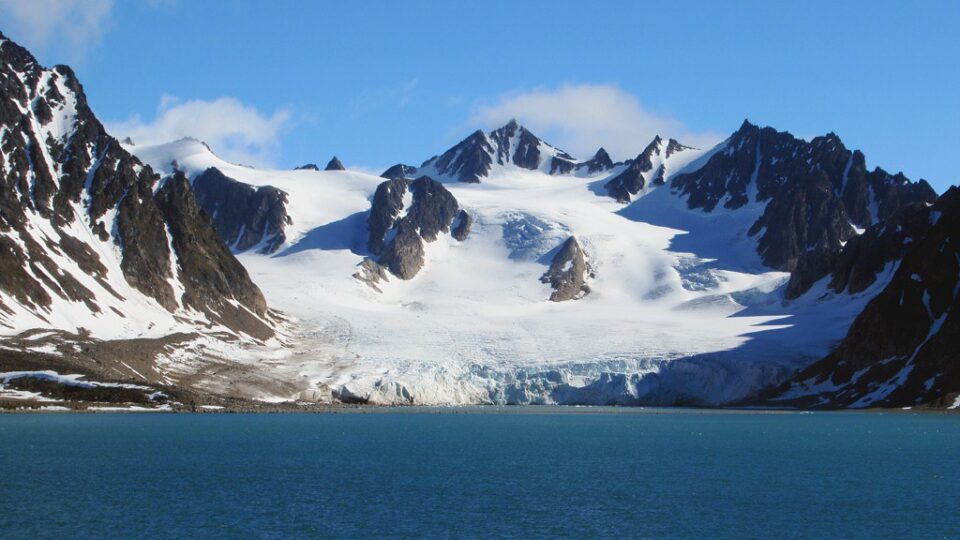
Shrinking Glaciers And Methane | Earth Wise

August 1, 2023 By EarthWise Leave a Comment

Shrinking glaciers pose an underestimated climate risk

The Arctic region is warming much faster than the rest of the planet.  In fact, according to a study published last year in the journal Nature, the Arctic has been warming nearly four times faster than the rest of the globe during the last 43 years.  This rapid warming is leading to substantial reductions in sea ice, thawing of permafrost, shifts in wildlife populations, and changes in ocean circulation patterns, among other changes. 

According to new research recently published in the journal Nature Geoscience, shrinking glaciers in the warming Arctic are exposing bubbling groundwater springs, which could provide an underestimated source of methane, a potent greenhouse gas.  Methane is more than 25 times as potent as carbon dioxide at trapping heat in the atmosphere.

The study, which was led by researchers from the University of Cambridge and the University Centre in Svalbard, Norway, found large sources of methane gas leaking from groundwater springs unveiled by melting glaciers. 

As glaciers retreat in the Norwegian archipelago of Svalbard and leave behind newly exposed land, groundwater beneath the Earth seeps upward and forms springs. In 122 out of the 123 springs studied, the research team found that the water was highly concentrated with dissolved methane.  When the spring water reaches the surface, the excess methane can escape to the atmosphere. 

Researchers are concerned that additional methane emissions released by the Arctic thaw could dramatically increase human-induced global warming.  If this phenomenon in the Svalbard archipelago is found to be more widespread across the Arctic — where temperatures are quickly rising and glaciers melting — the methane emissions could have global implications. 

**********

Web Links

The Arctic has warmed nearly four times faster than the globe since 1979

Shrinking Arctic glaciers are unearthing a new source of methane

Photo, posted October 22, 2022, courtesy of David Stanley via Flickr.

Earth Wise is a production of WAMC Northeast Public Radio
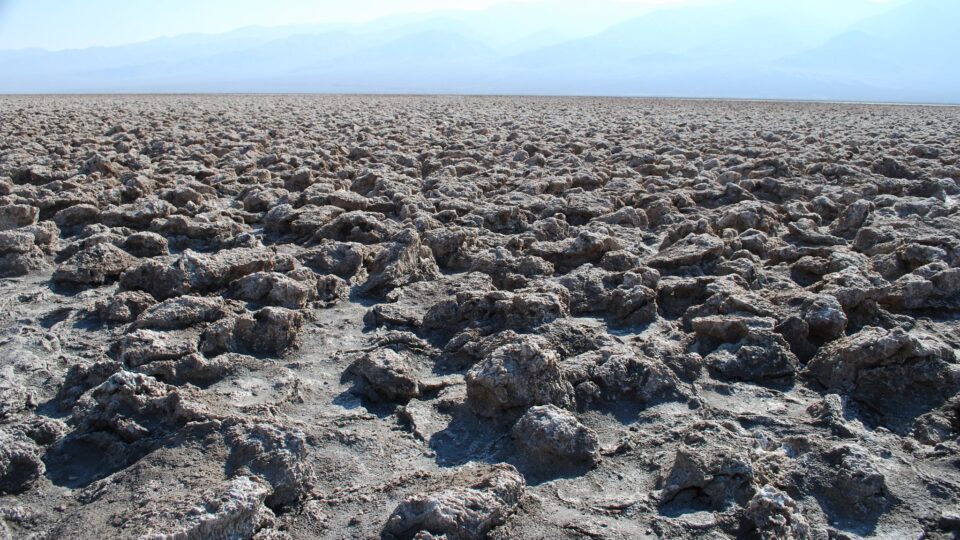
The World’s Hottest Day | Earth Wise

July 27, 2023 By EarthWise Leave a Comment

Early in July – for four days in a row – the average global temperature was the highest ever recorded.  As many places around the world endured dangerous heatwaves, the average global temperature on the fourth of July reached 62.92 degrees Fahrenheit, the highest ever recorded by human-made instruments.  On July 6th, the global temperature climbed even further to 63.01 degrees.

The average global temperature on an annual basis was about 56.7 degrees from the 1880s through the 1910s.  Temperatures rose a bit after that but ended up about 57.2 degrees until the 1980s.  After that, temperatures have risen fairly steadily as heat-trapping gases have accumulated in the atmosphere driving the current average above 58 degrees.

Global temperatures have only been directly measured since the mid-20th century.  There are proxy measurements from sources like tree rings, ice core samples, glacier measurements, and more that indicate that the recent readings may be the warmest days the earth has seen in millennia.

Average global temperature is determined using temperature readings at thousands of locations on both land and sea across the entire planet.  Those readings are compared with average temperatures at those locations for the date and the difference (known as the temperature anomaly) used to calculate a global average.

With the recent arrival of the El Niño in the Pacific Ocean, it is likely that the warming already being driven by greenhouse gas accumulation will intensify further. 

In a summer already marked by extreme heatwaves in many locations, having the entire planet 4 or 5 degrees hotter than normal is a very big deal and most certainly not a record to celebrate.

**********

Web Links

Earth reaches hottest day ever recorded 4 days in a row

Photo, posted October 29, 2008, courtesy of Darek via Flickr.

Earth Wise is a production of WAMC Northeast Public Radio
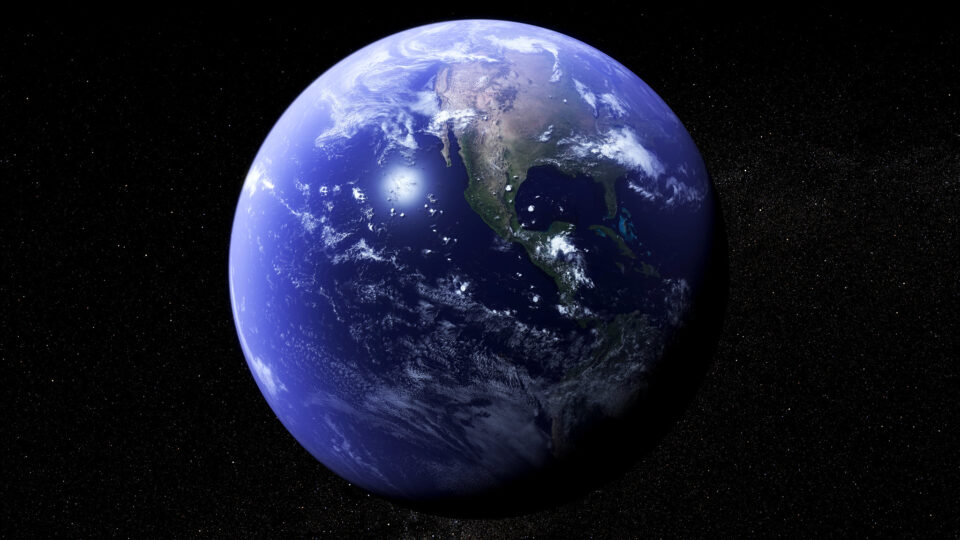
An Unwanted Temperature Threshold Is Approaching | Earth Wise

July 3, 2023 By EarthWise Leave a Comment

An alarming temperature threshold is approaching

According to the World Meteorological Organization, there is a 66% chance over the next five years that the Earth’s global temperature will exceed 1.5 degrees Celsius above pre-industrial levels for at least one year.

A combination of the continued accumulation of greenhouse gases in the atmosphere along with a looming El Niño condition will contribute to surging temperatures.  The WMO also reports that there is a 98% likelihood that at least one of the next five years will be the warmest on record and that the five-year period as a whole will be the warmest on record.

Reaching or surpassing the 1.5-degree threshold may only be temporary but would be the strongest indication yet of how quickly climate change is accelerating.   The 1.5-degree point is considered by many scientists to be a key tipping point, beyond which the chances of extreme flooding, drought, wildfires, heatwaves, and food shortages could increase dramatically.

The world has already seen about 1.2 degrees of warming as we continue to burn fossil fuels and produce enormous quantities of greenhouse gas emissions.  As recently as 2015, the WMO put the chance of breaching the 1.5-degree threshold as close to zero.

It is important to understand that the 1.5-degree temperature increase is an average for the entire planet.  Many individual locations around the world have been experiencing tremendously greater amounts of warming with record-breaking temperatures.

The 1.5-degree threshold is important, but it is not itself a tipping point.  There is still time to reduce global warming by moving away from fossil fuels and towards clean energy.  But the clock is ticking and so far, the world is not showing any urgency.

**********

Web Links

‘Sounding the alarm’: World on track to breach a critical warming threshold in the next five years

Photo, posted May 20, 2015, courtesy of Kevin Gill via Flickr.

Earth Wise is a production of WAMC Northeast Public Radio

The Upper Atmosphere Is Cooling | Earth Wise

June 26, 2023 By EarthWise Leave a Comment

The upper atmosphere is cooling

The part of the atmosphere closest to the Earth’s surface has been warming since the Industrial Revolution.  This warming is associated with increasing amounts of carbon dioxide as well as other human-made chemicals that have been changing the makeup of the atmosphere. Climate change is generally thought about in terms of the lowest regions of the atmosphere – known as the troposphere – where our weather happens.

But climate models also predict that another result of the changes to the makeup of the atmosphere is that most of the atmosphere up higher will get dramatically colder.  The same gases that are warming the bottom few miles of air are cooling the much greater expanses above that extend to the edge of space.

Recent satellite data has confirmed the accuracy of these models and provide further confirmation of the human fingerprint of climate change. The natural variability of weather that complicates climate models does not play a role in the upper atmosphere.

In the higher levels of the atmosphere, the effects of increasing levels of carbon dioxide are quite different.  In the thinner air up there, the heat trapped and re-emitted by CO2 does not bump into other molecules creating warming.  Instead, it escapes to space.  Combined with the trapping of heat at lower levels, the result is a rapid cooling of the upper atmosphere.

There are potential problems associated with the cooling upper atmosphere including that it is contracting.  The result is that the crowd of manmade objects in low orbit remains there longer, and there is a potential increased degradation of the ozone layer. 

The changes we are making to the atmosphere are having significant effects from the surface of the earth to the edge of space.

**********

Web Links

The Upper Atmosphere Is Cooling, Prompting New Climate Concerns

Photo, posted August 18, 2021, courtesy of Arek Socha via Flickr.

Earth Wise is a production of WAMC Northeast Public Radio

Reducing Cattle-Driven Deforestation | Earth Wise

June 14, 2023 By EarthWise Leave a Comment

The Amazon rainforest is the biggest rainforest in the world, larger than the next two biggest combined.  It covers more than three million square miles, roughly the size of the lower 48 states.  The Amazon functions as a critical sink for carbon in the atmosphere.

However, human activity has removed more than 10% of the vegetation from the Amazon rainforest since the 1960s.  Cattle ranching accounts for roughly 70% of Amazon deforestation – much of which is illegal.   

According to a study recently published in the journal Global Environmental Change, companies’ ‘zero-deforestation’ commitments could reduce cattle-driven deforestation in the Brazilian Amazon by 50%.   Better adoption and implementation of company supply chain policies for Brazilian beef and leather could significantly reduce carbon emissions. 

Between 2010 and 2018, some of the world’s largest slaughterhouses reduced cattle-driven deforestation by 15% through their commitment to zero-deforestation policies.  If these policies were fully implemented and adopted across all cattle companies operating in the Amazon, more than 9,200 square miles of forest could have been spared over the same time period, effectively halving the cattle-driven deforestation in Brazil.  

Zero-deforestation commitments currently cover 82% of beef exported from the Brazilian Amazon for trade internationally.  However, a large amount of beef production destined for Brazil’s domestic markets is not covered.

The researchers say a mix of interventions by both the private and public sector is needed to improve cattle-rearing practices and help reduce deforestation in countries like Brazil.

**********

Web Links

Companies’ zero-deforestation commitments have potential to halve cattle-driven deforestation in Brazilian Amazon

Photo, posted January 17, 2011, courtesy of Kelly Sato via Flickr.

Earth Wise is a production of WAMC Northeast Public Radio
Wildfire Smoke And Global Weather | Earth Wise

June 1, 2023 By EarthWise Leave a Comment

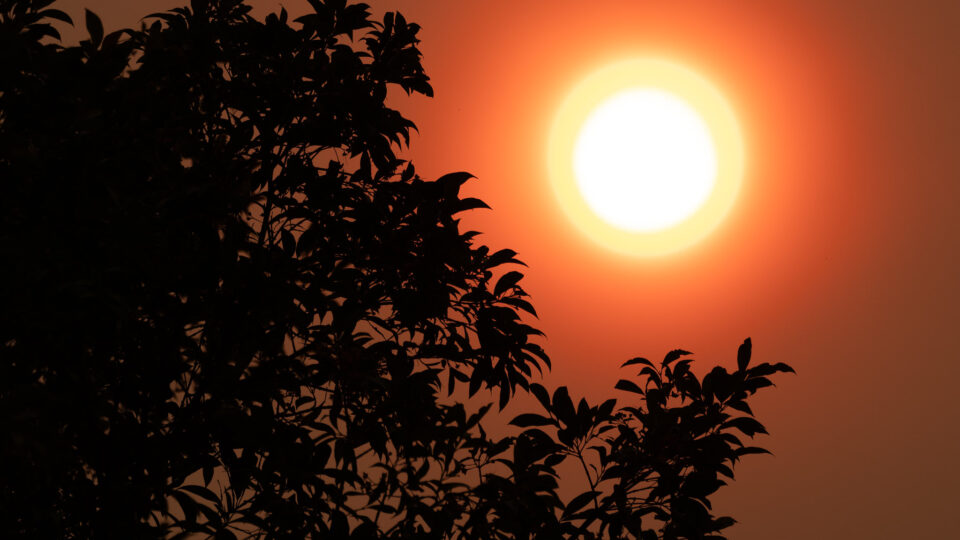
In 2019 and 2020, wildfires burned 72,000 square miles in Australia, roughly the same area as the entire country of Syria. During the nine months when the fires raged, persistent and widespread plumes of smoke filled the atmosphere.

These aerosols brightened a vast area of clouds above the subtropical Pacific Ocean.  Beneath these clouds, the surface of the ocean and the atmosphere cooled.  The effect of this was an unexpected and long-lasting cool phase of the Pacific’s La Niña-El Niño cycle.

A new modeling study by the National Center for Atmospheric Research in Boulder, Colorado quantified the extent to which aerosols from the Australian wildfires made clouds over the tropical Pacific reflect more sunlight back towards space.  The resultant cooling shifted the cloud and rain belt known as the Intertropical Convergence Zone northward.  These effects may have helped trigger the unusual three-year-long La Niña, which lasted from late 2019 through 2022.

The impacts of that La Niña included intensifying drought and famine in Eastern Africa and priming the Atlantic Ocean for hurricanes.  2020 was the most active tropical storm season on record, with 31 storm systems, including 11 that made landfall in the U.S.

The study highlights widespread multi-year climate impacts caused by an unprecedented wildfire season.  The wildfires set off a chain of events that influenced weather far from where the fires occurred.  In the future, climate experts will need to include the potential effects of wildfires in their forecasts.

**********

Web Links

How Wildfire Smoke from Australia Affected Climate Events Around the World

Photo, posted December 19, 2019, courtesy of Simon Rumi via Flickr.

Earth Wise is a production of WAMC Northeast Public Radio
Removing Carbon Dioxide Won’t Get the Job Done | Earth Wise

May 31, 2023 By EarthWise Leave a Comment

Limiting global warming to no more than 1.5-2 degrees Celsius above pre-industrial levels is a crucial goal for humankind.  Countries, companies, and other organizations around the world have committed to achieving ‘net zero’ emissions.  This is distinct from zero emissions in that it includes removing carbon dioxide from the atmosphere to offset the amounts we are putting into it.  Carbon dioxide removal is increasingly touted as the way to achieve emission goals.  But it is a realistic strategy?  According to a recent paper by a leading climate scientist in the journal Nature, the answer in the short term is decidedly no.

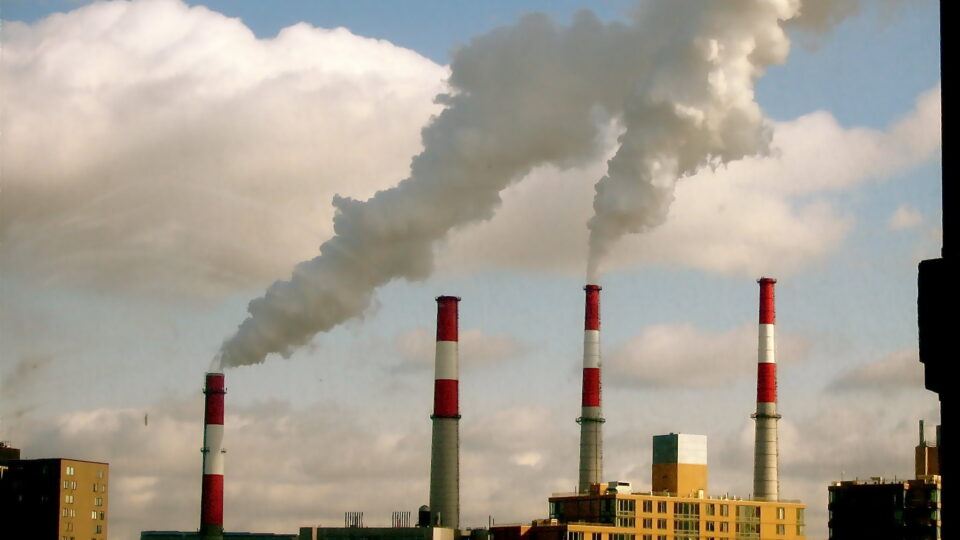
In 2022, the world emitted 45 billion tons of carbon dioxide into the atmosphere.  Last year’s bipartisan Infrastructure Law earmarked $3.5 billion for developing four direct air capture hubs in the US.  Each of these is expected to eventually be able to extract a little over a million tons of CO2 from the air each year. These hubs combined would therefore remove about 52 minutes’ worth of the year’s emissions over the course of the year. 

The bottom line is that unless we drastically reduce emissions, all the carbon dioxide removal strategies combined will scarcely make a dent in the problem.

We will never be able to eliminate all sources of emissions, particularly from certain industries, and carbon dioxide removal will be a very important technology to address those emissions, but in the big picture, it is essential that the world decarbonizes as much as possible and as soon as possible.

**********

Web Links

Carbon dioxide removal is not a current climate solution — we need to change the narrative

Photo, posted January 19, 2009, courtesy of Wladimir Labeikovsky via Flickr.

Earth Wise is a production of WAMC Northeast Public Radio

  • « Go to Previous Page
  • Page 1
  • Page 2
  • Page 3
  • Page 4
  • Page 5
  • Interim pages omitted …
  • Page 11
  • Go to Next Page »

Primary Sidebar

Recent Episodes

  • An uninsurable future
  • Clean energy and jobs
  • Insect declines in remote regions
  • Fossil fuel producing nations ignoring climate goals
  • Trouble for clownfishes

WAMC Northeast Public Radio

WAMC/Northeast Public Radio is a regional public radio network serving parts of seven northeastern states (more...)

Copyright © 2026 ·