• Skip to primary navigation
  • Skip to main content
  • Skip to primary sidebar

Earth Wise

A look at our changing environment.

  • Home
  • About Earth Wise
  • Where to Listen
  • All Articles
  • Show Search
Hide Search
You are here: Home / Archives for aquatic plants

aquatic plants

Manatees And Pollution | Earth Wise

November 11, 2021 By EarthWise Leave a Comment

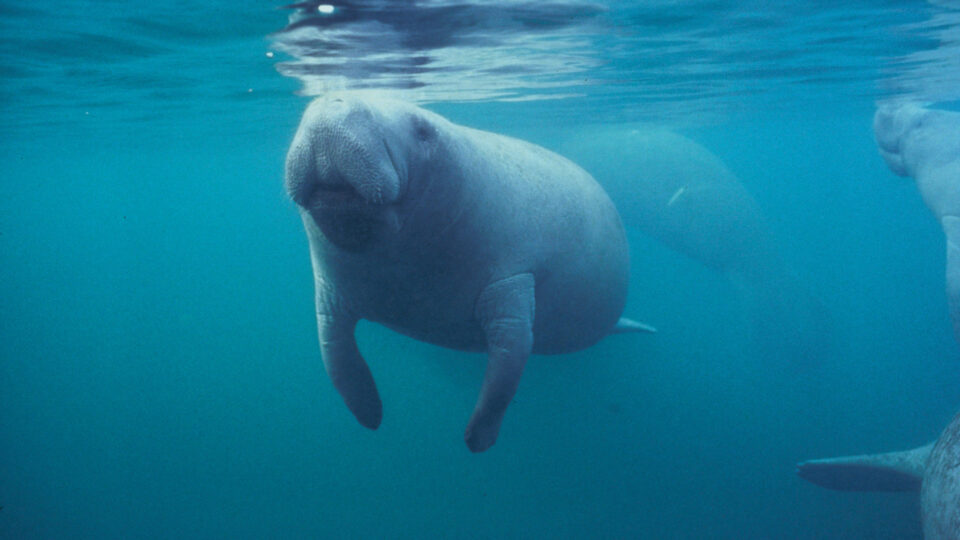
Pollution wreaking havoc on Florida manatees

Manatees are large, gentle, and curious marine mammals measuring up to 13 feet long and weighing up to 3,300 lbs.  There are three living species of manatees:  The Amazonian Manatee, the West African Manatee, and the West Indian Manatee, which is commonly found in Florida and the Gulf Coast.  Manatees inhabit the shallow, marshy coastal areas and rivers of the Caribbean Sea, the Gulf of Mexico, the Atlantic coast, the Amazon basin, and West Africa. 

The West Indian Manatee, which includes the Florida Manatee, is protected under the Endangered Species Act.  Today, the range-wide population is estimated to be at least 13,000 manatees, with more than 6,500 in the southeastern United States and Puerto Rico.

In Florida, an uptick in nutrient loading from nonpoint sources is triggering algal blooms in Indian River Lagoon and neighboring areas.  These algal blooms have decimated seagrass, manatees’ primary food source. 

As a result , manatees have starved to death by the hundreds along Florida’s east coast.  The state has recorded 974 manatee deaths in 2021, shattering previous annual all-time highs with still approximately two months to go.  Manatees, which need to eat between 100-200 pounds of seagrass daily, are now eating the seagrass roots, which permanently kills the aquatic plants.

Efforts are being made to replant seagrass and to restore clam and oyster beds so that the mollusks can help clean the water.  But manatees face a myriad of additional threats, including collisions with boats and ships, temperature changes, disease, and crocodile predation.

********** 

Web Links

Florida lawmakers hear Fish & Wildlife agency response to manatee death ‘catastrophe’

West Indian manatee

Preliminary 2021 Manatee Mortality Table by County

Photo, posted May 7, 2010, courtesy of Jim Reid/USFWS via Flickr.

Earth Wise is a production of WAMC Northeast Public Radio.
Living On Trash | Earth Wise

March 16, 2021 By EarthWise Leave a Comment

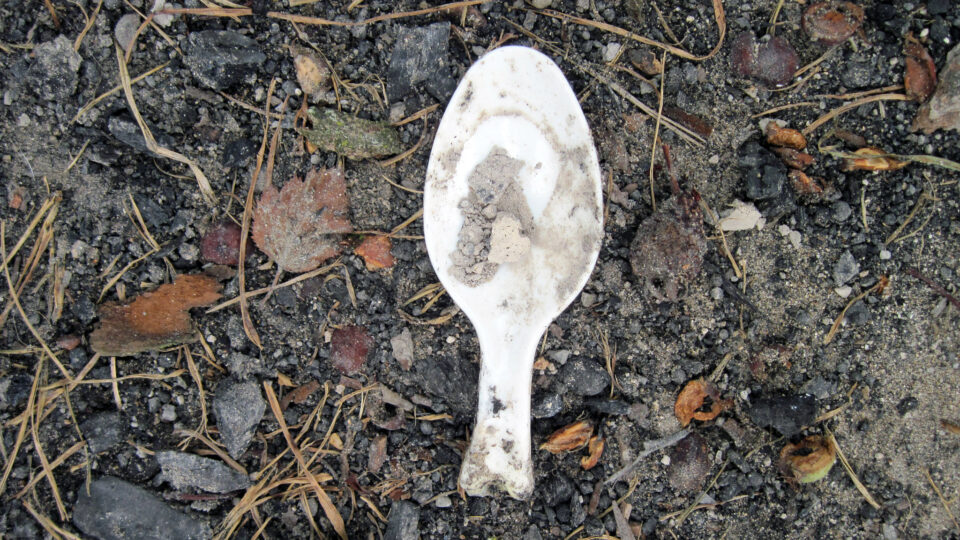
Aquatic river species are increasingly choosing to live on plastic

Litter is persistent and widespread in rivers worldwide.  The world’s major rivers and estuaries are hotspots for plastic waste.  Trash and microparticles wash down tributaries and build up before rivers enter oceans.

New research published in the journal Freshwater Biology has found that as this waste accumulates, aquatic river species like insects and snails are increasingly choosing to settle on plastic rather than on natural features like rocks and fallen branches.

Researchers from the University of Nottingham in the UK collected plastic waste from three rivers in eastern Britain along with rocks from the same rivers.  Their analysis of all the macroinvertebrates on the items’ surfaces found that the surfaces of plastic waste items had nearly four times the diversity of the small animals as did the rocks.  In addition, the more complex the plastic’s surface was, the higher the diversity.

The growing abundance of plastic waste coincides with a decline in natural habitat features in urban rivers.  This is a result of increasing amounts of sedimentation from development that blankets riverbeds in silt and sand, restricting the supply and movement of rocks, fallen tree branches, and aquatic plants.

Clearly litter can serve as a place for various species to colonize, but trash is not a good environment for them.  Trash can release toxic chemicals and entangle animals.  Microplastics pose risks for the animals if ingested.

Estimates are that between 1.15 and 2.41 million tons of plastic waste enter the ocean every year from rivers around the world.  Natural habitats have become rare in urban rivers.  River ecosystems built around piles of trash are not a good thing.

*********

Web Links

As Plastic Pollution in Rivers Gets Worse, Species Are Increasingly Living on Litter

Photo, posted August 17, 2010, courtesy of Renee_McGurk via Flickr.

Earth Wise is a production of WAMC Northeast Public Radio.

Primary Sidebar

Recent Episodes

  • An uninsurable future
  • Clean energy and jobs
  • Insect declines in remote regions
  • Fossil fuel producing nations ignoring climate goals
  • Trouble for clownfishes

WAMC Northeast Public Radio

WAMC/Northeast Public Radio is a regional public radio network serving parts of seven northeastern states (more...)

Copyright © 2026 ·