• Skip to primary navigation
  • Skip to main content
  • Skip to primary sidebar

Earth Wise

A look at our changing environment.

  • Home
  • About Earth Wise
  • Where to Listen
  • All Articles
  • Show Search
Hide Search
You are here: Home / Archives for aquatic life

aquatic life

Fighting harmful algal blooms with harmful algal blooms

March 7, 2025 By EarthWise Leave a Comment

Fighting harmful algal blooms using harmful algal blooms

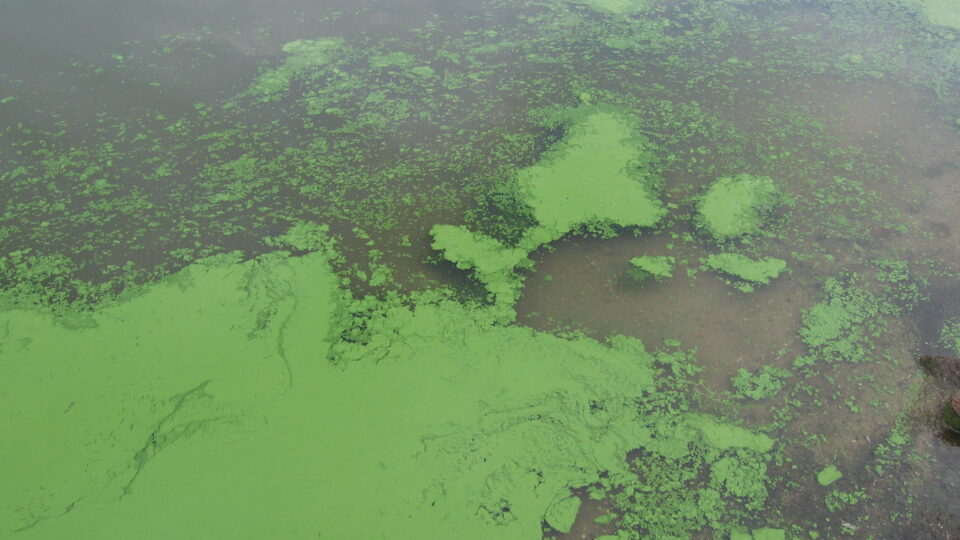
Harmful algal blooms – HABs – occur when colonies of algae grow out of control and produce toxic or harmful effects on people, marine life, and birds.  HABs occur naturally but their frequency and intensity are often associated with increased nutrient loading (mainly phosphorous and nitrogen) in bodies of water that is the result of runoff from sources like lawncare and agriculture.

Researchers at Florida Atlantic University have developed a technique for transforming cyanobacteria – also known as blue-green algae and a prime HAB material – into an effective material for removing phosphorous from water.

Their process converts blue-green algal biomass – essentially hazardous waste – into a custom-made adsorbent material that can pull harmful phosphorous from water.  The algae is first quickly heated up using microwaves and then it is modified by adding lanthanum chloride. 

The study took blue-green algae from Florida’s Lake Okeechobee, synthesized the adsorbent material in minutes, and using only small amounts of it could remove 90% of the phosphorous present in only half an hour.  It worked perfectly well in the presence of natural organic matter.  Using the harmful algae itself to prevent algal growth in bodies of water is an innovative way to reduce its further occurrence.

Phosphorous is a major contributor to the occurrence of harmful algal blooms, which can lead to toxic water conditions, loss of aquatic life, and significant economic losses for the fishing and tourism industries.  This technique could prove to be an essential tool for managing the growing problem of nutrient pollution.

**********

Web Links

FAU Engineering Develops New Weapon Against Harmful Algal Blooms

Photo, posted October 27, 2010, courtesy of Jennifer L. Graham / U.S. Geological Survey via Flickr.

Earth Wise is a production of WAMC Northeast Public Radio
Rivers And Climate Change | Earth Wise

October 11, 2023 By EarthWise Leave a Comment

Our planet is heating up.  Scientists have concluded that the changing climate is primarily the result of increased greenhouse gas emissions from human activities.  Some of the effects of global climate change include thawing permafrost, rising seas, intensifying storms and wildfires, and warming oceans.   

According to a new study led by researchers from Penn State University, rivers are warming and losing oxygen even faster than oceans.  The study, which was recently published in the journal Nature Climate Change, found that warming occurred in 87% and oxygen loss occurred in 70% of the nearly 800 rivers studied.

The research team projects that within the next 70 years some river systems, especially those in the American South, will experience such low oxygen levels that the rivers could “induce acute death” for some fish species and threaten the aquatic diversity of river ecosystems. 

The research team used artificial intelligence and deep learning to analyze water quality data from nearly 800 rivers across the U.S. and central Europe.  The researchers found that rivers are warming up and deoxygenating faster than oceans, which could have serious implications for both aquatic life and humans.

While climate change has led to warming and oxygen loss in oceans and lakes around the world, the researchers did not expect to find warming and deoxygenation in shallower, flowing rivers.  Since life in water depends on temperature and dissolved oxygen, the researchers hope this study serves as a wake up call.  Warming and deoxygenating rivers have significant implications for water quality and the health of aquatic ecosystems worldwide.

**********

Web Links

Rivers are rapidly warming, losing oxygen; aquatic life at risk

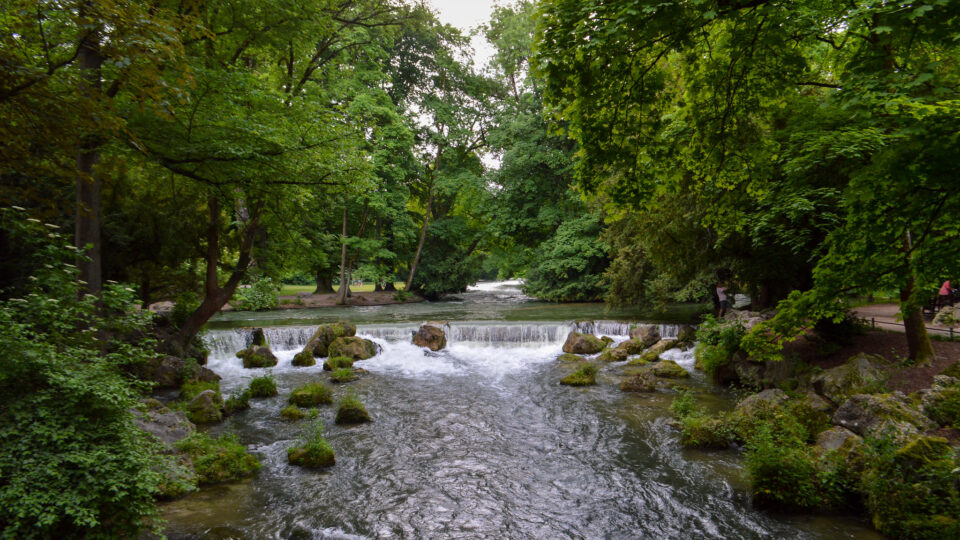
Photo, posted June 2, 2017, courtesy of Francisco Anzola via Flickr.

Earth Wise is a production of WAMC Northeast Public Radio
Small Grains In Corn Country

January 31, 2018 By EarthWise Leave a Comment

https://earthwiseradio.org/wp-content/uploads/2017/12/EW-01-31-18-Small-Grains-in-Corn-Country.mp3

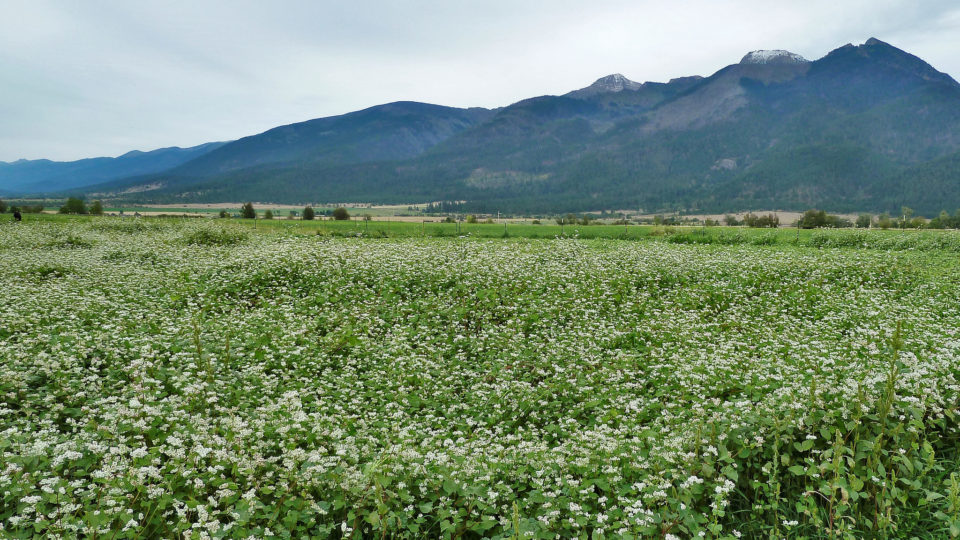
Large portions of the Midwest are called the Corn Belt and for good reason.  Overall, about 90 million acres or 140,000 square miles of the United States are planted with corn and about half of that is in Iowa, Illinois, Nebraska and Minnesota.  In most of the Corn Belt, the corn is planted in rotation with soybeans.  Both are warm weather crops and the soil is left barren for nearly half of the year when the two crops are out of season.

[Read more…] about Small Grains In Corn Country

Primary Sidebar

Recent Episodes

  • An uninsurable future
  • Clean energy and jobs
  • Insect declines in remote regions
  • Fossil fuel producing nations ignoring climate goals
  • Trouble for clownfishes

WAMC Northeast Public Radio

WAMC/Northeast Public Radio is a regional public radio network serving parts of seven northeastern states (more...)

Copyright © 2025 ·