• Skip to primary navigation
  • Skip to main content
  • Skip to primary sidebar

Earth Wise

A look at our changing environment.

  • Home
  • About Earth Wise
  • Where to Listen
  • All Articles
  • Show Search
Hide Search
You are here: Home / Archives for aquatic animals

aquatic animals

Balloon release laws

May 27, 2024 By EarthWise Leave a Comment

Banning the release of balloons

The Florida state legislature has recently passed a law that bans the intentional release of helium balloons outdoors.  It is a rare example of a bipartisan piece of legislation.  Florida is joining six other states that have already enacted balloon restricting laws.

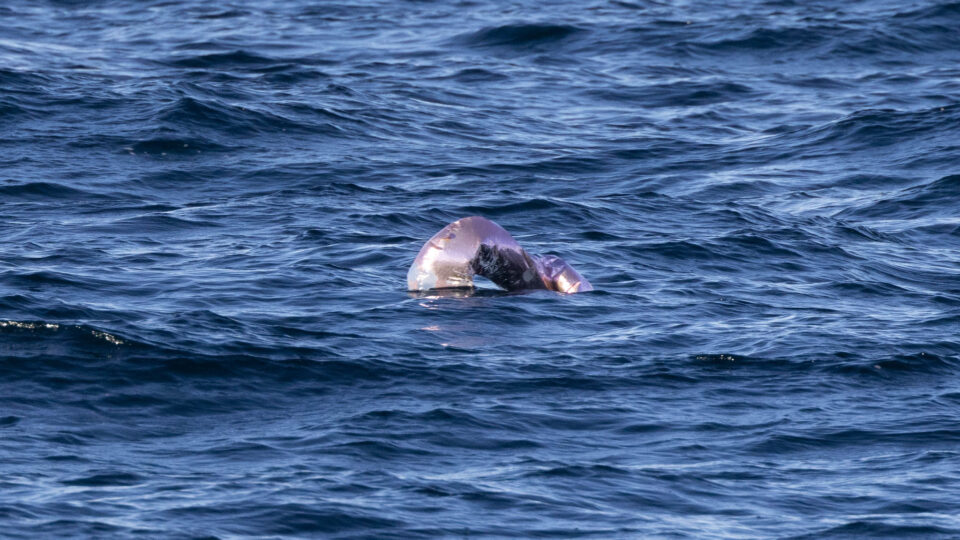
Balloons released into the sky don’t just disappear into the ether.  They often end up in oceans and waterways and the thin material that remains is 32 times more likely to kill seabirds than other types of plastic debris.  Aquatic animals often mistake balloons for jellyfish and fill up on them.   Balloons tied up with ribbons entangle turtles and manatees.  Even grazing cows have died from ingesting balloons.  Balloons contribute to microplastic pollution, which is a growing problem for all living things, including humans.

Other states with balloon release laws are Connecticut, Tennessee, New York, Texas, California, and Virginia.  Details of the laws vary.  They carve out exceptions for specific applications.  They exempt small children.  Some limit the quantity of balloon release.  Others require balloons to be weighted down to prevent them from rising too high.  California’s legislation is aimed at the metallized mylar balloons that have shorted out high-tension electrical wires and triggered wildfires.

The Florida law equates intentionally releasing a lighter-than-air balloon with littering.  It’s a non-criminal offense that carries a fine of $150.

People enjoy releasing helium balloons, particularly en masse.  The spectacle has become part of weddings, gender reveal parties, and even funerals.  But the practice has serious environmental repercussions, and its restriction is being pursued by more and more states and municipalities.

**********

Web Links

Up, Up and Not OK: Letting Go of Balloons Could Soon Be Illegal in Florida

Photo, posted August 16, 2022, courtesy of Ryan Mandelbaum via Flickr.

Earth Wise is a production of WAMC Northeast Public Radio
Climate Change And The World’s Fisheries | Earth Wise

March 10, 2022 By EarthWise Leave a Comment

Climate change is affecting the world's fishing

According to a new study, approximately 70% of the world’s oceans could be suffocating from a lack of oxygen by 2080 as a consequence of climate change.  This has the potential to impact marine ecosystems all around the world.  

The study, which was recently published in the journal Geophysical Research Letters, is the first to use climate models to predict how and when deoxygenation will occur throughout the world’s oceans outside of its natural variability. 

According to the findings, significant and potentially irreversible deoxygenation of the ocean’s middle depths began occurring last year.  The models predict that deoxygenation will begin affecting all zones of the ocean by 2080.

According to the study’s models, mid-ocean depths are already losing oxygen at unnatural rates. Globally, the ocean’s middle depth – known as the mesopelagic zone – is home to many of the world’s commercially fished species.  This makes these new findings a potential harbinger of economic hardship, seafood shortages, and environmental disruption. 

Just like land animals, aquatic animals need oxygen to breathe.  As climate change warms the oceans, the water holds less oxygen and is more buoyant than cooler water.  This leads to less mixing of oxygenated water near the surface with deeper waters, which naturally contain less oxygen.  Warmer water also raises oxygen demand among living organisms, resulting in less availability for marine life. 

The researchers also found that oceans closer to both the North Pole and the South Pole are particularly vulnerable to deoxygenation.  While they are not yet sure why, accelerated climate warming could be the culprit. 

These findings should add new urgency to climate change mitigation efforts. 

**********

Web Links

Climate change has likely begun to suffocate the world’s fisheries

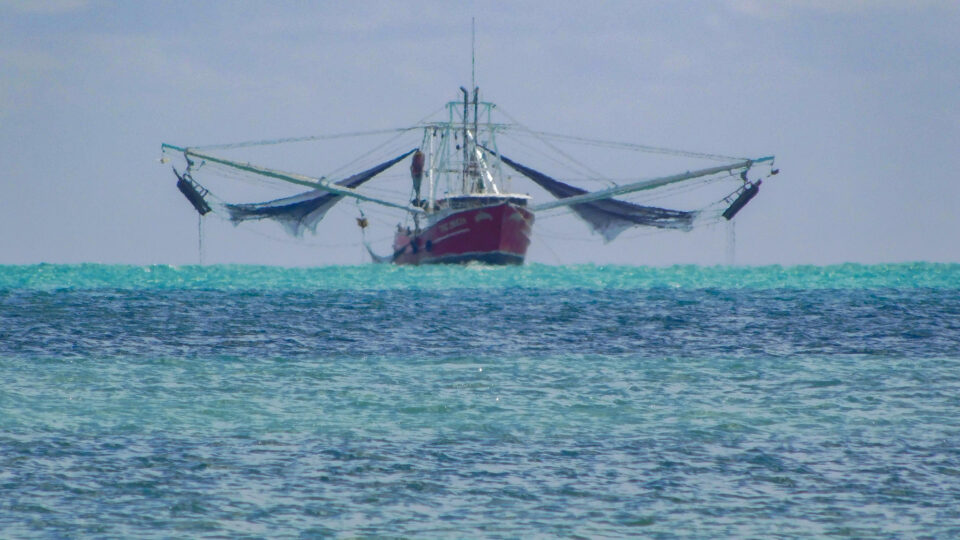
Photo, posted January 28, 2019, courtesy of Joseph Gage via Flickr.

Earth Wise is a production of WAMC Northeast Public Radio.

Less Sulfur In The Soil

June 9, 2016 By WAMC WEB

https://earthwiseradio.org/wp-content/uploads/2016/05/EW-06-09-16-Less-Sulfur-in-the-Soil.mp3

Acid rain is rain containing high levels of nitric and sulfuric acids.  The main culprit for it is the burning of fossil fuels, particularly coal-burning power plants.  The most serious effect of acid rain is the creation of toxicity in lakes, wetlands and other aquatic environments, doing great harm to a wide range of aquatic animals.

[Read more…] about Less Sulfur In The Soil

Primary Sidebar

Recent Episodes

  • An uninsurable future
  • Clean energy and jobs
  • Insect declines in remote regions
  • Fossil fuel producing nations ignoring climate goals
  • Trouble for clownfishes

WAMC Northeast Public Radio

WAMC/Northeast Public Radio is a regional public radio network serving parts of seven northeastern states (more...)

Copyright © 2026 ·