• Skip to primary navigation
  • Skip to main content
  • Skip to primary sidebar

Earth Wise

A look at our changing environment.

  • Home
  • About Earth Wise
  • Where to Listen
  • All Articles
  • Show Search
Hide Search
You are here: Home / Archives for antimicrobial

antimicrobial

Energy efficient cows

April 5, 2024 By EarthWise Leave a Comment

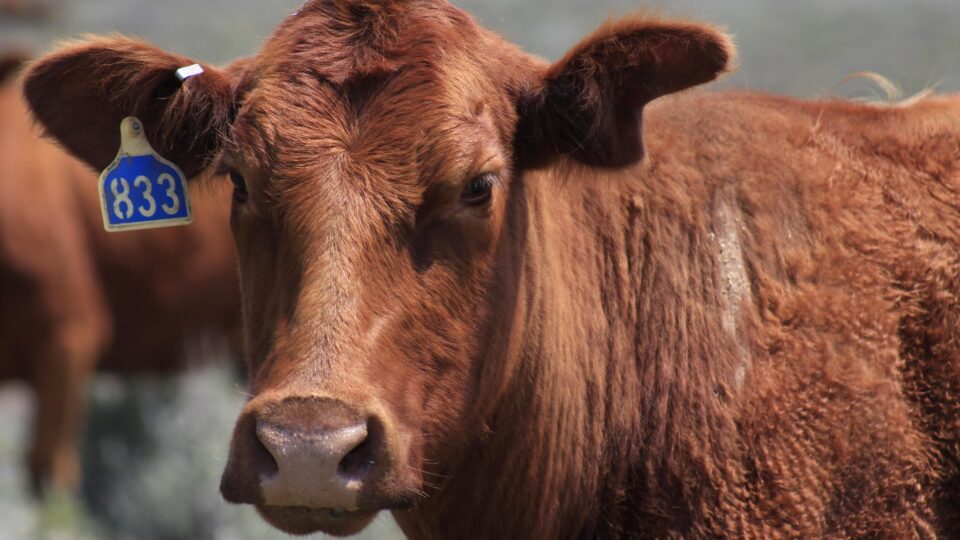
Livestock production – primarily cows – produce nearly 15% of global greenhouse gas emissions, mostly in the form of methane emitted by burping caused by the way they process food.  A single cow produces roughly 200 pounds of methane gas per year and there are 1.5 billion heads of cattle in the world.

Researchers at Penn State University have found that supplementing the feed of high-producing dairy cows with the botanical extract capsicum oleoresin – a substance obtained from chili peppers – or a combination of that extract and clove oil resulted in the animals using feed energy more efficiently. 

Adding these substances – which are commonly called essential oils – to the cattle’s feed results in improved efficiency of energy utilization.  It is known that botanicals have the potential to modify fermentation in the cow’s largest stomach – called the rumen.

There have been previous studies for many years adding substances to dairy cow feed – such as seaweed, garlic, and oregano – in an effort to improve milk production and reduce environmental emissions from dairy farms.

The Penn State study was actually not specifically aimed at methane reduction but rather to better use the available energy from the feed to gain body weight.  However, the researchers found that the yield and intensity of methane from the cows in the study were decreased by 11% by the combination of capsicum oleoresin and clove oil.

Botanicals have shown a wide range of anti-microbial properties against bacteria, protozoa, and fungi, as well as being potential rumen modifiers in cattle.  The new study represents an interesting approach to improve the metabolism of dairy cows.

**********

Web Links

Dairy cows fed botanicals-supplemented diets use energy more efficiently

Photo, posted April 9, 2012, courtesy of Aimee Brown / OSU via Flickr.

Earth Wise is a production of WAMC Northeast Public Radio
Turning Food Waste Back Into Food | Earth Wise

March 3, 2021 By EarthWise Leave a Comment

Reincorporating food waste into agriculture

Scientists at the University of California Riverside have discovered that fermented food waste can boost bacteria that increase crop growth, make plants more resistant to pathogens, and reduce the carbon emissions resulting from farming.

Food waste is a serious problem from multiple perspectives.  As much as 50% of food is thrown away in the United States and most of that simply ends up in landfills, taking up more than 20% of America’s landfill volume.  Food waste is a huge economic loss as well as a significant waste of freshwater resources used to produce food.

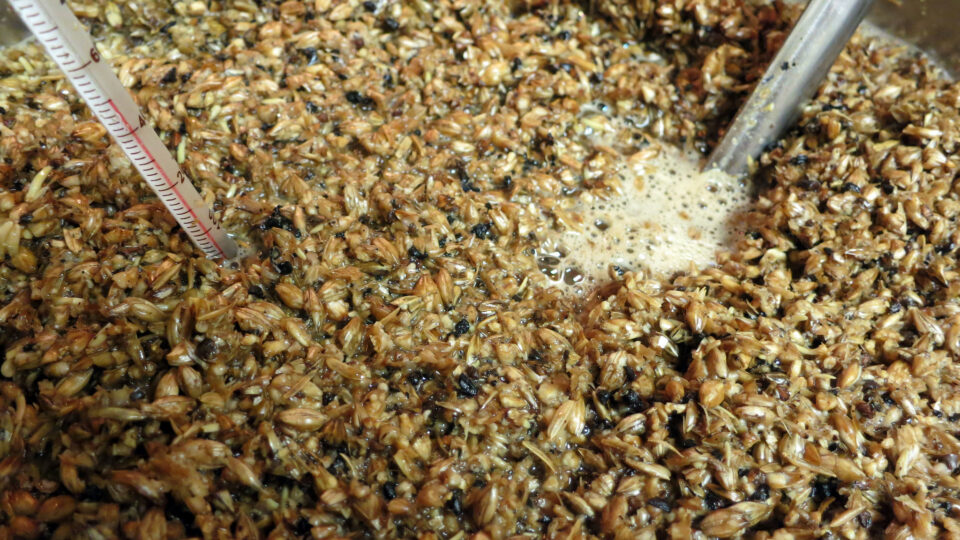
The researchers studied byproducts from two kinds of food waste readily available in Southern California:  beer mash – a byproduct of beer production – and mixed food waste discarded by grocery stores.

Both types of waste were fermented and then added to the irrigation system watering citrus plants in a greenhouse.  Within 24 hours, the average population of beneficial bacteria was two to three orders of magnitude greater than in plants that did not receive the treatments. This led to improvements in the carbon to nitrogen ratio in crops.  When there are enough so-called good bacteria in plants, they produce antimicrobial compounds and metabolites that help plants grow better and faster.

The results of the study suggest that the use of food waste products in agriculture is beneficial and could complement the use of synthetic chemical additives by farmers, perhaps eliminating it entirely.  Crops would in turn become less expensive.

Making use of food waste in agriculture is a step towards a more circular economy in which we use something and then find a new purpose for it.

**********

Web Links

Turning food waste back into food

Photo, posted October 28, 2012, courtesy of Daniel Lobo via Flickr.

Earth Wise is a production of WAMC Northeast Public Radio.

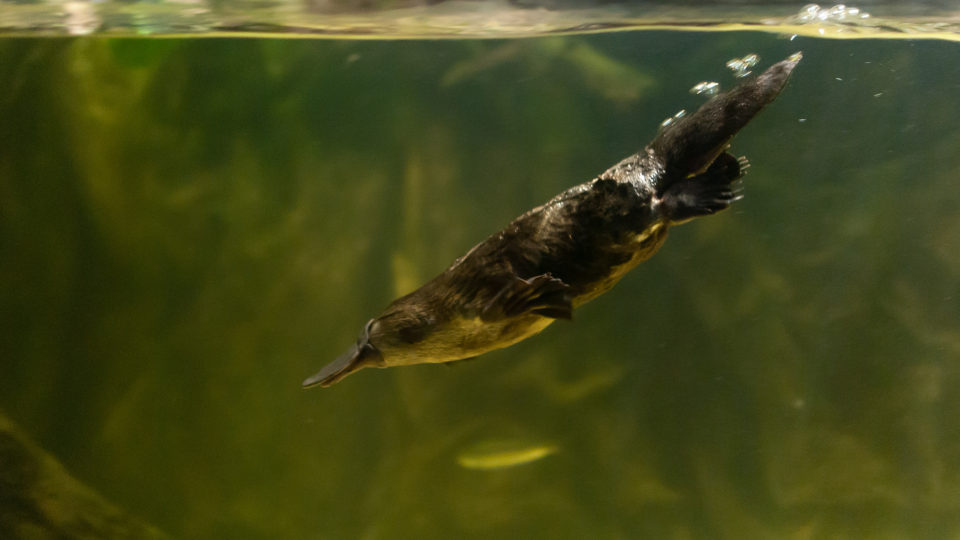
A Weird Answer To A Serious Problem

April 25, 2018 By EarthWise Leave a Comment

https://earthwiseradio.org/wp-content/uploads/2018/04/EW-04-25-18-A-Weird-Answer.mp3

Resistance to antibiotics is a rising problem that costs an estimated 700,000 lives each year.  Some experts predict that if the problem can’t be solved, that number could grow to 10 million deaths annually by 2050.  As a result, researchers around the world are investigating multiple ways to help fight antibiotic resistance.

[Read more…] about A Weird Answer To A Serious Problem

Doing More Harm Than Good

August 1, 2017 By EarthWise

https://earthwiseradio.org/wp-content/uploads/2017/08/EW-08-01-17-Antibacterials.mp3

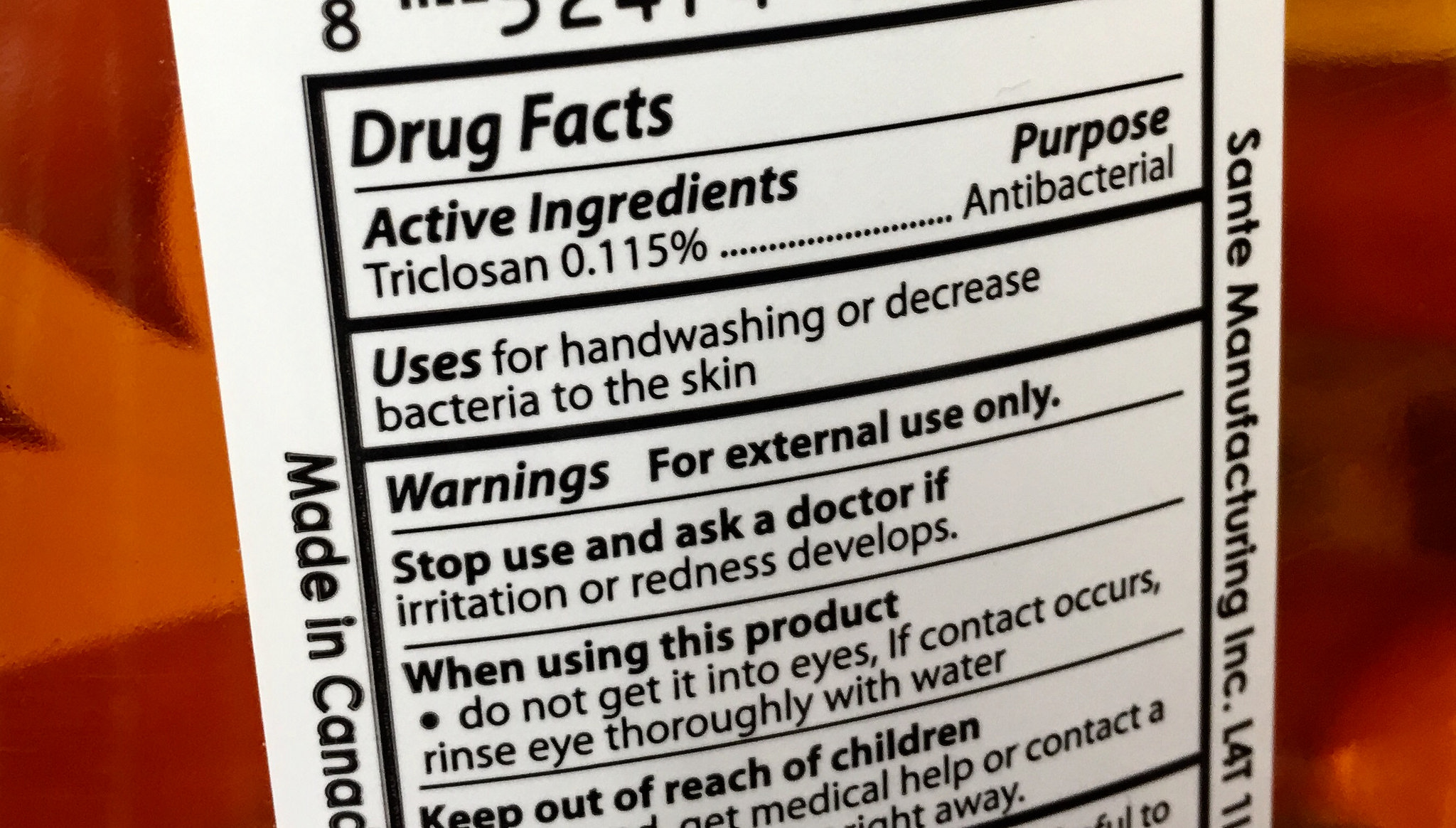
A group of more than 200 scientists and medical professionals has issued a consensus statement in the journal Environmental Health Perspectives urging that antimicrobial chemicals like triclosan and triclocarban should not be used in consumer products.  The experts say that these substances offer no health benefits and are actually causing health and environmental harm.

[Read more…] about Doing More Harm Than Good

Primary Sidebar

Recent Episodes

  • An uninsurable future
  • Clean energy and jobs
  • Insect declines in remote regions
  • Fossil fuel producing nations ignoring climate goals
  • Trouble for clownfishes

WAMC Northeast Public Radio

WAMC/Northeast Public Radio is a regional public radio network serving parts of seven northeastern states (more...)

Copyright © 2026 ·