
• Skip to primary navigation
  • Skip to main content
  • Skip to primary sidebar

Earth Wise

A look at our changing environment.

  • Home
  • About Earth Wise
  • Where to Listen
  • All Articles
  • Show Search
Hide Search
You are here: Home / Archives for Earth Wise

Earth Wise

Much more energy storage for New York

August 2, 2024 By EarthWise Leave a Comment

As solar and wind power play an ever-growing role in the electricity grid, the need for energy storage also grows.  Even if sun and wind can provide more energy than is needed at a particular time, they can’t provide it at all times.  The ability to store excess energy waiting in reserve for when the sun and wind are not providing it is essential to avoid the need for burning fossil fuels to take up the slack.

The New York State Public Service Commission has announced that it has approved a new framework for the state to have in place a nation-leading six gigawatts of energy storage by 2030.  This represents at least 20% of the peak electricity load of New York State.

An extensive set of recommendations to expand New York’s energy storage programs describe cost-effective ways to unlock the rapid growth of renewable energy across the state as well as to bolster the reliability of the grid.  The buildout of storage deployment is estimated to reduce projected future statewide electric system costs by nearly $2 billion.  New York has previously established goals to generate 70% of its electricity from renewable sources by 2030 and 100% zero-emission electricity by 2040.

The new roadmap includes programs to procure an additional 4.7 gigawatts of new energy storage projects across large-scale, retail, and residential energy storage sectors across the state.  These future procurements, when combined with the 1.3 gigawatts already being procured or under contract, will allow the State to achieve the 6-gigawatt goal by 2030.

Energy storage plays a critical role in decarbonizing the grid, reducing electricity system costs, and improving the reliability of the electricity system.

**********

Web Links

New York approves plan to add six gigawatts of energy storage by 2030

Photo courtesy of NineDot Energy.

Earth Wise is a production of WAMC Northeast Public Radio
Threats to the Amazon Rainforest

August 1, 2024 By EarthWise Leave a Comment

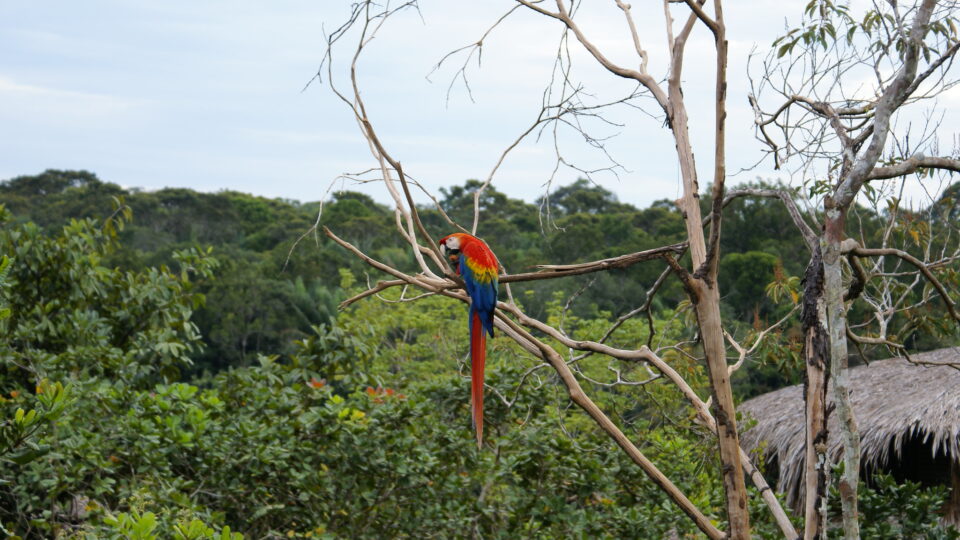
Brazil has made great progress in reducing deforestation in its Amazon Rainforest.  In 2023, the rate of deforestation in Brazil dropped by 50% over the previous year. This was the result of the efforts by conservation-minded President Luiz da Silva, who replaced Jair Bolsonaro, a big proponent of deforestation.  Da Silva’s government has cracked down on land clearing by farmers and ranchers.

In the first quarter of this year, deforestation decreased by 40% over the previous year’s quarter.   Deforestation levels are the lowest they’ve been in six years, although the amount of forest cleared in the period was still nearly 200 square miles.

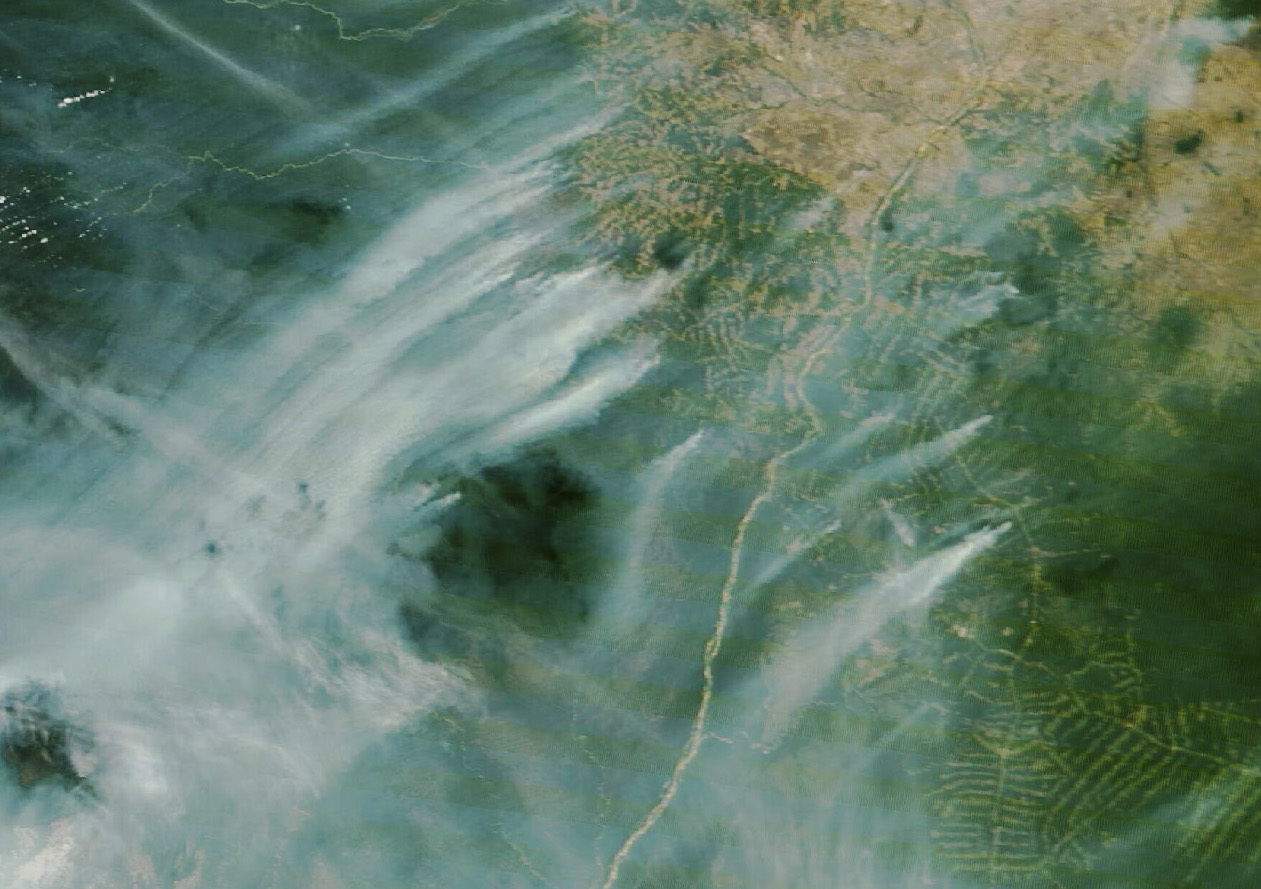
Unfortunately, the Amazon Rainforest is facing another growing threat:  climate change.  Because of pervasive drought and increasing temperatures, the number of wildfires in the region have hit a 20-year high.

According to satellite data from the national space agency, from January through June, Brazil recorded 13,489 wildfires in the Amazon.  That is 61% more fires than during the same period last year.  And the wildfire season has yet to reach its peak, which usually is in August or September.

Many of these fires begin in pastures or recently cleared rainforest, but then spread into the surrounding rainforest areas.  Many are huge fires.  Hundreds of square miles of rainforest have been consumed by fire, comparable in size to the areas deforested by farmers and ranchers.

Going forward, worsening wildfires could reverse the gains being made by the government’s deforestation policies.  This could not only threaten forest protection, but also weaken public support for the government’s commitment to protecting the region.

**********

Web Links

Brazil Is Seeing a Record Number of Wildfires This Year

Photo, posted January 26, 2018, courtesy of Chris Parker via Flickr.

Earth Wise is a production of WAMC Northeast Public Radio
The carbon cost of wind farms

July 31, 2024 By EarthWise Leave a Comment

Reviewing the carbon cost of wind farms

Opponents of electric vehicles and renewable energy often try to make arguments to the effect that the carbon footprint associated with producing electric cars, solar panels, and wind turbines negates their advantages over legacy technologies that involve burning fossil fuels.  These arguments have been soundly refuted for the case of electric vehicles but there have been fewer studies related to other green technologies.

A new peer-reviewed study by engineers at the Te Herenga Waka Victoria University in Wellington, New Zealand, has analyzed the carbon emissions associated with wind farm operation.

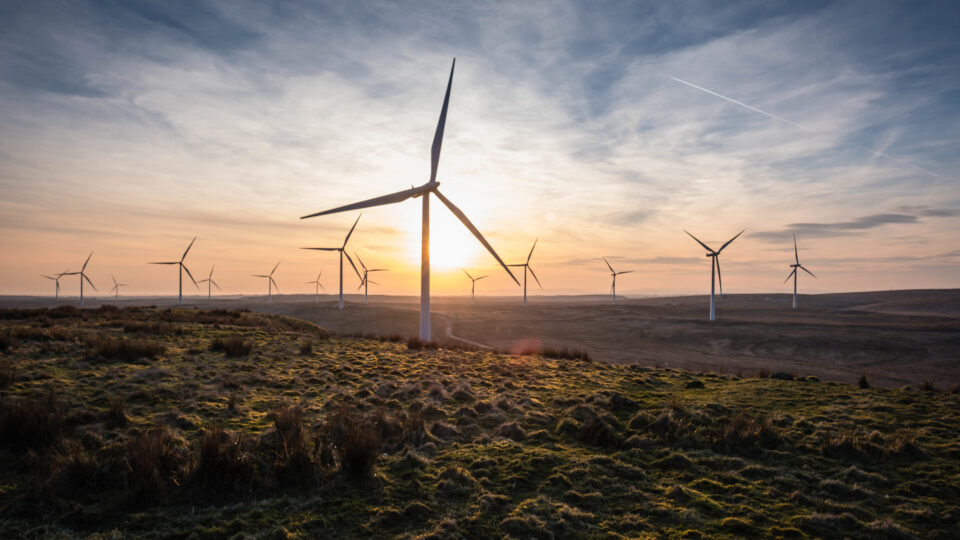
The main result is that after operating for less than two years, a wind farm can offset the carbon emissions generated across its entire 30-year lifespan.   The study takes into account everything from the manufacturing of individual turbine parts, to transporting them and installing them into place, to decommissioning the entire wind farm at its life’s end.  The environmental impacts of the installation and transportation phases are important, accounting for about 10% of the overall emissions.

The decommissioning phase is also important.  The study recommended the development of a recycling process for end-of-life turbine blades.  Currently, such blades are disposed of in landfills, but a recycling process could reduce emissions.

The manufacturing of wind turbines is the primary contributor to the carbon and energy consumption footprints and continues to be the subject of efforts to be improved.

There are other aspects of wind farms that are subject to criticism including physical impacts on the local environment and various social, wildlife and economic impacts.  But with respect to carbon emissions, wind farms are a winning strategy.

**********

Web Links

Wind Farms can Offset Their Emissions Within Two Years, New Study Shows

Photo, posted April 2, 2017, courtesy of Ian Dick via Flickr.

Earth Wise is a production of WAMC Northeast Public Radio
Fertilizers from wastewater sludge

July 30, 2024 By EarthWise Leave a Comment

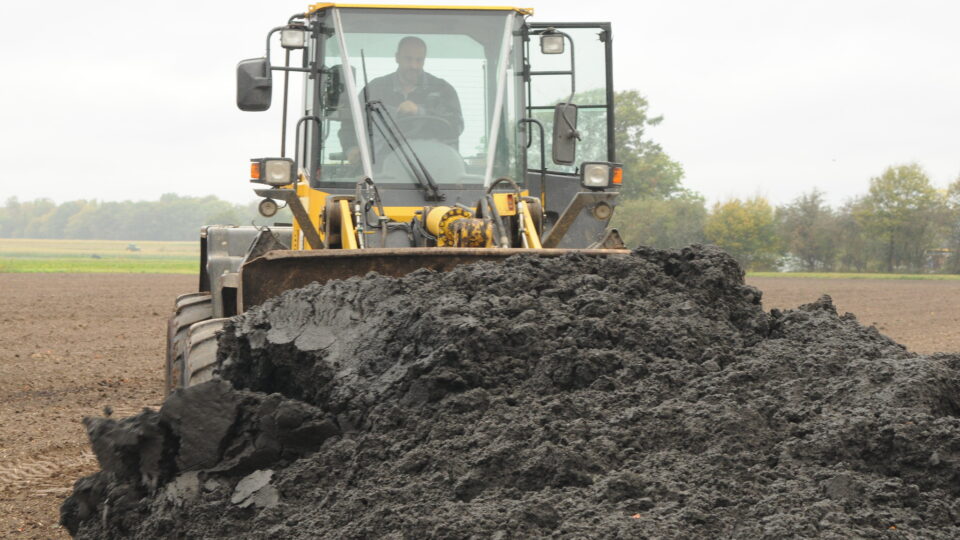
Sewage sludge is the mud-like residue that is produced as a byproduct during wastewater treatment.  In the U.S., sewage sludge is referred to as biosolids after it’s been treated.  The term is meant to distinguish the higher quality, treated sludge from raw sludge and from sludge that contains large quantities of environmental pollutants. 

However, according to a new study by researchers from Johns Hopkins University, fertilizers manufactured from the sludgy leftovers of wastewater treatment processes can still contain traces of potentially hazardous organic chemicals.

The research, which was recently published in the journal Environmental Science & Technology, provides one of the most comprehensive looks at the chemical composition of biosolids across the country. 

Biosolids do contain valuable organic matter and nutrients, including nitrogen and phosphorus.  According to the U.S. Environmental Protection Agency, more than half of the 3.76 million tons of biosolids produced in the U.S. in 2022 fertilized agricultural lands, golf courses, and other landscaped areas.

In the study, the research team screened 16 samples of biosolids from wastewater treatment facilities in nine U.S. and three Canadian cities. The researchers then created lists of the chemicals found in each sample.  They found 92 common compounds that were present in 80% or more of the samples.  The researchers cross-referenced those 92 compounds against the EPA’s CompTox Chemical Dashboard to identify which chemicals were most likely to pose threats to human health or the environment.

The findings could help the EPA identify which organic compounds to investigate further and which chemical contaminants may need government regulation. 

**********

Web Links

Team Aims to Improve Safety of Fertilizers Made from Wastewater Sludge

Photo, posted November 2, 2011, courtesy of Susana Secretariat via Flickr.

Earth Wise is a production of WAMC Northeast Public Radio

Nearly everyone wants climate action

July 29, 2024 By EarthWise Leave a Comment

Almost everyone wants more action on climate change

A global survey of 75,000 people revealed that 80% of participants want their governments’ climate action commitments to be stronger.  The poll, conducted by the United Nations Development Program, GeoPoll, and Oxford University, asked 15 questions in telephone calls to residents of 77 countries representing 87% of the global population.

According to the survey, 89% of poorer countries favored increasing efforts to curb global emission, while 76% of wealthy G20 nations supported tougher climate action.

The two biggest greenhouse emitters in the world were less enthusiastic:  Chinese participants were 73% in favor of stronger action and Americans were 66% in favor of greater efforts to combat global warming. 

Other demographic differences included that in the big emitting countries of Canada, France, Germany, Australia, and the U.S., women were 10 to 17% more in support of stronger climate action than men.

Overall, only 7% of those polled globally thought their government should not transition away from fossil fuels at all.  More than half of those polled said that they were more worried about climate change this year than last year.  A worldwide majority of 72% support a fast fossil fuel phaseout, including those in nations that are among the top ten coal, oil, and gas producers.

As is the case across the board with respect to climate issues, the more influential factor continues to be economic as opposed to scientific or humanitarian.  Those who stand to lose the most money from the transition away from fossil fuels continue to hold sway over those who will lose in many other ways.

**********

Web Links

Four Out of Five People Want Increased Climate Action, UN Poll Says

Photo, posted July 31, 2020, courtesy of School Strike 4 Climate via Flickr.

Earth Wise is a production of WAMC Northeast Public Radio
Clean energy investment at record levels

July 26, 2024 By EarthWise Leave a Comment

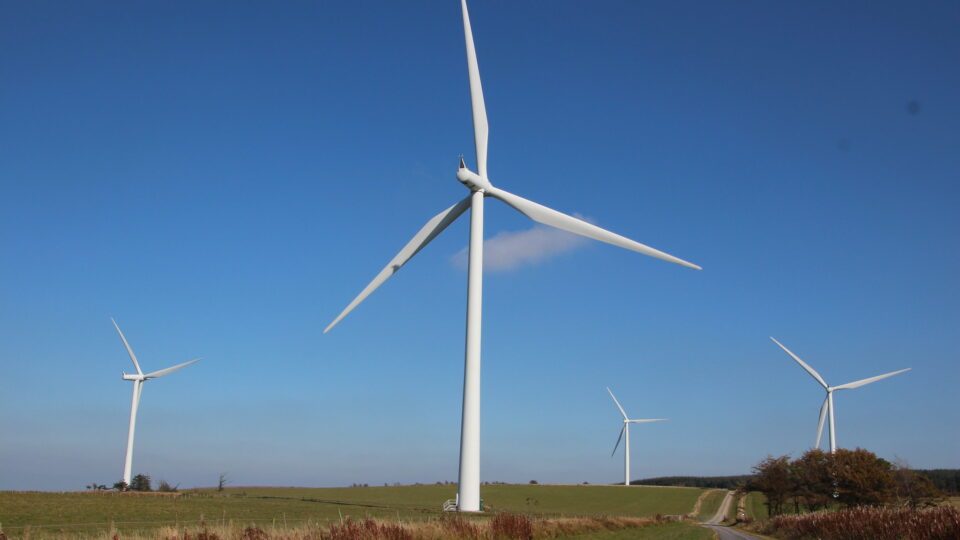
According to a new study by the International Energy Agency, global clean energy investment will be nearly twice that of fossil fuels this year.  The surging funding for clean energy is being driven by a combination of lower costs for renewable energy and by improving supply chains.

In 2024, the world’s investments in energy are expected to surpass $3 trillion dollars for the first time.  About $2 trillion of that will be directed at green technologies that include renewable power sources, grids, and energy storage; electric vehicles; low-emission fuels; nuclear power; and heat pumps and efficiency improvements.  The remaining amount of just over $1 trillion will fund oil, gas, and oil projects.

The record growth in clean energy investments is taking place in spite of challenging economic conditions related to high interest rates, which demonstrates the momentum behind the global energy transition.

The IEA report does caution that there are big imbalances and shortages in energy investment in various places around the world.  For example, there is a low amount of green energy spending in developing and emerging economies outside of China.  Countries like Brazil and India are leading the way for this sector by having investments in excess of $300 billion.

More money is currently going into solar power development than all other electricity generation technologies combined.  In 2024, solar photovoltaic power investment is set to grow to $500 billion as the falling price of solar modules spurs new investments.

The largest renewable investments will come from China at $675 billion, followed by Europe and the U.S. at $370 billion and $315 billion, respectively.

**********

Web Links

Global Clean Energy Investment Will Nearly Double That of Fossil Fuels in 2024: IEA Report

Photo, posted October 2, 2015, courtesy of John Englart via Flickr.

Earth Wise is a production of WAMC Northeast Public Radio
Greenhouses and the environment

July 25, 2024 By EarthWise Leave a Comment

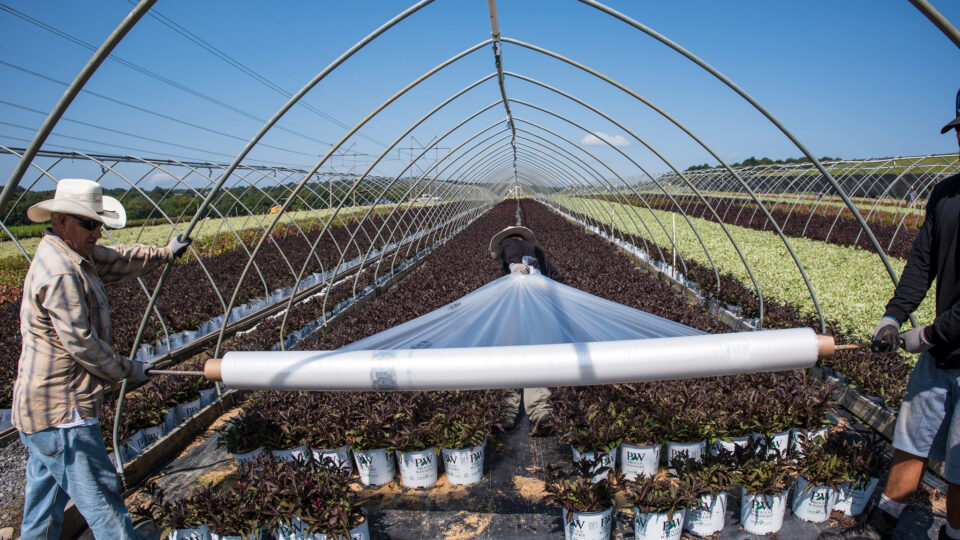
The use of greenhouses around the world has been growing dramatically.  A new satellite mapping exercise estimated the total land area covered with permanent greenhouses at 3.2 million acres, which is an area the size of Connecticut.  More than half of this is in China, where the growth of greenhouses has been driven by the rapid urbanization of the country and by a more prosperous population increasingly consuming produce like tomatoes, cucumbers, peppers, and eggplants.

The intensive agricultural methods employed within greenhouses can be harmful to local environments because of overtaxing water supplies and by polluting rivers and soils with nutrients, pesticides, and plastic waste.  But the effects of vast areas of plastic coverings on local temperatures can be even more dramatic, and often beneficial.

There are so many plastic and glass roofs in many areas that they are reflecting sufficient amounts of solar radiation to cool local temperatures.  Greenhouse roofs increase the albedo – the reflectivity – of the land surface typically by a tenth.

All these greenhouses are just the tip of the albedo iceberg.  Many farms now temporarily cover crops with reflective plastic sheets.  If these coverings are included in the satellite survey, the total reflective area would be about ten times greater – roughly the size of New York State.

A study in Almeria, on the Mediterranean coast of Spain, which grows about 3 million tons of fruit and vegetables annually, determined the cooling effects of greenhouses.  Weather stations amid the greenhouses showed an average cooling of 1.3 degrees Fahrenheit compared with the surrounding area.

Greenhouses are an accidental and benign form of climate engineering. The cooling provided by greenhouses is similar to the effect of white roofs in urban areas. 

**********

Web Links

Could the Global Boom in Greenhouses Help Cool the Planet?

Photo, posted September 6, 2017, courtesy of Lance Cheung / USDA via Flickr.

Earth Wise is a production of WAMC Northeast Public Radio
Barley plastic

July 24, 2024 By EarthWise Leave a Comment

Making biodegradable plastic from barley

The durability, malleability, and low cost of plastics have made them ubiquitous.  Plastics are everywhere:  in packaging, clothing, and an endless variety of products.  As a result, they are everywhere in the environment and they tend to stay there, contaminating land and sea.  They are tough to recycle, and their production emits more carbon dioxide than all air traffic combined.  The search for viable substitutes for plastic is global and intensive.

Most common bioplastics are not an ideal solution.  They don’t break down that easily when tossed into the natural environment.  The process can take years. 

Researchers at the University of Copenhagen have invented a new material made from modified starch that can completely decompose in nature and can do so in only two months.  The material is made using natural plant material from crops and could be used for food packaging as well as many other things.

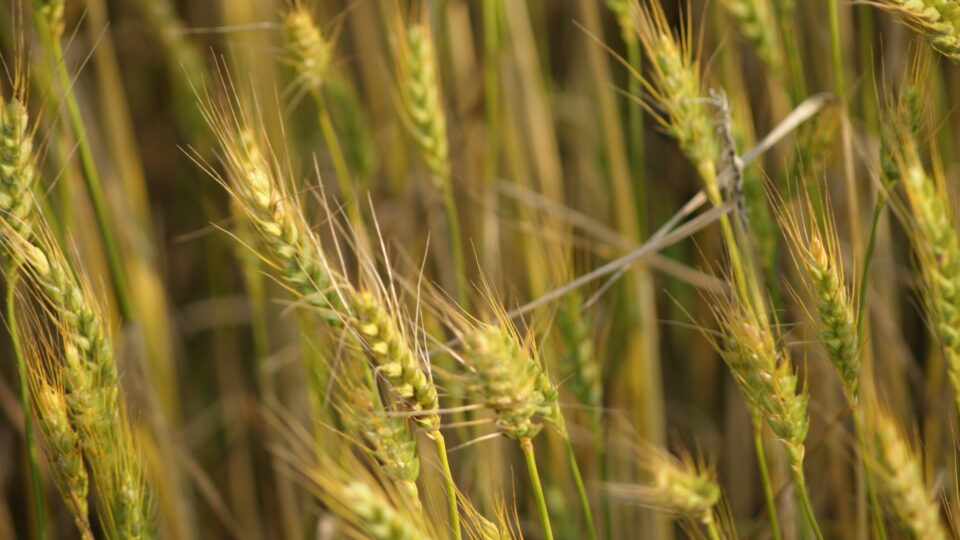
The new material is a biocomposite composed of several substances that decompose naturally.  The main ingredients are amylose and cellulose, common in many plants.  Amylose is extracted from crops like corn, potatoes, wheat, and barley.

The Danish researchers have developed a barley variety that produces pure amylose in its kernels.  Pure amylose is ideal because it is less likely to turn into a paste when it interacts with water. 

Combining the amylose with cellulose forms long, strong molecular chains, resulting in a durable, flexible material that can replace plastic in many applications.  The research team has founded a spinoff company and have applied for a patent for the new material.  It is unclear when the biofriendly barley-based plastic might be commercialized, but its potential is quite good.

**********

Web Links

Researchers invent one hundred percent biodegradable “barley plastic”

Photo, posted May 20, 2010, courtesy of Frederick Lang Jr. via Flickr.

Earth Wise is a production of WAMC Northeast Public Radio
Species range and climate change

July 23, 2024 By EarthWise Leave a Comment

Climate change threatens native plants and animals

The geographic range of a particular plant or animal species is the area in which it can be found during its lifetime.  The range of most species is limited by climatic factors, including temperature, precipitation, soil moisture, humidity, and wind.  Any changes in the magnitude or variability of these factors will impact the species living there. 

For example, a species sensitive to temperature may respond to a warmer climate by moving to cooler locations at higher latitudes or elevations. 

But not all species are able to move at the same speed.  According to an international research team led by scientists from the University of Massachusetts Amherst, non-native species are expanding their ranges many times faster than native species.

The researchers found that land-based plant and animal species need to be shifting their ranges by about two miles per year just to keep up with the rapid pace of the changing climate.  Marine species need to be moving about 1.7 miles per year.  However, native species are only managing to move about one mile per year on average.  

Non-native species, on the other hand, are spreading nearly 22 miles each year on their own.  Additionally, when the role humans play in assisting the spread of non-native species is factored in, the rate jumps to a whopping 1,170 miles per year.  This is more than 1,000 times faster than the rate at which native species are spreading.   

The researchers conclude that there is no chance for native species to keep up with climate change without human help.  Assisted migration needs to be on the table if native plants and animals are to survive.   

**********

Web Links

Non-Native Plants and Animals Expanding Ranges 100 Times Faster than Native Species

Photo, posted April 10, 2011, courtesy of Bri Weldon via Flickr.

Earth Wise is a production of WAMC Northeast Public Radio
Another ban on neonics

July 22, 2024 By EarthWise Leave a Comment

Banning dangerous insecticides

There have been ominous declines in many insect populations.  Chief among them have been declines in pollinators, which have severe consequences for our food supply.  There are multiple possible causes of these declines and undoubtedly several have been involved simultaneously.

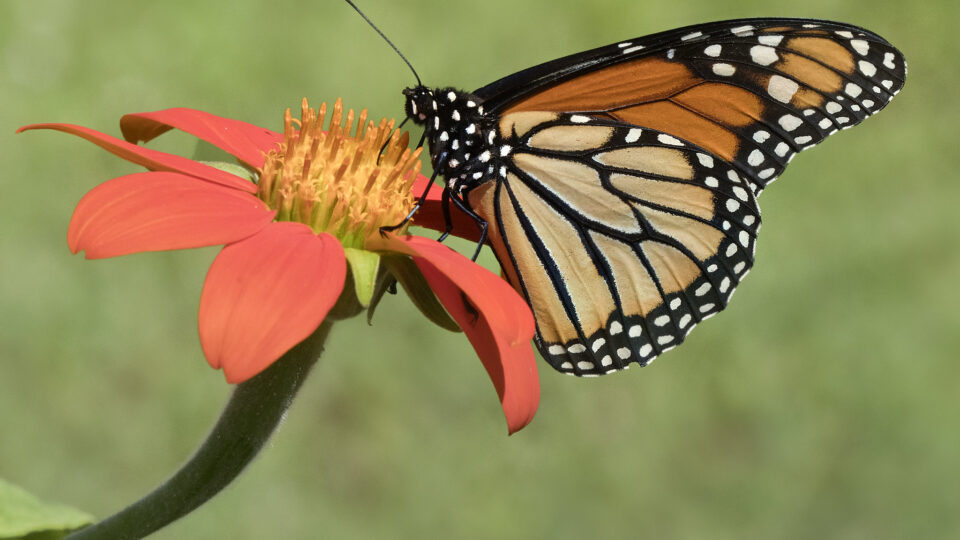
A new study on butterfly populations in the Midwest indicates that agricultural insecticides exerted the biggest impact on the diversity of butterfly populations in the Midwest during the period 1998 to 2014.  The biggest culprits were the widely used insecticides called neonicotinoids that are absorbed into the tissues of plants.

Neonics are meant for targeted pesticide use but are often used more broadly, including for corn crops.

Neonics are already well-known to be especially harmful to bees and are gradually being restricted in various places.  Quebec province passed restrictions on neonic-treated seeds in 2019.  Last December, New York signed into law a phase-out of neonic-treated seeds and a ban on non-agricultural uses of them.

Vermont has now become the second state to ban the use of neonicotinoids by virtue of its state legislature overriding a veto from Governor Phil Scott.  The law minimizes the use of neonics by requiring potential users to obtain written exemptions. 

Opponents to neonic restrictions claim that slashing their use will greatly reduce crop yields.  The experience in Quebec over the past five years is that the Canadian neonic restrictions have reduced corn and soybean crop yields by about 0.5%.  As a result of this tiny reduction, there has been a strong reduction in the amount of neonics contaminating waterways.

**********

Web Links

Vermont Becomes Second State to Ban Bee-Killing Neonic Pesticides

New ‘Detective Work’ on Butterfly Declines Reveals a Prime Suspect

Photo, posted September 7, 2017, courtesy of Watts via Flickr.

Earth Wise is a production of WAMC Northeast Public Radio

Averting a mass extinction

July 19, 2024 By EarthWise Leave a Comment

Averting a sixth mass extinction

There has been widespread concern that biodiversity is under siege and that we are in the beginnings of a sixth mass extinction in the long history of the Earth, this time caused by the actions of humanity.  There has been considerable debate about what can be done about it and solutions generally involve protecting large areas of the planet from human disruptions.  Some countries have set a target of protecting 30% of land and sea.

A new study by a broad coalition of conservation organizations and published in Frontiers in Science, concludes that humans can preserve much of the great diversity of life on Earth by setting aside just 1.2% of the planet for protection.

The experts mapped the wilderness available to rare and threatened plants and animals.  They then identified specific hotspots for rare wildlife that have yet to be protected.  They found a total of 16,825 such sites which nevertheless all together add up an area smaller than the state of Wisconsin.

Some scientists have been warning that by focusing too much on the size of protected lands, we are not necessarily safeguarding areas that are especially rich in wildlife.  The new study pushes for prioritizing hotspots for rare species, which the authors claim would be sufficient to stave off a sixth mass extinction.  The truth is that most species on Earth are rare, meaning that they are few in number or cover a small range, or both.

The study estimated that the cost of protecting the identified hotspot sites would be $263 billion, which is certainly a large amount of money.  But the authors point out that this sum to save global biodiversity is less than the yearly revenue of Shell Oil.

**********

Web Links

To Avert a Mass Extinction, Protect 1 Percent of Earth

Photo, posted April 20, 2018, courtesy of Per Harald Olsen / AfricanBioServices via Flickr.

Earth Wise is a production of WAMC Northeast Public Radio
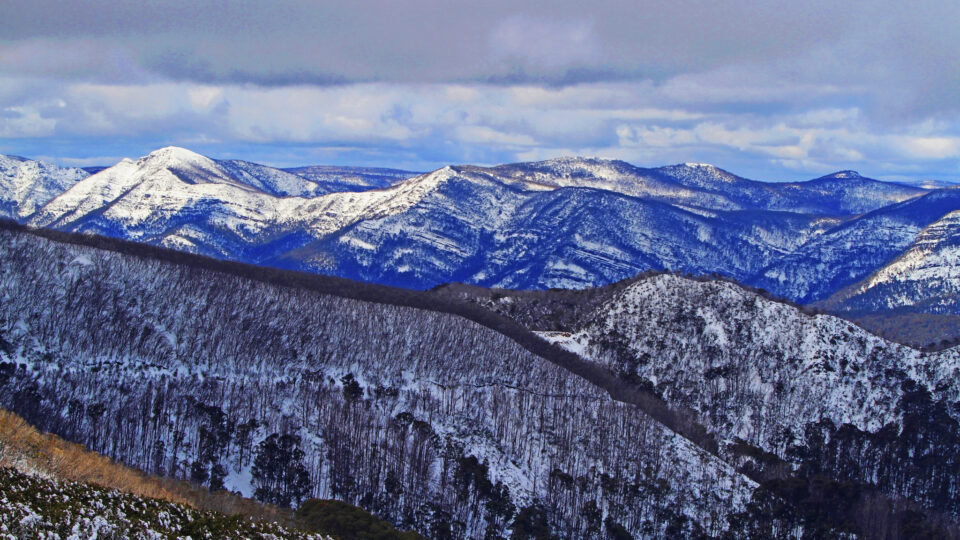
The slippery slopes of the ski industry

July 18, 2024 By EarthWise Leave a Comment

According to the National Oceanic and Atmospheric Administration, snowfall is declining globally as temperatures warm because of human-caused climate change.  Less snow threatens to reinforce global warming, and to disrupt food, water, and livelihoods for billions of people.   

According to new modeling by researchers from Protect Our Winters Australia and The Australian National University, the ski industry in Australia is at risk of major disruptions and shorter seasons if climate change continues unabated.  The researchers found the average ski season across all resorts in Australia will be 44 days shorter by 2050 under a mid-greenhouse gas emissions scenario, and 55 days shorter under a high-emissions scenario.

But the research team also revealed that the Australian ski industry would fare significantly better if decisive action is taken to reduce climate pollution.  In fact, under a low-emissions scenario, the ski season would be 28 days shorter by 2050, before starting to improve by 2080 if emissions are kept down.

However, if decisive climate action isn’t taken, the researchers warn some ski resorts in Australia may be forced to close for good.  But this threat isn’t unique to Australia. 

In fact, according to a study recently published in the journal PLOS ONE, 13% of ski areas around the world are predicted to lose all natural snow cover under the high-emissions scenario by 2071-2100 – relative to their historic baselines. 

The future losses of ski areas around the world will be significant if global emissions continue unchecked.

**********

Web Links

Climate crisis puts Australia’s ski industry on slippery slope, but not all hope is lost

“Our Changing Snowscapes” Report Released

The future is likely less skiable, thanks to climate change

Photo, posted June 6, 2018, courtesy of Clement Tang via Flickr.

Earth Wise is a production of WAMC Northeast Public Radio

Eliminating plastic shipping pillows

July 17, 2024 By EarthWise Leave a Comment

Amazon is phasing out plastic shipping pillows

Anyone who gets packages from Amazon is familiar with the plastic air pillows used to keep products safe in transit.  Amazon uses almost 15 billion of them a year in North America.

Environmentalists have been urging Amazon and other vendors to cut down on the use of plastic packaging. The air-filled plastic pillows are made from plastic film, which is the most common form of plastic litter found in the sea and in seabeds along the shore.  Plastic film can be deadly to wildlife such as sea turtles and sea birds.  Plastic film generally can’t be composted or recycled either.

Recently, Amazon announced that it will replace its plastic pillows with recycled paper filler in all its North American markets – the United States, Canada, and Mexico – which together account for more than 70% of the retailer’s global sales.  It is already making the switch in a big way and is working towards fully removing the plastic materials by the end of the year.

Replacing plastic packaging with paper is a definite improvement.  Paper is recyclable and biodegradable.  It isn’t perfect:  if it ends up in landfills, it can contribute to methane pollution as it biodegrades.  But, on the other hand, paper packaging is more likely to be recycled.

Stemming the tide of plastic waste is an ongoing effort by environmental and consumer groups.  There is pending legislation in New York that aims to reduce the use of plastic packaging by 50% over 12 years by requiring manufacturers to either replace it or pay fees.  The bill cleared the State Senate but has not come up to a vote in the Assembly.  Similar legislation has already been passed in California, Oregon, Maine, and Colorado.

**********

Web Links

Amazon Says It Will Stop Using Puffy Plastic Shipping Pillows

Photo, posted November 20, 2018, courtesy of Todd Van Hoosear via Flickr.

Earth Wise is a production of WAMC Northeast Public Radio
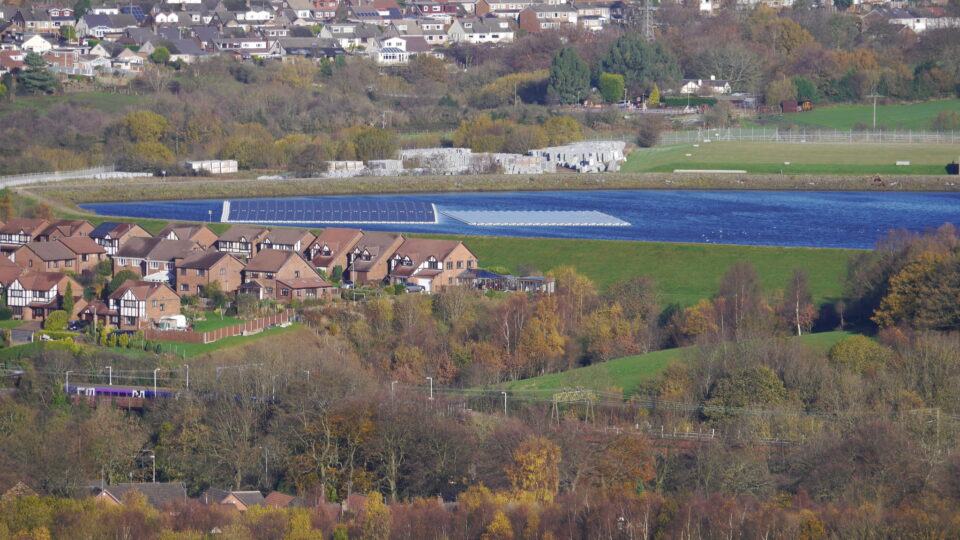
Potential for floating solar

July 16, 2024 By EarthWise Leave a Comment

As installations of utility-scale solar power continue to expand around the world, there is the issue of where to put them.  They do take up considerable amounts of space and, in many places, available land is at a premium.

An alternative to taking up available land with solar panels is to deploy them on the surfaces of lakes and reservoirs.  A study by researchers at Bangor and Lancaster Universities in the UK calculated the potential electrical output for floating photovoltaic installation on nearly 68,000 lakes and reservoirs around the world.  The lakes and reservoirs selected were no more than 6 miles from a population center, were not in a protected area, and didn’t dry up and didn’t freeze for more than six months each year.  The calculations were based on covering just 10% of the surface area of the bodies of water.

The calculations were evaluated country-by-country.  Five countries could meet their entire electricity needs by floating installations including Papua New Guinea, Ethiopia, and Rwanda.  Many countries, mostly in Africa, South America, and Central Asia, could get between 40% and 70% of their electricity this way.  Most European countries could only meet a few percent of their electricity needs from floating solar, but even that could be significant. 

There are other benefits to floating solar apart from freeing up land.  The panels stay cooler, making them more efficient, and reservoirs lose less water through evaporation and the growth of algal blooms is reduced because there is less light reaching the water.

**********

Web Links

Some countries could meet their total electricity needs from floating solar panels, research shows

Photo, posted November 25, 2015, courtesy of Smabs Sputzer via Flickr.

Earth Wise is a production of WAMC Northeast Public Radio

Dark chocolate is not so dangerous

July 15, 2024 By EarthWise Leave a Comment

dark chocolate does not seem so dangerous after all

Last year, Consumer Reports published a story stating that a third of chocolate products contain potentially dangerous amounts of heavy metals, in particular lead and cadmium. Since it contains much more cacao, dark chocolate was singled out as the most worrisome product.  Needless to say, chocolate lovers found this report quite alarming.

A new study by Tulane University published in Food Research International employed a larger sample size, expanded the scope of testing to 16 metals, and included a risk assessment of toxic metals as well as accounted for the nutritional contribution of essential minerals.

The conclusions of the study were that dark chocolate poses no adverse risk for adults and contains nutritionally beneficial levels of essential minerals.  Some risks remain for very young children, but only from a very small number of chocolate products and only when large quantities are consumed.

The study sampled 155 dark and milk chocolates from various global brands sold in the United States.  It modeled the risk of eating one ounce of the chocolate per day or two large whole bars a week.

Only one brand exceeded the international limit for cadmium; four had cadmium levels that could pose a risk for a child weighing less than 33 pounds.  Only two bars contained lead levels above California interim standard, but neither posed adverse risks for anyone.

Lead in chocolate comes from post-harvest processing; cadmium comes from the soil.  South American chocolates generally have higher levels of metals than chocolates from Asia and West Africa.  Most dark chocolate in the U.S. is sourced from West Africa.

**********

Web Links

A dark side to dark chocolate? New study finds very minimal risk for kids from metals in chocolates

Photo, posted February 19, 2012, courtesy of Bodo via Flickr.

Earth Wise is a production of WAMC Northeast Public Radio

Research on solar geoengineering

July 12, 2024 By EarthWise Leave a Comment

Ideas for potential technologies that could artificially cool the planet as a countermeasure against global warming have been considered radical and dangerous for a long time.  But as climate change continues to become increasingly apparent, ideas like solar geoengineering are gaining increasing attention.

Most environmental organizations are at best skeptical about such ideas and oppose them.  Their opposition is in part based on the assertion that there are no quick fixes for climate change and that not addressing its root causes is a dangerous path to take.  But an even greater concern is that intentionally manipulating global temperatures is likely to have a host of unintended consequences that could prove disastrous.

One of the world’s largest environmental organizations, the Environmental Defense Fund, has decided to fund research into solar geoengineering.  The EDF cautions that is in not in favor of deploying such technology.  Its position is that the discussion about ways to cool the planet is not going away and cannot be ignored.  The lack of proper research can promote unfounded optimism about such technology  So, they are going to fund research that can provide information based on solid, well-formulated science.

A major focus will be what other effects technologies like cloud brightening and injecting aerosols into the atmosphere might have apart from providing cooling. 

The EDF’s own position is that deliberate climate interventions present serious ecological, moral, and geopolitical concerns.  However, they believe that policymakers need to be informed by the most accurate information possible.

**********

Web Links

Environmental Group to Study Effects of Artificially Cooling Earth

Photo, posted February 3, 2008, courtesy of Camilla Cannarsa via Flickr.

Earth Wise is a production of WAMC Northeast Public Radio
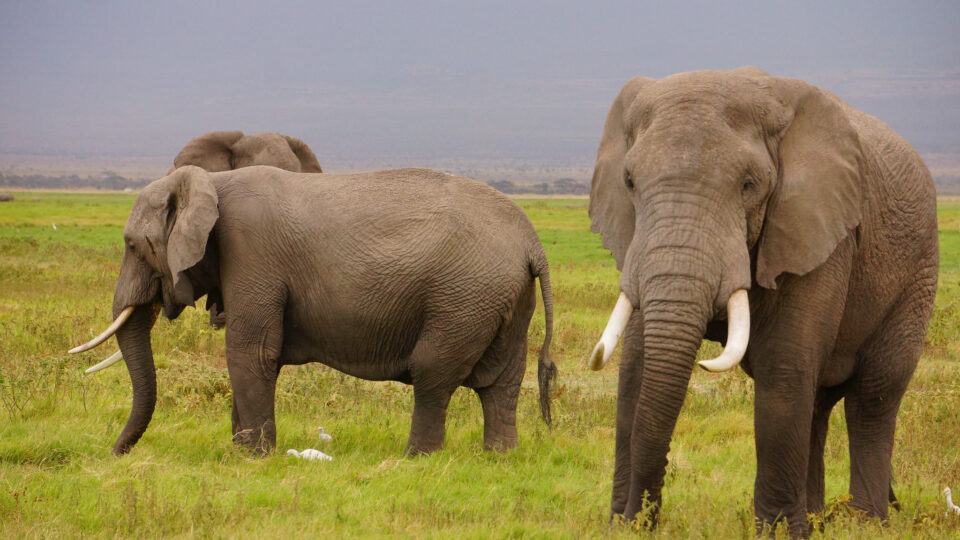
Elephants have names

July 11, 2024 By EarthWise Leave a Comment

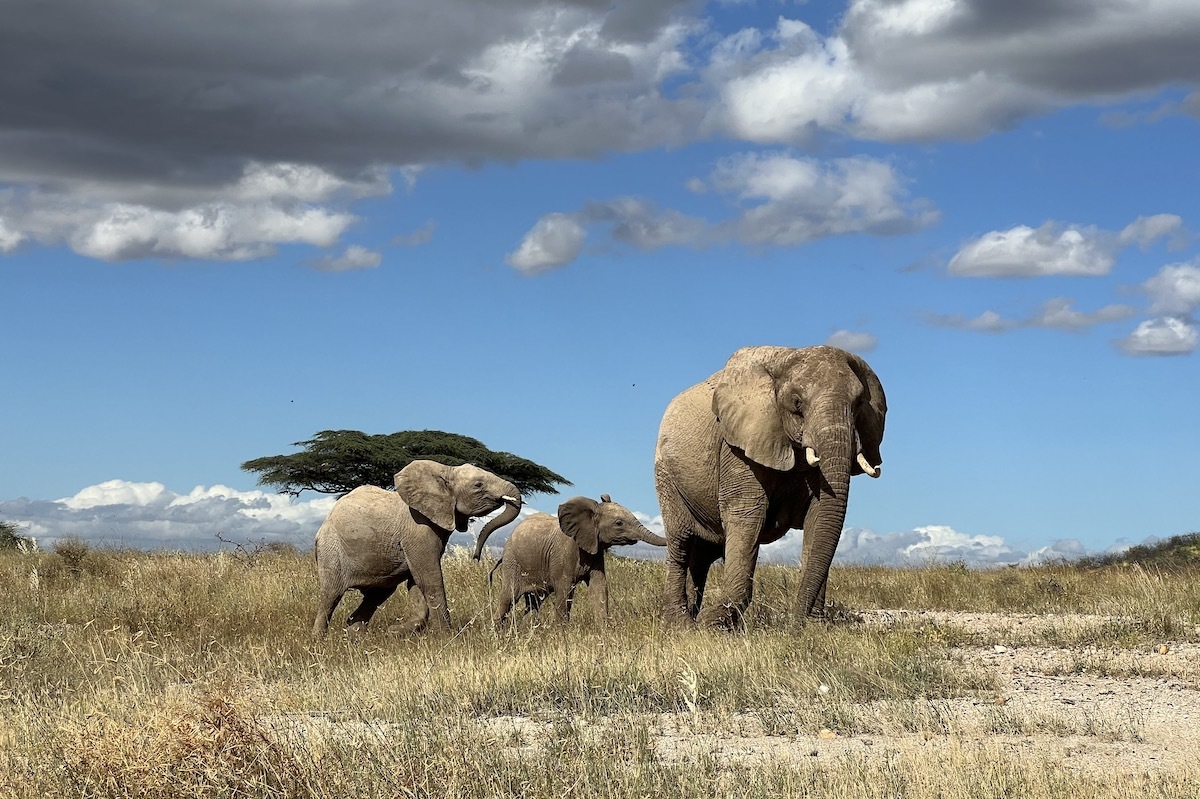
Elephants are considered to be very smart creatures.  They have the largest brain of any land animal and have three times as many neurons as humans.  Of course, a lot of that brain hardware is needed to control those big elephant bodies, but elephants have also demonstrated impressive mental capabilities on many occasions.

A new study by an international team headed by researchers from Colorado State University has found that elephants call each other by name and respond when they hear others call their name.

The researchers analyzed hundreds of elephant calls recorded over more than a year in Kenya.  With machine learning techniques, they were able to identify specific sounds that elephants made when calling each other.  When the researchers played recordings of these sounds, the elephants responded to the sound of their own name by calling back or moving toward the loudspeaker.  Their response to other names was much less enthusiastic.

Very few animals use names at all, and, in most cases, it is more a matter of imitation.  For example, dolphins refer to other dolphins by mimicking their unique sounds.

These findings at least suggest that elephants may be capable of abstract thought and perhaps may have a vocabulary beyond names for each other.  The researchers are investigating whether elephants can identify food, water, or locations using their calls.  The great hope is that it might ultimately be possible to communicate with elephants directly.  It would be wonderful to be able to alert them to poachers or other threats.  The lead author of the study said that he would like to be able to tell elephants things like “Do not come here.  You’re going to be killed if you come here.”

**********

Web Links

Elephants Have Names for Each Other, Study Finds

Photo, posted April 24, 2016, courtesy of Neil Ransom via Flickr.

Earth Wise is a production of WAMC Northeast Public Radio

Seashells inspire better concrete

July 10, 2024 By EarthWise Leave a Comment

Seashells inspiring better concrete

Mother of pearl – also known as nacre – is a natural material found in certain seashells such as those of oysters and abalone.  On the microscopic level, it consists of hexagonal tablets of the hard mineral aragonite glued together by a soft biopolymer.  The aragonite gives nacre its strength, and the biopolymer adds flexibility and crack resistance. 

Scientists at Princeton University have developed innovative composite materials inspired by nacre by utilizing conventional construction materials like Portland cement paste combined with a limited amount of polymer.  The new material consists of alternating layers of cement paste sheets with the highly stretchable polymer polyvinyl siloxane.

The materials were subjected to bending tests to evaluate crack resistance or fracture toughness.  Three different versions of the material were tested that used different ways of interposing the polymer layers.  The new materials were compared with similar structures composed entirely of cement.

The concrete-only samples were brittle, breaking suddenly and completely upon reaching their failure point.  The samples with alternating cement and polymer layers demonstrated increased ductility and resistance to cracking. 

By fully mimicking the structure of nacre – using completely separated hexagonal cement tablets – the researchers demonstrated materials with 19 times the ductility and 17 times the fracture toughness of cement while retaining nearly the same strength as solid cement samples.

Engineered materials inspired by nature could eventually help increase the durability of a wide range of brittle ceramic materials, from concrete to porcelain.

**********

Web Links

From seashells to cement, nature inspires tougher building material

Photo, posted January 2, 2016, courtesy of Yantra via Flickr.

Earth Wise is a production of WAMC Northeast Public Radio

The most endangered marine mammal

July 9, 2024 By EarthWise Leave a Comment

How to protect the most endangered marine mammal

For the better part of a decade, conservationists have been trying to eliminate the use of gill nets by fishermen in the Gulf of California.  Species such as the corvina fish have been decimated by the use of this fishing gear.  The nets also trap other marine creatures, include the rare and elusive vaquita porpoise.

The vaquita is the world’s smallest porpoise, measuring no more than five feet in length.  It is the most endangered marine mammal. They live only in the Gulf of California, which is the site of intense fishing activity. Some of that activity is directed towards a fish called the totoaba, which is an endangered species itself.  The totoaba’s swim bladder is highly prized for Chinese traditional medicine, so there is a booming illegal market for it.  The gill nets used to catch totoaba are especially lethal to vaquitas.

Every year, for a few weeks, an international team of scientists searches the Gulf for vaquitas.  Recent surveys estimated that there are around 10 individuals in the area where they are most likely to be living.  This year’s survey estimated that six to eight vaquitas are in the area.  The ones spotted appeared to be in good health and one yearling was seen.

Officially, fishing with gill nets is banned throughout much of the upper Gulf of California.  In practice, enforcement has been difficult to do.  However, the Mexican government has been making an effort to improve the situation.  The Mexican Navy dropped 193 concrete blocks with giant hooks designed to entangle gill nets to deter fishers and they plan to drop more.

The survival of the vaquita depends on whether the use of gill nets stops.

**********

Web Links

The Most Endangered Marine Mammal Still Exists. Here’s the Latest Count.

Photo, posted July 12, 2011, courtesy of Semarnat via Flickr.

Earth Wise is a production of WAMC Northeast Public Radio
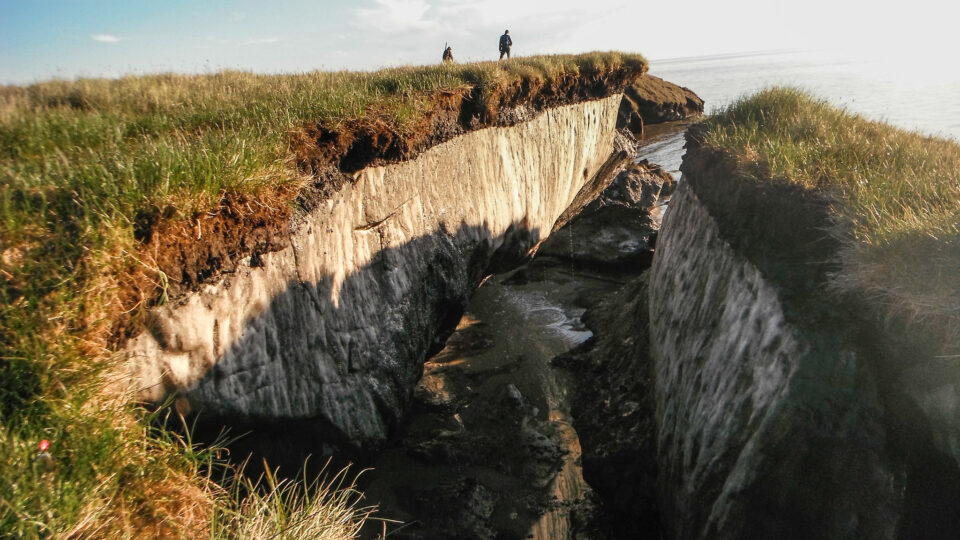
Thawing permafrost:  Is it a ticking timebomb?

July 8, 2024 By EarthWise Leave a Comment

Permafrost covers about a quarter of the landmass in the Northern Hemisphere.  It stores vast quantities of organic carbon in the form of dead plant matter.  As long as it stays frozen, it is no threat to the climate.  But as it thaws, microorganisms start breaking down that plant matter and large amounts of carbon are released into the atmosphere in the form of carbon dioxide and methane.

This process has often been described as a ticking timebomb for the climate.  The theory is that once global warming reaches a certain level, the process will become self-amplifying setting off a catastrophic amount of warming.  If that level was reached, it would be a tipping point in the changing climate.

An international research team from the Alfred Wegener Institute in Germany has extensively researched this hypothesis.  Their conclusion is that within the permafrost, there are multiple geological, hydrological, and physical processes that are self-amplifying and, in some cases, irreversible.  However, these processes act only locally or regionally.  There is no evidence that some particular threshold in global warming could affect all permafrost and accelerate its thawing on a global level.

This research does not mean that Arctic permafrost is nothing to worry about.  In fact, there are ways in which it is more worrisome.  Because the permafrost is very heterogenous – meaning it is very different in different places – there will be numerous small, local tipping points that will be exceeded at different times and at different levels of warming.  All of this will proceed in step with global warming, contributing to the overall worsening situation.  There is no warming level below which permafrost thawing is not a problem.

**********

Web Links

Thawing permafrost: Not a climate tipping element, but nevertheless far-reaching impacts

Photo, posted January 24, 2014, courtesy of Brandt Meixell / USGS via Flickr.

Earth Wise is a production of WAMC Northeast Public Radio
  • « Go to Previous Page
  • Page 1
  • Interim pages omitted …
  • Page 15
  • Page 16
  • Page 17
  • Page 18
  • Page 19
  • Interim pages omitted …
  • Page 99
  • Go to Next Page »

Primary Sidebar

Recent Episodes

  • An uninsurable future
  • Clean energy and jobs
  • Insect declines in remote regions
  • Fossil fuel producing nations ignoring climate goals
  • Trouble for clownfishes

WAMC Northeast Public Radio
WAMC/Northeast Public Radio is a regional public radio network serving parts of seven northeastern states (more...)

Copyright © 2026 ·