• Skip to primary navigation
  • Skip to main content
  • Skip to primary sidebar

Earth Wise

A look at our changing environment.

  • Home
  • About Earth Wise
  • Where to Listen
  • All Articles
  • Show Search
Hide Search
You are here: Home / Archives for Episode

Lots of female turtles

November 3, 2023 By EarthWise Leave a Comment

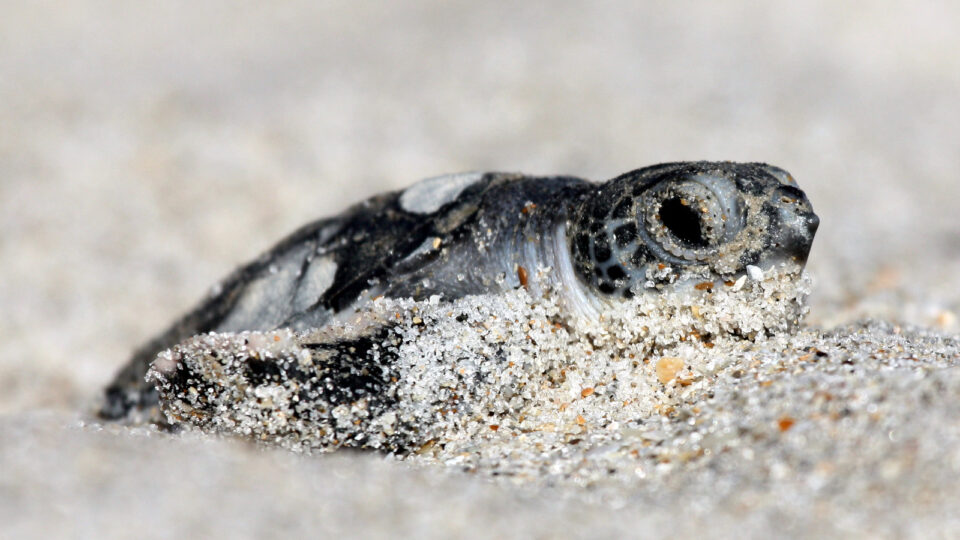
Climate change threatening the future of green sea turtles

Green sea turtles were listed under the Endangered Species Act in 1978.  Since that time, there have been conservation measures put in place in many locations.  One such place is Florida, where restrictions on beachfront development and careful monitoring of turtle nests has helped to get hatchlings safely into the water.  A gill net ban in 1995 sharply reduced the number of young turtles killed by fishing gear.

All of this has resulted in what is described as an explosion in turtle populations in Florida.  Volunteers monitoring the 2023 nesting season on Florida’s beaches have counted more than 74,000 nests.  That beats the previous record – set in 2017 – by an incredible 40%.

Unfortunately, this does not represent a guaranteed great future for the species.  Sea turtles are particularly sensitive to the warming climate.  The sex of a baby sea turtle is not determined by DNA, but rather by the temperature of the sand in which its egg develops.  Cooler temperatures mean more males; warmer ones mean more females.

In recent years, the proportion of male green sea turtles has dwindled substantially.  In the past few seasons, between 87 percent and 100 percent of the hatchlings tested in Florida have been female.

In the short term, the skewed sex ratio might be a boon for the species.  Lots of females laying lots of eggs means lots of turtles.  Sea turtles don’t reach sexual maturity until their twenties or thirties.  So, for the next few decades, there are likely to be growing numbers of turtle nests.  But down the line, there is going to be a real problem.  Where will for all the female turtles find the mates to populate the species in the future?

**********

Web Links

Florida Turtle Nests Are Recovering. When They Hatch, Expect Mostly Girls.

Photo, posted October 5, 2011, courtesy of Keenan Adams / USFWS via Flickr.

Earth Wise is a production of WAMC Northeast Public Radio
Hydrogen hubs

November 2, 2023 By EarthWise Leave a Comment

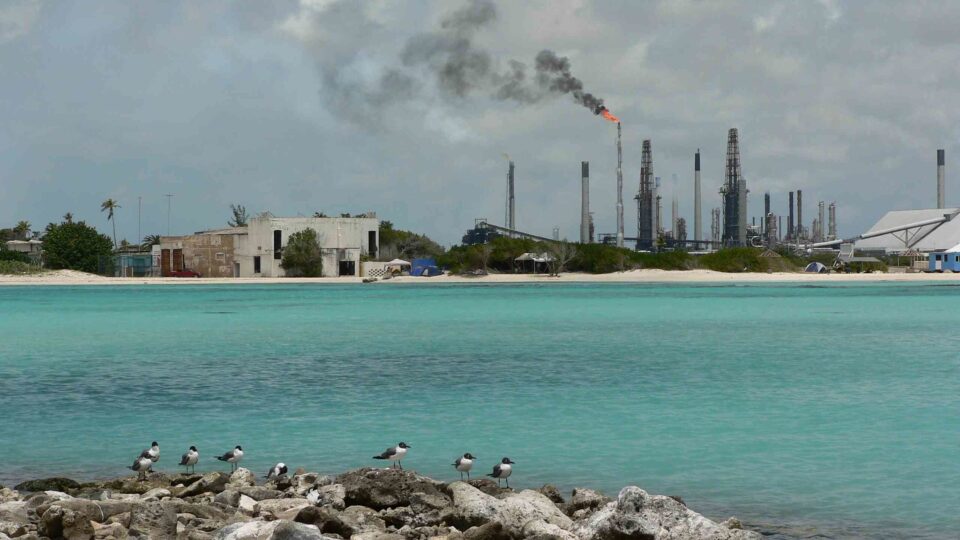
The Infrastructure Investment and Jobs Act of 2021 earmarked $7 billion in federal funding aimed at accelerating the commercial-scale deployment of hydrogen as well as driving down its cost.  Clean hydrogen is considered to be a key technology for cleaning up hard-to-decarbonize industrial sectors like refining, chemicals, and heavy-duty transport. 

On October 13th, the Department of Energy named seven regional clean hydrogen hubs which will provide clean hydrogen production, storage, delivery, and end-use components.  The so-called H2Hubs are expected to collectively produce three million metric tons of hydrogen annually. 

One selected project is the Appalachian Hydrogen Hub that includes West Virginia, Ohio, Kentucky, and Pennsylvania.  Another is the California Hydrogen Hub, that will produce hydrogen exclusively from renewable energy and biomass.  Then there is the Gulf Coast Hydrogen Hub, centered in the Houston, Texas region.  A fourth hub is the Heartland Hydrogen Hub, which includes Minnesota, North Dakota, and South Dakota.  A fifth hub is the Mid-Atlantic Hydrogen Hub, that includes Pennsylvania, Delaware, and New Jersey.  The sixth is the Midwest Hydrogen Hub that includes Illinois, Indiana, and Michigan.  Finally, there is the Pacific Northwest Hydrogen Hub that includes Washington, Oregon, and Montana.

Each of these hubs involve multiple partner organizations in their regions and each has specific goals and strategies. The seven centers are located all around the country and are intended to jumpstart a national network of clean hydrogen producers, consumers, and connective infrastructure.

**********

Web Links

Hydrogen hubs have arrived. Here are the big winners of the $7 billion sweepstakes

Photo, posted August 17, 2010, courtesy of David Stanley via Flickr.

Earth Wise is a production of WAMC Northeast Public Radio

A billion pound problem

November 1, 2023 By EarthWise 1 Comment

Nearly two billion pounds of pumpkins are grown each year in the U.S.  But we actually don’t eat the vast majority of them.  Instead, most pumpkins are carved or otherwise decorated, and placed on porches across the country during Halloween.  But now that the holiday has come and gone, what happens to all those sagging masterpieces?

Simply put, we usually just throw them out.  In the days after Halloween, as much as 1.3 billion pounds of pumpkin winds up in landfills.  When left there to decompose, the pumpkins produce methane, a potent greenhouse gas that affects climate change by contributing to increased warming. 

Here are some ways to keep pumpkins out of the landfills this year and make Halloween festivities more sustainable. 

If the pumpkin is still in good shape, use the outer, meaty part of the pumpkin to make a fresh version of pumpkin puree.  Pumpkin puree is a common ingredient in baked goods like muffins, breads, and pies, especially during this time of the year.  The pumpkin seeds can also be scooped out, rinsed, and salted or spiced, and then baked in the oven, resulting in a delicious snack.

Pumpkins also have the potential to turn into great soil through composting. Pumpkins are just over 90% water, which help naturally add moisture to compost piles that need to be damp to effectively decompose food waste.

If eating or composting the pumpkins isn’t an option, consider donating them to a local farm.  Farmers will often collect pumpkins as treats for their pigs, goats, and other animals. 

The scariest part of Halloween shouldn’t be the waste. 

**********

Web Links

Halloween is over. Here’s the most sustainable way to get rid of your jack-o’-lanterns, pumpkins, and gourds

Say Boo to Landfills – Compost Your Pumpkin After Halloween!

Photo, posted November 4, 2010, courtesy of William Warby via Flickr.

Earth Wise is a production of WAMC Northeast Public Radio
Wind turbines and bats

October 31, 2023 By EarthWise Leave a Comment

How to reduce bat collisions with wind turbines

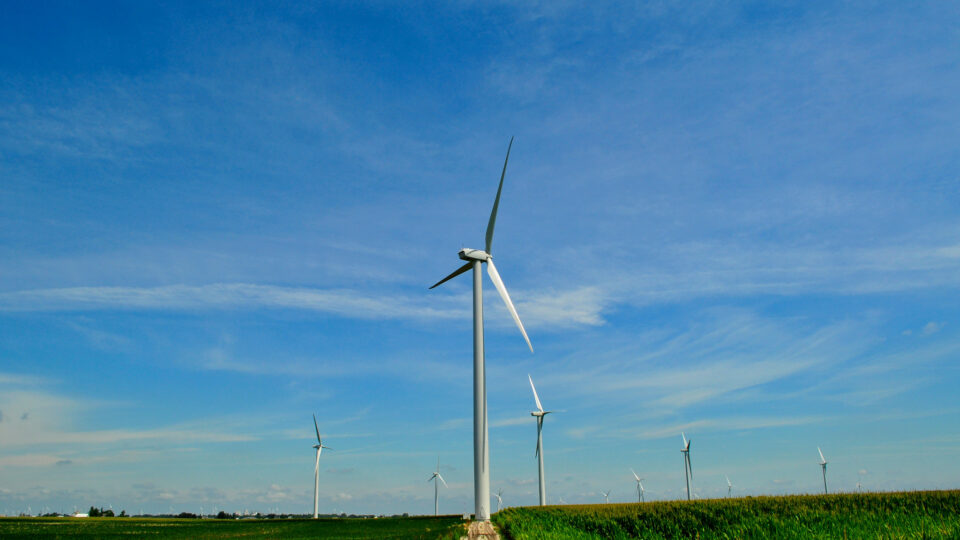
Collisions with wind turbines are one of the leading causes of bat mortality in North America and Europe.  Most bat fatalities are caused by bats colliding with the rotating blades of wind turbines.  Fatalities are highest during autumn migration and on nights with low wind speeds.

According to a recent study, land-based wind turbines kill as many as 880,000 bats a year and are wiping out so many threatened bats that some species may become endangered unless preventative action is taken.

The big challenge is that bat conservation experts and scientists don’t know how to stop or reduce turbine collisions.  They don’t really know why bats are interacting with turbines to the extent that they are.  Do turbines attract bats?  Do turbines’ bright lights or just their silhouettes stimulate an attraction response?

The U.S. Department of Energy has awarded $8 million to five research centers to develop strategies for deterring bats from wind turbines. 

One of these is Bat Conservation International, which is an organization whose mission is to accelerate research to address knowledge gaps in bat ecology and behavior and develop technologies and industry methods to reduce fatality of bats at wind farms.  Among the approaches to be tested is limiting the use of nighttime lighting on wind farms to make migrating bats less likely to fly through blades. 

Another team at Boise State University is designing ultrasonic noisemakers to scare off bats. 

In announcing the new program, the Department of Energy states that wind energy must be appropriately and responsibly sited, which includes the protection of wildlife and their habitats.

**********

Web Links

Experts Seek to Spare Bats From Wind Turbine Collisions

Photo, posted January 10, 2013, courtesy of Tom Shockey via Flickr.

Earth Wise is a production of WAMC Northeast Public Radio
Record low Antarctic sea ice

October 30, 2023 By EarthWise Leave a Comment

Record low sea ice levels in Antarctica

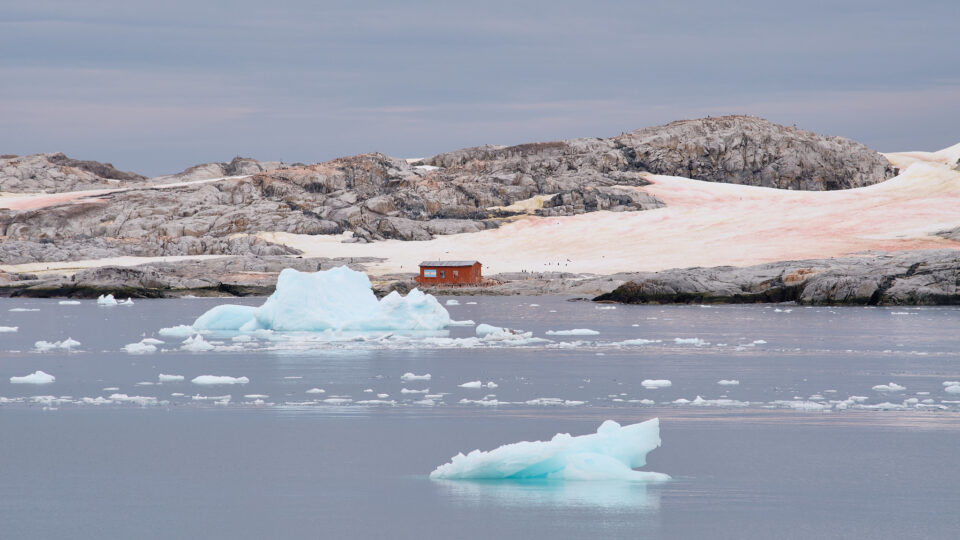
Antarctica’s winter came to a close in September and during that month, the continent reaches its maximum amount of sea ice that grows during the darkest and coldest months.  This year, that maximum occurred on September 10th and turned out to be the lowest on record.

The sea ice around Antarctica reached a maximum extent of 6.5 million square miles according to NASA researchers.  That was nearly 400,000 square miles below the previous record low set in 1986. 

There are several possible causes for the meager growth of Antarctic sea ice this year.  It may be a combination of several factors including El Niño, wind patterns, and warming ocean temperatures.  Recent research indicates that ocean heat is most likely playing an important role in slowing ice growth in the cold season and enhancing ice melting in the warm season.

The record-low ice extent so far this year is a continuation of a downward trend in Antarctic sea ice that has gone on since the ice reached a record high in 2014.  Prior to that year, the ice surrounding the southern continent was actually increasing slightly by about 1% every decade.

Meanwhile, Arctic sea ice reached its minimum extent in September and it was the sixth-lowest level in the satellite record.  Scientists track the seasonal and annual fluctuations of polar sea ice because they shape polar ecosystems and play a significant role in global climate.  Sea ice melting at both poles reinforces global warming because bright sea ice reflects most of the Sun’s energy back to space while open ocean water absorbs 90% of it.

**********

Web Links

Antarctic Sea Ice Sees Record Low Growth  

Photo, posted June 30, 2023, courtesy of Pedro Szekely via Flickr.

Earth Wise is a production of WAMC Northeast Public Radio
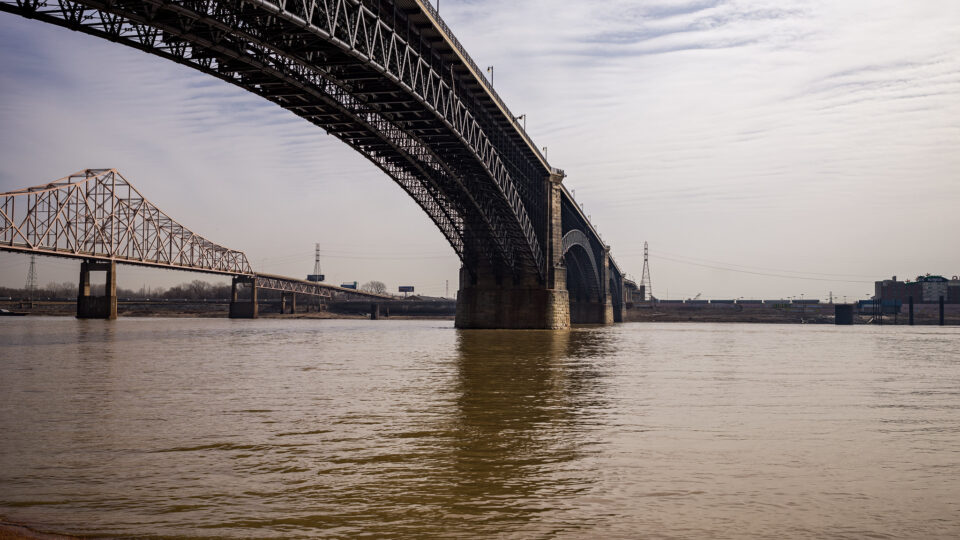
Mississippi River Running Dry | Earth Wise

October 27, 2023 By EarthWise Leave a Comment

The Mississippi River is losing water

Water levels in the lower Mississippi River are running very low.  During September, the readings in Memphis, Tennessee were within inches of the all-time low.  The situation is causing real problems for the grain export industry.

The water levels of the lower Mississippi are determined by the amount of rainfall in the upper Midwest.  At the point where the Ohio and Mississippi Rivers come together, about 90% of the water headed for the lower Mississippi has been accumulated.

Almost 400 miles of the Mississippi have experienced water levels at or below critical levels for shipping.  During September, parts of the Mississippi have been closed to ship traffic more than 20 times.  At least 36 vessels were reported to have run aground.

The low water levels on the river have caused shippers of soybean and corn exports to lighten their loads to keep the vessels from running aground.  They have also reduced how many barges they pull at once in order to be able to navigate shipping channels that have narrowed because of the reduced water levels.

Fall is the busiest grain export season for the region.  About 60% of grain exports from the Midwest leave the U.S. through terminals on the Gulf Coast.  The low levels of the Mississippi River threaten gridlock for this vital industry.  It has caused freight costs to be the highest since historic river lows last year caused U.S. grain to be less competitive globally.

Unfortunately, October is not normally a strong precipitation month, but the hope is that the El Niño now underway may lead to increased precipitation in the Southern U.S.

**********

Web Links

Mississippi River Nears Historic Lows, Putting Grain Exports at Risk

Photo, posted March 8, 2023, courtesy of Errol Sandler via Flickr.

Earth Wise is a production of WAMC Northeast Public Radio
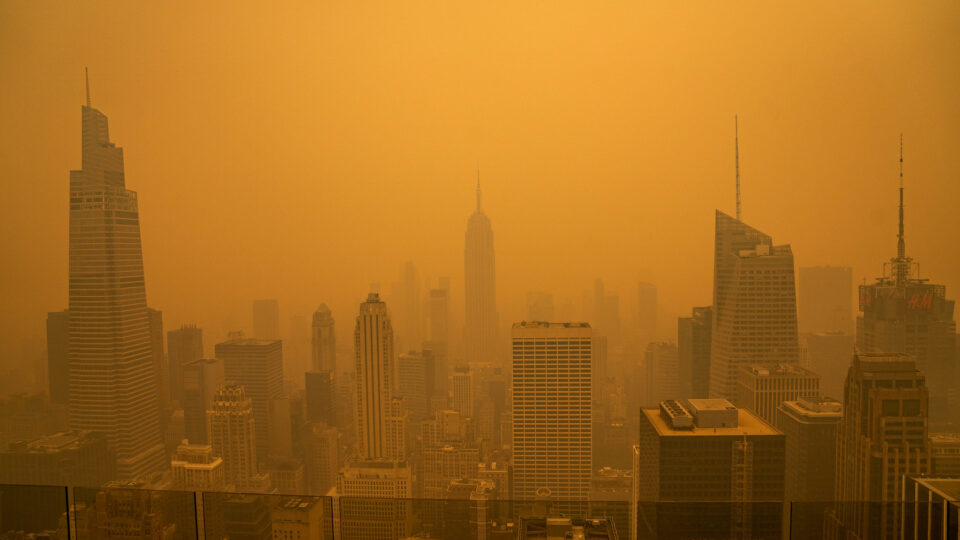
Wildfires And Air Quality | Earth Wise

October 26, 2023 By EarthWise Leave a Comment

People in the Northeast have been dealing with unhealthy air quality in recent times because of smoke from hundreds of wildfires in Canada.  Canada has experienced a much higher than average incidence of blazes this year with nearly 500 fires burning uncontrolled at times.

It turns out that states far away from Canada aren’t necessarily free from the impact of the fires.  Early in October, smoke from a wildfire burning in Quebec made its way south all the way down to Florida and created unhealthy air quality and reduced visibility across much of the state.  Smoke from the same fire had created hazy air in Boston, New York City, and parts of Connecticut before heading south.

It took a rather unusual set of atmospheric conditions to make this happen.  The smoke drifted from Canada into the western Atlantic.  From there, it got trapped behind a cold front and was then pushed south along the east coast until it finally moved inland across Florida. 

Wildfires produce a variety of particles and gases from the burning of vegetation such as organic carbon, black carbon, nitrogen oxides, carbon monoxide and hazardous air pollutants.  The mixture of particles and gases in wildfire smoke is associated with respiratory symptoms like shortness of breath and reduced lung function, as well as dangerous cardiovascular effects.

Smoke from increasingly frequent and increasingly large fires has started to undo decades of gains in air quality brought about by air pollution policies.  According to researchers, wildfires in the United States in recent years have undone about 25% of past progress in cleaning up air pollution in states from coast to coast.

**********

Web Links

Wildfire Smoke From Canada Creates Unhealthy Air Quality in Florida

Photo, posted June 8, 2023, courtesy of Anthony Quintano via Flickr.

Earth Wise is a production of WAMC Northeast Public Radio
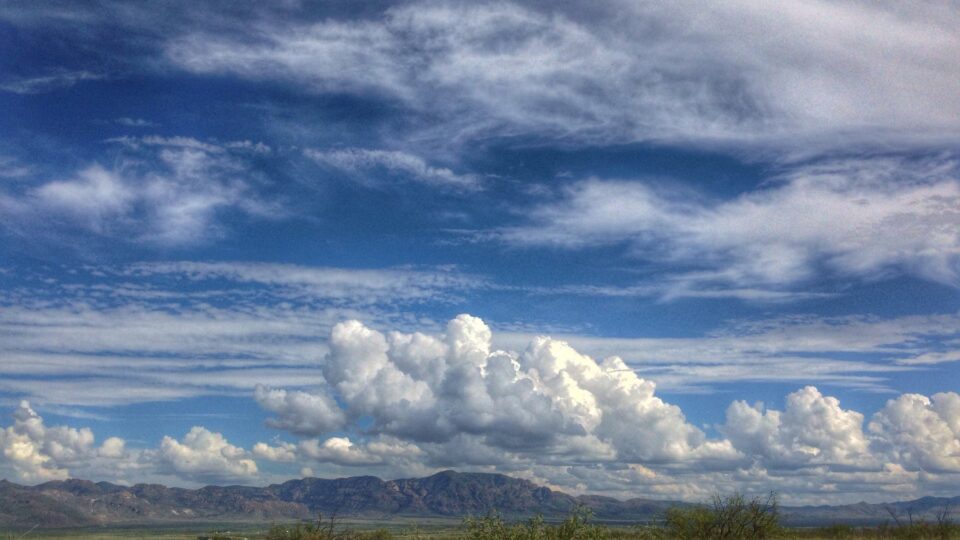
Plastics In The Air | Earth Wise

October 25, 2023 By EarthWise Leave a Comment

Plastic pollution is a growing problem

Plastic pollution is a big deal.  There are plastics clogging up landfills and waterways and accumulating in the oceans, choking turtles and seabirds.  Annual production of plastics has grown from 2 million tons a year in 1950 to more than 450 million tons today.

As if plastic problems weren’t already big enough, it is becoming increasingly clear that there are growing amounts of microplastic particles in the air. Bits of plastic are lofted into the sky from seafoam bubbles and from spinning tires on highways.  The particles are so light that they can travel for thousands of miles, far from where they originate.

Studies in recent years documented the presence of plastic particles even in places like the Pyrenees in Europe and in federally protected areas of the US.  Other studies have measured the quantity of plastic in the air of various locations and have looked at the origins of the particles.

In the western US, over 80% of microplastics came from roads where vehicles kick up particles from tires and brakes.   In remote areas of the Pacific, there is less than a single particle of plastic per cubic meter of air.  In cities like London and Beijing, on the other hand, there can be several thousand particles per cubic meter.

Microplastics can act as airborne aerosols, like dust, salt, soot, volcanic ash, and other particles.  Aerosols play an important role in the formation of clouds and in temperature regulation on the earth.  At low concentrations, such as exist in most places, microplastic aerosols don’t have much of an effect.  But there are more in the atmosphere all the time and, at this point, scientists don’t really know what effect they will have.

**********

Web Links

Microplastics Are Filling the Skies. Will They Affect the Climate?

Photo, posted August 28, 2014, courtesy of Alan Levine via Flickr.

Earth Wise is a production of WAMC Northeast Public Radio
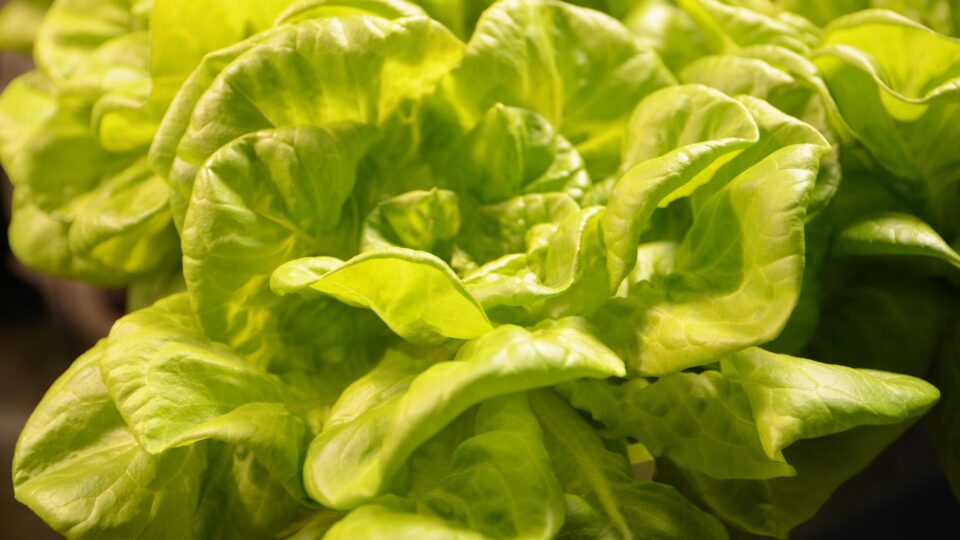
Controlled Environment Agriculture | Earth Wise

October 24, 2023 By EarthWise Leave a Comment

The term “controlled environment agriculture” (or CEA) refers to any number of systems embodying a technology-based approach to farming.  CEA can range from simple shade structures to greenhouses to full indoor or vertical farms.  At the most advanced level, CEA systems are fully automated, closed loop systems with controlled lighting, water, and ventilation.   Many systems make use of hydroponics rather than traditional soil.

The goal of CEA systems is to provide optimum growing conditions for crops and prevent disease and pest damage. 

A recent study by the University of Surrey in the UK sought to understand the impact of using CEA systems to grow lettuce, which is a high-value crop that is often grown in such systems.

The study found that, on average, CEA methods produce double the crop yields compared to field-based agriculture.  They also found that the cultivation time of CEA yields was, on average, 40 days.  This compares with an average cultivation time of 60-120 days for field-based agriculture.  More specifically, production of lettuce using CEA was 50% faster in the summer and up to 300% faster in the winter.

Climate change presents many difficult challenges to society, not the least of which is its threat to food security.  Controlled environment agriculture could allow cultivation of crops in harsh environments and in the face of changing climates.  Quantifying the benefits CEA can have on yield and growth provides important information for advancing our understanding of where and when this technology can bring the most value to society. 

**********

Web Links

Using artificial methods for growing crops could help solve global food security

Photo, posted February 24, 2013, courtesy of Cindy Kurman / Kurman Photography via Flickr.

Earth Wise is a production of WAMC Northeast Public Radio

The Spooky Reality | Earth Wise

October 23, 2023 By EarthWise Leave a Comment

According to the National Retail Federation, American consumers will spend a whopping $12.2 billion on Halloween this year, exceeding last year’s record of $10.6 billion.  A record number of people – 73% of Americans – will also participate in Halloween-related activities this year, up from 69% in 2022.  But it’s not just our wallets that take a beating. 

Halloween generates a frightening amount of waste.  Picture all those flimsy and often single-use costumes, polyester cobwebs, plastic-wrapped candy, mass-produced decorations, and so forth. Scary stuff!  Here are some simple tricks to make the holiday more sustainable this year. 

Invest in quality costumes.  Those mass-produced costumes leave the largest carbon footprint from Halloween.  They are often made from non-recyclable plastic and most end up in landfills by mid-November.   By renting, thrifting, swapping, or making your own costumes, many of the negative impacts of dressing up for the holiday can be avoided.

Find environmentally-friendly decorations and supplies.  For example, carve local pumpkins and either save the seeds and flesh to eat later, compost it, or feed it to animals.  Make your own spooky decorations.  If you do buy decorations, ensure that they are durable and reusable.  And use wicker baskets, old bags, or pillowcases when trick-or-treating.

Finally, purchase organic and fair trade candy if you’re able to do so.  Some of the largest candy manufacturers are major drivers of deforestation and species extinction around the globe due to their demand for sugar, palm oil, and cocoa beans.

Together, we can “green” Halloween.  

**********

Web Links

Halloween Data Center

Photo, posted November 13, 2019, courtesy of Christian Collins via Flickr.

Earth Wise is a production of WAMC Northeast Public Radio
Geologic Hydrogen | Earth Wise

October 20, 2023 By EarthWise Leave a Comment

Exploring geologic hydrogen

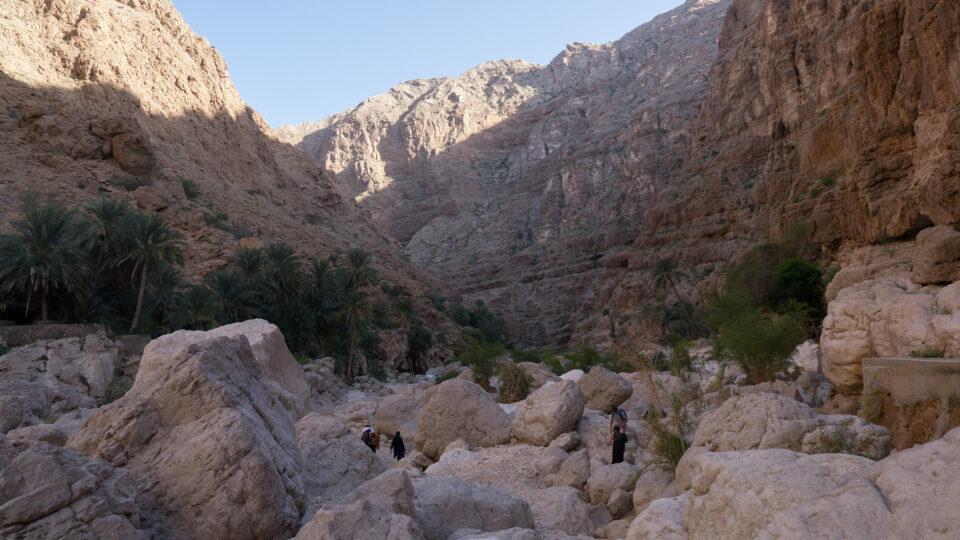
There is great interest in the potential use of hydrogen as a fuel or an energy storage medium.  Unlike hydrocarbon-based fuels, pure hydrogen combustion produces nothing but water as an emission.  But most hydrogen used at present is made by reforming natural gas, which is a process that results in carbon dioxide emissions.  Thus, the search goes on for cost-effective and energy-efficient ways to make “green hydrogen” that doesn’t result in greenhouse gas emissions.

Researchers at Colorado University Boulder are investigating the potential effectiveness of coaxing hydrogen from subterranean rocks – a commodity known as geologic hydrogen.

When water mixes with iron-rich minerals deep in the earth’s crust, ensuing chemical reactions can generate pockets of hydrogen gas. 

The questions are whether it is possible to bring these deposits up to the surface without harming the environment or human communities in the process and whether they can be extracted in large enough quantities to meet growing global energy demands.

The Colorado researchers will conduct experiments both in the lab and hundreds of meters below the earth’s surface to see if it is possible to induce the subterranean rock to make more hydrogen than it normally does.  If the hydrogen-producing reactions can be accelerated, then geologic hydrogen could become a clean and abundant energy source.

Geologists have known about hidden underground deposits of hydrogen for a long time, but recent research has found that there may be a lot more of it than once thought.  According to a 2022 report by the US Geological Survey, there may be enough hydrogen below ground to supply humanity’s need for fuel for hundreds of years.

**********

Web Link

Can rocks produce abundant clean energy? New project to explore

Photo, posted December 26, 2013, courtesy of Juozas Šalna via Flickr.

Earth Wise is a production of WAMC Northeast Public Radio

Banning Neonicotinoid Pesticides | Earth Wise

October 19, 2023 By EarthWise Leave a Comment

Banning neonicotinoids

New York’s Birds and Bees Protection Act contains a targeted restriction on neonicotinoid pesticides. These widely-used insecticides are absorbed by plants and can be present in pollen and nectar, making them toxic to bees and other pollinators.

Among the largest applications of neonics (as they are called) has been in the form of coatings on crop seeds, such as corn and soybeans.  In 2019, Canada’s Quebec province strongly limited neonic use to protect pollinators and the environment.  The chemical industry vigorously protested the regulations and claimed that the restrictions would cause the collapse of the grain sector in Quebec.

Seed suppliers began supplying uncoated seeds in 2019 and now there is scarcely any use of coated seeds in the province.  Monitoring of over 1,000 agricultural sites has shown that there have been no crop failures related to the pesticide restrictions.  In fact, use of the neonics had no economic benefits. 

Naysayers warned that even more harmful pesticides or other farming practices would be used instead.  But that hasn’t happened either. Some farmers switched to much safer insecticides and others abandoned insecticide treatments altogether.

New York has faced similar opposition by farmers and chemical manufacturers to the Birds and Bees Protection Act and all of the same arguments that have been proven to be invalid in Quebec are being made in New York.  Most major environmental advocates in the state support the measures embodied in the legislation.  As usual, it boils down to a battle between economic interests and the health of the environment.

**********

Web Links

Québec’s experience with pesticide ban offers a glimpse of what New York can expect

Photo, posted August 29, 2013, courtesy of the United Soybean Board / the Soybean Checkoff via Flickr.

Earth Wise is a production of WAMC Northeast Public Radio

Floating Sea Farms | Earth Wise

October 18, 2023 By EarthWise Leave a Comment

Researchers at the University of South Australia have designed a self-sustaining solar-driven system that turns seawater into fresh water and grows crops without any involvement.  In theory, such a system could help address the growing problems of freshwater shortages and inadequate food supplies as the world’s population continues to increase.

The system can be described as a vertical floating sea farm.  It is made up of two chambers:  an upper layer similar to a greenhouse and a lower chamber for water harvesting.

Clean water is supplied by an array of solar evaporators that soak up seawater, trap the salts in the evaporator body and, heated by the sun, release clean water vapor into the air which is then condensed on belts that transfer the water into the upper plant growth chamber.

The researchers tested the system by growing broccoli, lettuce and bok choi on seawater surfaces without maintenance or additional clean water irrigation.  The system was powered entirely by solar light.

The design is only a proof-of-concept at this point.   The next step is to scale it up using an array of individual devices to increase plant production. 

The futuristic potential for such technology would be huge farm biodomes floating on the ocean.  The UN estimates that by 2050, nearly 2.5 billion people are likely to experience water shortages while the global supply of water for irrigation is expected to decline by 19%.  Nearly 98% of the world’s water is in the oceans.  Harnessing the sea and the sun to address growing global shortages could be the way to go.

**********

Web Links

Floating sea farms: a solution to feed the world and ensure freshwater by 2050

Photo, posted February 11, 2015, courtesy of Ed Dunens via Flickr.

Earth Wise is a production of WAMC Northeast Public Radio
Enhanced Geothermal Energy | Earth Wise

October 17, 2023 By EarthWise Leave a Comment

Enhanced geothermal energy

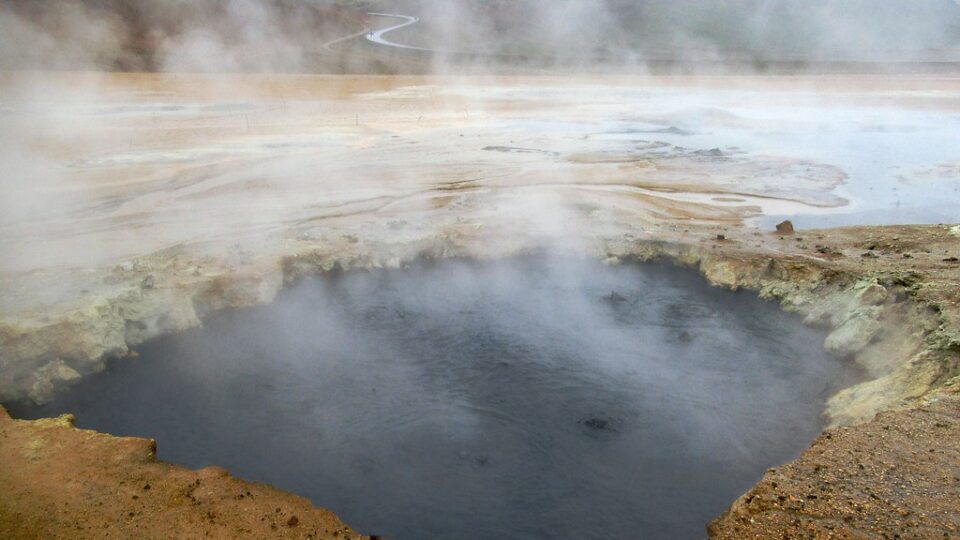
Steam produced by underground heat is an excellent source of clean energy.  In a few fortunate places around the world – notably Iceland and New Zealand – people have been using this source of power for more than a century.   In the U.S., a few places in the West have access to geothermal energy, and thus it provides roughly half-a-percent of the total U.S. power supply.

There is no shortage of underground heat but tapping into it is not so easy.  Enhanced geothermal energy refers to drilling down to where the rock is hot and injecting water to be heated and thereby provide steam that is then used to generate electricity.  According to the Department of Energy, there is enough energy in the rocks below the surface of the US to power the entire country five times over.

Recently, in northern Nevada, a company called Fervo Energy successfully operated an enhanced geothermal system called Project Red that generated 3.5 megawatts of clean electricity, the largest enhanced geothermal plant ever demonstrated.

There are now multiple start-up companies pursuing enhanced geothermal energy and the reason is somewhat ironic.  Much of the research and development needed for new geothermal technologies has already been done by the oil and gas industry for their own purposes  – notably fracking.  Those industries have gotten extremely skilled at drilling into rock and such skills are what are needed for enhanced geothermal technology.

Enhanced geothermal faces some of the same challenges as drilling for gas, such as intensive water use and potential triggering of earthquakes.  There are also issues related to permitting.  But the urgent need for more sources of clean energy has made enhanced geothermal energy a potentially very valuable addition to our energy portfolio.

**********

Web Links

Enhanced Geothermal Could Be A Missing Piece Of America’s Climate Puzzle

Photo, posted October 12, 2022, courtesy of David Stanley via Flickr.

Earth Wise is a production of WAMC Northeast Public Radio

Pollution From Tires | Earth Wise

October 16, 2023 By EarthWise Leave a Comment

A few years ago, researchers investigating massive deaths of coho salmon in West Coast streams discovered that the water contained particles from vehicle tires.  The cause of the fish mortality turned out to be a chemical called 6PPD that is added to tires to prevent cracking and degradation.  The mystery was solved, but so far, the chemical continues to be used by all major tire manufacturers and is found on roads and in waterways around the world.

Worse still, the acute toxicity of 6PPD and the chemicals that it transforms into when exposed to ground-level ozone is only the tip of the tire pollution iceberg.  Tire rubber contains more than 400 chemicals and compounds, many of which are carcinogenic. 

About 2 billion tires are sold across the globe each year and that number is expected to reach 3.4 billion by 2030.  Tires are made from about 20% natural rubber and 24% synthetic rubber, which requires about 4 gallons of petroleum per tire.  Hundreds of other ingredients – including steel, fillers, heavy metals like copper, cadmium, lead, and zinc – make up the rest.

Tire wear particles are emitted continually as vehicles travel.  They range in size from visible pieces of rubber or plastic to microparticles.  Research has shown that a car’s four tires collectively emit half a trillion ultrafine particles per mile driven.  These particles are small enough to be breathed into the lungs and can travel throughout the body and even cross the blood-brain barrier.  Particle pollution from tires exceeds that from tailpipes.

Tire pollution is a huge problem that is just starting to receive the attention it deserves.

**********

Web Links

Road Hazard: Evidence Mounts on Toxic Pollution from Tires

Photo, posted June 22, 2018, courtesy of Tony Webster via Flickr.

Earth Wise is a production of WAMC Northeast Public Radio
The Hottest Summer | Earth Wise

October 13, 2023 By EarthWise Leave a Comment

The hottest summer since global record keeping began

It was a very rainy and relatively cool summer in much of New England as well as in New York’s Capital Region, where Earth Wise originates.  Despite that fact, according to NASA scientists, the summer of 2023 was the Earth’s hottest since global record keeping began in 1880.

The months of June, July, and August taken together were .41 degrees Fahrenheit warmer than any other summer on record as well as being 2.1 degrees warmer than the average summer between 1951 and 1980.

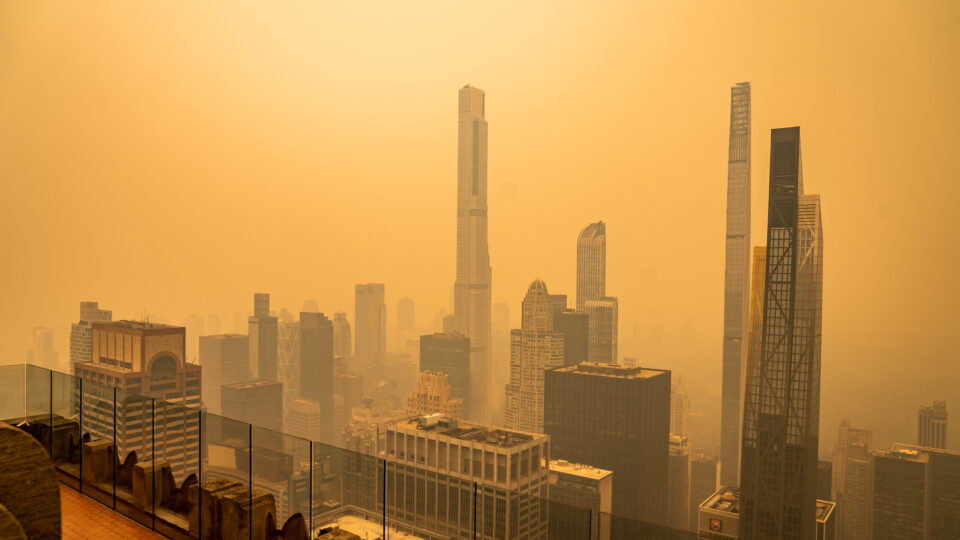
The record summer heat was marked by heatwaves in South America, Japan, Europe, and the US.  The heat exacerbated wildfires in Canada that dumped smoke across much of the northern tier of our country and also led to severe rainfall in Europe.  All sorts of temperature records were set in places across the globe.

According to NASA, exceptionally high sea surface temperatures, fueled in part by the reemergence of El Niño in the Pacific, were a major factor in the summer’s record warmth.

The record-breaking heat of this summer continues a long-term trend of warming.  Scientists around the world have been tracking the warming that is driven primarily by human-caused greenhouse gas emissions.  The combination of this background warming and the marine heatwaves set the stage for new temperature records.  The El Niño was enough to tip the scales. 

In the current environment, heat waves will last longer, be hotter, and be more punishing.  The atmosphere can hold more water producing hot and humid conditions that are harder for the human body to endure.

Scientists are expecting the biggest impacts of El Niño in the early parts of next year.  We can expect to see extreme weather of many kinds over the next year.

**********

Web Links

NASA Announces Summer 2023 Hottest on Record

Photo, posted June 8, 2023, courtesy of Anthony Quintano via Flickr.

Earth Wise is a production of WAMC Northeast Public Radio
A Huge American Lithium Discovery | Earth Wise

October 12, 2023 By EarthWise Leave a Comment

A huge discovery of lithium in the United States

Human history has often been described in terms of a succession of metal ages:  the copper age, the bronze age, and the iron age.  In many ways, we have now entered the lithium age.  The light metal goes into the batteries that power smartphones, electric vehicles, and massive storage banks for the power grid.  Lithium has become a critical strategic resource.

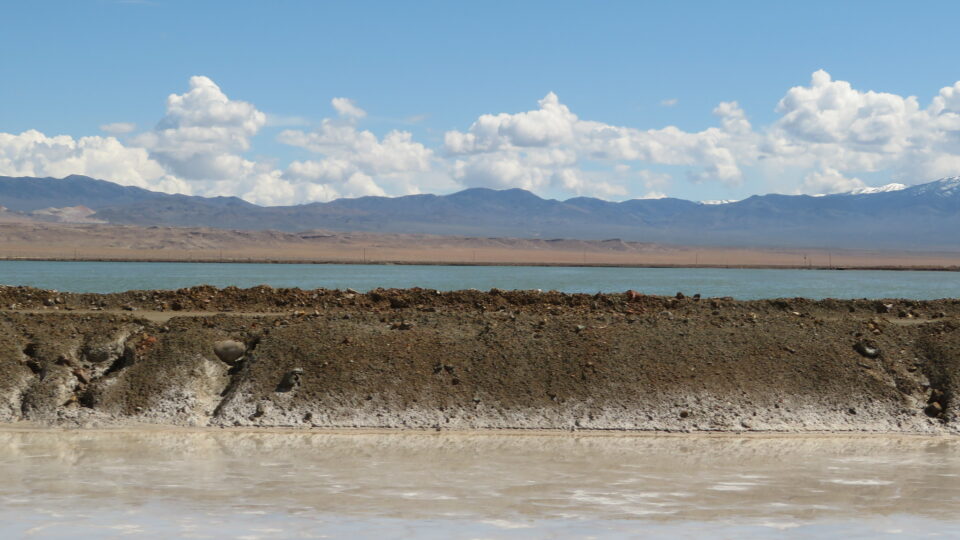
As it stands now, the U.S. gets most of its lithium from imports from Australia and South America.  Major lithium sources are not commonplace; in 2022 there were only 45 lithium mines in the world.  Many of the known deposits are not in North America but in Chile, Bolivia, Argentina, China, and Australia.  The current largest known lithium deposits lie beneath the salt flats of Bolivia.

Lithium Americas Corporation, a company dedicated to advancing lithium projects to the stage of production, funded research over the past decade that has identified vast deposits of lithium-rich clay in a dormant volcanic crater along the Nevada-Oregon border.  The McDermitt Caldera is estimated to hold between 20 and 40 million tons of lithium, which would make it the largest deposit in the world.

There are many questions still to answer.  It is not clear how easy it will be to extract lithium from the clay, in particular how expensive or carbon-intensive it will be.  There are also political complexities since the area where the lithium deposit was found is considered to be unceded ancestral land for both the Paiute and Shoshone tribes.

Apart from a dearth of domestic sources of lithium, the US also lags well behind China in lithium processing capabilities.  The country has catching up to do in the new lithium age.

**********

Web Links

America Just Hit the Lithium Jackpot

Photo, posted April 19, 2020, courtesy of Ken Lund via Flickr.

Earth Wise is a production of WAMC Northeast Public Radio

Rivers And Climate Change | Earth Wise

October 11, 2023 By EarthWise Leave a Comment

Our planet is heating up.  Scientists have concluded that the changing climate is primarily the result of increased greenhouse gas emissions from human activities.  Some of the effects of global climate change include thawing permafrost, rising seas, intensifying storms and wildfires, and warming oceans.   

According to a new study led by researchers from Penn State University, rivers are warming and losing oxygen even faster than oceans.  The study, which was recently published in the journal Nature Climate Change, found that warming occurred in 87% and oxygen loss occurred in 70% of the nearly 800 rivers studied.

The research team projects that within the next 70 years some river systems, especially those in the American South, will experience such low oxygen levels that the rivers could “induce acute death” for some fish species and threaten the aquatic diversity of river ecosystems. 

The research team used artificial intelligence and deep learning to analyze water quality data from nearly 800 rivers across the U.S. and central Europe.  The researchers found that rivers are warming up and deoxygenating faster than oceans, which could have serious implications for both aquatic life and humans.

While climate change has led to warming and oxygen loss in oceans and lakes around the world, the researchers did not expect to find warming and deoxygenation in shallower, flowing rivers.  Since life in water depends on temperature and dissolved oxygen, the researchers hope this study serves as a wake up call.  Warming and deoxygenating rivers have significant implications for water quality and the health of aquatic ecosystems worldwide.

**********

Web Links

Rivers are rapidly warming, losing oxygen; aquatic life at risk

Photo, posted June 2, 2017, courtesy of Francisco Anzola via Flickr.

Earth Wise is a production of WAMC Northeast Public Radio
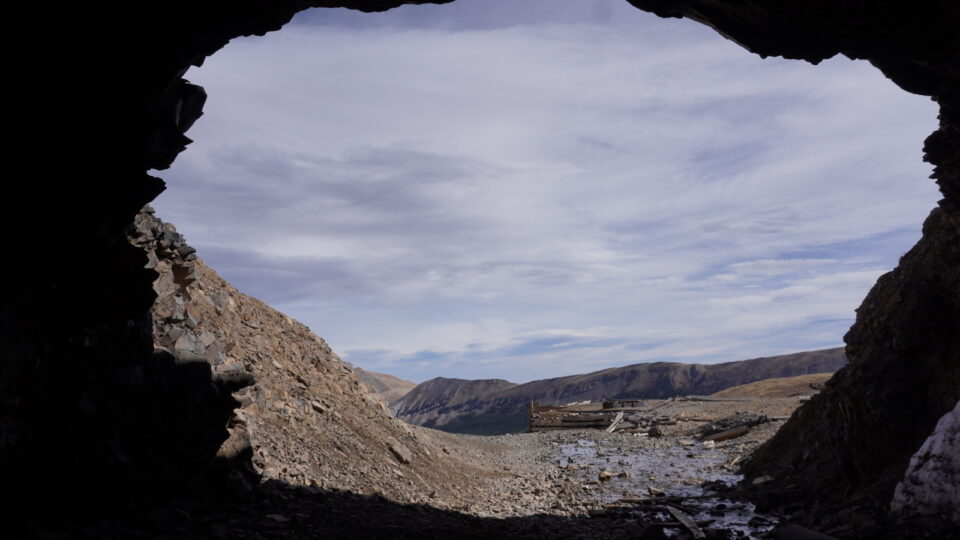
Storing Energy In Abandoned Mines | Earth Wise

October 10, 2023 By EarthWise Leave a Comment

Using abandoned mines to store energy

An international study led by researchers from Austria has developed a novel way to store energy by transporting sand into abandoned underground mines.  The technique is called Underground Gravity Energy Storage or UGES.

As the world deploys growing amounts of wind and solar energy, it is increasingly important to find ways to accessibly and efficiently store that energy to eliminate the inherent variability of the generation.  There are many ways to store energy on a short-term basis – most commonly in batteries – but cost-effective long-term storage is still in its early stages.

The UGES technique generates electricity by lowering sand into an underground mine thereby converting the potential energy of the sand into electricity by the same regenerative braking effect used in hybrid and electric cars.  The lowering sand operates a generator.   Storing energy is accomplished by lifting the sand from the mine with electric motors to an upper reservoir where it is ready for the next cycle.  By its nature, this storage technique has an indefinite duration, unlike batteries, for example, which lose energy to self-discharge.

The main components of UGES are the mineshaft, motor/generator, sand storage sites, and mining equipment.  The deeper and broader the mineshaft, the more power can be extracted from the plant, and the larger the mine, the more energy can be stored. Mines generally already have the basic infrastructure needed and are connected to the power grid.  The researchers estimate that there is global potential of 7 to 70 TWh of storage. Total global generating capacity is currently at the lower end of that range.

**********

Web Links

Turning abandoned mines into batteries

Photo, posted October 21, 2020, courtesy of Christine Warner-Morin via Flickr.

Earth Wise is a production of WAMC Northeast Public Radio
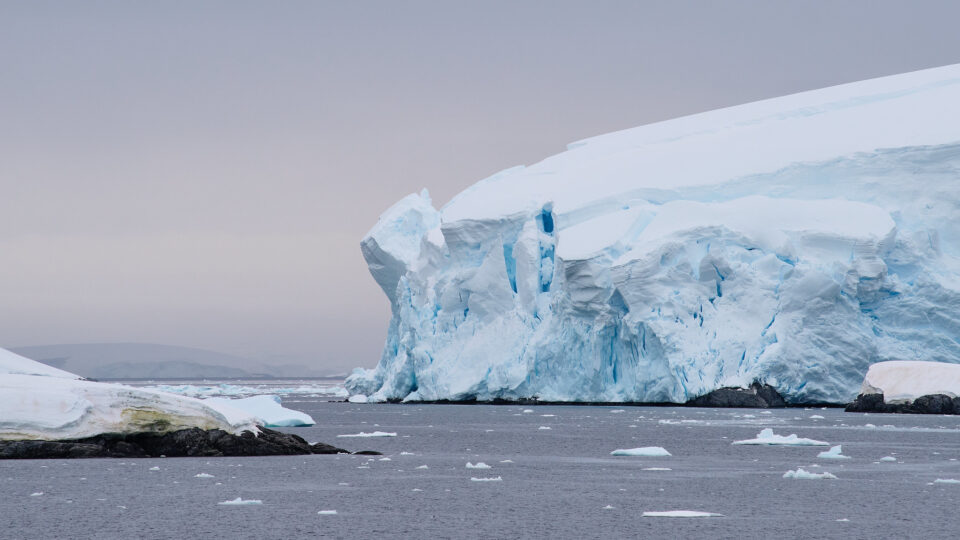
Glacier Loss Day | Earth Wise

October 9, 2023 By EarthWise Leave a Comment

Glaciers are sensitive indicators of climate change

Glaciers are sensitive indicators of climate change that respond to changes in both temperature and precipitation.  But they are not only affected by climate change, they also affect climate change.  As glaciers melt, they contribute to sea level rise, alter regional hydrology, and influence the global energy balance.

A group of glacier experts from the University of Innsbruck in Austria introduced a concept called “Glacier Loss Day” or GLD as a way to measure the annual mass balance of glaciers.  Mass balance is the difference between the amount of snow and ice that accumulates on a glacier and the amount that melts or sublimates.  If the mass balance is positive, the glacier is growing.  If the mass balance is negative, the glacier is shrinking.

GLD is the day during the year when the glacier has lost all the mass it gained during previous winter.  This is a similar concept to Earth Overshoot Day, which marks the date when humankind’s demand for ecological resources exceeds the amount the planet can regenerate during the year.

The Hintereisferner, a glacier in the Tyrolean Alps, has been monitored for more than 100 years and there are continuous records of its mass balance since 1952.  In 2022, the GLD on the Hintereisferner was measured on the 23rd of June.  In the two previous years, it was reached in the middle of August.  Even in years with large negative balances, such as 2003 and 2018, GLD did not occur until the end of July.

Every summer in the future may not be like 2022, but the trend is clear.  Climate change is taking its toll on glaciers.  Experts project that the Hintereisferner will lose half of its volume in the next 10 to 20 years.

**********

Web Links

Glacier Loss Day indi­cates record break­ing glacier melt

Photo, posted July 20, 2023, courtesy of Pedro Szekely via Flickr.

Earth Wise is a production of WAMC Northeast Public Radio

  • « Go to Previous Page
  • Page 1
  • Interim pages omitted …
  • Page 25
  • Page 26
  • Page 27
  • Page 28
  • Page 29
  • Interim pages omitted …
  • Page 154
  • Go to Next Page »

Primary Sidebar

Recent Episodes

  • An uninsurable future
  • Clean energy and jobs
  • Insect declines in remote regions
  • Fossil fuel producing nations ignoring climate goals
  • Trouble for clownfishes

WAMC Northeast Public Radio

WAMC/Northeast Public Radio is a regional public radio network serving parts of seven northeastern states (more...)

Copyright © 2026 ·