Sustainable Living
Hydrogen cars are coming
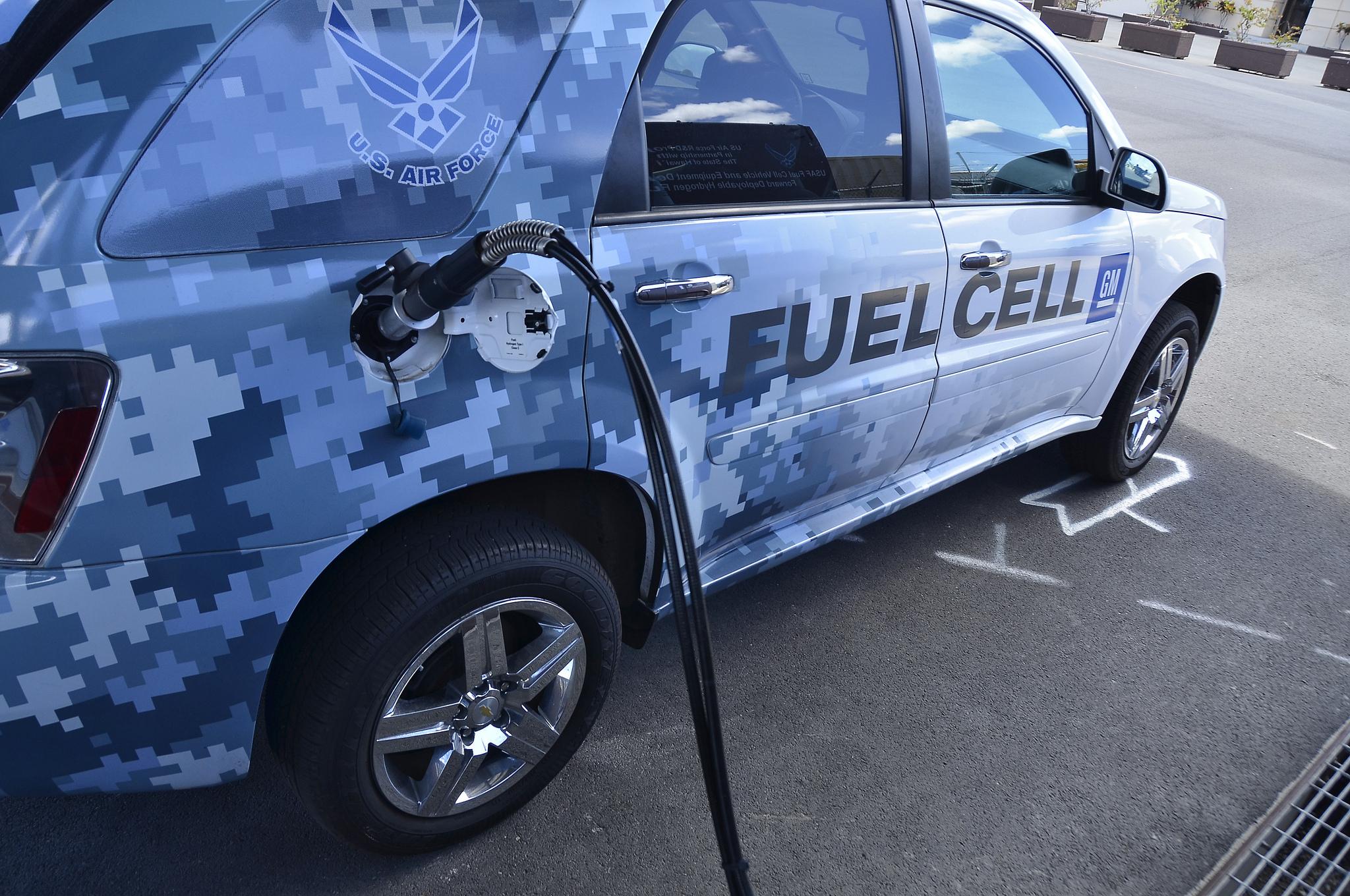
Cars that run on electricity instead of fossil fuels are becoming increasingly common and may eventually replace their internal combustion counterparts entirely. However, it is not at all certain what the source of electricity in cars will be.
Mercury’s toxic legacy
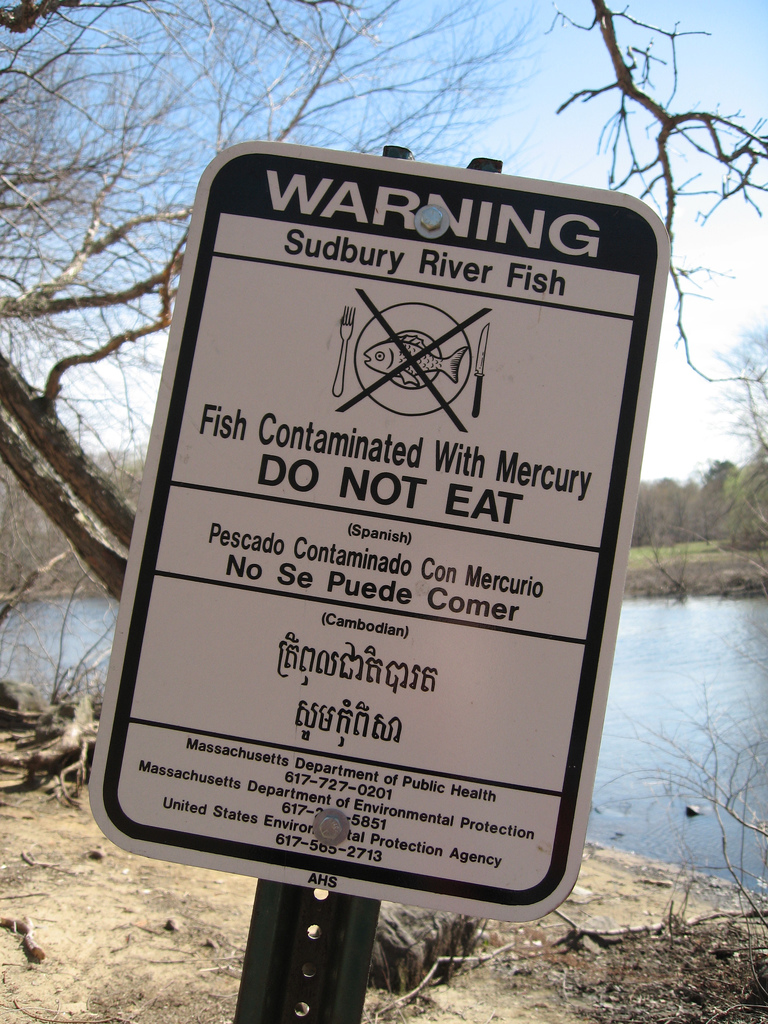
New research from Harvard University indicates that the amount of mercury in the environment is much higher than previously thought. Prior estimates put mercury levels at around 720,000 metric tons; the new study suggests it’s actually two-and-a-half times that number.
Energy from stopping trains

Hybrid cars, buses and trucks are as much as 30% more energy efficient than their conventional counterparts. The bulk of this energy savings comes from regenerative braking. This is the process of recapturing the energy that is lost to friction in the process of slowing or stopping the vehicle. Instead of heating up brakes, the wheels slow down by turning a generator and making electricity that can be put to use to power the vehicle or other onboard systems.
Getting shark fin soup off the menu

Score one for the sharks. According to a new report by WildAid, sales of shark fin soup have dropped by up to 70 percent. A symbol of wealth and status in China and other parts of Asia, shark fin soup has historically been served at weddings, banquets, and government functions. The dishes’ popularity has had a devastating effect on the world’s shark populations.
Phthalates in food
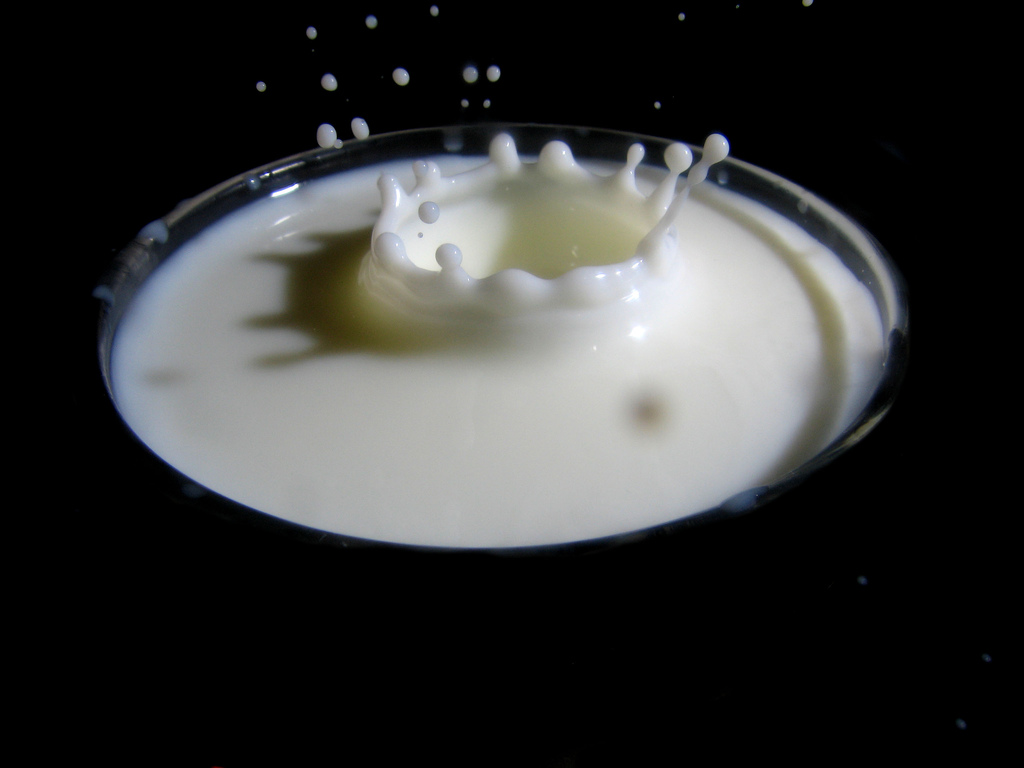
Several years ago, phthalates were making headlines. There was growing public awareness that these harmful chemicals were commonly found in children’s toys, specifically those made of plastic. Concern rose over babies and small children ingesting the chemicals by putting toys in their mouths, and with good reason – phthalates are endocrine disruptors and are thought to interfere with reproductive hormones, particularly in boys.
Zombie computer servers
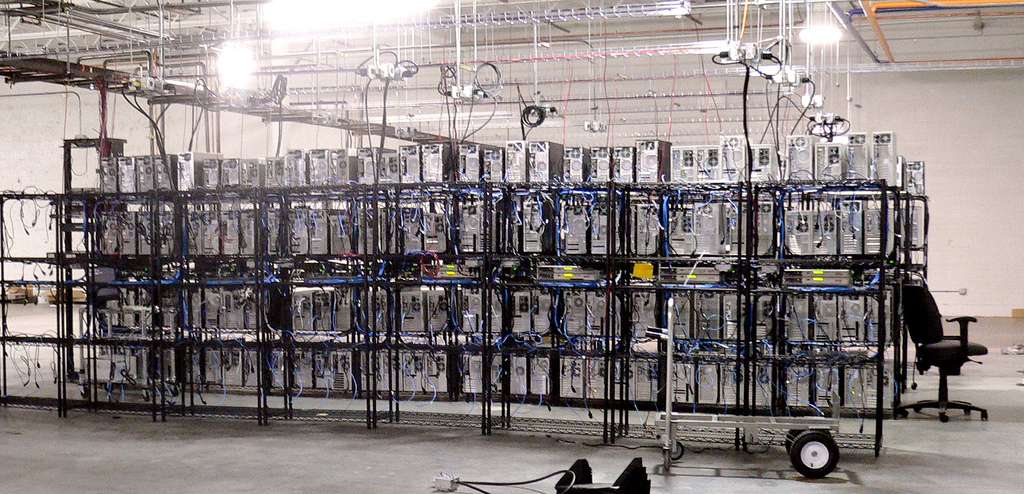

One of the burdens of the digital age is the energy consumption by computer servers. There are nearly three million data centers across the US where about 12 million machines provide the services we get from the internet. This infrastructure consumes about 10 billion watts of electrical power, roughly the output of 10 nuclear power plants.
Airlifting rhinos
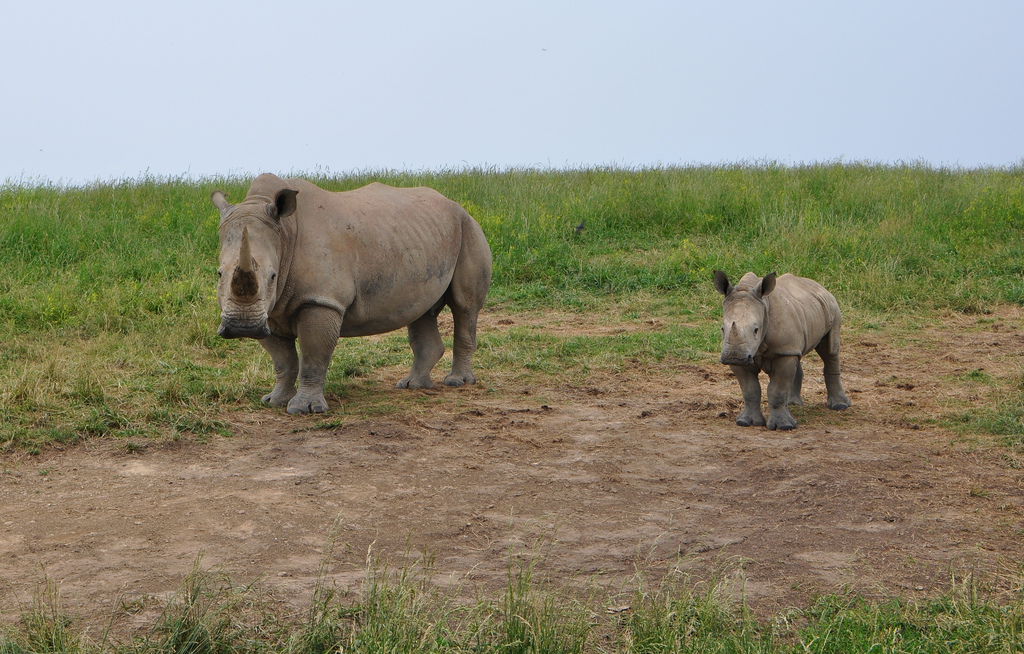
When it comes to the issue of poaching in Africa, attention is often focused on elephants. Yet theirs is not the only population being decimated by poachers – rhinos, too, are being pushed to the brink of extinction.
Holy Toledo!

Tiny blue-green algae brought Toledo, Ohio’s municipal water system to a halt this summer. Toxic blooms left residents scrambling for bottled water to meet their drinking, cooking, and washing needs.
Saving energy and birds

A comprehensive study by the Smithsonian Institution and the US Department of Fish and Game this year found that hundreds of millions of birds are killed each year in the United States as a result of collisions with buildings. Given that a large number of bird species in this country are in significant decline, the building collision problem is a serious one.
The virtues of organic produce
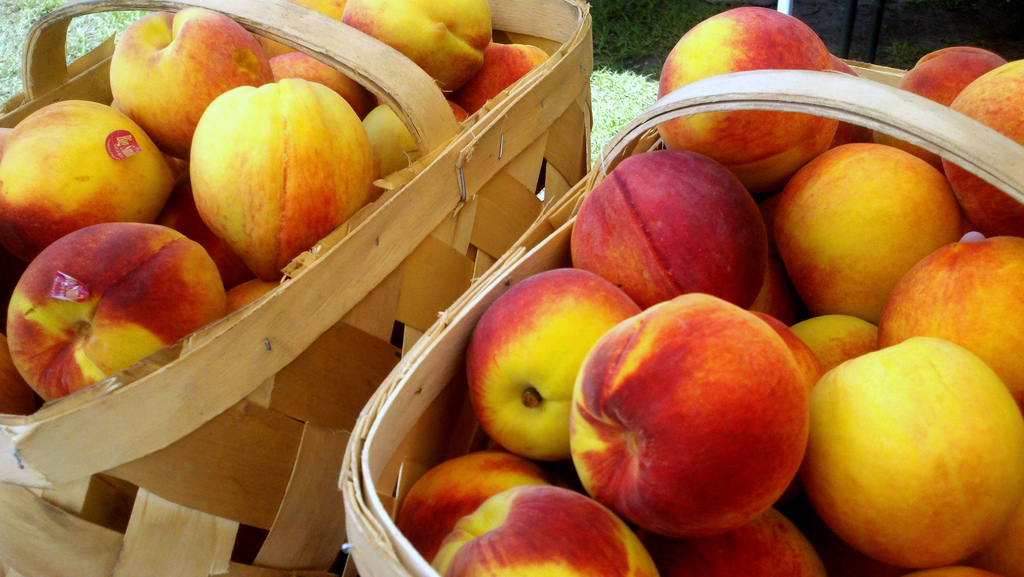
Do you eat organic produce – or go conventional? It’s a hot-button issue. Organic fruits and vegetables are more expensive than conventionally grown counterparts. Some think ‘organic’ labeling is smoke and mirrors – a marketing ploy to make consumers think they’re eating healthier.
Renewables in China and India
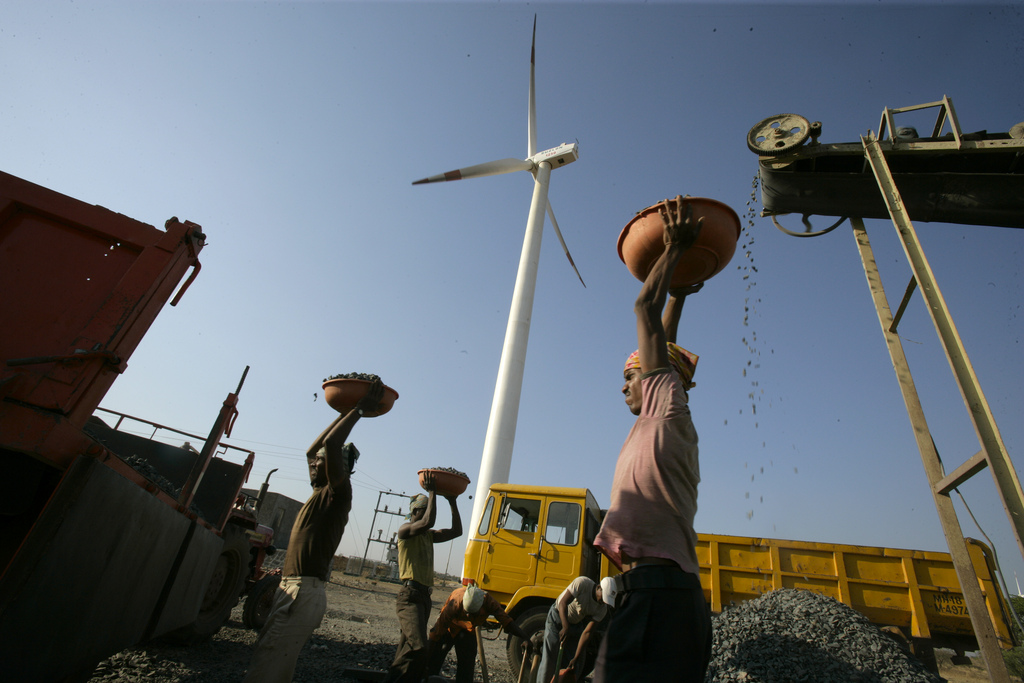
As western industrialized nations make the transition over to renewable energy sources, there is great concern about what is going on in China and India. These two nations have the largest populations in the world and both are undergoing rapid and dramatic industrialization.
Wind farms and seals
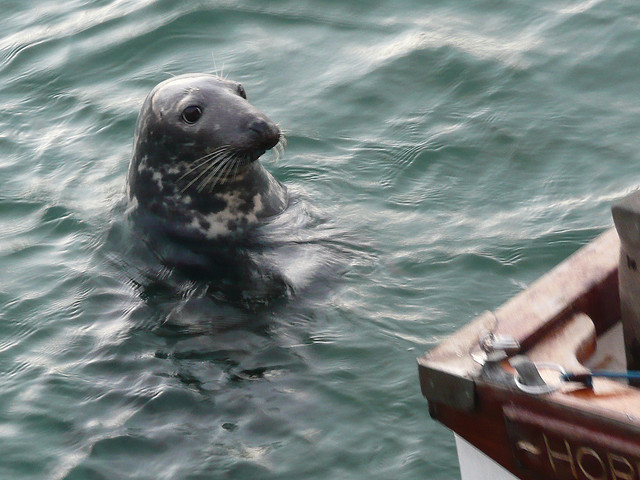
When it comes to renewable energy, wind farms have been somewhat controversial. Some argue against them as a source of noise pollution, others find them eye sores. Then there’s the issue of environmental impact, with wind farms posing a threat to birds and bats. Yet new research shows that offshore wind farms could be a haven for some aquatic species – particularly, grey and harbor seals.
Climate change and food

A study led by the Massachusetts Institute of Technology suggests that climate change may pose an even greater threat to the global food supply than previously thought. That’s because higher temperatures will also increase air pollution. A significant increase in the production of ozone, a toxic gas, could prove deadly for many important crops.
More efficient solar panels
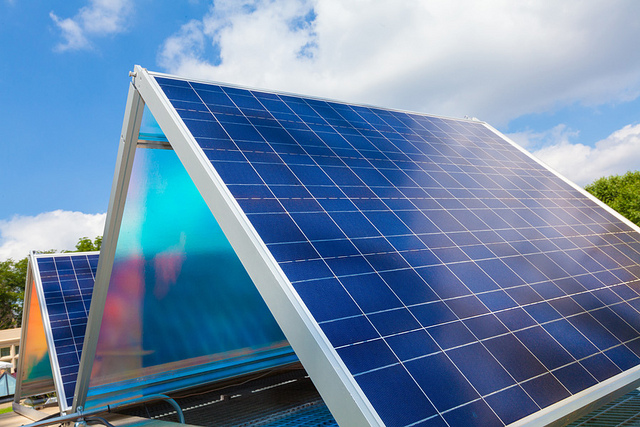
The most important metric for solar panels is the cost of generating a given amount of power. As this number drops, the case for using solar power becomes increasingly compelling.
Environmental drones

A mention of drones most likely brings to mind military operations or, more recently, their potential future as delivery carriers for companies like Amazon.
The length of a bee’s tongue
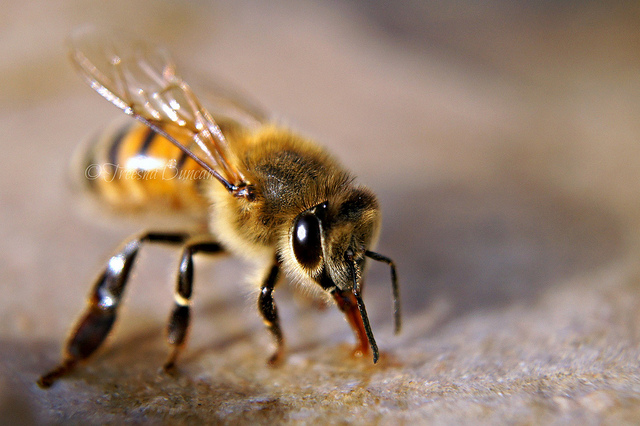
Most of us have probably never given much thought to the length of a bee’s tongue – or, for that matter, the fact that bees even have tongues. Yet new research suggests tongue length may be a key factor in bees’ ability to survive their ever-changing environment.
Agrihoods
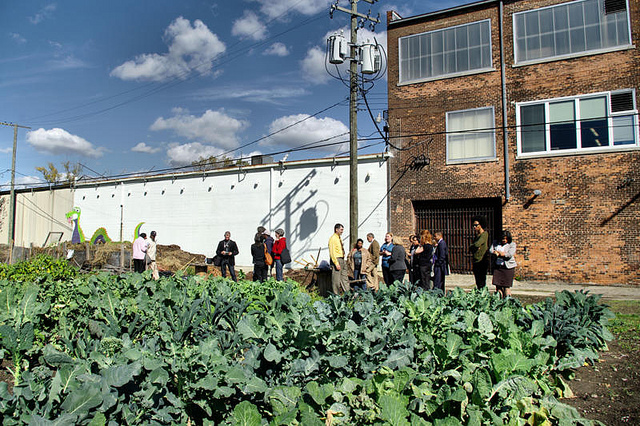
Residential amenities are typically thought of in terms of golf courses and fitness centers. But at new type of neighborhood popping up all over the U.S., the main attraction is a farm. Called ‘agrihoods,’ these communities center around farm-to-table living.
Recovering waste heat

Thermoelectric materials convert temperature differences into electric voltages and vice versa. The Peltier Effect, which allows voltages to provide either heating or cooling, is used in portable coolers and in some car seats. But the Seebeck Effect, which produces electricity from temperature differences, has far more potential for practical use.
Trouble from tropical fish