Combined sewer systems are designed to collect rainwater runoff, sewage, and industrial wastewater in the same pipe, and then transport the wastewater to a sewage treatment plant. But during heavy rainfall events, wastewater treatment plants can get overwhelmed, forcing them to discharge untreated water into nearby water bodies. This intentional discharge of dirty water is known as C-S-Os – or combined sewer overflows.
As a result, many rivers in the United States contain strains of antibiotic-resistant bacteria. New York’s Hudson River is no exception. The Hudson, a 315-mile long river that flows from the Adirondack mountains through the Hudson Valley and into the Atlantic Ocean between New York City and New Jersey, receives some 27 billion gallons of untreated wastewater courtesy of CSOs each year.
Two years ago, researchers from Columbia University and Queens College found strains of bacteria resistant to common antibiotics – including ampicillin and tetracycline – in the Hudson. Ten different sections of the river were analyzed. Ampicillin-resistant bacteria was found 84% of the time, and tetracycline-resistant bacteria was found 38% of the time.
“There has been progress in reducing the sources of sewage to the river but there’s a long way to go.”
Greg O’Mullan is an assistant professor at Queens College, and a senior adviser to Riverkeeper.
“Until that sewage is removed from the system, there will remain – in areas – a greater risk from recreational contact. So while there has been progress, there’s a lot of room for additional action.”
Exposure to antibiotic resistant bacteria should not be taken lightly; Antibiotic resistant infections kill 90,000 people in the United States every year.
Everyone wins with cleaner water.
**********
Web Links
Factory Farming And Human Health
Antibiotic-Resistant Bacteria Found In Hudson River
Riverkeeper – NY’s Clean Water Advocate
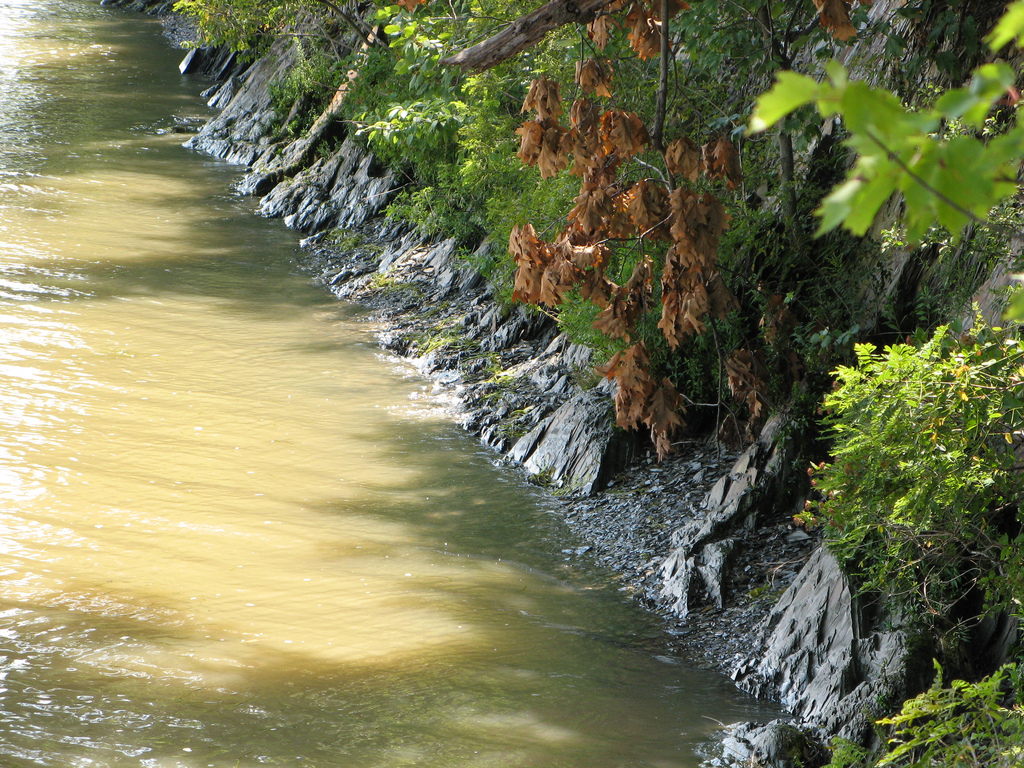
Photo, posted August 3, 2009, courtesy of Randy OHC via Flickr.
Earth Wise is a production of WAMC Northeast Public Radio.
Thank you for this information. Is there a way to find out what parts of the river are the riskiest? It seems safe to assume that the further south you go, the higher your risk of exposure to this bacteria, but how far north do you have to go to have little or no risk? Thanks!
Your assumption is accurate. Many of the riskiest parts were in and around NYC. For more information though visit RiverKeeper at: http://www.riverkeeper.org/water-quality/hudson-river/
CDC. NYC has the highest rate of antibiotic resistant illness, primarily acquired in hospitals and medical facilities. Our hospitals and medical facilities all use our combined sewer system. Public waters around the city where there are high levels of pathogens dispersed from the city sewers should have specific warnings about these additional risks including presence of antibiotic resistance strains.