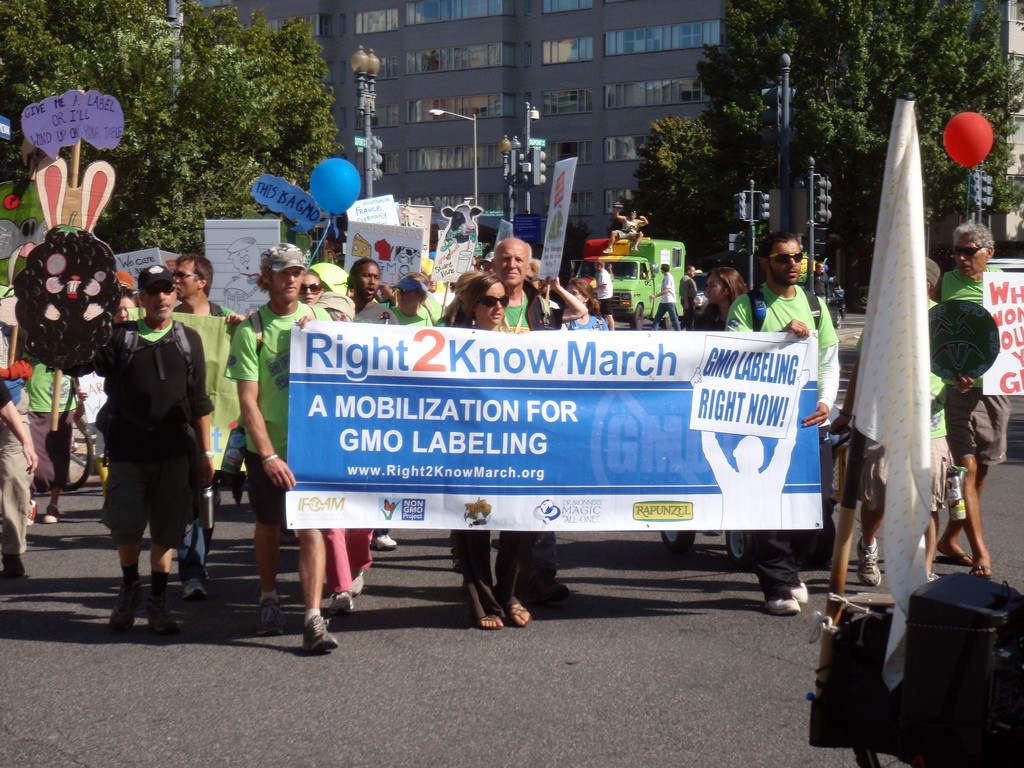
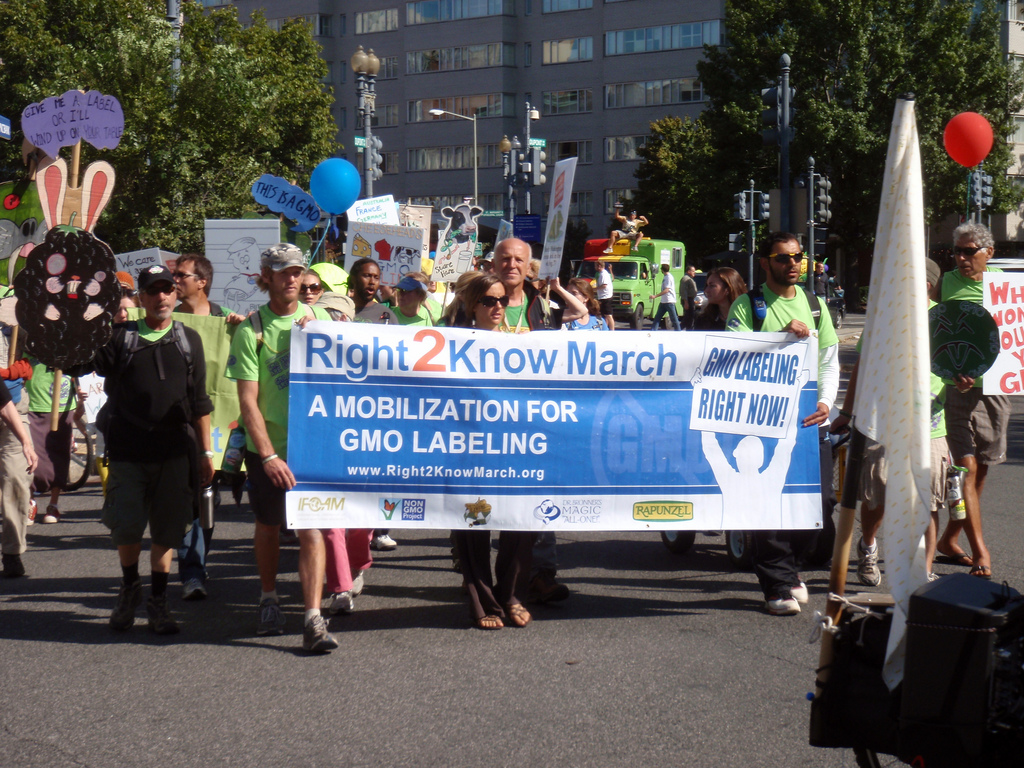
The widespread use of genetically modified organisms or GMOs in crops is an increasingly controversial practice. Here in the US, there are battles over labeling laws and disclosures about which foods contain GMOs and which ones don’t.
The European Union has taken a much more aggressive stance on the subject. Last December, the Council and Parliament of the EU ruled that EU member states have the right to restrict or even ban the cultivation of crops containing GMOs on their own territories even if it is allowed at the EU level.
Starting this spring, member states will be able to ban GMOs stating environmental policy objectives as a justification. Such bans could include groups of GMOs designated by crop or trait. GMO crops in Europe include corn, soy, sugar beet, and rapeseed.
The consumption of GMO crops is a very contentious issue. Producers of the seeds and crops claim that the resultant foods are just as safe as naturally produced produce. On the other hand, organizations like the European Scientists for Social and Environmental Responsibilities say that the claim that there is a consensus on GMO safety is misleading and misrepresents the currently available scientific evidence and the broad diversity of opinion among scientists.
It remains to be seen what will come of this EU ruling. What it provides is the ability of member states to have the final say on whether or not GMOs can be cultivated on their territory and to better take into account the views and wishes of their citizens.
**********
.
Web Links
EU Countries Granted the Right to Ban GMO Crops
Photo, posted October 16, 2011, courtesy of Daniel Lobo via Flickr.
.
Earth Wise is a production of WAMC Northeast Public Radio.
Most of the Earthwise Radio segments I hear on WAMC during All Things Considered are excellent, but there is one subject on which your coverage is weak: GMO crops. This afternoon (Jan. 30) for example it was claimed that there was a range of scientific opinion about the safety of these crops. It is very important to distinguish between two areas of scientific opinion about GMO crops: (1) whether it’s safe for individuals to EAT foods from those crops, and (2) whether it is safe for the environment to CULTIVATE those crops.
All crops that produce foods for widespread human consumption have undergone extensive selection in the past and as a biologist I know of no evidence, nor any legitimate scientific opinion, that genetic modification in any way makes crops unsafe for people to eat. However, there is substantial scientific reason to object to the cultivation of crops genetically modified to enable the use of powerful herbicides on the cultivated acreage, because of the damage to the ecosystem and the introduction of contaminants affecting people who live where the crops are grown..
You should try to make the important distinction between these two often-heard objections to GMO foods: one (:”GMO foods hurt people who eat them”) I believe has no legitimate scientific basis; the other (“Cultivation of GMO foods can damage the environment”) has strong scientific support.
Sincerely, Steve George