• Skip to primary navigation
  • Skip to main content
  • Skip to primary sidebar

Earth Wise

A look at our changing environment.

  • Home
  • About Earth Wise
  • Where to Listen
  • All Articles
  • Show Search
Hide Search
You are here: Home / Archives for worsening

worsening

Threats to the Amazon Rainforest

August 1, 2024 By EarthWise Leave a Comment

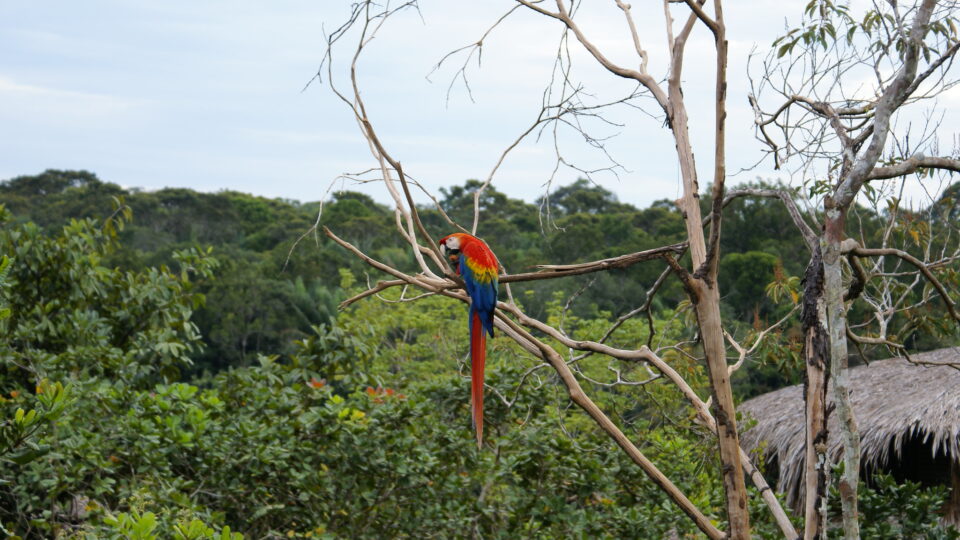
Brazil has made great progress in reducing deforestation in its Amazon Rainforest.  In 2023, the rate of deforestation in Brazil dropped by 50% over the previous year. This was the result of the efforts by conservation-minded President Luiz da Silva, who replaced Jair Bolsonaro, a big proponent of deforestation.  Da Silva’s government has cracked down on land clearing by farmers and ranchers.

In the first quarter of this year, deforestation decreased by 40% over the previous year’s quarter.   Deforestation levels are the lowest they’ve been in six years, although the amount of forest cleared in the period was still nearly 200 square miles.

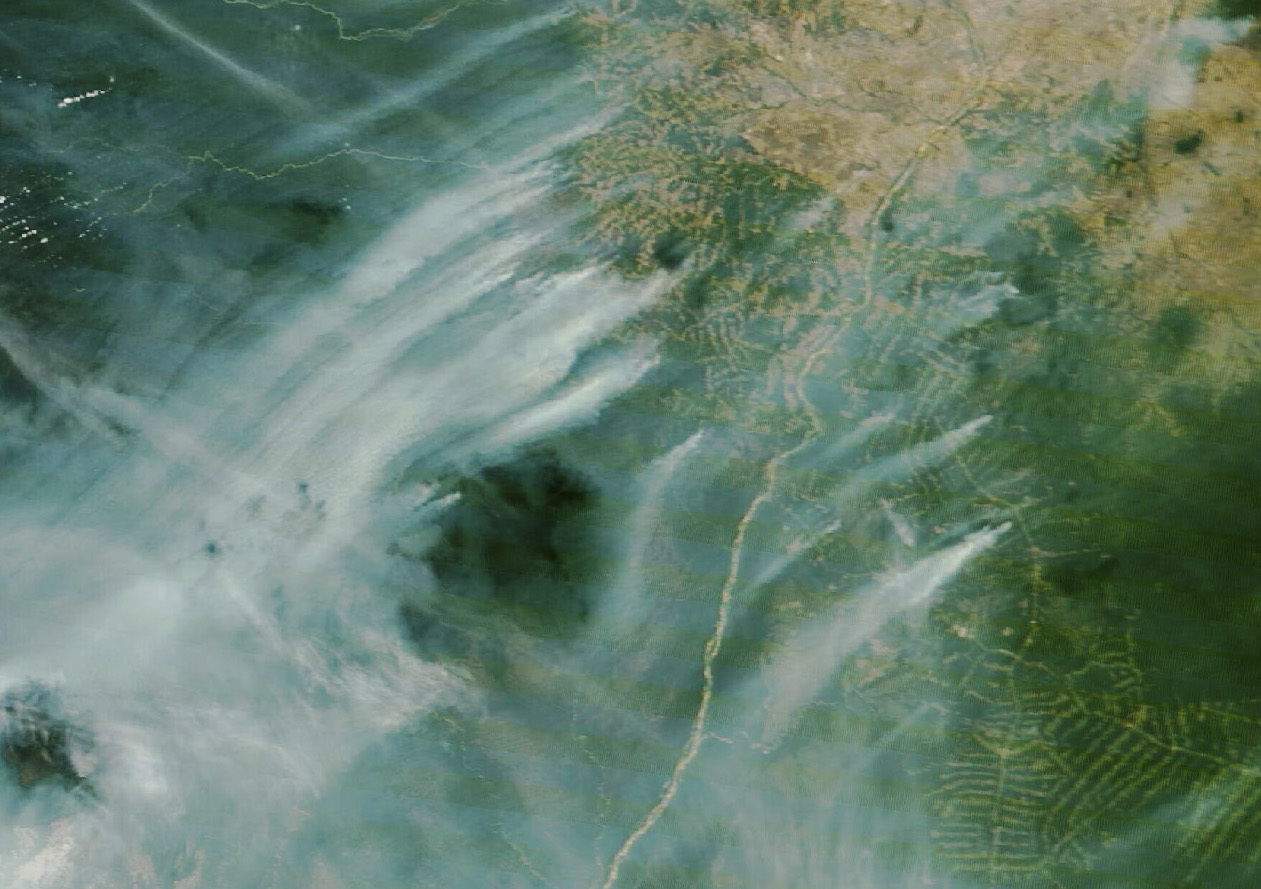
Unfortunately, the Amazon Rainforest is facing another growing threat:  climate change.  Because of pervasive drought and increasing temperatures, the number of wildfires in the region have hit a 20-year high.

According to satellite data from the national space agency, from January through June, Brazil recorded 13,489 wildfires in the Amazon.  That is 61% more fires than during the same period last year.  And the wildfire season has yet to reach its peak, which usually is in August or September.

Many of these fires begin in pastures or recently cleared rainforest, but then spread into the surrounding rainforest areas.  Many are huge fires.  Hundreds of square miles of rainforest have been consumed by fire, comparable in size to the areas deforested by farmers and ranchers.

Going forward, worsening wildfires could reverse the gains being made by the government’s deforestation policies.  This could not only threaten forest protection, but also weaken public support for the government’s commitment to protecting the region.

**********

Web Links

Brazil Is Seeing a Record Number of Wildfires This Year

Photo, posted January 26, 2018, courtesy of Chris Parker via Flickr.

Earth Wise is a production of WAMC Northeast Public Radio
Glaciers in Venezuela

June 24, 2024 By EarthWise Leave a Comment

There are nearly 200,000 glaciers in the world.  About 91% of them are in Antarctica and 8% in Greenland.  The rest are scattered across nearly 50 countries.  The non-polar country with the most glaciers is actually Pakistan, which has over 7,200 of them.  But as the world continues to warm, glaciers are shrinking back, and many are disappearing altogether.

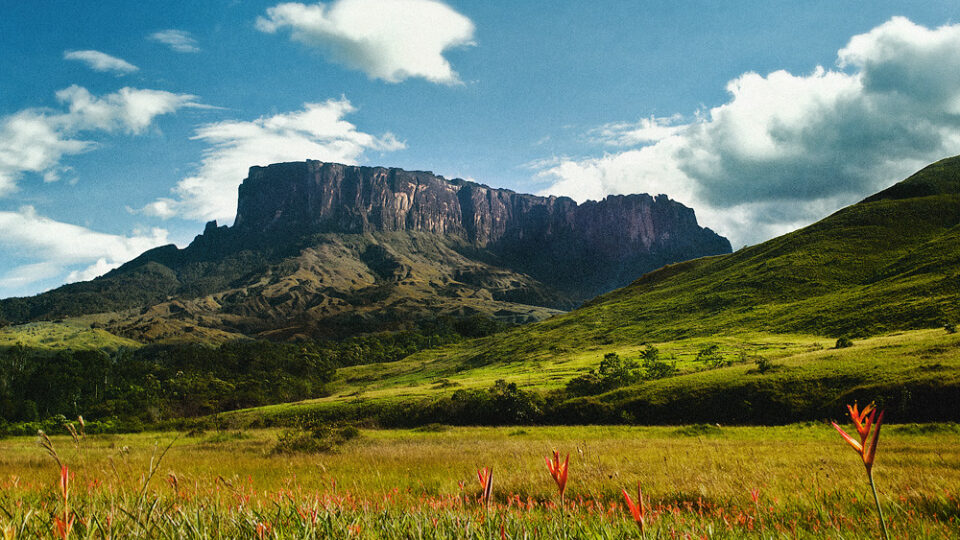
Venezuela, once home to six glaciers, has become the first country in the Americas to lose all of its glaciers.  Slovenia is considered to be the first country to lose its glaciers in modern times, perhaps as long as 30 years ago.  Glacial thawing has been worsening over the past decade throughout the Andes, which cover parts of Colombia, Venezuela, Bolivia, Ecuador, Peru, Chile, and Argentina.

Five of Venezuela’s glaciers had largely melted away by 2011.  The Humboldt glacier, which is on the highest peak in the Cordillera de Mérida mountain range in Venezuela, has now been declared as too small to be classified as a glacier.  It once covered over a thousand acres; it now has less than 5 acres of ice.  The US Geological Survey defines glaciers as ice bodies extending 25 acres or more.

The loss of glaciers in the Andes has serious consequences for communities that live on their slopes and depend upon glacial melt for water and for energy and food production. 

At least 80% of glaciers worldwide are on track to mostly disappear by the year 2100 because of global warming.  Given that previous forecasts estimated that the Humboldt glacier might last another decade, the prospects for the world’s remaining glaciers are not good.

**********

Web Links

Venezuela becomes first nation in the Americas to lose all glaciers

Photo, posted November 11, 2012, courtesy of Tim Snell via Flickr.

Earth Wise is a production of WAMC Northeast Public Radio
The Cost Of Invasive Species | Earth Wise

May 7, 2021 By EarthWise Leave a Comment

Invasive species cost the global economy trillions of dollars

A new study published in Nature has tried for the first time to put a price tag on the impact of invasive species.  Researchers have been studying the effects of invasive species for decades, but it is a problem that has not really captured the attention of the public and policy makers.

According to the research by scientists at the French National Museum of Natural History, from 1970 to 2017, invasive species have cost the global economy at least $1.28 trillion dollars in damages and efforts to control them.

The team screened over 19,000 published papers, ultimately analyzing nearly 2,000 that detailed costs of various invasions at particular times.   Annual costs roughly doubled every six years, reaching a yearly bill of $162 billion in 2017.

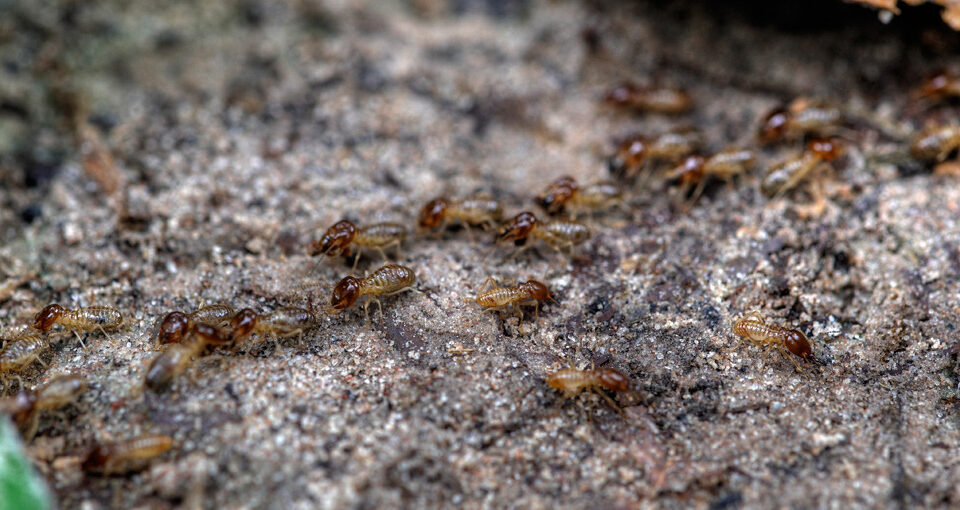
The five costliest invasive species are Aedes mosquitos, rats, cats, termites, and fire ants, collectively accounting for a quarter of the global damage.

Asian tiger mosquitos and yellow fever mosquitos alone accounted for $149 billion in damage to public health as they spread from country to country.  Rats hitchhike on human boats and drive native species to extinction on islands around the world.  Cats inflict damage primarily by their impact on native biodiversity.  By some estimates, they kill a billion birds each year in the US alone.   Termites, as they spread across the globe, wreak havoc on all sorts of infrastructure.  Fire ants can feed on a variety of seedlings, from citrus to soybeans, reduce the size of grazing lands for livestock and bite and sting farm animals and humans.

The study shows invasive species are a massive problem that is getting worse.

**********

Web Links

Invasive Species Cost Billions of Dollars in Damages Annually, Researchers Find

Photo, posted March 29, 2012, courtesy of Aleksey Gnilenkov via Flickr.

Earth Wise is a production of WAMC Northeast Public Radio.

Primary Sidebar

Recent Episodes

  • An uninsurable future
  • Clean energy and jobs
  • Insect declines in remote regions
  • Fossil fuel producing nations ignoring climate goals
  • Trouble for clownfishes

WAMC Northeast Public Radio

WAMC/Northeast Public Radio is a regional public radio network serving parts of seven northeastern states (more...)

Copyright © 2026 ·