• Skip to primary navigation
  • Skip to main content
  • Skip to primary sidebar

Earth Wise

A look at our changing environment.

  • Home
  • About Earth Wise
  • Where to Listen
  • All Articles
  • Show Search
Hide Search
You are here: Home / Archives for wildlife populations

wildlife populations

Wildlife rebounding in Uganda

December 6, 2023 By EarthWise Leave a Comment

Wildlife making a comeback in Uganda

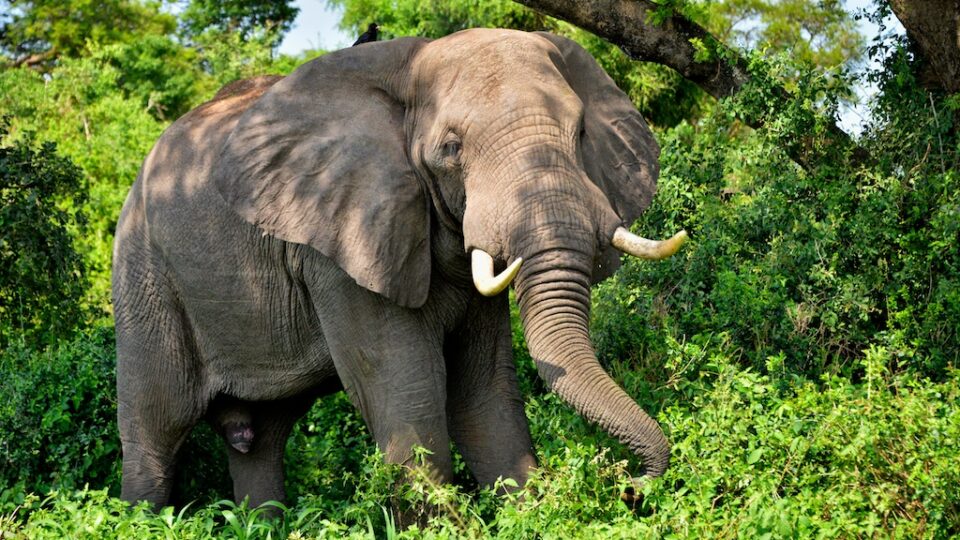
The numbers of elephants, rhinos, and other animals in Uganda’s nature preserves is steadily improving, reversing the trend of steady declines previously caused by poachers, wildlife traffickers, and conflict.

Between the 1960s and 1980s, political conflict and lawlessness in Uganda led to massive declines in some species as poaching, trafficking, and encroachment ran rampant.

Uganda’s population of over 700 northern white and eastern black rhinos was completely wiped out in the early 1980s by people hunting them for their horns.  A charity brought four rhinos in 2005 to a sanctuary called the Ziwa Rhino and Wildlife Ranch and, according to the Uganda Wildlife Authority, there are now 33 in the facility.

Increased conservation efforts have allowed the population of buffalos to increase 77% to over 44,000 since 1983.  The number of elephants has surged almost 300% to nearly 8,000 over that same time period.  There has also been an increase in the number of mountain gorillas in dense forests.

Over the years, the Ugandan government has brought in a string of conservation policies including lengthy jail terms for violations.  As a result, wildlife populations have been on a steady recovery.

It is typical to think about species in terms of how close to extinction they are, but the ultimate goal of conservation is to recover species.  This means not only gaining distance from extinction but also resuming a species’ role in its ecosystem and repopulating its former range.  Whether the wildlife in Uganda is achieving this status remains to be seen, but the trends are very positive.

**********

Web Links

Uganda Sees Resurgence of Rhinos, Elephants, Buffaloes

Photo, posted September 15, 2014, courtesy of Rod Waddington via Flickr.

Earth Wise is a production of WAMC Northeast Public Radio
Global Decline In Wildlife | Earth Wise

October 14, 2020 By EarthWise Leave a Comment

global wildlife declining rapidly

According to a new report released by the World Wildlife Fund, global populations of mammals, birds, amphibians, reptiles, and fish have declined by 68% in less than half a century. 

The report presents a comprehensive overview of the state of the natural world based on the tracking of almost 21,000 populations of more than 4,000 vertebrate species between 1970 and 2016. 

The report shows that the main cause of the dramatic decline in species populations on land is habitat loss and degradation, which includes deforestation driven by food production.  Additional factors include land-use change and the use and trade of wildlife.

Wildlife populations found in freshwater habitats have suffered a decline of 84%, which is the steepest decline in any biome.

Insect populations have declined rapidly in many places, but most of the information about insects comes from a small number of countries in the northern hemisphere.  There is very little information from large parts of the world, such as Africa, South America, and Asia, where land-use change and agricultural expansion are happening fast.  What happens to insects matters a lot to humanity.  Insects play central roles in the world’s ecosystems as waste processors, pollinators, predators, and prey. 

The report is clear evidence of the damage human activity is doing to the natural world.  Threats to the integrity of ecosystems endanger humans and all of nature.  This is especially apparent in the midst of a global pandemic.  It is now more important than ever to take coordinated global action to halt and reverse the loss of biodiversity and wildlife populations across the globe.

**********

Web Links

Living Planet Report reveals 68% decline in global wildlife populations since 1970

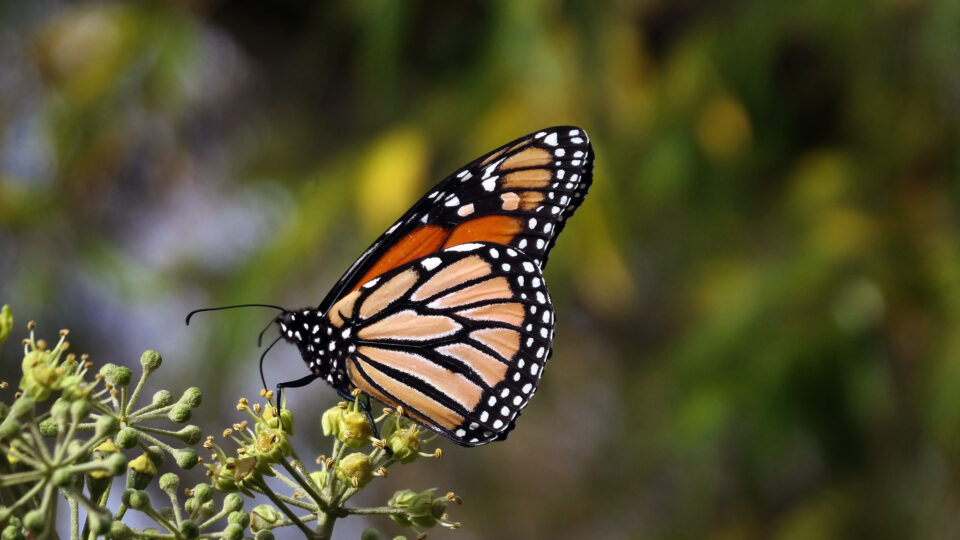
Photo, posted May 7, 2020, courtesy of Bernard Spragg via Flickr.

Earth Wise is a production of WAMC Northeast Public Radio.

Primary Sidebar

Recent Episodes

  • An uninsurable future
  • Clean energy and jobs
  • Insect declines in remote regions
  • Fossil fuel producing nations ignoring climate goals
  • Trouble for clownfishes

WAMC Northeast Public Radio

WAMC/Northeast Public Radio is a regional public radio network serving parts of seven northeastern states (more...)

Copyright © 2026 ·