• Skip to primary navigation
  • Skip to main content
  • Skip to primary sidebar

Earth Wise

A look at our changing environment.

  • Home
  • About Earth Wise
  • Where to Listen
  • All Articles
  • Show Search
Hide Search
You are here: Home / Archives for water cycle

water cycle

Biosphere integrity

October 14, 2025 By EarthWise Leave a Comment

Human demand for resources continues to stress Earth's systems

Civilization has an enormous need to utilize the biosphere, that is, the regions of the surface, atmosphere, and bodies of water of the earth occupied by living organisms.  The biosphere supplies us with food, raw materials, and increasingly, climate protection.

A study by two European universities looked at functional biosphere integrity, which is essentially the plant world’s ability to regulate the state of the Earth system.  Functional biosphere integrity faces massive human interference from consumption of resources, biodiversity loss, and climate change.

Highly detailed analysis modeled water, carbon, and nitrogen flows at a fine resolution over the entire planet and provided a detailed inventory year-by-year since the year 1600.  Each area is then assigned a status based on its tolerance limits of ecosystem change.  An area can either be a Safe Operating Space, a Zone of Increasing Risk, or a High-Risk Zone.

As the Industrial Revolution took hold, the proportion of global land area where ecosystem changes went beyond the locally defined safe zone, increased.  The current analysis shows that 60% of global land areas are now out of the safe operating space and 38% are facing high risk.

Human demand for biomass continues to grow.  The Earth system is increasingly stressed as humanity channels it into its own uses through harvested crops, residues, and timber.  At the same time, photosynthesis activity is reduced by land cultivation and sealing off land with construction.  We are not good for the biosphere.

**********

Web Links

60 percent of the world’s land area is in a precarious state

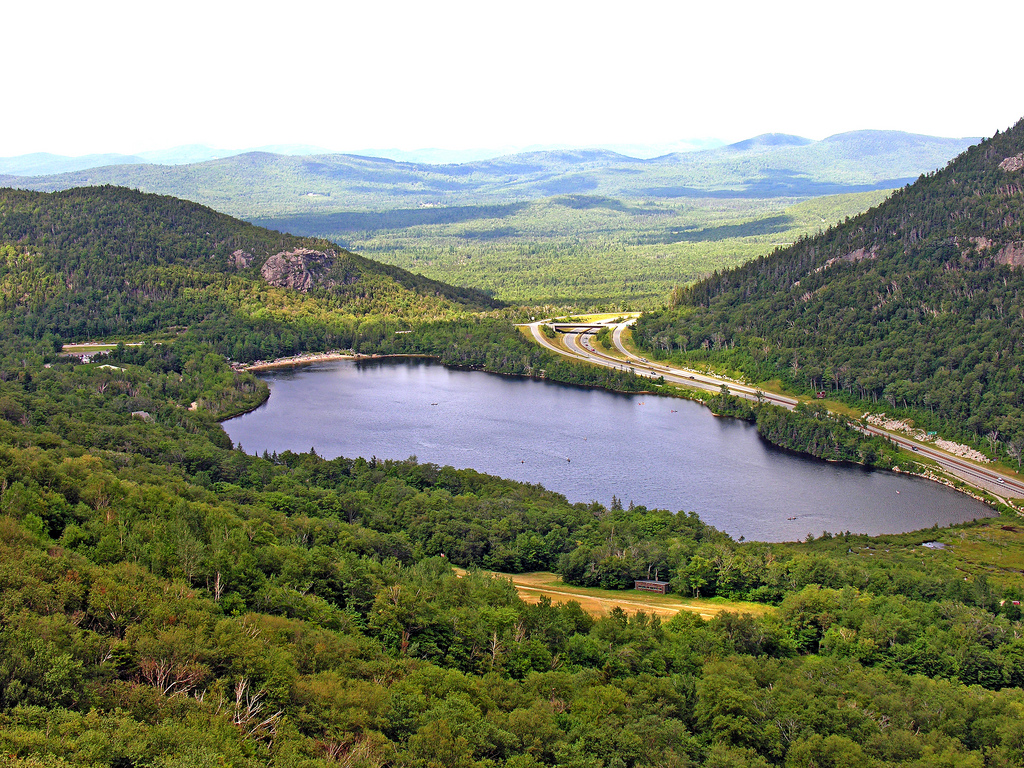
Photo, posted September 14, 2024, courtesy of Jan Helebrant via Flickr.

Earth Wise is a production of WAMC Northeast Public Radio
Land Use Change And Flooding | Earth Wise

September 30, 2020 By EarthWise Leave a Comment

Land use change leads to increased flooding

Land use change refers to the conversion of a piece of land’s use by humans from one purpose to another. Land use change is commonly associated with biodiversity loss and increased greenhouse gas emissions.  But how does land use change impact water cycles? 

According to researchers from the University of Göttingen in Germany, IPB University, and BMKG (both in Indonesia), the expansion of monocultures, such as rubber and oil palm plantations, leads to more frequent and more severe flooding.  The researchers explain the increase in flooding “with a complex interplay of ecohydrological and social processes, including soil degradation in monocultures, the expansion of oil palm plantations into wetlands, and the construction of flood protection dams.” 

For the study, which was recently published in the journal Ecology & Society, the research team interviewed nearly 100 Indonesian farmers, villagers, and decision-makers in Sumatra.  The team supplemented its research with data on precipitation, river and groundwater levels, soil properties, and regional mapping. 

During large-scale land use change – like plantation expansions – newly-compacted soil causes rainwater to runoff as opposed to being absorbed.  As more plantations are established in floodplains, the owners try to control flooding on their land by building barriers.  But these dams often lead to increased flooding on neighboring lands.  This understandably triggers social tensions between other farmers and plantation owners.     

In order to reduce the negative impact of land use change on the water cycle, the research team suggests soil protection and improved planning – especially in floodplains – would be a good place to start.  

**********

Web Links

Land use change leads to increased flooding in Indonesia

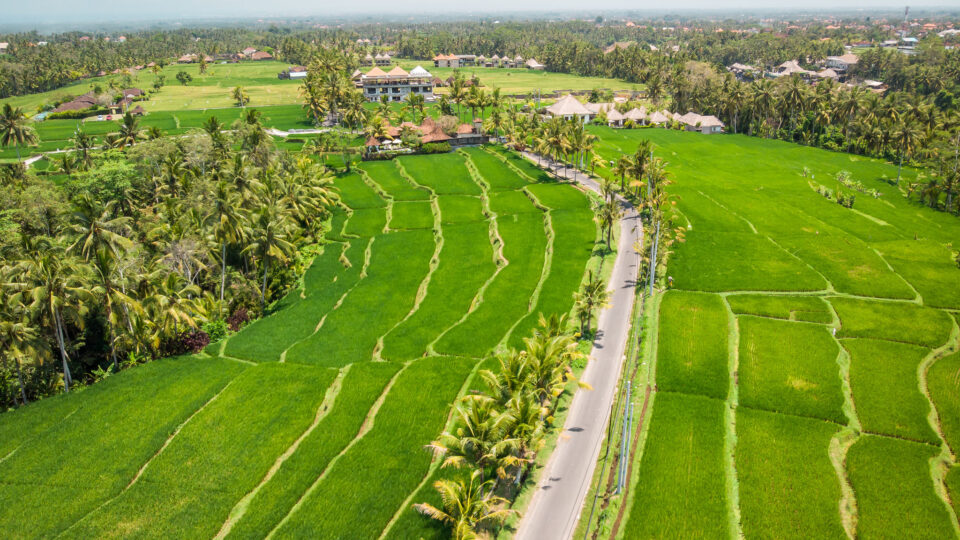
Photo, posted October 8, 2018, courtesy of Artem Beliaikin via Flickr.

Earth Wise is a production of WAMC Northeast Public Radio.

Listening To Forest Data

January 8, 2016 By WAMC WEB

https://earthwiseradio.org/wp-content/uploads/2015/12/EW-01-08-16-Listen-to-Data.mp3

The forest is playing a symphony. By tapping into environmental monitoring sensors at the Hubbard Brook Experimental Forest in the White Mountains of New Hampshire, a tool called WaterViz captures a real-time audio visualization of the forest’s water cycle.

[Read more…] about Listening To Forest Data

Primary Sidebar

Recent Episodes

  • An uninsurable future
  • Clean energy and jobs
  • Insect declines in remote regions
  • Fossil fuel producing nations ignoring climate goals
  • Trouble for clownfishes

WAMC Northeast Public Radio

WAMC/Northeast Public Radio is a regional public radio network serving parts of seven northeastern states (more...)

Copyright © 2026 ·