• Skip to primary navigation
  • Skip to main content
  • Skip to primary sidebar

Earth Wise

A look at our changing environment.

  • Home
  • About Earth Wise
  • Where to Listen
  • All Articles
  • Show Search
Hide Search
You are here: Home / Archives for water column

water column

Oil Platforms And Fish | Earth Wise

July 16, 2020 By EarthWise Leave a Comment

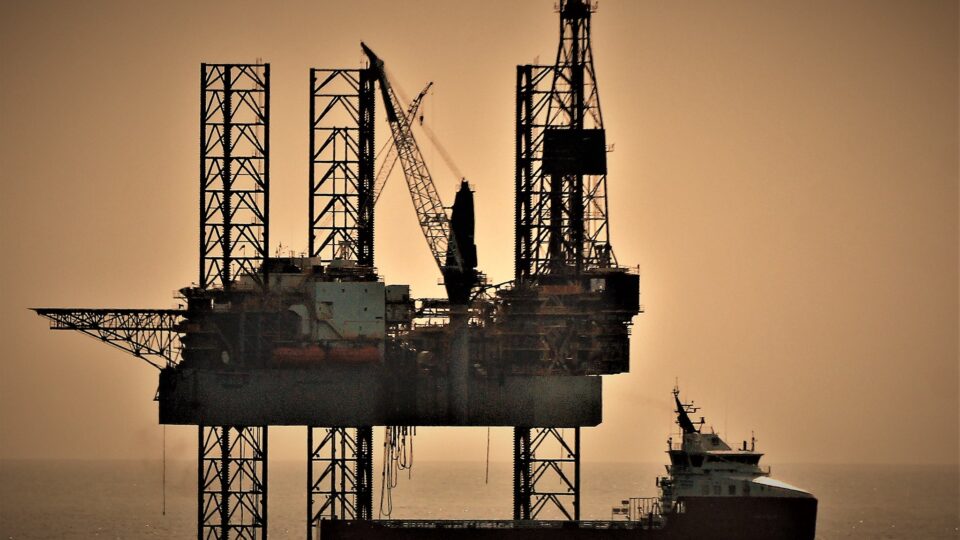
oil platforms are major habitats for fish

It is well-known that offshore oil platforms become major habitats for fish.  Their support structures rise hundreds of feet through the water column and basically create a prefabricated reef for marine life.   Many of these platforms will soon be decommissioned and government agencies are considering the consequences to undersea life when this happens.

Researchers at the University of California Santa Barbara have looked at how various decommissioning scenarios would affect undersea ecosystems. They found that completely removing a platform could reduce fish biomass by an average of 95%.  In contrast, removing just the top part of the rig could keep losses to around 10%.

California is looking at several possibilities for decommissioning 27 oil platforms off of its coast.  The three options are:  leave the platform in place, remove all of it, or remove just the top part of it.  Each option entails its own economic and ecological consequences.

The research team studied the size and composition of fish communities at 24 platforms and created models for each of the decommissioning scenarios.  The partial removal approach involved stripping away all structures within 26 meters of the surface.  This number would eliminate the need for a lighted buoy where the support structure remained according to U.S. Coast Guard guidelines.

For the 24 structures studied, leaving them entirely in place would support over 29,000 kilograms of fish biomass.  Removing just the top 26 meters would support nearly 28,000 kilograms.  Removing the platforms entirely would support only 500 kilograms of fish biomass.

As California weighs how to decommission its oil platforms, studies like this will be critical to making informed decisions.

**********

Web Links

Oil Platforms’ Fishy Future

Photo, posted June 4, 2019, courtesy of Flickr.

Earth Wise is a production of WAMC Northeast Public Radio.
Road Salt Pollution

January 8, 2020 By EarthWise 1 Comment

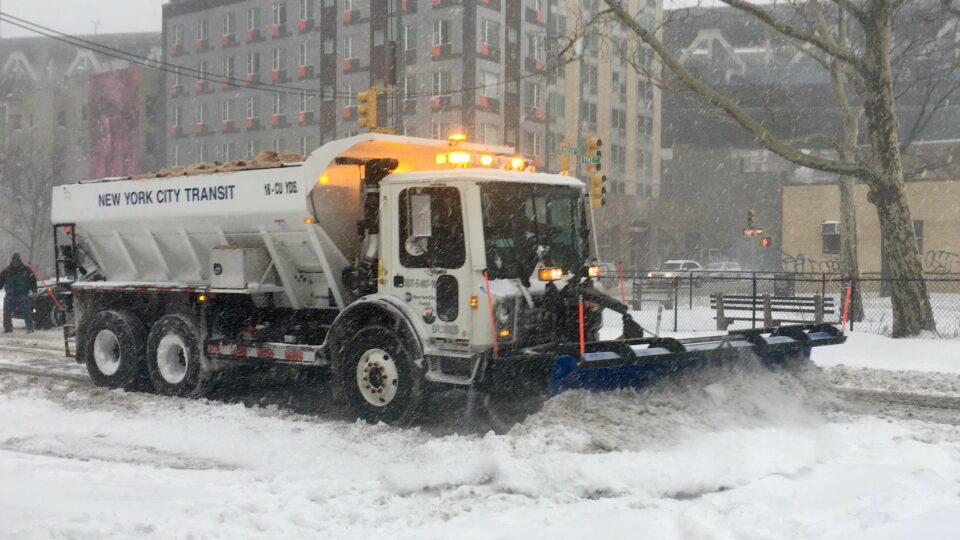
Road salt pollution mirror lake

Mirror Lake is a popular recreational lake located in the Village of Lake Placid.  It is the most developed lake within the Adirondack Park, which is a publicly protected area that is actually larger than Yellowstone, Yosemite, Glacier, and Grand Canyon National Parks combined.

New research has revealed that road salt runoff into Mirror Lake is preventing natural water turnover which poses a risk to the balance of its ecology.  The study, which was published in Lake and Reservoir Management, found that road salt runoff is preventing spring mixing of the water column.    This creates more anoxic water conditions, meaning there is less oxygen in the water, and limits the ability of the habitat to support the native lake trout. 

Mirror Lake is the first lake in the Adirondack Park to show an interruption in lake turnover due to road salt.  Many lakes in northern climes experience so-called “dimictic turnover”, which is a natural process where wind and less stratified water conditions of spring and fall allow mixing of the water column that redistribute oxygen and nutrients throughout the lake.  High levels of surface-water chloride introduced into the lake from road salt runoff inhibit the mixing of the water column.

The lack of mixing and oxygenation is bad news for fish species such as lake trout, which require cold, oxygenated water to survive.  It may also put the lake at a greater risk of algal blooms.

Mirror Lake is small, surrounded by concentrated development, and receives the direct discharge of stormwater.  So, it is particularly vulnerable to road salt contamination.  Other lakes elsewhere in New York may experience similar conditions.  The researchers are confident that natural turnover conditions could be restored to the lake if road salt application in the watershed is reduced.

**********

Web Links

Road salt pollutes lake in one of the largest US protected areas, new study shows

Photo, posted January 5, 2018, courtesy of MTA of the State of NY via Flickr.

Earth Wise is a production of WAMC Northeast Public Radio.
Keeping Lights On For Turtles

August 8, 2019 By EarthWise Leave a Comment

Gillnets are one of the most common types of fishing gear and are used extensively in most places where people fish for food.  They operate by suspending a wall of netting in the water column.

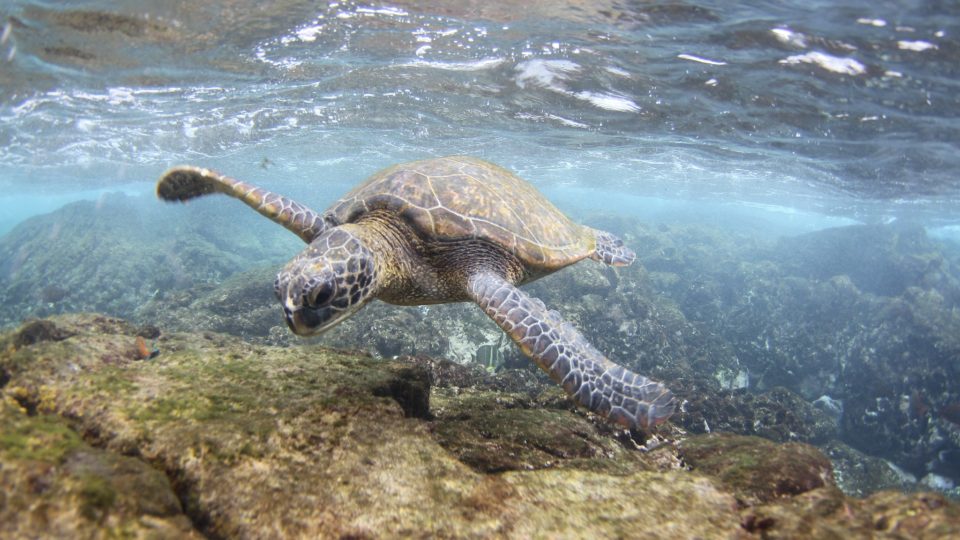
Unfortunately, they are not selective in the species they catch.  Sea turtles are one of the most common bycatch species that become entangled in these nets.  When turtles are caught in gillnets, they can drown and die.  Marine mammals, seabirds, and sharks are also frequently caught in gillnets.

Recently, researchers have been experimenting with illuminating the nets with LED lights to see if increasing net visibility reduces sea turtle bycatch.

Studies in Mexico show green sea turtle bycatch is reduced between 40-60% with no changes in target catch.  Studies in Peru show green sea turtle bycatch is reduced between 65-80% with no changes in target catch.  Studies in Indonesia show green olive ridley, and hawksbill sea turtle bycatch is reduced by 60% with increases in target catch and catch value.

Recent research shows that net illumination also reduces bycatch of other protected species such as seabirds, sharks and rays, as well as dolphins and porpoises.

The use of illuminated gillnets could prove beneficial to both sea turtles and fisherman by reducing the bycatch that can damage fishing gear. 

Studies are now underway off the coast of North Carolina, where state gillnet fisheries are carefully managed to reduce turtle bycatch.  Initial studies show that net illumination does not change target catch rates and may even decrease the bycatch of unwanted fish species.  When it comes to protecting sea turtles, it looks like a good idea to keep the lights on.

**********

Web Links

Illuminated Nets Could Provide A Brighter Future For Sea Turtles

Photo, posted June 2, 2016, courtesy of NOAA via Flickr.

Earth Wise is a production of WAMC Northeast Public Radio.

Primary Sidebar

Recent Episodes

  • An uninsurable future
  • Clean energy and jobs
  • Insect declines in remote regions
  • Fossil fuel producing nations ignoring climate goals
  • Trouble for clownfishes

WAMC Northeast Public Radio

WAMC/Northeast Public Radio is a regional public radio network serving parts of seven northeastern states (more...)

Copyright © 2025 ·