• Skip to primary navigation
  • Skip to main content
  • Skip to primary sidebar

Earth Wise

A look at our changing environment.

  • Home
  • About Earth Wise
  • Where to Listen
  • All Articles
  • Show Search
Hide Search
You are here: Home / Archives for warehouse

warehouse

Does vertically-grown food taste different?

January 2, 2024 By EarthWise Leave a Comment

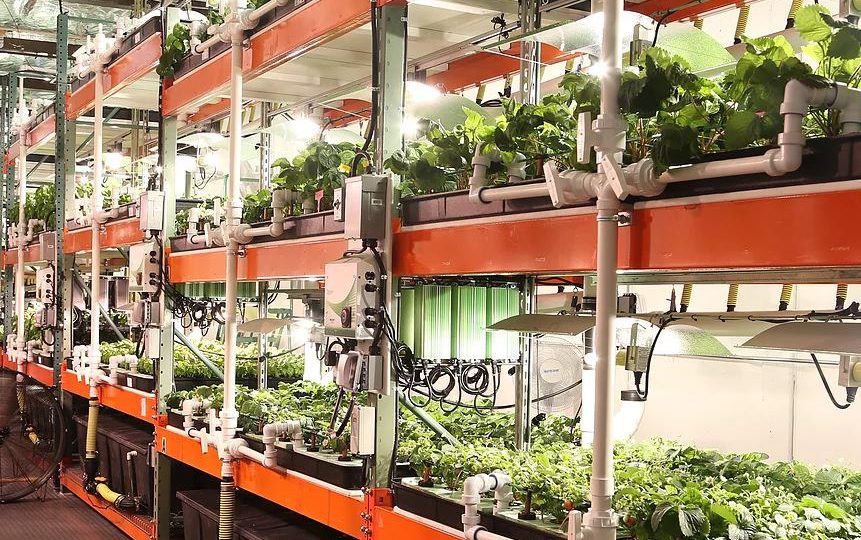
Vertical farming is a method of producing crops in vertically stacked layers or surfaces typically in a skyscraper, used warehouse, or shipping container.  Modern vertical farming uses indoor farming techniques and controlled-environment agriculture technology. 

Vertical farming has the potential to be one of the solutions to food insecurity in parts of the world where crop production is limited by climate change or other environmental factors.  Vertical farming reduces water and land use, reduces nutrient emissions, and could eliminate the need for pesticides.  It also allows more food to be grown locally and with higher yields.

But some critics of vertically-grown veggies say they look pale, artificial, and taste bland.  In the first study of its kind, a research team led by scientists from the University of Copenhagen in Denmark sought to investigate whether these consumer prejudices hold true.

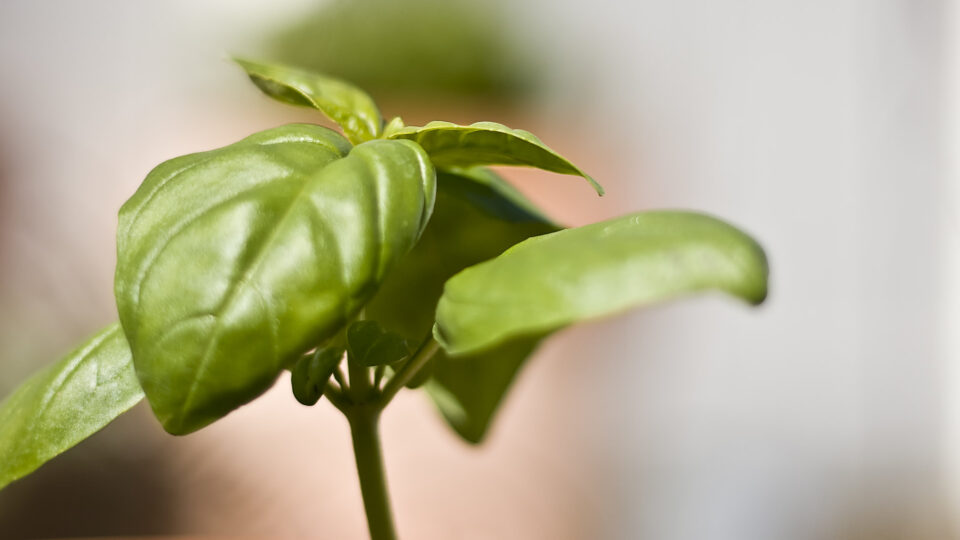
The research team asked 190 participants to blind taste test arugula, baby spinach, pea shoots, basil, and parsley grown in vertical farming and compare the taste and appearance to those same leafy greens grown organically in soil. 

Overall, the organic greens grown traditionally narrowly beat out the vertically-grown ones in the study, but it was very close.  For example, when asked to rate arugula on a scale of 1-9 with 9 being best, the participants gave both types a 6.6.  There was no clear winner between basil, baby spinach, and pea shoots.  The only clear winner was organically-grown parsley. 

The study debunks some myths about vertically-grown food and should help pave the way for more widespread adoption of this efficient method to grow tasty and nutritious food. 

**********

Web Links

A delicious surprise: Vertically farmed greens taste as good as organic ones

Photo, posted May 11, 2009, courtesy of Cliff Johnson via Flickr.

Earth Wise is a production of WAMC Northeast Public Radio

Online Shopping And Greenhouse Gas Emissions | Earth Wise

April 3, 2020 By EarthWise Leave a Comment

Carbon footprint of online and traditional shopping

These days, consumers have multiple choices for how to shop for even the most mundane products.  There are both traditional and online ways to buy most so-called fast-moving consumer goods, such as cleaning supplies and packaged foods.  Price, quality, convenience, and time-frame guide our choices.

In the past, these things were always purchased by going to “Bricks & Mortar”, that is, physical retail stores. But now, we can order them from physical stores and have them delivered directly by the store – which is known as “Bricks & Clicks” – or we can order them online from an e-tailer and have them delivered by a parcel delivery company or the post office, so-called “Pure Play” online purchasing..

The carbon footprint of these three approaches depends on multiple factors according to a new study published in Environmental Science and Technology.  The study looked at the impact of transport, warehouse storage, delivery, and packaging.

Overall, the greenhouse gas footprints per item purchased at Bricks & Mortar were higher than those of Bricks & Clicks but lower than that of Pure Players.  But the results were highly dependent upon how many items were actually being purchased, and where the consumers lived.  The type of items also mattered.  For example, clothing purchased from a pure-play online source is much more likely to be returned than if purchased in a store.

Bricks & Mortar shoppers could reduce their footprint by 40% by walking or biking to stores, and Pure Players could cut emissions by 26% by switching to electric vehicles for the delivery of products from parcel distribution centers to consumers’ homes.

**********

Web Links

Comparing greenhouse gas footprints of online versus traditional shopping

Photo, posted July 15, 2017, courtesy of Elaine Smith via Flickr.

Earth Wise is a production of WAMC Northeast Public Radio.

A Solar-Powered Vertical Farm

November 21, 2017 By EarthWise 1 Comment

https://earthwiseradio.org/wp-content/uploads/2017/11/EW-11-21-17-A-Solar-Powered-Vertical-Farm.mp3

Vertical farming is a method for producing crops in vertically stacked layers or surfaces typically in a skyscraper, used warehouse, or shipping container.  Modern vertical farming uses indoor farming techniques and controlled-environment agriculture technology.

[Read more…] about A Solar-Powered Vertical Farm

Primary Sidebar

Recent Episodes

  • An uninsurable future
  • Clean energy and jobs
  • Insect declines in remote regions
  • Fossil fuel producing nations ignoring climate goals
  • Trouble for clownfishes

WAMC Northeast Public Radio

WAMC/Northeast Public Radio is a regional public radio network serving parts of seven northeastern states (more...)

Copyright © 2026 ·