• Skip to primary navigation
  • Skip to main content
  • Skip to primary sidebar

Earth Wise

A look at our changing environment.

  • Home
  • About Earth Wise
  • Where to Listen
  • All Articles
  • Show Search
Hide Search
You are here: Home / Archives for termites

termites

Mangrove Forests And Climate Change | Earth Wise

August 3, 2022 By EarthWise Leave a Comment

Climate change is disrupting mangrove forests

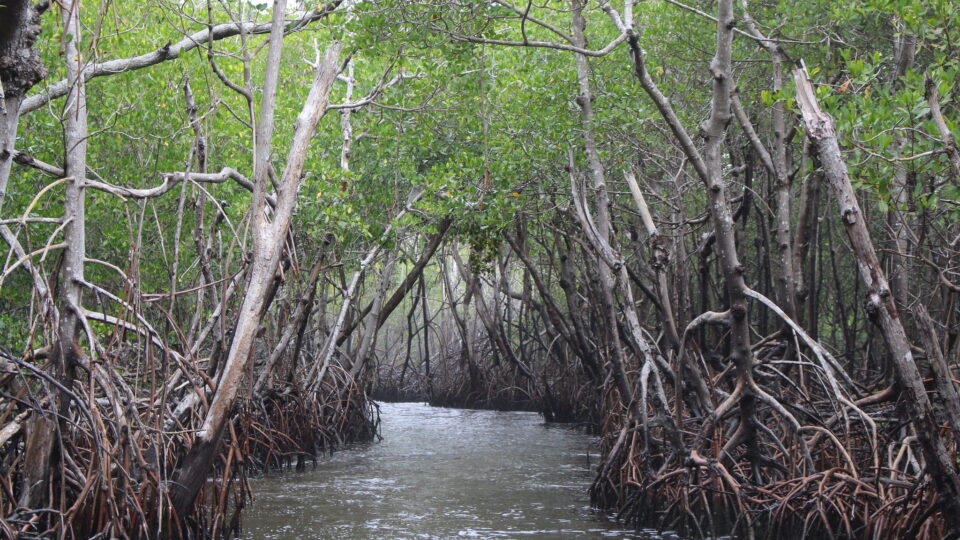
Mangrove forests play a vital role in the health of our planet.  These coastal forests are the second most carbon rich ecosystems in the world.  A patch of mangrove forest the size of a soccer field can store more than 1,000 tons of carbon. It does this by capturing carbon from the air and storing it in leaves, branches, trunks, and roots.

Mangrove forests only grow at tropical and subtropical latitudes near the equator because they cannot withstand freezing temperatures.  These forests can be recognized by their dense tangle of prop roots that make the trees look like they are standing on stilts above the water.  These roots allow the trees to handle the daily rise and fall of tides.  Most mangroves get flooded at least twice a day.  The roots also slow the movement of tidal waters, which allows sediments to settle out of the water and build up on the muddy bottom.  Mangrove forests stabilize coastlines, reducing erosion from storms, currents, waves, and tides.

A new study by the University of Portsmouth in the UK looked at the effects of climate change on how carbon is stored in mangrove forests.  In mangrove ecosystems, a variety of organisms break down fallen wood.  These include fungi, beetle larvae, and termites.  Closer to the ocean, clams known as shipworms degrade organic material.

Climate change is disrupting these processes in at least two ways.  Rising sea levels are changing the way sediments build up and increased ocean acidity is dissolving the shells of marine organisms like shipworms.

Mangrove forests are crucial to mitigating climate change, and changes to the functioning of the carbon cycle of those ecosystems are a threat to their ability to perform that function.

**********

Web Links

Study Reveals How Climate Change Can Significantly Impact Carbon-Rich Ecosystem

Photo, posted March 24, 2014, courtesy of Daniel Hartwig via Flickr.

Earth Wise is a production of WAMC Northeast Public Radio.
The Cost Of Invasive Species | Earth Wise

May 7, 2021 By EarthWise Leave a Comment

Invasive species cost the global economy trillions of dollars

A new study published in Nature has tried for the first time to put a price tag on the impact of invasive species.  Researchers have been studying the effects of invasive species for decades, but it is a problem that has not really captured the attention of the public and policy makers.

According to the research by scientists at the French National Museum of Natural History, from 1970 to 2017, invasive species have cost the global economy at least $1.28 trillion dollars in damages and efforts to control them.

The team screened over 19,000 published papers, ultimately analyzing nearly 2,000 that detailed costs of various invasions at particular times.   Annual costs roughly doubled every six years, reaching a yearly bill of $162 billion in 2017.

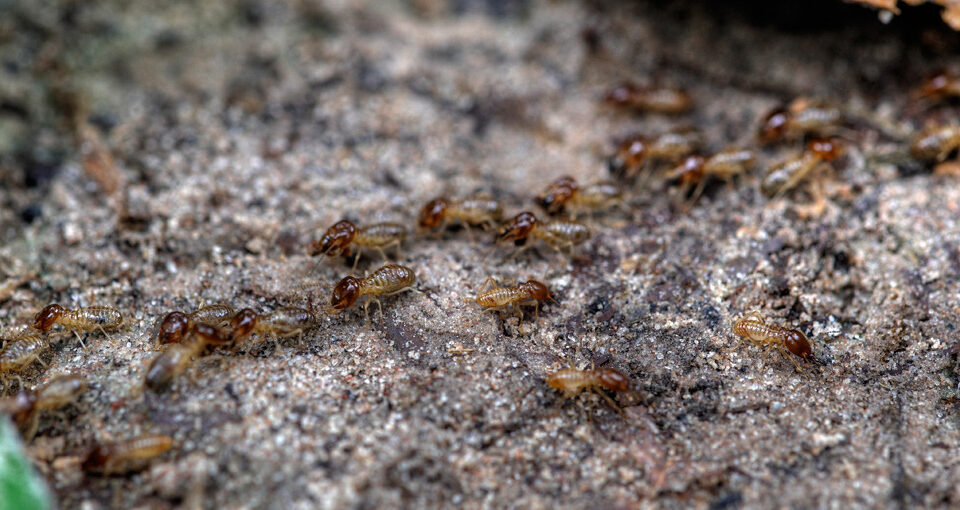
The five costliest invasive species are Aedes mosquitos, rats, cats, termites, and fire ants, collectively accounting for a quarter of the global damage.

Asian tiger mosquitos and yellow fever mosquitos alone accounted for $149 billion in damage to public health as they spread from country to country.  Rats hitchhike on human boats and drive native species to extinction on islands around the world.  Cats inflict damage primarily by their impact on native biodiversity.  By some estimates, they kill a billion birds each year in the US alone.   Termites, as they spread across the globe, wreak havoc on all sorts of infrastructure.  Fire ants can feed on a variety of seedlings, from citrus to soybeans, reduce the size of grazing lands for livestock and bite and sting farm animals and humans.

The study shows invasive species are a massive problem that is getting worse.

**********

Web Links

Invasive Species Cost Billions of Dollars in Damages Annually, Researchers Find

Photo, posted March 29, 2012, courtesy of Aleksey Gnilenkov via Flickr.

Earth Wise is a production of WAMC Northeast Public Radio.
Biomimicry Is Big

February 8, 2018 By EarthWise Leave a Comment

https://earthwiseradio.org/wp-content/uploads/2018/02/EW-02-08-18-Biomimicry-is-Big.mp3

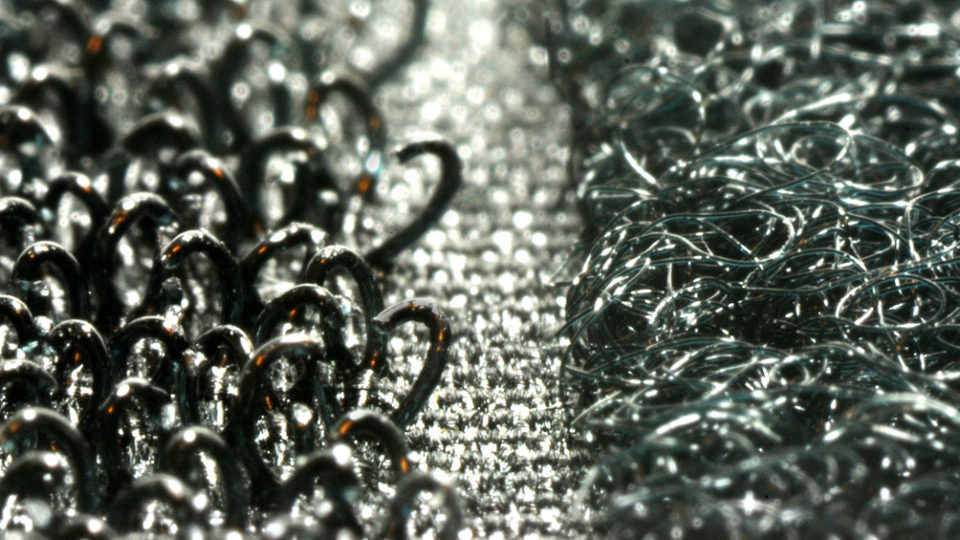
Biomimicry is learning from and then emulating nature’s forms, processes, and ecosystems to create more sustainable designs.   Mother Nature is already the inspiration for countless products and designs ranging from Velcro copied from plant burs to the shape of wind turbines modeled after whale fins.  There are wetsuits inspired by beaver pelts and office buildings that copy termite dens.  Increasingly, innovators are looking at nature for designs in architecture, chemistry, agriculture, energy, health, transportation, computing, and even for the structure of organizations and cities.

[Read more…] about Biomimicry Is Big

Primary Sidebar

Recent Episodes

  • An uninsurable future
  • Clean energy and jobs
  • Insect declines in remote regions
  • Fossil fuel producing nations ignoring climate goals
  • Trouble for clownfishes

WAMC Northeast Public Radio

WAMC/Northeast Public Radio is a regional public radio network serving parts of seven northeastern states (more...)

Copyright © 2025 ·