• Skip to primary navigation
  • Skip to main content
  • Skip to primary sidebar

Earth Wise

A look at our changing environment.

  • Home
  • About Earth Wise
  • Where to Listen
  • All Articles
  • Show Search
Hide Search
You are here: Home / Archives for symbiosis

symbiosis

Trouble for clownfishes

October 27, 2025 By EarthWise Leave a Comment

Warming ocean temperatures threaten the future of clownfishes

Clownfishes or anemonefishes are colorful saltwater fishes that mainly inhabit coral reefs in the warm and tropical waters of the Indo-Pacific.  Clownfishes have a symbiotic and mutually beneficial relationship with sea anemones, which they rely on for shelter and protection from predators. In turn, clownfishes will protect the anemone from anemone-eating fish, as well as clean and fan them.  The popular film Finding Nemo is about a clownfish who lives in a secluded sea anemone.

The Red Sea, circled by Middle Eastern deserts, is home to marine life that is accustomed to very warm water – often 85 to 90 degrees during the summer.  However, in the past three years marine heat waves have made the Red Sea even hotter.  The rising sea temperatures have caused a breakdown in the symbiotic relationship between clownfish and anemones.

Anemones have a symbiotic relationship of their own with the same microscopic algae that pair with coral.   Just as is the case with coral, anemones expel the algae from their tissues during periods of high heat, causing them to bleach.  Prolonged bleaching can result in the death of the anemone and, in turn, exposes the clownfish to danger.

Researchers from Boston University monitoring three Red Sea reefs over a three-year period found that the marine heatwave in 2023 resulted in the death of 94 to 100% of the clownfish and 66-94% of the anemones.  Rising ocean temperatures can be devastating for many sea creatures.

Anemones are not as well-studied as coral, so it is not clear whether their populations can recover, particularly once the clownfish are gone, making them much more vulnerable to their own predators.

**********

Web Links

Clownfish and Anemones Are Disappearing Because of Climate Change

Photo, posted March 9, 2016, courtesy of John Voo via Flickr.

Earth Wise is a production of WAMC Northeast Public Radio
Sunscreen For Corals | Earth Wise

August 6, 2021 By EarthWise Leave a Comment

Scientists examine why some corals are better equipped to survive a changing environment

Sunscreen from beachgoers entering ocean waters is one of the greatest threats to coral reefs and there are global efforts to reduce or eliminate the use of many of the most harmful chemicals people use to protect themselves from the sun’s rays.  However, scientists at the Smithsonian Conservation Biology Institute have found that some corals have a natural sunscreen of their own that helps protect them from the effects of climate change.

Hawaiian blue rice corals feature a deep blue pigment that is created by chromoprotein that filters out harmful ultraviolet radiation from the sun.  UV damage has harmful impacts to reproduction in many coral species, but it appears not to have the same effect on blue rice coral.

In a study published in Scientific Reports, Smithsonian researchers studied the devastating effects that bleaching had on brown rice coral in the Hawaiian bleaching events of 2014 and 2015.  During the same events, blue rice coral either recovered quickly or was not affected by the elevated ocean temperature at all.

The blue-pigmented corals had dramatically greater reproductive vigor than the brown-pigmented version.  The key factor appears to be the sun-screening ability of the blue pigment in the particular symbiotic algae that lives inside the coral tissue known as zooxanthellae.  The coral protects the algae and in turn the algae provide the coral with food in the form of sugars produced as a waste product from photosynthesis.  In the case of the blue version, the algae also produce sunscreen for the coral.

By better understanding the role UV-protective pigments play in mitigating the adverse effects of climate change and warming oceans, scientists can learn why some species are better equipped to survive in a changing environment.

**********

Web Links

Smithsonian Conservation Biology Institute Scientists Find Corals’ Natural “Sunscreen” May Help Them Weather Climate Change

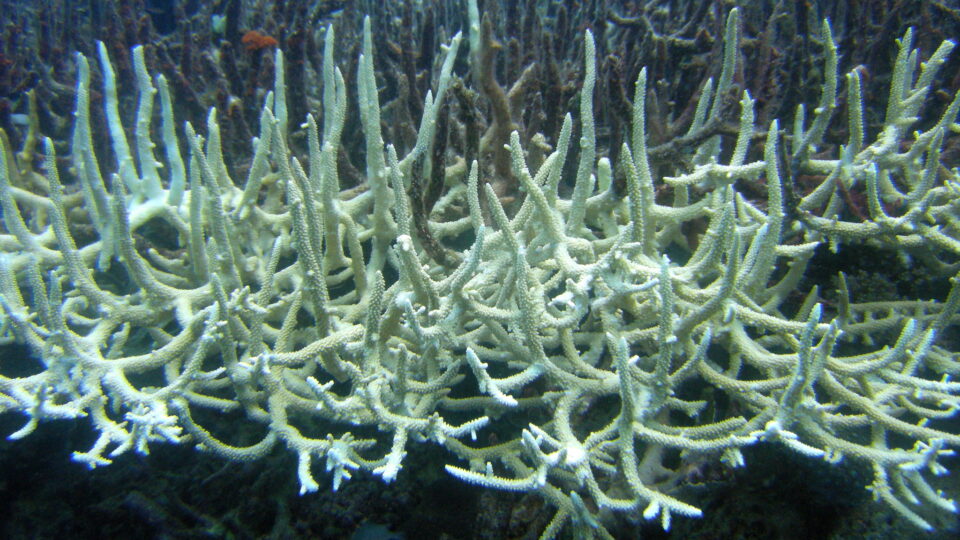
Photo, posted September 28, 2009, courtesy of Matt Kieffer via Flickr.

Earth Wise is a production of WAMC Northeast Public Radio.

Heat-Resistant Coral | Earth Wise

June 23, 2020 By EarthWise Leave a Comment

heat resistant coral

Coral reefs are in decline all over the world.  Corals are under increasing pressure as water temperatures rise and the frequency and severity of coral bleaching events increase.  Nowhere is this more evident than in Australia’s Great Barrier Reef system, where severe bleaching events have happened in three of the past five years. Long-term prospects for the survival of the world’s largest reef system are now considered to be poor.

A team of scientists at Australia’s national science agency – the Commonwealth Scientific and Industrial Research Organization – along with the Australian Institute of Marine Science and the University of Melbourne have successfully produced in a laboratory setting a coral that is more resistant to increased seawater temperatures.

The team made the coral more tolerant to temperature-induced bleaching by bolstering the heat tolerance of the microalgae symbionts that live inside the coral tissue.  They isolated the microalgae from coral and cultured it in the laboratory using a technique called “directed evolution”.  Over the course of four years, they exposed the microalgae to increasingly warmer temperatures.  When the heat-adapted strain of algae was reintroduced into coral larvae, the newly established coral-algal symbiosis was more heat tolerant than the original one.  The heat-tolerant microalgae are better at photosynthesis and improve the heat response of the coral animal.

The next step is to further test the algal strains in adult colonies across a range of coral species.  This groundbreaking research provides a promising and novel tool to increase the heat tolerance of corals and might potentially lead to a way to save the Great Barrier Reef as the world continues to warm.

**********

Web Links

Scientists successfully develop heat resistant coral to fight bleaching

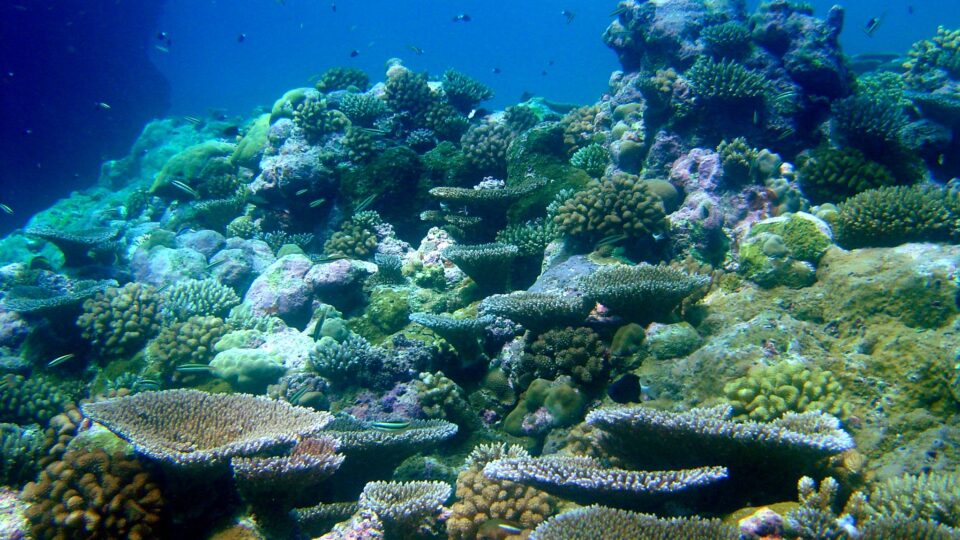
Photo, posted September 22, 2010, courtesy of NOAA via Flickr.

Earth Wise is a production of WAMC Northeast Public Radio.

Alligator Security Guards

April 22, 2016 By WAMC WEB

https://earthwiseradio.org/wp-content/uploads/2016/04/EW-04-22-16-Alligator-Security-Guards.mp3

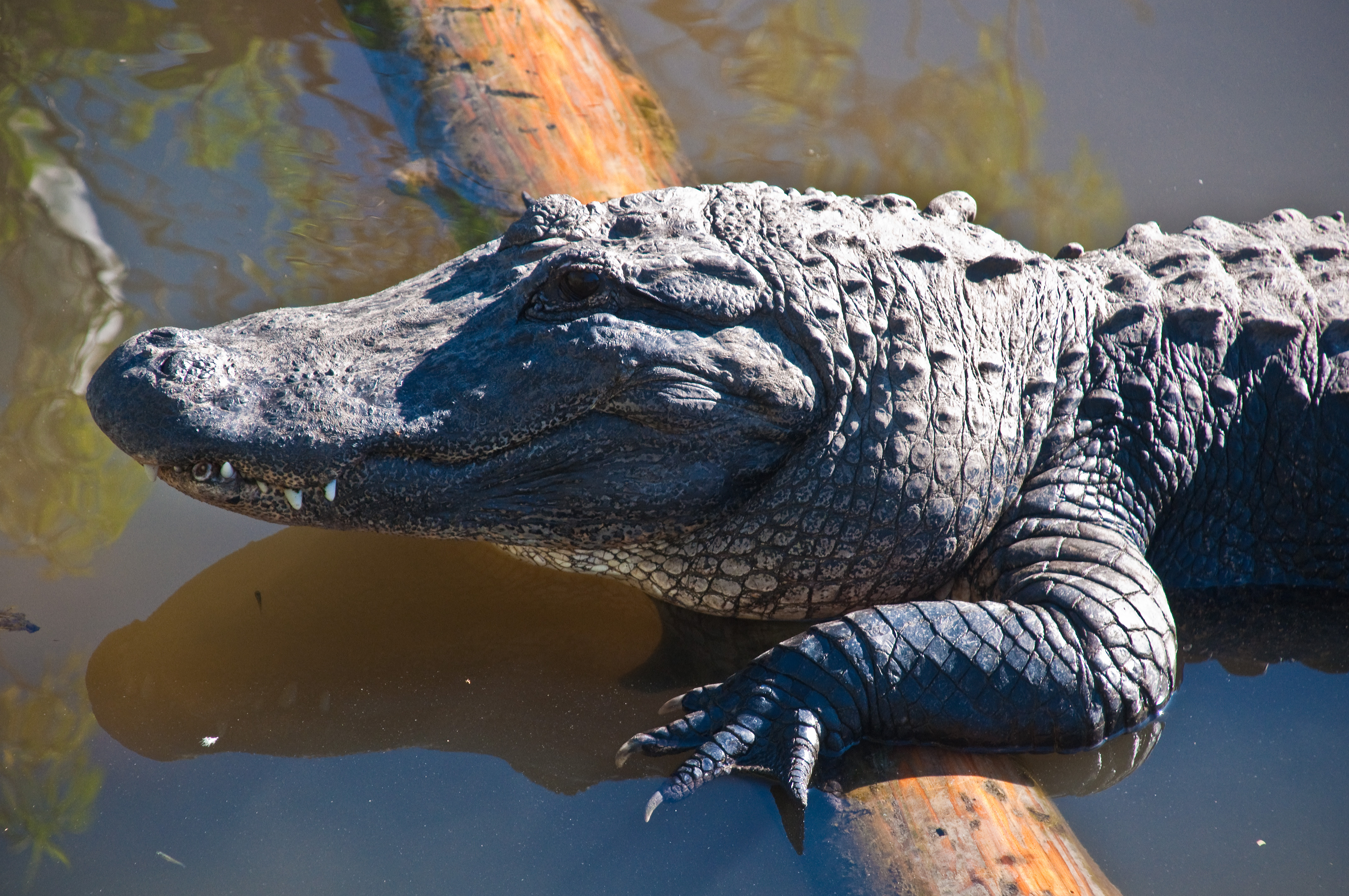
Complex ecosystems often create complex interrelationships between animals.  One of the more surprising ones is that between waterbirds and alligators in the Florida Everglades.

[Read more…] about Alligator Security Guards

Primary Sidebar

Recent Episodes

  • An uninsurable future
  • Clean energy and jobs
  • Insect declines in remote regions
  • Fossil fuel producing nations ignoring climate goals
  • Trouble for clownfishes

WAMC Northeast Public Radio

WAMC/Northeast Public Radio is a regional public radio network serving parts of seven northeastern states (more...)

Copyright © 2026 ·