• Skip to primary navigation
  • Skip to main content
  • Skip to primary sidebar

Earth Wise

A look at our changing environment.

  • Home
  • About Earth Wise
  • Where to Listen
  • All Articles
  • Show Search
Hide Search
You are here: Home / Archives for supplement

supplement

Reducing methane from cattle

December 26, 2024 By EarthWise Leave a Comment

Methods to reduce methane emissions from cattle

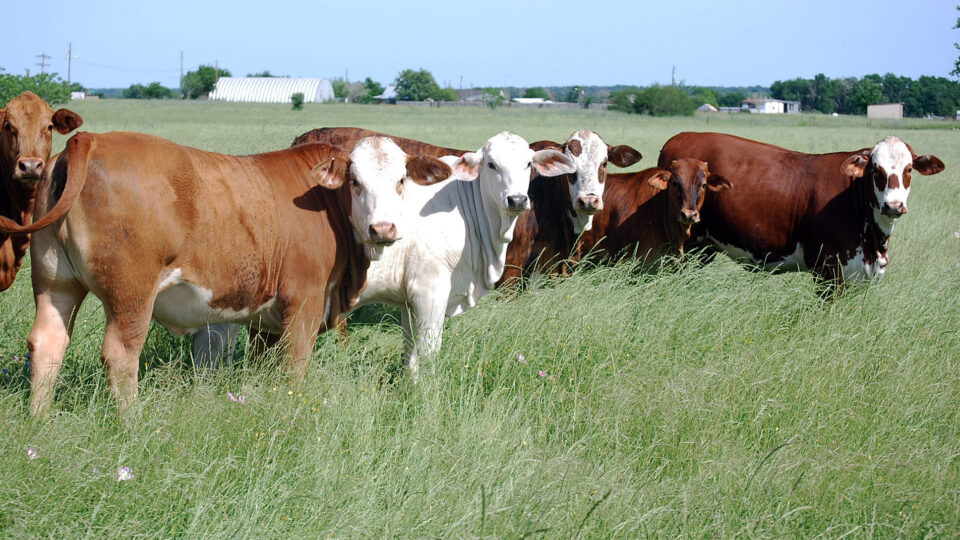
Livestock is responsible for almost 15% of global greenhouse gas emissions.  Most of that is in the form of methane that cattle release when they burp.  Grazing cattle produce more methane than feedlot cattle or dairy cows because they eat more fiber from grass.  There are 9 million dairy cows in the U.S. but more than 64 million beef cattle.

Beef cattle spend most of their lives grazing in pastures and producing methane.  Controlling the food of pasture-raised cattle is difficult because they often graze far from ranches for extended periods of time.  During the winter and during times when grass is scarce, ranchers supplement the diet of cattle.

A new study by researchers at the University of California – Davis has found that feeding grazing cattle a seaweed supplement in pellet form reduced their methane emissions by nearly 40% without affecting their health or weight.  There have been previous studies that showed seaweed cut methane emissions by 82% in feedlot cattle and over 50% in dairy cows.  But this is the first study to test the effects of seaweed on grazing beef cattle.

The seaweed pellets were made available to grazing cattle and they ate the supplement voluntarily.  Compared to a group of cattle who didn’t receive the supplements, the seaweed eaters had a 40% reduction in methane emissions.

Other research studies to reduce methane emissions using feed additives have taken place in controlled environments with daily supplements.  This method provides a way to make a seaweed supplement easily available to grazing animals.  It could even be introduced through a lick block for cattle.

**********

Web Links

Feeding Grazing Cattle Seaweed Cuts Methane Emissions by Almost 40%

Photo, posted February 18, 2016, courtesy of Beverly Moseley/NRCS via Flickr.

Earth Wise is a production of WAMC Northeast Public Radio
Energy efficient cows

April 5, 2024 By EarthWise Leave a Comment

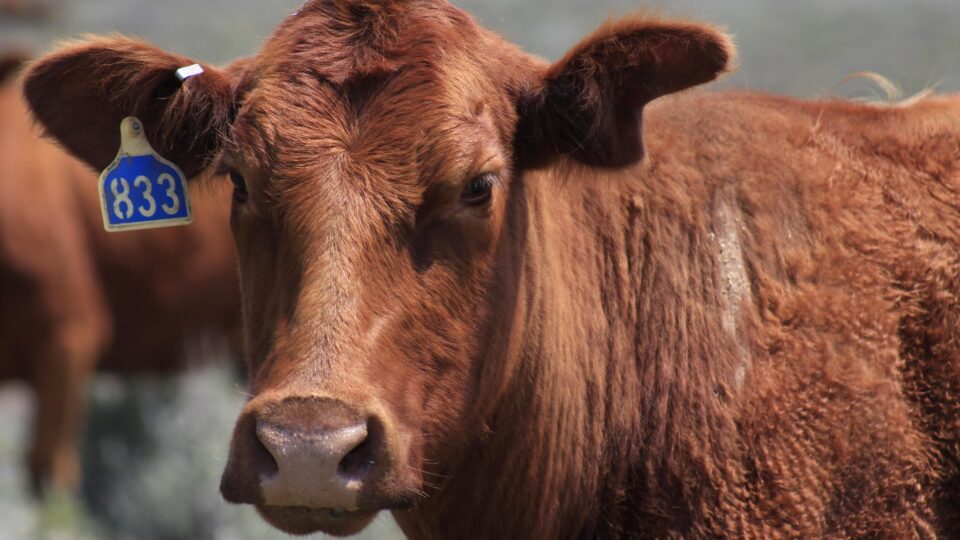
Livestock production – primarily cows – produce nearly 15% of global greenhouse gas emissions, mostly in the form of methane emitted by burping caused by the way they process food.  A single cow produces roughly 200 pounds of methane gas per year and there are 1.5 billion heads of cattle in the world.

Researchers at Penn State University have found that supplementing the feed of high-producing dairy cows with the botanical extract capsicum oleoresin – a substance obtained from chili peppers – or a combination of that extract and clove oil resulted in the animals using feed energy more efficiently. 

Adding these substances – which are commonly called essential oils – to the cattle’s feed results in improved efficiency of energy utilization.  It is known that botanicals have the potential to modify fermentation in the cow’s largest stomach – called the rumen.

There have been previous studies for many years adding substances to dairy cow feed – such as seaweed, garlic, and oregano – in an effort to improve milk production and reduce environmental emissions from dairy farms.

The Penn State study was actually not specifically aimed at methane reduction but rather to better use the available energy from the feed to gain body weight.  However, the researchers found that the yield and intensity of methane from the cows in the study were decreased by 11% by the combination of capsicum oleoresin and clove oil.

Botanicals have shown a wide range of anti-microbial properties against bacteria, protozoa, and fungi, as well as being potential rumen modifiers in cattle.  The new study represents an interesting approach to improve the metabolism of dairy cows.

**********

Web Links

Dairy cows fed botanicals-supplemented diets use energy more efficiently

Photo, posted April 9, 2012, courtesy of Aimee Brown / OSU via Flickr.

Earth Wise is a production of WAMC Northeast Public Radio
An Indoor Farm In Upstate New York | Earth Wise        

March 11, 2022 By EarthWise Leave a Comment

Indoor farms to help feed the world

Vertical farming is the practice of growing crops in vertically stacked layers, generally under controlled environments and using soilless farming techniques like hydroponics, aquaponics, and aeroponics.   Vertical farms are housed in structures such as buildings, shipping containers, tunnels, and abandoned mineshafts.

The potential advantages of vertical farms are that they are very efficient in terms of the amount of land required to produce a given amount of crop, they are resistant to weather, and they allow crops to be produced in close proximity to where they will be used.

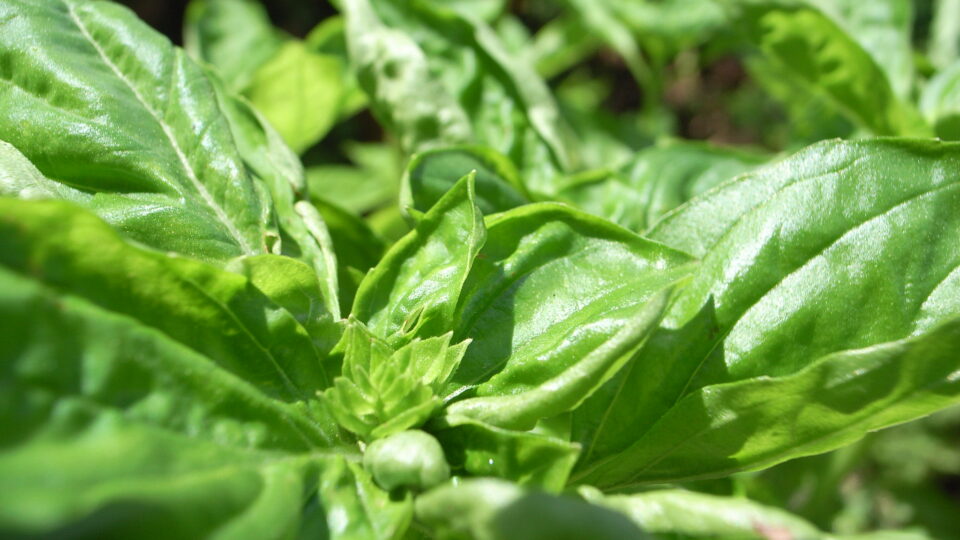
The vacant third floor of a building in downtown Glens Falls, New York is about to become the home of a small vertical farm.  The facility will be used to hydroponically grow things like fresh basil, lettuce, and fruits to be used by nearby restaurants.  In fact, the first floor of the building is a restaurant that will be a customer for the crops growing upstairs.  Other local restaurants are likely to benefit as well.

Th pilot program is being funded by a grant from the Smart Cities Innovation Partnership that the city applied for in 2020.  Glens Falls is partnering with Re-Nuble, a New York City-based renewability and sustainability firm.  Apart from the vertical farm project, Re-Nuble also advises on reduction of food waste by composting and on the selection of energy-efficient equipment.

The pilot program will run for a year and the results will be used for scaling it up to a larger vertical farm.  Vertical farms like these are not intended to replace conventional farms but can supplement the existing food stream and provide items that are hard to obtain during the year.

**********

Web Links

Glens Falls is fitting a farm inside a downtown building

Photo, posted July 15, 2007, courtesy of Toshiyuki Imai via Flickr.

Earth Wise is a production of WAMC Northeast Public Radio.

Primary Sidebar

Recent Episodes

  • An uninsurable future
  • Clean energy and jobs
  • Insect declines in remote regions
  • Fossil fuel producing nations ignoring climate goals
  • Trouble for clownfishes

WAMC Northeast Public Radio

WAMC/Northeast Public Radio is a regional public radio network serving parts of seven northeastern states (more...)

Copyright © 2026 ·