• Skip to primary navigation
  • Skip to main content
  • Skip to primary sidebar

Earth Wise

A look at our changing environment.

  • Home
  • About Earth Wise
  • Where to Listen
  • All Articles
  • Show Search
Hide Search
You are here: Home / Archives for sub-saharan africa

sub-saharan africa

Approaching critical global temperature thresholds

January 21, 2025 By EarthWise Leave a Comment

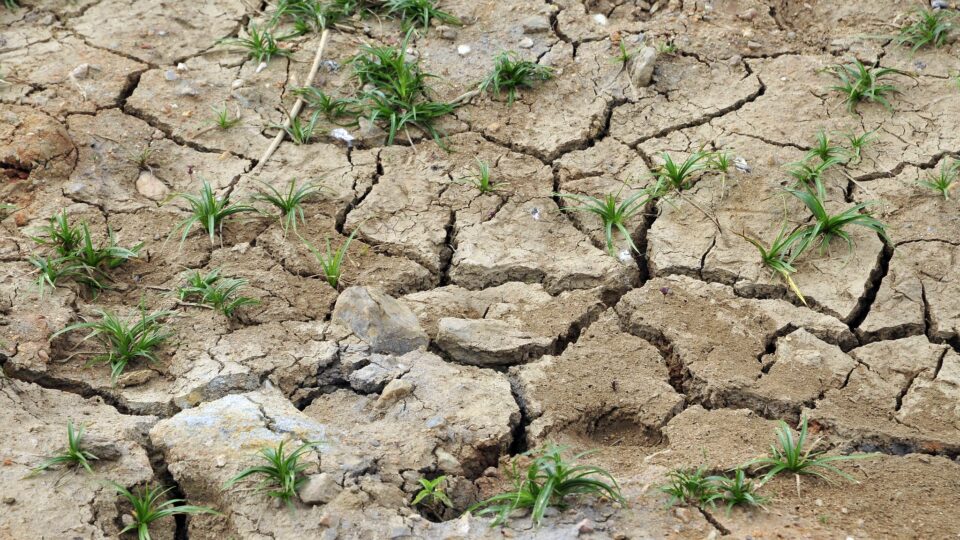
The globe is approaching critical temperature thresholds

The Paris Climate Agreement is a global treaty adopted in 2015 to combat climate change by limiting global warming to well below 2°C above pre-industrial levels, while striving to keep it below 1.5°C.  But according to recent research, the planet is quickly approaching these critical thresholds. 

An international research team led by scientists from Colorado State University, Stanford University, and ETH-Zurich in Switzerland combined insights from 10 global climate models, and – with the help of artificial intelligence – found that regional warming thresholds are likely to be reached faster than previously thought.

In fact, the researchers found that most land regions will likely surpass the critical 1.5°C threshold by 2040 or even earlier.  Additionally, several regions are on track to exceed the 3.0°C threshold by 2060.  Regions including Central Europe, the Mediterranean, South Asia, and parts of sub-Saharan Africa are expected to reach these thresholds faster. 

The research team relied on transfer learning, a cutting-edge machine learning technique that leverages pre-trained models to tackle new, related tasks.

The research, which was recently published in the journal Environmental Research Letters, found that 34 regions are likely to exceed 1.5°C of warming by 2040.  Of those 34 regions, 31 of them are expected to reach 2°C of warming by 2040, and 26 of these 34 regions are projected to surpass 3°C of warming by 2060.

**********

Web Links

AI predicts that most of the world will see temperatures rise to 3C much faster than previously expected

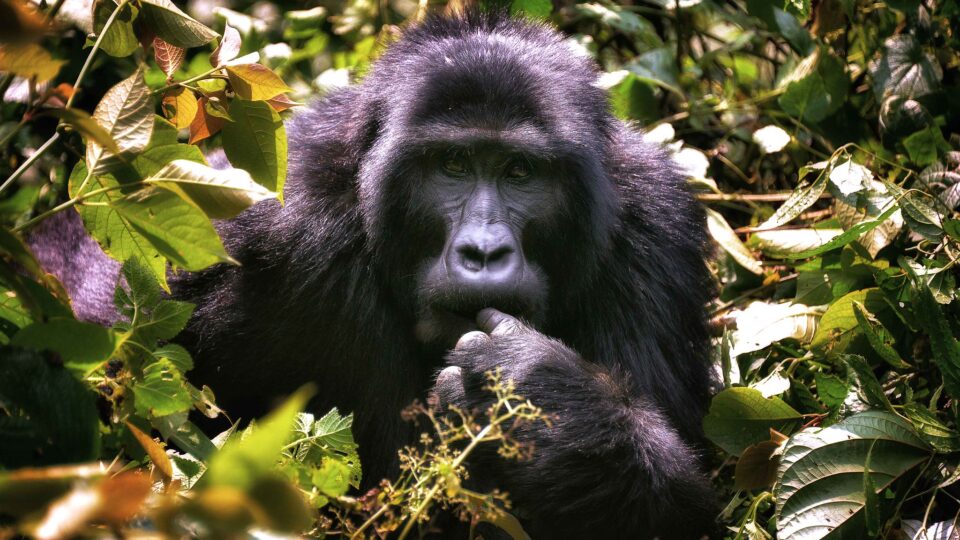
Photo, posted February 23, 2011, courtesy of 2011 CIAT / Neil Palmer via Flickr.

Earth Wise is a production of WAMC Northeast Public Radio
Too hot for people

November 22, 2023 By EarthWise Leave a Comment

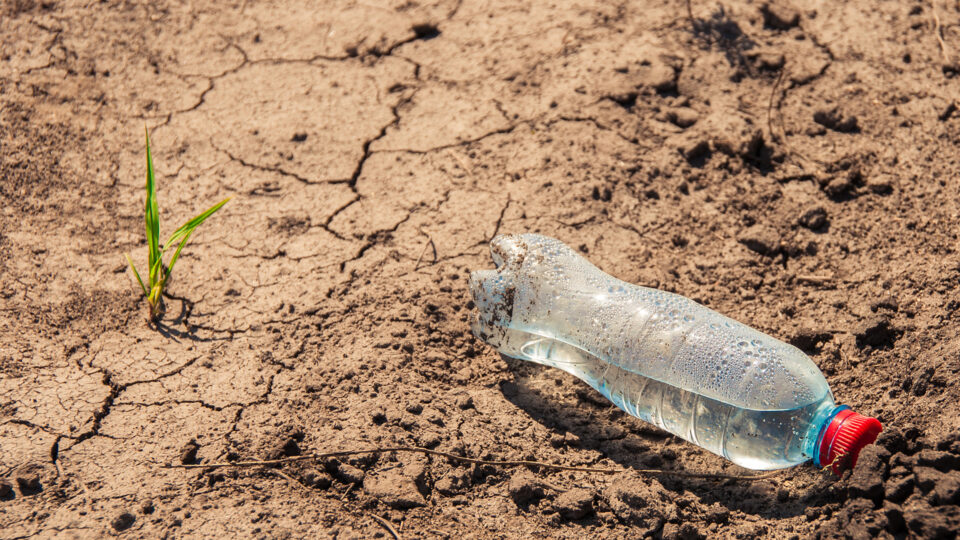
Climate change may make some regions too hot for people

The effort to mitigate the effects of climate change has a goal of keeping the global temperature increase below 1.5 degrees Celsius above preindustrial levels.  To date, the average global temperature has increased by more than 1 degree.  We hear about rising sea levels, powerful storms, and various other alterations in climate and weather patterns.  A new interdisciplinary study by three institutions looked at the impact of surpassing the 1.5-degree level upon people being able to withstand heat and humidity.

Humans can only withstand certain combinations of heat and humidity before their bodies begin to experience heat-related health problems such as heat stroke and heart attacks. 

In human history, temperatures and humidity that exceed human limits have been recorded only a limited number of times and only for a few hours at a time, in the Middle East and Southeast Asia.

According to the new study, if global temperatures increase by 2 degrees Celsius above preindustrial levels, the 2.2 billion residents of Pakistan and India’s Indus River Valley, the one billion people living in eastern China, and the 800 million residents of sub-Saharan Africa will annually experience many hours of heat surpassing human tolerance.

If the warming continues further to 3 degrees, heat and humidity levels that surpass human tolerance would affect the Eastern Seaboard and the middle of the US from Florida to New York and from Houston to Chicago.

The worst heat stress will occur in regions that are not wealthy and that are experiencing rapid population growth.  But even wealthy nations will not escape from the expansion of conditions that are too hot for people.

**********

Web Links

Climate-driven extreme heat may make parts of Earth too hot for humans

Photo, posted June 28, 2018, courtesy of Ivan via Flickr.

Earth Wise is a production of WAMC Northeast Public Radio
Coffee, cocoa, and pollinators

November 20, 2023 By EarthWise Leave a Comment

Pollinator decline threatens chocolate and coffee

Multiple forces have been at play that have been detrimental to pollinators including climate change, land use change, pesticide use, and more.  There have been substantial declines in both the abundance and diversity of insect pollinators.  There is increasing public awareness of this issue, but it hasn’t really risen all that high among many people’s concerns.

A new study by University College London looked at the effects of the global decline in pollinators on thousands of crop-growing sites around the world involving thousands of insect pollinator species.

About 75% of all crops grown depend on pollinators to some degree.  The UCL research created a model that looks at which pollination dependent crops are most threatened over the next 30 years in order to provide a warning to both the agricultural and conservation communities.

The research indicates that the tropics are likely to be most at risk with regard to reduced crop production caused by pollinator losses.  This is mostly due to the interaction of climate change and land use.  The risks are highest in sub-Saharan Africa, northern South America, and southeast Asia.

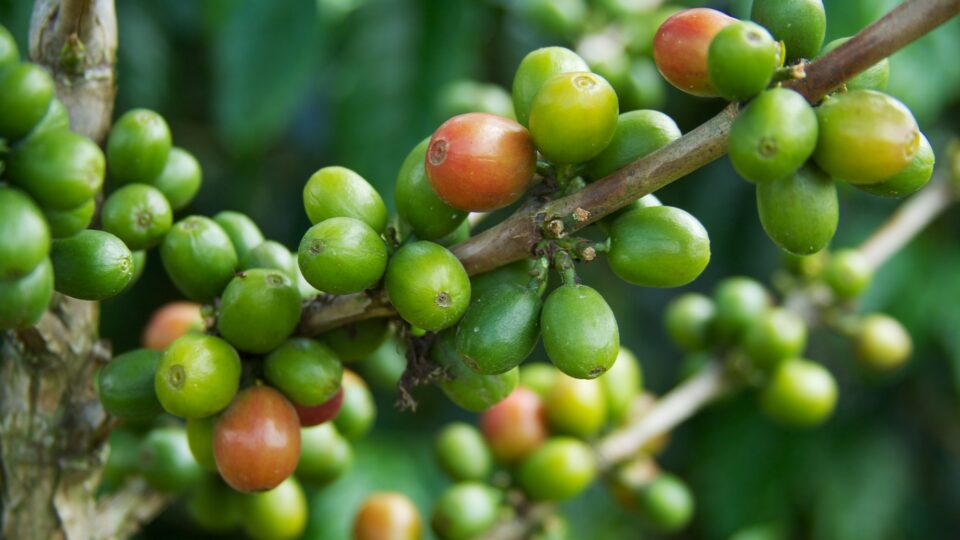
These areas are where the world gets most of its coffee and cocoa, two crops that are near and dear to most of us.  These crops, as well as others such as mangoes, play vital roles in both local economies and global trade and reducing them could lead to increased income insecurity for millions of small-scale farmers in these tropical regions.

If pollinator loss isn’t high up on your list of global concerns, perhaps you should think about it next time you have a cup of coffee or enjoy some chocolate.

**********

Web Links

Coffee and cocoa plants at risk from pollinator loss

Photo, posted May 23, 2013, courtesy of McKay Savage via Flickr.

Earth Wise is a production of WAMC Northeast Public Radio
A Promising Malaria Vaccine | Earth Wise

June 23, 2021 By EarthWise Leave a Comment

A promising vaccine in the fight against malaria

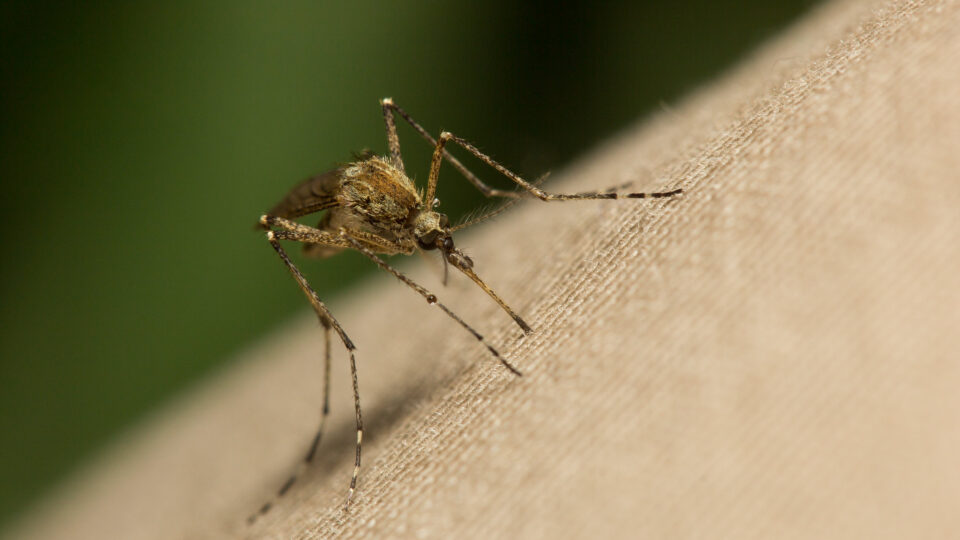
Malaria is a parasitic disease transmitted through the bite of female Anopheles mosquitoes.  Although the disease is both preventable and treatable, an estimated 435,000 people die of it each year, with the majority being children younger than five.  Over 90% of all malaria cases and deaths occur in Africa.

The battle against malaria has mostly centered around the use of bed nets, insecticide spraying and antimalarial drugs.  To date, there has not been an effective malaria vaccine available.

That may finally be changing.  The first vaccinations have begun in Mali in a phase III trial of a malaria vaccine developed by the University of Oxford.  The Oxford vaccine showed an efficacy of 77% over 12 months in a phase IIb trial and the hope is that the phase III trial will lead to the licensing of the vaccine in 2023. 

Oxford is partnering with the Serum Institute of India for the manufacturing of the vaccine in order to be able to produce high volumes of low-cost vaccine and provide access to countries where it is required the most.  The Serum Institute has committed to the production of more than 200 million doses per year once the vaccine is licensed for use, which will be an adequate supply for children most at risk of malaria in sub-Saharan Africa.

The World Health Organization Malaria Vaccine Technology Roadmap has a goal of a malaria vaccine with at least 75% efficacy.  Such a vaccine is needed in order to reach the WHO’s goal of reducing malaria deaths by at least 90% by 2030.

**********

Web Links

Promising malaria vaccine enters final stage of clinical testing in West Africa

Photo, posted June 9, 2018, courtesy of Mario Yordanov via Flickr.

Earth Wise is a production of WAMC Northeast Public Radio.

How To Bend The Curve On Biodiversity Loss | Earth Wise

October 15, 2020 By EarthWise Leave a Comment

how to bend the curve on biodiversity loss

Biodiversity has been declining at an alarming rate in recent years as a result of human activities, including land use changes, pollution, and climate change.  According to a 2019 UN report, one million species – out of an estimated eight million – are threatened with extinction.  Many scientists warn we are in the middle of the sixth mass extinction event in Earth’s history.  Previous mass extinction events wiped out up to 95% of all species and took ecosystems millions of years to recover. 

Fortunately, new research indicates that it might not be too late to bend the curve on biodiversity loss.  According to the report, which was recently published in the journal Nature, more ambitious conservation measures are needed in order to  preserve biodiversity.  In addition, more efficient food production and healthier and less wasteful consumption and trade are needed to bend the curve. 

If these measures are undertaken with unprecedented ambition and coordination, the research team says the efforts will provide an opportunity to reverse biodiversity loss by 2050.

But even under the best case scenario, ongoing land conversion will lead to further biodiversity losses before the curve starts to bend.  In fact, at least one third of projected losses in the coming years are unlikely to be avoided under any scenario.  Biodiversity losses were projected to be highest in the regions richest in biodiversity, including South Asia, Southeast Asia, Sub-Saharan Africa, the Caribbean, and Latin America. 

The study, which was led by the International Institute for Applied Systems Analysis in Austria, makes it clear that urgent action is needed this decade in order to have any chance of bending the curve. 

**********

Web Links

Curbing land clearing for food production is vital to reverse biodiversity declines

Photo, posted November 1, 2017, courtesy of Rod Waddington via Flickr.

Earth Wise is a production of WAMC Northeast Public Radio.

Primary Sidebar

Recent Episodes

  • An uninsurable future
  • Clean energy and jobs
  • Insect declines in remote regions
  • Fossil fuel producing nations ignoring climate goals
  • Trouble for clownfishes

WAMC Northeast Public Radio

WAMC/Northeast Public Radio is a regional public radio network serving parts of seven northeastern states (more...)

Copyright © 2026 ·