• Skip to primary navigation
  • Skip to main content
  • Skip to primary sidebar

Earth Wise

A look at our changing environment.

  • Home
  • About Earth Wise
  • Where to Listen
  • All Articles
  • Show Search
Hide Search
You are here: Home / Archives for species distribution

species distribution

Major species turnover forecasted for North American cities

May 2, 2024 By EarthWise Leave a Comment

Major species turnover is forecasted for cities in North America

Climate change affects animal species in many ways.  It induces habitat loss, disrupts migration and breeding patterns, threatens marine life, and facilitates an increased spread of disease.  It may also affect where animals can be found in the future. 

According to a new study led by researchers from the University of Toronto Mississauga and Apex Resource Management Solutions in Canada, climate change may dramatically affect the animal species observed in North American cities by the end of the century.

The researchers used species distribution data combined with machine learning to study the impact of human-caused climate change on more than 2,000 animal species historically found in the 60 most populous North American cities. 

According to the research team, changes in biodiversity are brewing for almost every city it studied by the year 2100.  In fact, cities with a rich history of biodiversity are predicted to have the largest declines and fewest gains in species. Cooler and wetter cities like Quebec, Ottawa, Winnipeg, Kansas City, and Omaha are expected to welcome the most new species.  Warmer cities with higher precipitation – like cities in coastal California – are projected to lose the most species. 

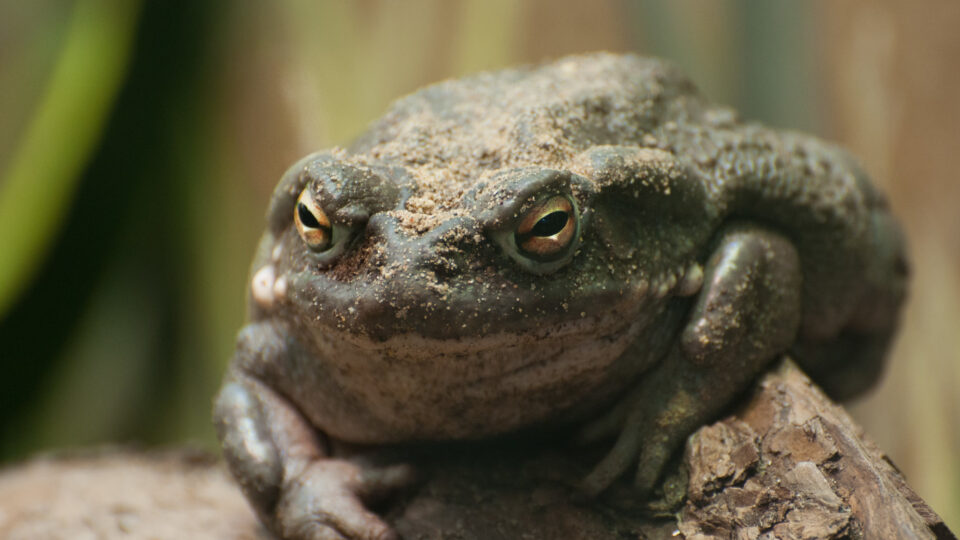
More than 95% of bird and insect species are predicted to experience a change in the number of cities they call home.  Canines, most amphibians, and aquatic birds are expected to experience the greatest losses.  Toads, turtles, mice and pelicans are projected to become more common overall. 

The researchers hope their findings will encourage more efforts to protect biodiversity.

**********

Web Links

North American cities may see a major species turnover by the end of the century

Photo, posted September 29, 2013, courtesy of Jonathan Kriz via Flickr.

Earth Wise is a production of WAMC Northeast Public Radio
Beavers Are Flooding The Warming Arctic | Earth Wise

March 14, 2022 By EarthWise Leave a Comment

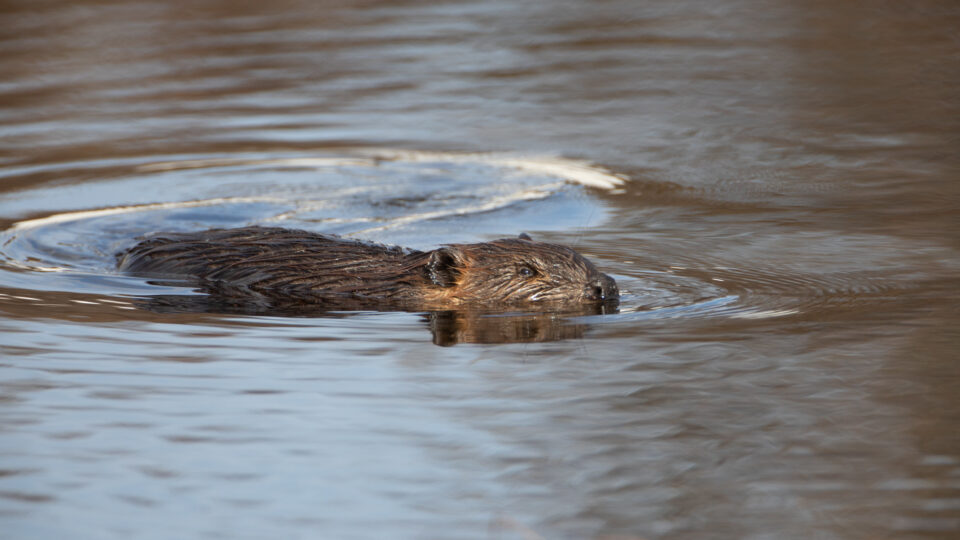
Beavers are flooding the warming Arctic

The accelerating warming in the Arctic has transformed the region into a warmer, wetter, and more diverse environment.  Warming temperatures have encouraged the increasing growth of vegetation, particularly shrubs that provide beavers with bark to eat and branches to build with.  Warming temperatures also mean that lakes and streams freeze solid for shorter periods of time or not at all, allowing beavers to pursue their construction projects for longer periods during the year.

Prior to the mid-1970s, residents of the Alaskan Arctic encountered few beaver ponds.  In 2018, researchers using satellite imagery mapped 12,000 beaver ponds in Alaskan tundra.

Beavers are causing major changes in the streams and floodplains that many small Alaskan villages depend upon for food, water, and navigation.  As the rodents transform lowland tundra ecosystems, they are eliminating food sources, deteriorating water quality, and making it difficult to navigate waterways.

The migration of beavers across the Arctic landscape is largely a result of climate change.  But it is also becoming one of the factors amplifying climate change.  Scientists are trying to figure out the degree of permafrost thawing that beaver dam-and-den building is causing and how fast these defrosted organic soils will degrade and release trapped carbon and methane.

Beaver dams alter the hydrology of streams by slowing the flow, storing and spreading water to create wetlands, raising the water table, and lowering the oxygen content of the water. 

Climate-driven changes in species distributions affect human well-being as entire ecosystems continue to change.  Shifts in animal habitat stimulated by climate change could have profound consequences across the globe.

**********

Web Links

Beavers Are Flooding the Warming Alaskan Arctic, Threatening Fish, Water and Indigenous Traditions

Photo, posted June 12, 2018, courtesy of Peter Pearsall/USFWS via Flickr.

Earth Wise is a production of WAMC Northeast Public Radio.

Primary Sidebar

Recent Episodes

  • An uninsurable future
  • Clean energy and jobs
  • Insect declines in remote regions
  • Fossil fuel producing nations ignoring climate goals
  • Trouble for clownfishes

WAMC Northeast Public Radio

WAMC/Northeast Public Radio is a regional public radio network serving parts of seven northeastern states (more...)

Copyright © 2025 ·