• Skip to primary navigation
  • Skip to main content
  • Skip to primary sidebar

Earth Wise

A look at our changing environment.

  • Home
  • About Earth Wise
  • Where to Listen
  • All Articles
  • Show Search
Hide Search
You are here: Home / Archives for snack

snack

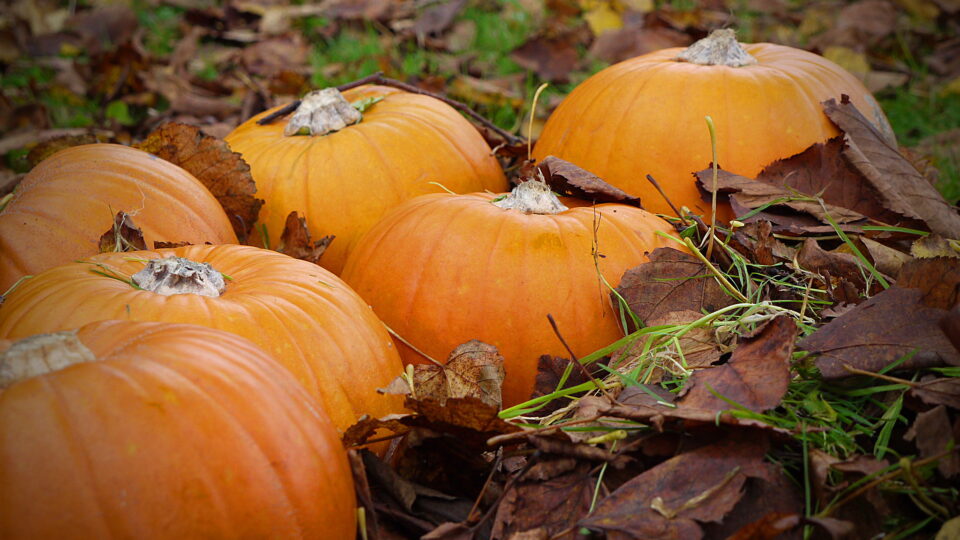
Halloween pumpkins

October 28, 2024 By EarthWise Leave a Comment

According to the National Retail Federation, spending on Halloween festivities this year by the 72% of Americans who plan to celebrate is expected to total $11.6 billion – or about $104 per person.  The annual consumer survey also found that 67% of Americans plan to pass out candy this year, and nearly 50% of Americans plan to carve a pumpkin.

To produce enough pumpkins for Halloween, farmers grow lots of them every year.  In fact, more than two billion were grown in 2020 alone.  But the vast majority of pumpkins are never eaten; instead, most are carved and placed on porches across the country.  This means Americans spend hundreds of millions of dollars on pumpkins annually just to toss them in the trash when Halloween ends. 

When pumpkins are placed in landfills, they produce methane gas.  Methane is a potent greenhouse gas that affects climate change by contributing to increased warming. 

Instead of throwing pumpkins into the landfill, there are several responsible ways to dispose of them. 

If the pumpkin is still in good shape, use the outer, meaty part of the pumpkin to make pumpkin puree.  The pumpkin seeds can also be scooped out, rinsed, seasoned, and then baked in the oven, resulting in a delicious snack.

Pumpkins also have the potential to turn into great soil through composting. Pumpkins can help naturally add moisture to compost piles that need to be damp in order to effectively decompose food waste.   

If eating or composting the pumpkins isn’t an option, consider donating them to a local farm.  Farmers will often collect pumpkins as treats for their pigs, goats, and other animals. 

**********

Web Links

Halloween Retail Holiday and Seasonal Trends

Ready to toss out your pumpkins? Here’s how to keep them out of the landfill

US grows over 2 billion pumpkins yearly

Photo, posted November 8, 2014, courtesy of Martin Brigden via Flickr.

Earth Wise is a production of WAMC Northeast Public Radio

A billion pound problem

November 1, 2023 By EarthWise 1 Comment

Nearly two billion pounds of pumpkins are grown each year in the U.S.  But we actually don’t eat the vast majority of them.  Instead, most pumpkins are carved or otherwise decorated, and placed on porches across the country during Halloween.  But now that the holiday has come and gone, what happens to all those sagging masterpieces?

Simply put, we usually just throw them out.  In the days after Halloween, as much as 1.3 billion pounds of pumpkin winds up in landfills.  When left there to decompose, the pumpkins produce methane, a potent greenhouse gas that affects climate change by contributing to increased warming. 

Here are some ways to keep pumpkins out of the landfills this year and make Halloween festivities more sustainable. 

If the pumpkin is still in good shape, use the outer, meaty part of the pumpkin to make a fresh version of pumpkin puree.  Pumpkin puree is a common ingredient in baked goods like muffins, breads, and pies, especially during this time of the year.  The pumpkin seeds can also be scooped out, rinsed, and salted or spiced, and then baked in the oven, resulting in a delicious snack.

Pumpkins also have the potential to turn into great soil through composting. Pumpkins are just over 90% water, which help naturally add moisture to compost piles that need to be damp to effectively decompose food waste.

If eating or composting the pumpkins isn’t an option, consider donating them to a local farm.  Farmers will often collect pumpkins as treats for their pigs, goats, and other animals. 

The scariest part of Halloween shouldn’t be the waste. 

**********

Web Links

Halloween is over. Here’s the most sustainable way to get rid of your jack-o’-lanterns, pumpkins, and gourds

Say Boo to Landfills – Compost Your Pumpkin After Halloween!

Photo, posted November 4, 2010, courtesy of William Warby via Flickr.

Earth Wise is a production of WAMC Northeast Public Radio
Right Whales And The Warming Atlantic | Earth Wise

October 25, 2021 By EarthWise Leave a Comment

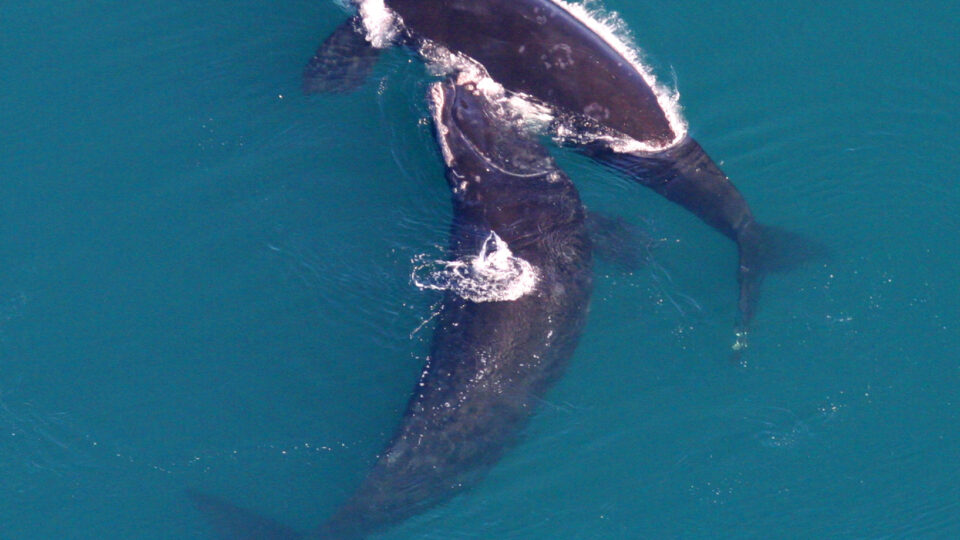
The warming of the Atlantic Ocean has driven the critically endangered North Atlantic right whale population from its traditional and protected habitat.  This has exposed the whales to more lethal ship collisions, increased entanglements with commercial fishing gear, and greatly reduced calving rates.

Since 2010, the calving rate has declined, and the right whale population has dropped by an estimated 26%.  Ten years ago, there were about 500 North Atlantic right whales; now there are an estimated 356.

These are some of the best studied whales in the oceans; scientists basically recognize each individual whale and when they are the victims of ship collisions or fishing entanglements, it is easy to identify which animal was killed.

Because of the warming climate, the Atlantic Meridian Overturning Circulation – an important system of surface and deep currents – has slowed down, causing the Gulf Stream to move north.  This has injected warmer and saltier water into the Gulf of Maine.  The warming Gulf of Maine has reduced the abundance of copepods, tiny crustations that are the favorite snack of right whales.   This has reduced whale calving rates and forced the whales to move north to the cooler waters of the Gulf of St. Lawrence.

For the past 6 years, more and more right whales have been observed feeding in the Gulf of St. Lawrence, where there were no protections in place to prevent ship strikes and fishing gear entanglement.  In 2017 alone, 17 right whale deaths were confirmed.

According to a recent report from Cornell University and the University of South Carolina, unless its management is improved, right whale populations will decline and potentially become extinct in the coming decades.

**********

Web Links

Warming Atlantic forces whales into new habitats, danger

Photo, posted December 8, 2016, courtesy of Sea to Shore Alliance/NOAA via Flickr.

Earth Wise is a production of WAMC Northeast Public Radio.

Primary Sidebar

Recent Episodes

  • An uninsurable future
  • Clean energy and jobs
  • Insect declines in remote regions
  • Fossil fuel producing nations ignoring climate goals
  • Trouble for clownfishes

WAMC Northeast Public Radio

WAMC/Northeast Public Radio is a regional public radio network serving parts of seven northeastern states (more...)

Copyright © 2026 ·