• Skip to primary navigation
  • Skip to main content
  • Skip to primary sidebar

Earth Wise

A look at our changing environment.

  • Home
  • About Earth Wise
  • Where to Listen
  • All Articles
  • Show Search
Hide Search
You are here: Home / Archives for sheep

sheep

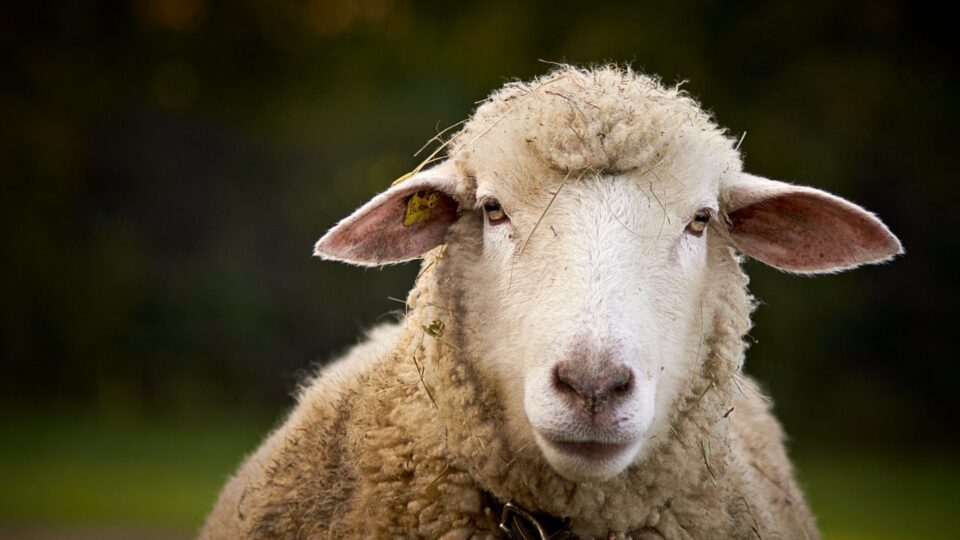
Rising methane emissions

October 22, 2024 By EarthWise Leave a Comment

Methane is a colorless and odorless gas that occurs abundantly in nature and is also a product of certain human activities.  It’s a short-lived but highly potent greenhouse gas and, as a result, is a major driver of climate change.  In fact, methane heats the atmosphere nearly 90 times faster than carbon dioxide over a 20-year period. 

Despite a global pledge from more than 150 nations to reduce methane emissions by 30% this decade, methane emissions continue to rise.  In fact, according to a new paper led by researchers from Stanford University, total annual methane emissions have increased 20% over the past two decades. 

The paper, which was recently published in the journal Environmental Research Letters, found that atmospheric concentrations of methane today are more than 2.6 times higher than in pre-industrial times.  In fact, atmospheric methane concentrations are currently the highest they’ve been in at least 800,000 years.

Methane emissions from coal mining, oil and gas production and use, cattle and sheep ranching, and decomposing organic waste in landfills are responsible for driving the growth.  In 2020, the most recent year for which data was available, nearly 400 million tons – or about two-thirds – of global methane emissions came directly from human activities. 

Methane concentrations in Earth’s atmosphere have increased at record speed over the past five years.  According to the research team, only the European Union and possibly Australia seem to have decreased methane emissions from human activities over the past two decades.  This trend “cannot continue if we are to maintain a habitable climate.”

**********

Web Links

Methane emissions are rising faster than ever

Photo, posted December 4, 2010, courtesy of Dani Mettler via Flickr.

Earth Wise is a production of WAMC Northeast Public Radio
Solar grazing

September 16, 2024 By EarthWise Leave a Comment

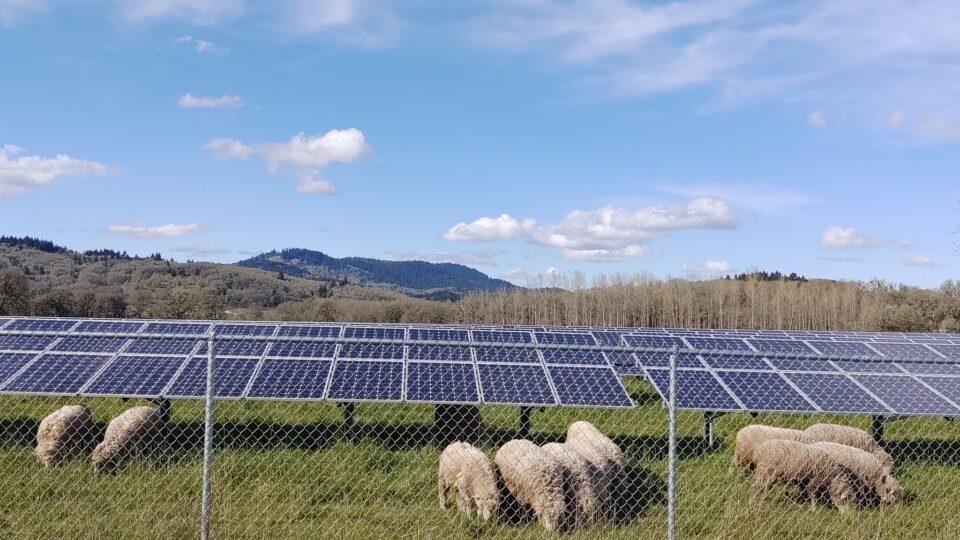
Agrivoltaics is the combination of solar power generation with agriculture.  Generally, this has involved growing crops under and around solar panels harvesting both food and electricity.  More recently, there has been increasing interest in grazing animals to manage lands used for solar power.

Enel North America, a large operator of solar farms and utility-scale battery storage facilities in Texas, has announced a partnership with Texas Solar Sheep Company to deploy more than 6,000 sheep to chow down on the greenery on eight large Texas solar sites.  This is the largest known solar grazing agreement executed in the United States

Texas Solar Sheep’s flocks will graze on more than 10,000 acres of land being used for solar generation, an area roughly ¾ the size of Manhattan.  Most of these sites are situated in areas with high rainfall and long growing seasons. 

The American Solar Grazing Association, an organization with 950 members across 45 states, facilitates research, provides education, and develops best practices in support of a unique population of shepherds and solar developers.  Their recent survey estimates that 100,000 acres of U.S. solar sites are currently being chewed on by sheep.  Texas has the most installed utility-scale solar power in the country.

According to Enel, its existing solar grazing program has demonstrated substantial improvements in soil health by the additional of organic matter to the soil.  Managing vegetation with sheep is also better for pollinators because sheep don’t cut down all plants the way mowing does.

**********

Web Links

No more sheepless nights: Enel inks largest solar grazing contract

Photo, posted April 7, 2020, courtesy of Sean Nealon / Oregon State University via Flickr.

Earth Wise is a production of WAMC Northeast Public Radio
The Captive Lion Problem | Earth Wise

September 25, 2023 By EarthWise Leave a Comment

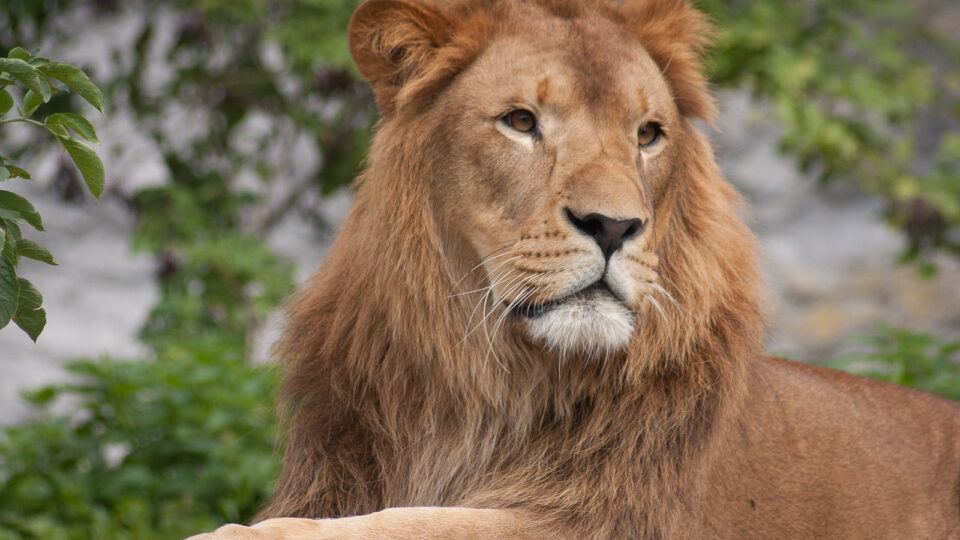
In the 1990s, there was rapid growth in South Africa of the private wildlife industry.  Large numbers of cattle, sheep, and goat ranchers replaced their domestic livestock with wild animals that wealthy hunters would pay lots of money to shoot.  Lions were among the most prized targets for these people.  Over time, hundreds of ranchers became involved in the business of breeding large numbers of the big cats in cages or small enclosures.  Wealthy clients paid $25,000 to $40,000 to shoot a captive-bred lion – cheaper than the cost of a true wild lion hunt and much easier too.  The animals were not afraid of humans and were easy to find.

By 2015, about 200 ranches held at least 8,000 captive-bred lions.  Over 600 were trophy-hunted that year, generating about $16 million in trophy fees, mostly from Americans.

Journalists and conservationists exposed poor conditions on many lion farms and many other abuses.  Over time, the South African government cracked down on the export of lion bones and other body parts for taxidermy, traditional Chinese medicine, and other uses.  The days of captive lion breeding seemed numbered but shutting down the lucrative industry is not easy.

Wild lions in South Africa are not endangered.  In fact, existing sanctuaries and preserves have as many lions as they can sustain.  What to do with thousands of captive lions is a real problem.  Some have suggested mass euthanasia, but that appalling idea has garnered very little support.  The future of these animals still hangs in the balance and so far, there are really no truly desirable solutions in the offing.

**********

Web Links

If South Africa Ends Lion Breeding, What to Do With Captive Cats?

Photo, posted August 21, 2011, courtesy of Leszek Leszczynski via Flickr.

Earth Wise is a production of WAMC Northeast Public Radio
Reducing Methane From Animals

September 3, 2019 By EarthWise Leave a Comment

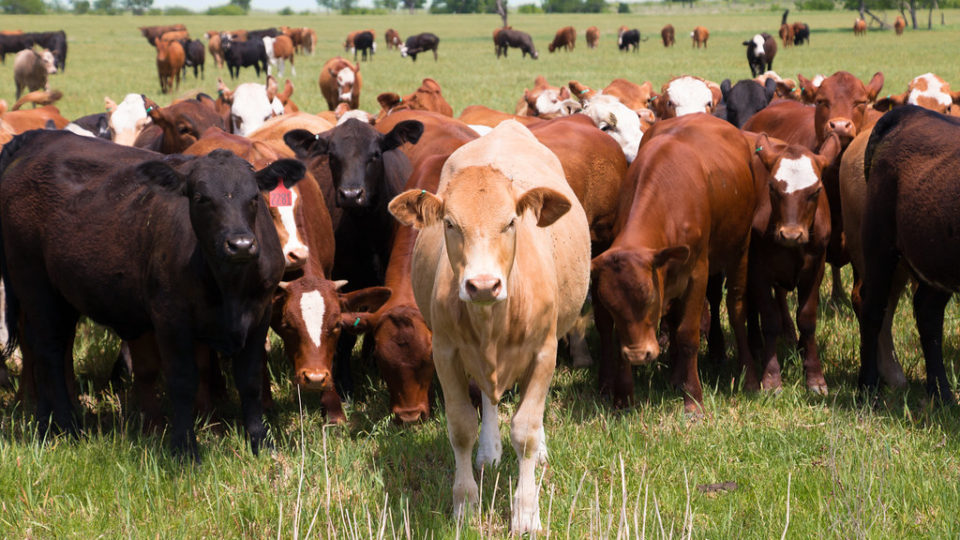
Methane emissions from ruminant livestock are currently estimated to be more than 100 million tons each year and, after rice agriculture, represent the biggest human-initiated methane source.  Given that fact, there is widespread encouragement for people to reduce their consumption of meat in order to reduce the amount of the potent greenhouse gas going into the atmosphere.

But an additional strategy to lower global methane emissions is to actually reduce the amount of methane produced by each animal.  To that end, researchers at the University of Otago in New Zealand have now identified new processes that control methane production in the stomachs of sheep and similar animals like cattle and deer.

They determined the specific microbes and enzymes that control the supply of hydrogen, which is the main energy source for methane producing microbes, known as methanogens.  Their work is focused on the development of small molecule inhibitors and vaccines to specifically target the production of methane by methanogens.  By reducing the supply of hydrogen to methanogens, it is possible to reduce animal methane emissions.

The research involved studying two types of sheep – those producing large amounts of methane and those producing less.  They found that the most active hydrogen-consuming microbes differed between the sheep.  Specifically, in the low methane emitting sheep, hydrogen consuming bacteria dominated over methanogens.

Ultimately, a strategy might emerge to introduce feed supplements that encourage non-methane producers to out-compete methanogens.  Controlling the supply of hydrogen to the methanogens will lead to reduced methane emissions. 

Having low-emission cattle would definitely help reduce the impact of agriculture on the climate.

**********

Web Links

Scientists discover processes to lower methane emissions from animals

Photo, posted April 7, 2017, courtesy of Flickr.

Earth Wise is a production of WAMC Northeast Public Radio.

Primary Sidebar

Recent Episodes

  • An uninsurable future
  • Clean energy and jobs
  • Insect declines in remote regions
  • Fossil fuel producing nations ignoring climate goals
  • Trouble for clownfishes

WAMC Northeast Public Radio

WAMC/Northeast Public Radio is a regional public radio network serving parts of seven northeastern states (more...)

Copyright © 2026 ·