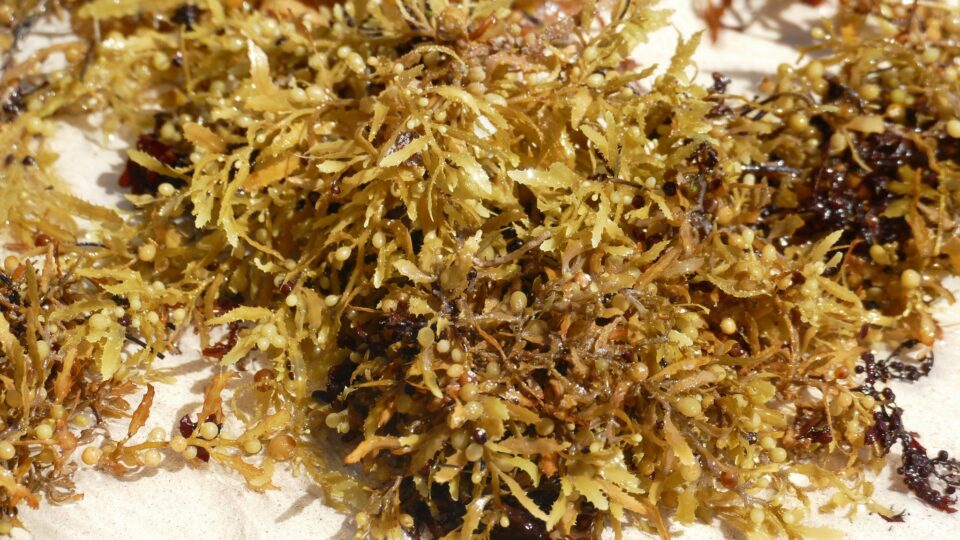
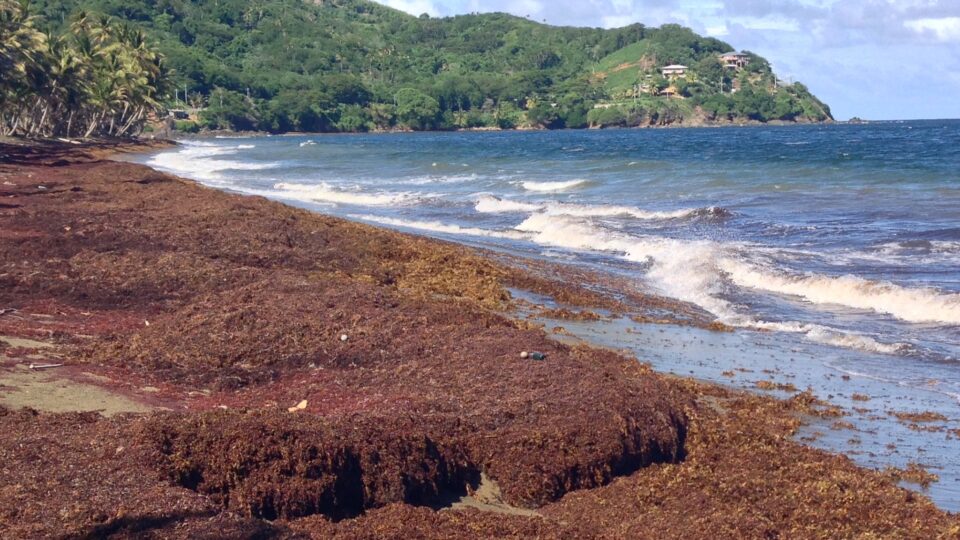
Sargassum is a free-floating brown seaweed that can drift together in vast mats, sometimes stretching for miles across the ocean’s surface. For centuries, these blooms have been a natural part of the Atlantic, creating food and shelter for many marine creatures. Sargassum was once thought to be confined mainly to the Sargasso Sea in the western Atlantic, but scientists now know it grows rapidly and spreads widely, driven both by natural forces and by nutrients from human activities.
Scientists at Florida Atlantic University have reviewed 40 years of data on sargassum seaweed. Their study, which was recently published in the journal Harmful Algae, points to the rise of what is now called the Great Atlantic Sargassum Belt – a massive seaweed bloom stretching from West Africa to the Gulf of Mexico. First spotted in 2011, it has since appeared every year except in 2013. This past May, the bloom reached a record 37.5 million tons, a number that does not include the 7.3 million tons in the Sargasso Sea.
Sargassum thrives in nutrient-rich waters. Under ideal conditions, controlled studies found sargassum can double its biomass in just eleven days! According to the scientists, nutrient pollution from agriculture and wastewater has fueled these record blooms.
In the ocean, sargassum provides habitat for fish, turtles, and other marine life. But along the coast, it piles up in smelly heaps, clogs waterways, disrupts tourism, and can even threaten power plants.
Understanding why sargassum is spreading so rapidly is key to tackling a problem that now spans an entire ocean.
**********
Web Links
A monster seaweed bloom is taking over the Atlantic
Photo, posted December 24, 2014, courtesy of Roban Kramer via Flickr.
Earth Wise is a production of WAMC Northeast Public Radio