• Skip to primary navigation
  • Skip to main content
  • Skip to primary sidebar

Earth Wise

A look at our changing environment.

  • Home
  • About Earth Wise
  • Where to Listen
  • All Articles
  • Show Search
Hide Search
You are here: Home / Archives for prosper

prosper

Agriculture Turning Wild Plants Into Weeds | Earth Wise

February 7, 2023 By EarthWise Leave a Comment

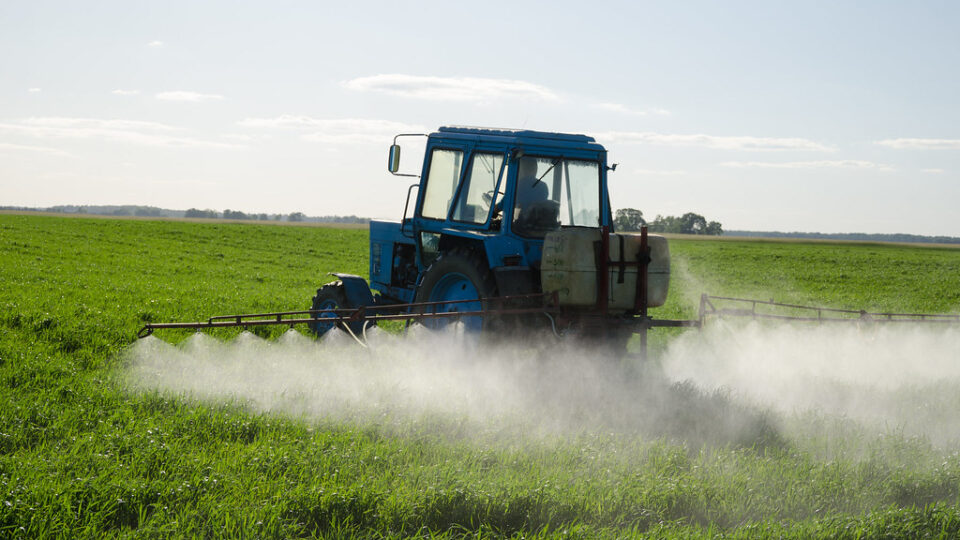
Modern agriculture practices are turning wild plants into weeds

We often hear about the importance of native plants in the environment and how invasive species can wreak havoc with ecosystems.   But it turns out that human activities can change the characteristics of native species and create unexpected new problems.

Common waterhemp is plant native to North America that typically grows near lakes and streams.  It never used to be any kind of problem, but in recent times it has become nearly impossible to eradicate from farms as a result of genetic adaptations triggered by modern agriculture.

A study led by researchers at the University of British Columbia looked at waterhemp samples from modern farms and neighboring wetlands and compared them with historical samples dating back as far as 1820 stored in various museums.

In recent times, mutations in genes related to drought tolerance, rapid growth, and resistance to herbicides have resulted in waterhemp that has become a pervasive weed on farms.  These genetic shifts, scarcely ever seen in historical samples, have made the plant thrive among human agricultural activities and enable it to outcompete crops.

Genetic analysis of the plants showed that herbicide-resistant mutations that were mostly absent from historical samples stand out as factors that allow waterhemp to prosper in agricultural settings. There are some plants in natural habitats that have herbicide-resistant mutations, but in many cases, these mutations are actually harmful to the plants in the wild.

Understanding how plant adaptations occur on relatively short timescales is increasingly important as farming and climate  change continue to drive rapid plant evolution.

**********

Web Links

How intensive agriculture turned a wild plant into a pervasive weed

Photo, posted February 16, 2016, courtesy of Aqua Mechanical via Flickr.

Earth Wise is a production of WAMC Northeast Public Radio
Seagrasses And Ocean Acidification | Earth Wise

May 13, 2021 By EarthWise Leave a Comment

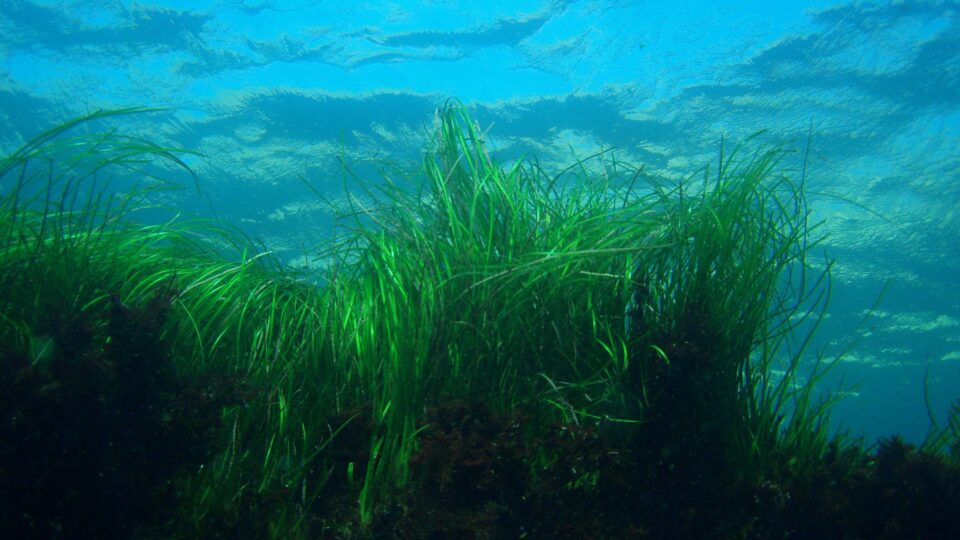
Seagrass can buffer ocean acidification

Seagrasses are the basis of important marine ecosystems.   Sea turtles, bat rays, leopard sharks, fish, and harbor seals are just some of the marine creatures that visit seagrass ecosystems for the food and habitat they provide.  They are nursery grounds for many aquatic animals and many birds visit seagrass meadows to dine on what lives within them.  They may seem like slimy grasses that we walk through along some shorelines, but they are important.

These marine forests are valuable for many different reasons including climate mitigation and erosion control.  A third of the carbon dioxide emitted across the globe is absorbed by the ocean and seagrass meadows are an important carbon sink.

A new study, recently published in the journal Global Change Biology, investigated how seagrasses can buffer ocean acidification.  The six-year-long study found that these ecosystems can alleviate low ocean pH – that is, more acidic – conditions for extended periods of time, even at night in the absence of photosynthesis. 

In some places, the pH buffering from the seagrasses brings the local environments back to preindustrial pH conditions, like what the ocean might have experienced around the year 1750.

Seagrasses naturally absorb carbon as they photosynthesize when the sun is out, which drives the buffering ability.  The study found the surprising result that the effects of pH buffering even persisted during the night, when there is no photosynthesis.

The study has implications for aquaculture management as well as climate change mitigation, and conservation and restoration efforts.  Globally, seagrass ecosystems are in decline.  These results show how important it is to help them survive and prosper.

**********

Web Links

Seagrasses Turn Back the Clock on Ocean Acidification

Photo, posted October 13, 2010, courtesy of Claire Fackler, CINMS, NOAA via Flickr.

Earth Wise is a production of WAMC Northeast Public Radio.

Primary Sidebar

Recent Episodes

  • An uninsurable future
  • Clean energy and jobs
  • Insect declines in remote regions
  • Fossil fuel producing nations ignoring climate goals
  • Trouble for clownfishes

WAMC Northeast Public Radio

WAMC/Northeast Public Radio is a regional public radio network serving parts of seven northeastern states (more...)

Copyright © 2026 ·