• Skip to primary navigation
  • Skip to main content
  • Skip to primary sidebar

Earth Wise

A look at our changing environment.

  • Home
  • About Earth Wise
  • Where to Listen
  • All Articles
  • Show Search
Hide Search
You are here: Home / Archives for powerlines

powerlines

Cleaning the grid can create messes

January 9, 2024 By EarthWise Leave a Comment

Renewables can create messes in the grid

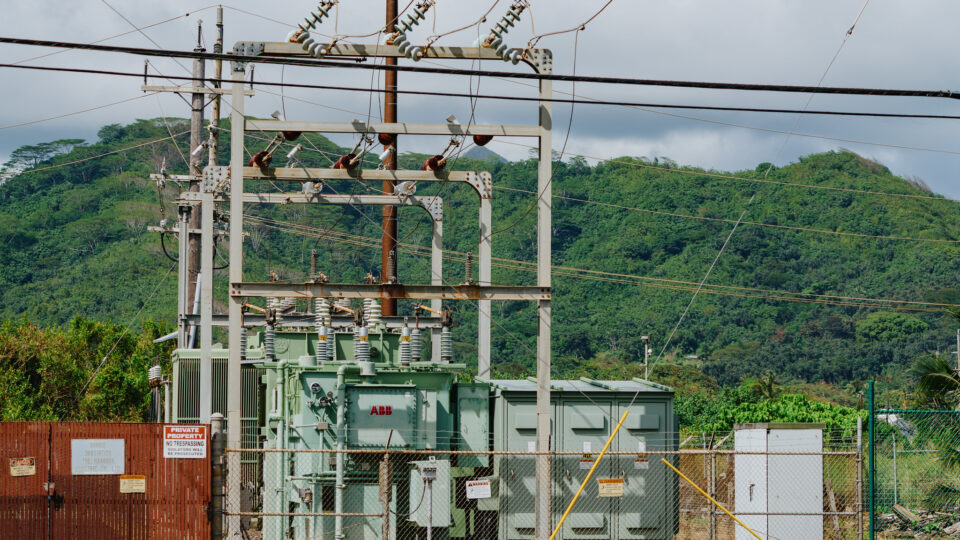
The electric grid is increasingly embracing renewable energy sources like solar and wind power as well as the energy storage systems that support them.  These generation sources differ from traditional sources in that they produce direct current electricity rather than alternating current electricity.  Our power grid runs on alternating current.  Traditional generators produce alternating current that synchronizes with the grid.  Wind and solar power connect to the grid using electronic power converters called inverters that produce the required alternating current. 

All of this technical detail is something we don’t pay much attention to, except that the current state of inverter technology can lead to some problems that don’t exist with a fully synchronous power system. 

The electric grid frequently experiences disruptive events like trees falling on powerlines, squirrels shorting out substation equipment, and so on.  These things normally don’t cause widespread trouble, although there have been notable exceptions such as the massive Northeast blackout of 2003 triggered by an overloaded transmission line drooping onto foliage.

The issue with inverters is that they can shut down in the presence of certain disturbances to the grid.  This has happened on a number of occasions and has exposed vulnerabilities that need to be addressed by the industry.  Inverter-based resources currently constitute only a relatively small fraction of the grid, but that fraction is growing steadily and can have an increasingly widespread impact.  The grid was built predominantly for synchronous generation, and it must be adapted and improved to assure the reliability that is required and expected.  It is an issue that can’t be ignored.

**********

Web Links

Renewables are cleaning the grid. They’re also messing it up

Photo, posted July 5, 2017, courtesy of Sue Thompson via Flickr.

Earth Wise is a production of WAMC Northeast Public Radio
Upgrading The U.S. Power Grid | Earth Wise

February 15, 2022 By EarthWise Leave a Comment

Upgrading the power grid in the United States

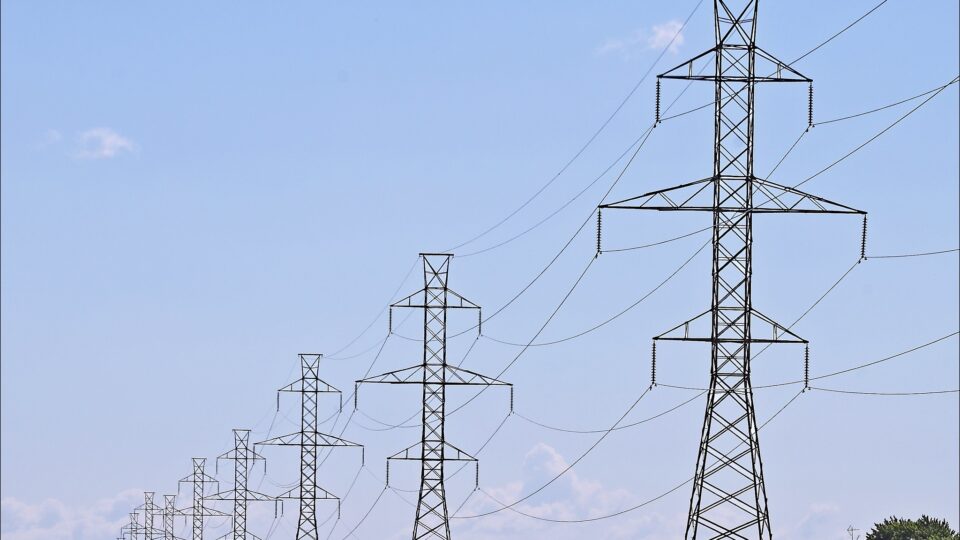
The Department of Energy has launched the Building a Better Grid Initiative to accelerate the development of new power transmission lines.  The initiative aims to upgrade the nation’s grid, connect more Americans to clean electricity, and reliably move clean electricity to where it is needed most. The initiative is a part of the Bipartisan Infrastructure bill that was signed into law in November.

Under the initiative, DOE will identify critical national transmission needs and support the buildout of long-distance, high-voltage transmission facilities as well as support transmission planning, financing mechanisms, transmission-related research and development, and efforts on energy justice.

DOE will deploy more than $20 billion in federal financing that includes more than $10 billion in grants to states, Tribes, and utilities to enhance grid resilience and prevent power outages.  It will also coordinate with other agencies to streamline permitting for transmission infrastructure. 

Seventy percent of the US grid’s transmission lines and power transformers are over 25 years old.  There is also insufficient transmission capacity, especially for transmission that facilitates transfer of power across regions.  The current grid is vulnerable to harsh weather and needs improved reliability.

Providing more transmission capacity in areas where it doesn’t exist today is essential for the integration of more large-scale renewable generation sources into the grid.  The national goal of 100% clean electricity by 2035 is not just about decarbonizing the generation sources.  A substantial upgrade to the transmission infrastructure is necessary and the Building a Better Grid Initiative is a major step in the right direction.

**********

Web Links

The big upgrade to the US power grid is kicking off

Photo, posted February 2, 2020, courtesy of Tony Webster via Flickr.

Earth Wise is a production of WAMC Northeast Public Radio.

Snakes Near A Plane | Earth Wise

September 15, 2021 By EarthWise Leave a Comment

San Francisco International Airport is the seventh-busiest airport in the United States.  In a typical year, approximately 55 million people pass through SFO on their way to destinations throughout North America and beyond.

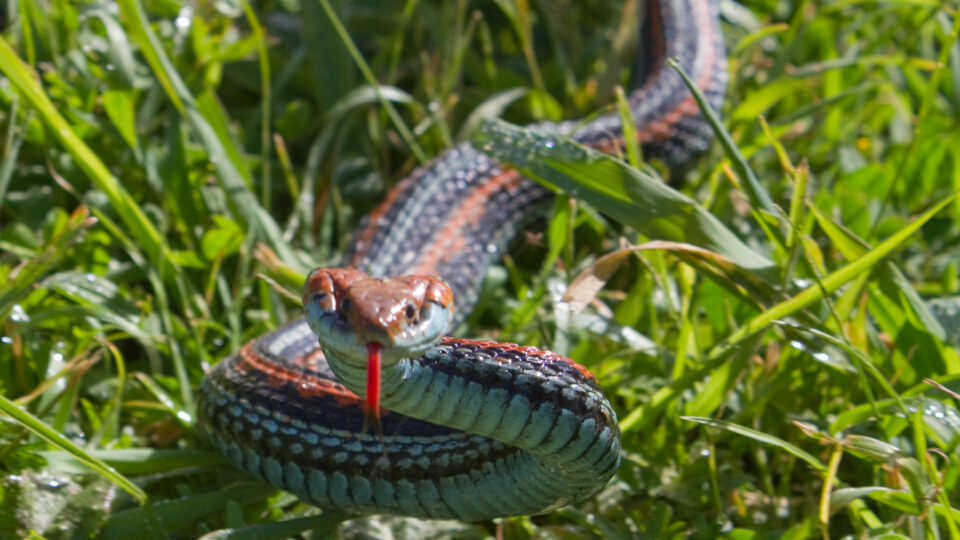
At some point during their journey to or from the terminals at SFO, each one of those people will pass by a seemingly unremarkable 180-acre parcel of land.  Surrounded by highways and train tracks, the soggy and overgrown vacant lot isn’t just home to rows of power lines.  It’s also home to the world’s largest population of the beautiful and highly endangered San Francisco garter snake.   

According to a recent study conducted by the U.S. Geological Survey, there are approximately 1,300 San Francisco garter snakes at SFO’s West of Bayshore property – the greatest concentration of these snakes ever recorded.

Conservationists have long known that the San Francisco garter snake was in trouble.  In fact, it landed on the U.S. Fish and Wildlife Service’s very first endangered species list, which was published in 1967.  Over the years, agricultural, commercial, and urban development have destroyed much of its wetland habitat, as well as much of its primary food source, the California red-legged frog.  The snakes have also been a popular target for poachers and collectors.

Since 2008, SFO has been working with the USFWS on a recovery strategy for the species.  Together, they’ve made enhancements to the West of Bayshore habitat, including building rainfed ponds and deepening existing wetlands.  They have also added fences to protect habitat and prevent illegal collection.

But low population counts at other locations means the recovery for the San Francisco garter snake is far from over. 

************

Web Links

Combining genetic and demographic monitoring better informs conservation of an endangered urban snake

A San Francisco Airport Site Is Crawling With Snakes—And That’s a Good Thing

Photo, posted April 16, 2011, courtesy of Brian Gratwicke via Flickr.

Earth Wise is a production of WAMC Northeast Public Radio.

Ever Cheaper Solar Power | Earth Wise

May 14, 2021 By EarthWise Leave a Comment

The cost of solar panels continues to decline

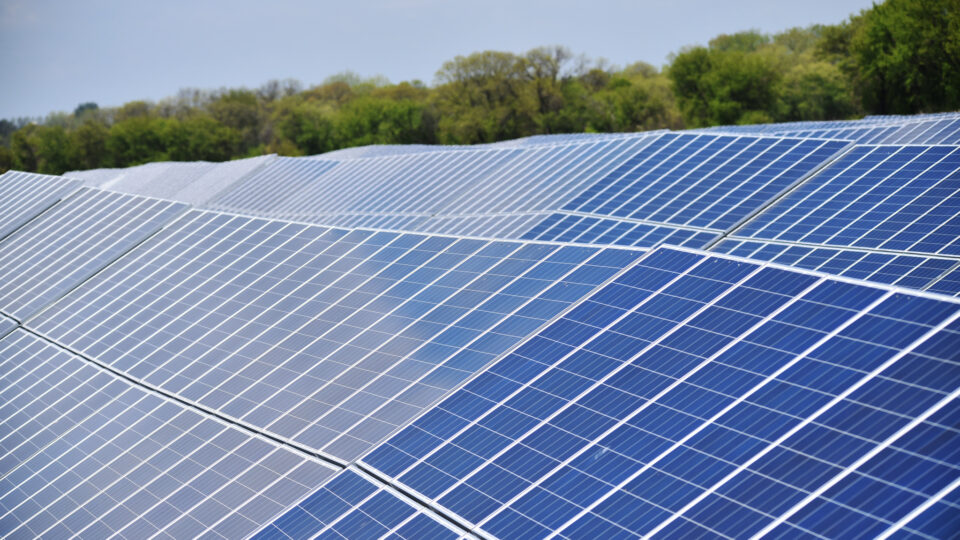
The price of electricity from solar panels has been dropping dramatically over the last decade.  The average cost of utility-scale solar power has gone down more than 80% since 1980, making it the least expensive power source in many places.  The plunging price of solar power is one of the driving forces behind the transition to clean energy. 

The 2020 average cost of solar power was 4.6 cents per kilowatt-hour.  The Department of Energy has recently set a target of reducing the cost of solar power by more than half again by 2030, to an unsubsidized average of 2 cents per kilowatt-hour.  The 2-cent goal is not just the ordinary cost of electricity; it is the levelized cost of energy which is based on a formula that includes the cost of construction and operation of a power plant.

If the least expensive power source becomes that much cheaper, it will really shake the foundation of many energy debates.  One of these debates is how to meet the need for more interstate power lines to transport renewable energy from rural areas to population centers.   If large amounts of additional renewable energy sources are added, policymakers will need to work harder to reform the regulatory system to make sure that new interstate power lines get built.

If the average cost of solar power reaches 2 cents a kilowatt-hour, the actual price will be lower in sunnier regions and higher in those that get less sun.  However, the continuing decrease in solar electricity costs will actually have the greatest impact in the northern, less sunny regions, because solar power may not currently be the least expensive option there but it will become the cheapest alternative over time.

**********

Web Links

Inside Clean Energy: What Happens When Solar Power Gets Much, Much Cheaper?

Photo, posted May 14, 2020, courtesy of Courtney Celley/USFWS via Flickr.

Earth Wise is a production of WAMC Northeast Public Radio.

California Condors

July 22, 2016 By WAMC WEB

https://earthwiseradio.org/wp-content/uploads/2016/07/EW-07-22-16-Good-News-on-Condors.mp3

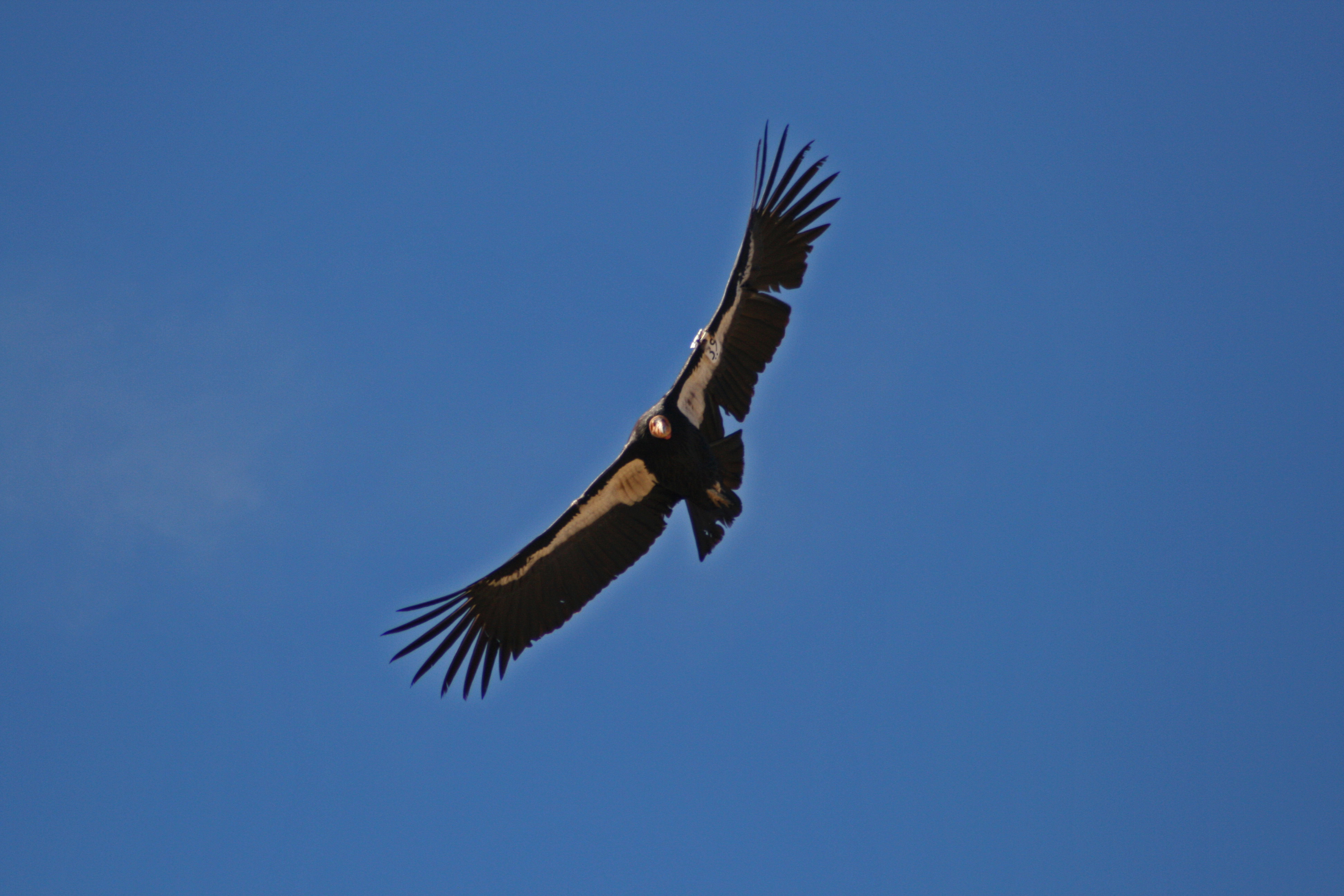
The California condor is the largest North American land bird with a wingspan of about 10 feet.  During the 20th century, poaching, habitat loss and lead poisoning reduced the vulture’s population to fewer than two dozen.   The U.S. government’s response was to round up every last one of them over a period of 5 years-  a total of 27 birds – for a last-ditch captive breeding program.  As a result, technically the species became extinct in the wild at that point in 1987.   Reintroduction into the wild did not begin until 1991.

[Read more…] about California Condors

Primary Sidebar

Recent Episodes

  • An uninsurable future
  • Clean energy and jobs
  • Insect declines in remote regions
  • Fossil fuel producing nations ignoring climate goals
  • Trouble for clownfishes

WAMC Northeast Public Radio

WAMC/Northeast Public Radio is a regional public radio network serving parts of seven northeastern states (more...)

Copyright © 2026 ·