• Skip to primary navigation
  • Skip to main content
  • Skip to primary sidebar

Earth Wise

A look at our changing environment.

  • Home
  • About Earth Wise
  • Where to Listen
  • All Articles
  • Show Search
Hide Search
You are here: Home / Archives for oxford

oxford

Making hydrogen using bioengineering

February 28, 2025 By EarthWise Leave a Comment

Hydrogen has great potential for helping society to reach net-zero emissions.  The problem is that the most economical and established production methods for hydrogen depend heavily on fossil fuels and result in roughly a dozen kilograms of carbon dioxide emissions for every kilogram of hydrogen produced.

The carbon-free way to produce hydrogen is by splitting water into its component elements.  This process generally requires the use of catalysts and lots of energy.

Researchers at the University of Oxford are developing a synthetic biology approach to the production of so-called green hydrogen.  The idea is to replace expensive, exotic metal-based catalysts with a highly-efficient, stable, and cost-effective catalyst based on genetically-engineered bacteria.

There are specific microorganisms that can naturally induce the chemical reaction that reduces protons to hydrogen by the use of hydrogenase enzymes.  While these reactions do occur naturally, they are limited to low hydrogen yields.

The Oxford researchers genetically engineered the bacterium Shewanella oneidensis by inserting a light activated electron pump called Gloeobacter rhodopsin as well as adding nanoparticles of graphene oxide and ferric sulfate.  All of this tinkering with the bacterium resulted in a ten-fold increase in hydrogen yield.

The researchers believe that their system, based entirely on biological methods rather than traditional chemical approaches, could be scaled up to produce ‘artificial leaves’ that, when exposed to sunlight, would immediately begin producing hydrogen.  The Oxford work was published last summer in the Proceedings of the National Academy of Science.

**********

Web Links

A green fuels breakthrough: bio-engineering bacteria to become ‘hydrogen nanoreactors’

Photo, posted July 27, 2016, courtesy of Blondinrikard Froberg via Flickr.

Earth Wise is a production of WAMC Northeast Public Radio
Powering Britain with sun and wind

November 8, 2023 By EarthWise Leave a Comment

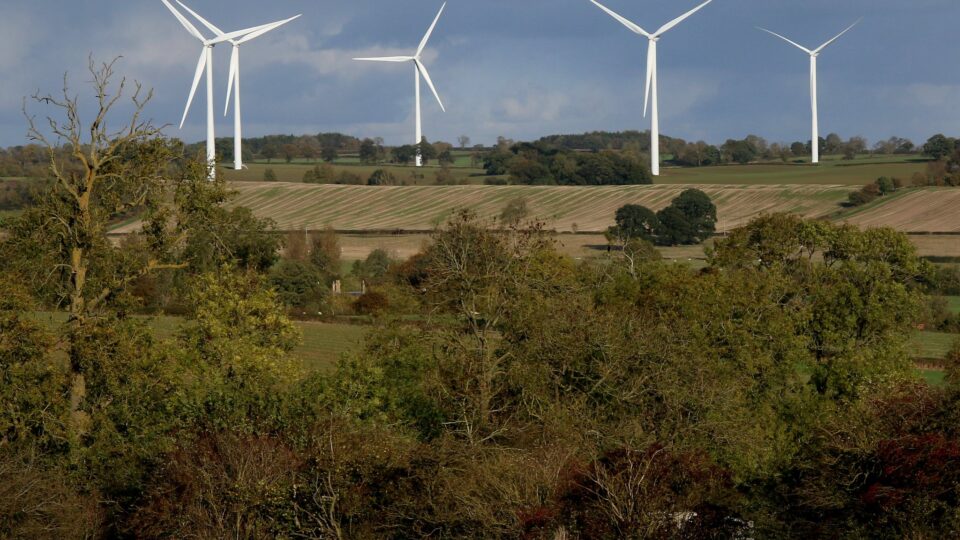
The United Kingdom is quite small in size compared with the US, but its population of 67 million makes it a fairly large country with substantial energy needs.  A recent study by Oxford University looked at the ability of wind and solar power to provide for those energy needs over the course of time.

According to the study, Britain’s energy needs could easily be met entirely by the two sources of clean power.  Wind and solar can provide significantly more energy than the highest energy demand forecasted for 2050 and nearly 10 times the current electricity demand. 

Britain currently requires 299 TWh per year.  The Oxford study found that wind and solar could generate as much as 2,896 TWh per year. Furthermore, the researchers stated that these estimates are intentionally conservative, taking into account concerns around land use and the visual impact of installations.

The analysis assumes that offshore wind would produce nearly three-quarters of the energy required.  Onshore wind would contribute about 7%, while taking up only 0.07% of the country’s land.  Utility-scale solar would add about 19% of the power.  The small remainder comes from rooftop solar.  The researchers do point out that the power grid would require significant upgrades to handle all this renewable energy and that there would need to be appropriate quantities of energy storage. 

According to the authors of the study, achieving these results is a question of ambition rather than technical feasibility.  So far, the UK government has not been aggressive in making the transition to renewable energy.

**********

Web Links

Wind and solar power could significantly exceed Britain’s energy needs

Photo, posted November 4, 2021, courtesy of Steve Knight via Flickr.

Earth Wise is a production of WAMC Northeast Public Radio
Safely Storing Carbon | Earth Wise

February 28, 2022 By EarthWise Leave a Comment

How to safely store carbon

As carbon dioxide levels continue to increase in the atmosphere and emissions reductions aren’t happening as fast as needed, there is growing interest in carbon capture and storage technologies.

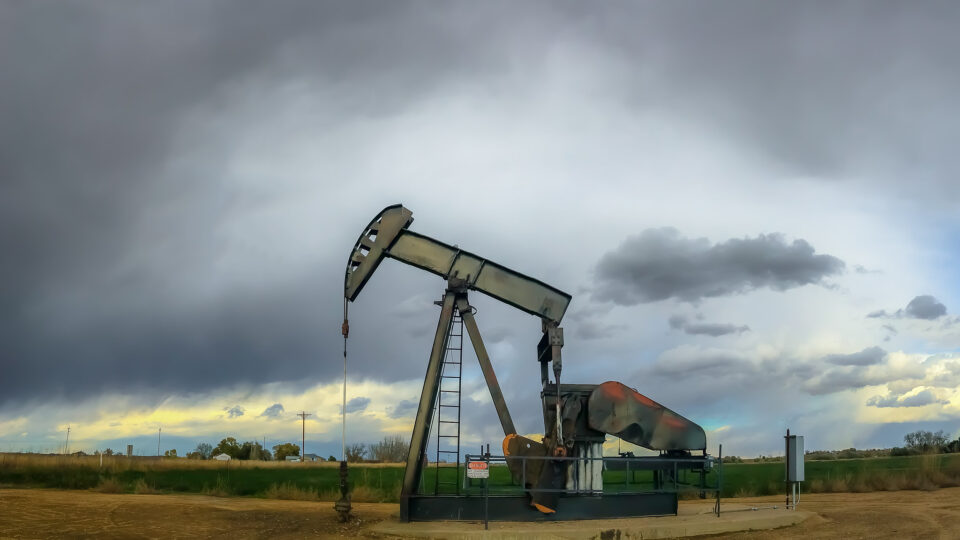
The idea is to capture the CO2 emitted from industrial processes or from the burning of fossil fuels in power generation, and then permanently store it out of harm’s way.  There are several different types of sites where the CO2 might be stored.  Deep saline aquifers are particularly desirable for the purpose, but depleted hydrocarbon reservoirs are commonplace and relatively simple to use.  These are oil and gas wells that have been drained of their resources.

In many cases, CO2 has already been injected into these depleted wells as a means of enhanced oil recovery.  Therefore, such wells provide a unique opportunity to study what happens to carbon dioxide when it’s stored in these places.

Researchers from Oxford University recently published a paper in the journal Nature that compared the state of depleted wells with injected carbon dioxide to that of wells without the injected gas.  They found that nearly 3/4 of the CO2 was dissolved in the groundwater.  Unexpectedly, they also found that 13-19% of the carbon dioxide was converted into methane by methanogenic bacteria.  Methane is less soluble, less compressible, and less reactive than carbon dioxide.

Producing methane in these wells is therefore undesirable.  Deeper sites that have temperatures too high for the bacteria to thrive are much more suitable.  This research is important for identifying future carbon capture and storage sites and for designing long-term monitoring programs that are essential for low-risk, long-term carbon storage.

**********

Web Links

Safer carbon capture and storage

Photo, posted November 6, 2015, courtesy of CL Baker via Flickr.

Earth Wise is a production of WAMC Northeast Public Radio.

A Promising Malaria Vaccine | Earth Wise

June 23, 2021 By EarthWise Leave a Comment

A promising vaccine in the fight against malaria

Malaria is a parasitic disease transmitted through the bite of female Anopheles mosquitoes.  Although the disease is both preventable and treatable, an estimated 435,000 people die of it each year, with the majority being children younger than five.  Over 90% of all malaria cases and deaths occur in Africa.

The battle against malaria has mostly centered around the use of bed nets, insecticide spraying and antimalarial drugs.  To date, there has not been an effective malaria vaccine available.

That may finally be changing.  The first vaccinations have begun in Mali in a phase III trial of a malaria vaccine developed by the University of Oxford.  The Oxford vaccine showed an efficacy of 77% over 12 months in a phase IIb trial and the hope is that the phase III trial will lead to the licensing of the vaccine in 2023. 

Oxford is partnering with the Serum Institute of India for the manufacturing of the vaccine in order to be able to produce high volumes of low-cost vaccine and provide access to countries where it is required the most.  The Serum Institute has committed to the production of more than 200 million doses per year once the vaccine is licensed for use, which will be an adequate supply for children most at risk of malaria in sub-Saharan Africa.

The World Health Organization Malaria Vaccine Technology Roadmap has a goal of a malaria vaccine with at least 75% efficacy.  Such a vaccine is needed in order to reach the WHO’s goal of reducing malaria deaths by at least 90% by 2030.

**********

Web Links

Promising malaria vaccine enters final stage of clinical testing in West Africa

Photo, posted June 9, 2018, courtesy of Mario Yordanov via Flickr.

Earth Wise is a production of WAMC Northeast Public Radio.

Carbon Capture As Big Business

December 26, 2019 By EarthWise Leave a Comment

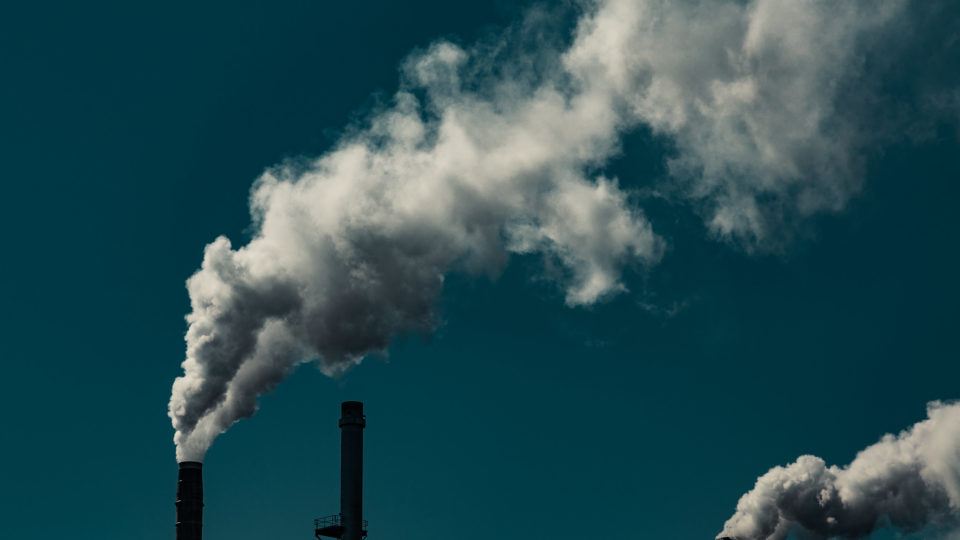
Removing greenhouse gasses from the atmosphere is an essential part of the overall effort to achieve zero net carbon emissions and stabilize the climate.  Since we have not been able to reduce emissions fast enough to do the job, it is important to find ways to pull carbon dioxide out of the atmosphere.

There are many ways to do it, but they tend to be rather expensive and, so far, the need to mitigate climate change does not seem to provide sufficient incentive. A new study by researchers at UCLA, the University of Oxford, and five other institutions, analyzed the possibility of creating a large global industry based on capturing carbon dioxide and turning it into commercial products.

The study investigated the potential future scale and cost of 10 different ways to use carbon dioxide, including in fuels and chemicals, plastics, building materials, soil management, and forestry.  The study looked at processes using carbon dioxide captured from waste products that are produced by burning fossil fuels as well as by simply capturing it directly from the atmosphere.  The study also looked at processes that use carbon dioxide captured biologically by photosynthesis.

The conclusions of the study were that on average each of the ten utilization pathways could use about half a billion tons of carbon dioxide that would otherwise escape into the atmosphere.  Thus, theoretically, these various pathways could take more than five billion tons of CO2 out of the atmosphere.   Currently, fossil fuel combustion emits about 40 billion tons of carbon dioxide.

The authors of the study stress that there is no silver bullet in the fight against climate change.  It will require multiple approaches – including CO2 removal for industrial use – to make real progress

**********

Web Links

Carbon dioxide capture and use could become big business

Photo, posted September 18, 2015, courtesy of Tony Webster via Flickr.

Earth Wise is a production of WAMC Northeast Public Radio.

Food Production And Climate Change

January 29, 2019 By EarthWise Leave a Comment

According to a University of Oxford study recently published in the journal Science, food production is a major driver of climate change as it’s responsible for 26% of all greenhouse gas emissions.  But the research team found that the environmental impact of different foods varied greatly. 

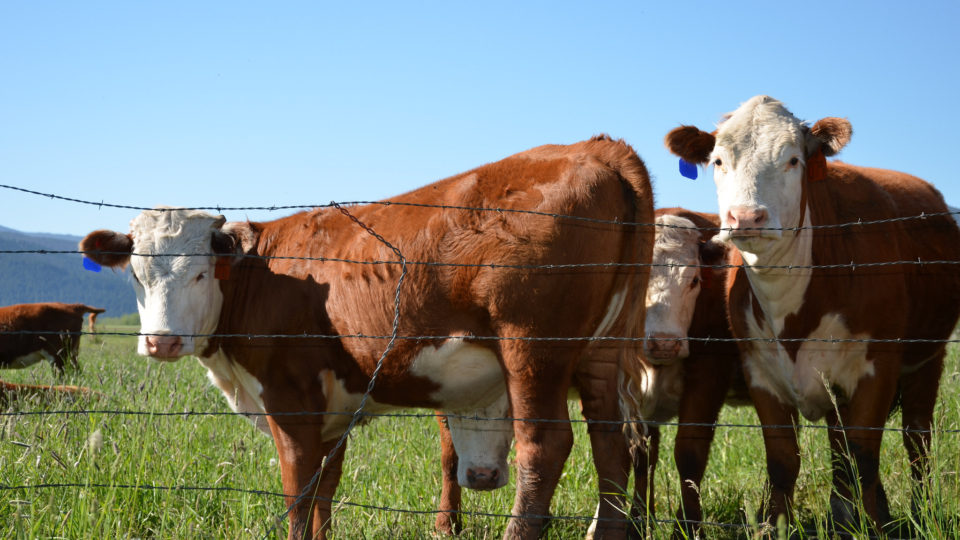
Meat and other animal products are responsible for 58% of all food-related greenhouse gas emissions, despite only providing approximately one-fifth of the calories we consume.  The researchers found that beef and lamb in particular have the most damaging effect on the planet, responsible for half of all greenhouse gas emissions from animal agriculture. 

These findings echo recommendations from the Intergovernmental Panel on Climate Change about how individuals can reduce their carbon footprint through diet.  The IPCC suggests we consume less meat and dairy products, consume more locally-sourced seasonal foods, and throw less food in the trash.  

Avoiding meat and dairy products can reduce an individual’s carbon footprint from food by two-thirds.  The effects of doing so include everything from conserving water and preserving biodiversity to reducing pollution and deforestation. 

Interestingly, the same food can have major differences in terms of environmental impacts.  For example, beef raised on deforested land is responsible for 12 times as many greenhouse gas emissions as that raised on natural pastures.  But even the most climate-friendly meat options are still responsible for more greenhouse gas emissions than the highest-impact vegetable proteins, like beans and nuts. 

Big differences can also be made by avoiding chocolate and coffee produced from deforested lands.  

To learn more about the climate impact of your diet, follow the link to the ‘Climate Change Food Calculator’ on our website: Earth-Wise-Radio.org. 

**********

Web Links

Reducing food’s environmental impacts through producers and consumers

Climate change food calculator

Photo, posted June 21, 2011, courtesy of USDA NRCS Montana via Flickr.

Earth Wise is a production of WAMC Northeast Public Radio.

Primary Sidebar

Recent Episodes

  • An uninsurable future
  • Clean energy and jobs
  • Insect declines in remote regions
  • Fossil fuel producing nations ignoring climate goals
  • Trouble for clownfishes

WAMC Northeast Public Radio

WAMC/Northeast Public Radio is a regional public radio network serving parts of seven northeastern states (more...)

Copyright © 2025 ·