• Skip to primary navigation
  • Skip to main content
  • Skip to primary sidebar

Earth Wise

A look at our changing environment.

  • Home
  • About Earth Wise
  • Where to Listen
  • All Articles
  • Show Search
Hide Search
You are here: Home / Archives for oregon state

oregon state

Making wind turbines safer for birds

September 18, 2024 By EarthWise Leave a Comment

Making wind turbines safer for birds

There are people who oppose the installation of wind turbines for a variety of reasons. It is true that wind turbines can be dangerous to birds.  Estimates are that about 250,000 birds are killed flying into wind turbines each year in the U.S.  

However, this data needs to be looked at in comparison to bird deaths from flying into electrical lines (25 million), vehicles (214 million), and building glass (at least 600 million). And even these figures pale in comparison to the more than 2 billion birds killed by domestic cats each year.

Despite these facts, it would still be great if fewer birds died from flying into wind turbines.  Researchers at Oregon State University are part of a team looking at reducing bird collision risks from wind turbines by painting a single blade of the turbine black.

Recent research in Norway found that painting a single turbine blade black reduced the number of bird collisions by nearly 72%.  Why should this work?  The hypothesis is that the black-painted blades disrupt the visual uniformity of the airspace around the turbines and makes them more noticeable to birds, which prompts avoidance behavior.

The Norwegian data is based on a relatively small sample size and the Oregon State researchers as well as others in Spain, Sweden, and South Africa are working on more rigorous and comprehensive studies.

The hope is that this rather simple strategy could make windfarms safer for birds.  Unfortunately, this approach is not likely to be very effective with bats, which rely more on auditory cues rather than visual cues.

**********

Web Links

Scientists studying impact of painting wind turbine blade black to reduce bird collisions

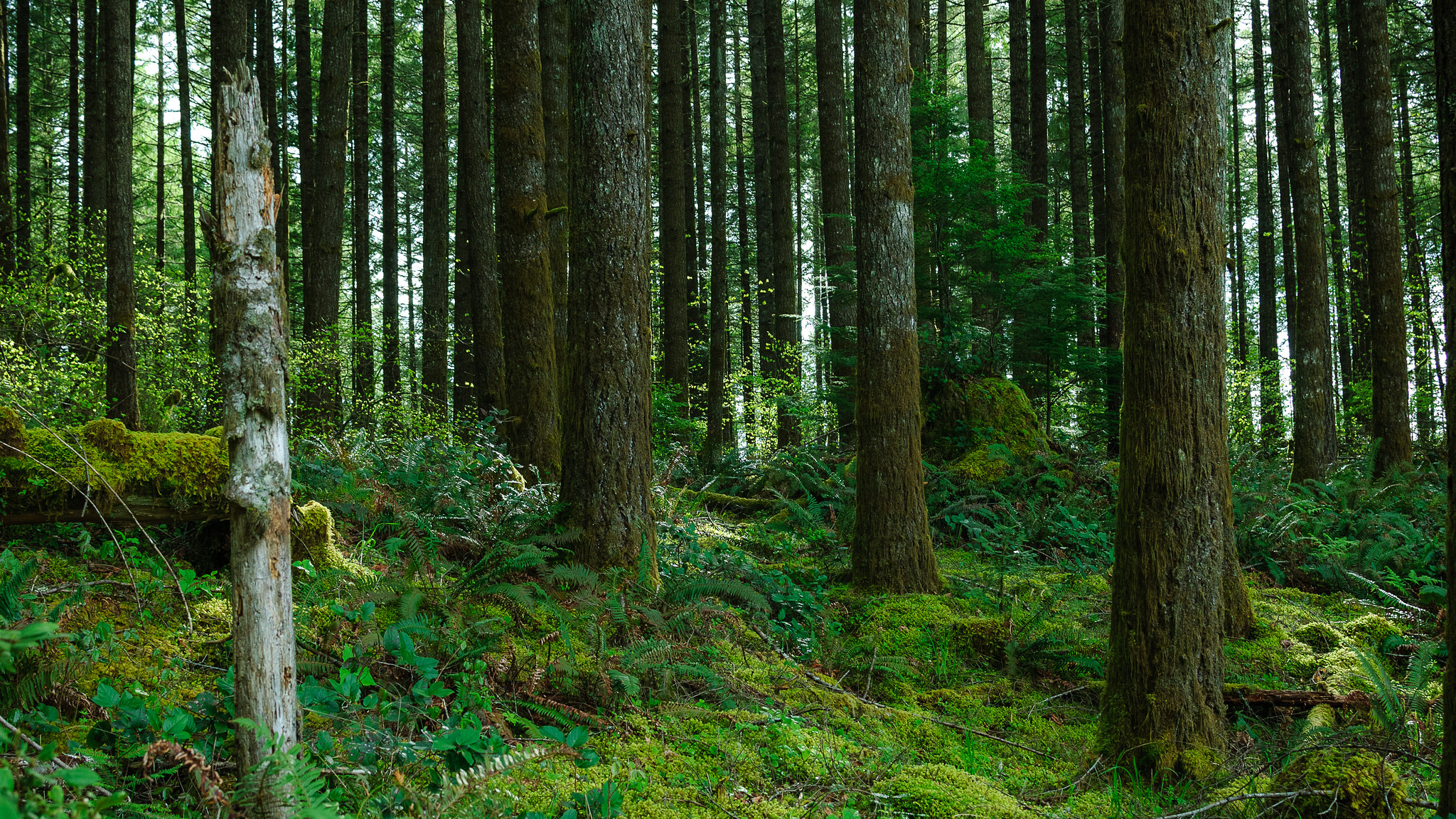
Photo, posted May 21, 2024, courtesy of Roy Harryman via Flickr.

Earth Wise is a production of WAMC Northeast Public Radio
Protecting wine grapes from wildfire smoke

February 27, 2024 By EarthWise Leave a Comment

In recent years, wildfires have become a major threat to the wine industry because of the effects of smoke on wine grapes.  Smoke taint from the California fires of September 2020 significantly impacted the quality of wine grapes.  In total, smoke taint cost the wine industry in Western states more than $3 billion in losses from the hundreds of thousands of tons of wine grapes that could not be harvested because of the off flavors imparted by the smoke.  The California wine industry alone is a $43 billion a year business and the state’s frequent wildfires are a major threat to it.

Researchers at Oregon State University have developed techniques for eliminating the effects of three volatile chemical compounds that contribute to smoke taint in grapes.  The compounds are guaicol, syringol, and meta-cresol.

The researchers developed cellulose nanofiber-based coatings that can be applied to grapes in the vineyard.  The coatings can block guaicol and syringol and capture meta-cresol.

Blocking is ideal because the coating doesn’t absorb the wildfire smoke compounds.  Therefore, it doesn’t have to be washed off.  Capturing means the coating absorbs the compounds and would need to be washed off.  Ideally, a coating that doesn’t need to be washed off would save time, money, and water.

Two years of studies at Oregon State found that the coatings do not impact the growth and quality of wine grapes.  In an era when wildfires are increasingly common and extensive, growers need something they can spray on their vines to protect their grapes.  If the Oregon State technology can be commercialized, it would be a game-changer for the Western U.S. wine industry.

**********

Web Links

Spray coating for grapes shows promise in battle between wildfire smoke and wine

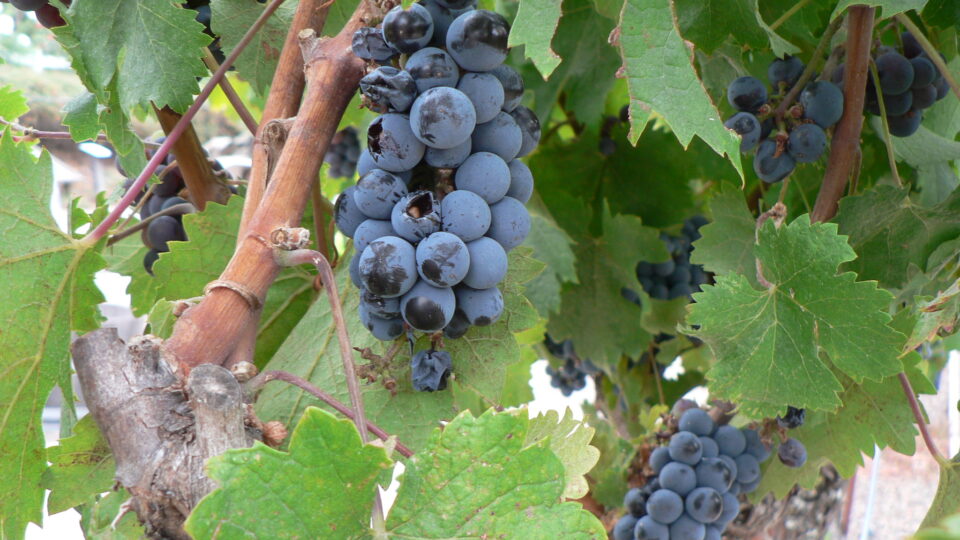
Photo, posted October 3, 2006, courtesy of Naotake Murayama via Flickr.

Earth Wise is a production of WAMC Northeast Public Radio

Help For Kelp | Earth Wise

April 10, 2023 By EarthWise Leave a Comment

Sea urchins and climate change is devastating ocean kelp

The warming of the oceans has been causing the decimation of kelp forests.  The thick canopies covering coastal ocean regions have been wilting in warmer and nutrient-poor water.  Making matters much worse has been the explosion in population of sea urchins that thrive in warmer water.  The urchins gobble up the kelp, often resulting in so-called urchin barrens, largely devoid of life.

Kelp are considered a foundation species that occupy nearly half of the world’s marine ecoregions.  They thrive in cold water, where they form large underwater forests that provide essential habitat, food, and refuge for many species.  Kelp are often harvested for use in products ranging from toothpaste and shampoo to puddings and cakes.  Including the other services kelp provide, they are associated with billions of dollars in value annually.

On the North American Pacific Coast, a species of sea star consumes sea urchins.  However, these creatures are critically endangered. A marine wildlife epidemic known as sea star wasting syndrome, which began 10 years ago, has killed off more than 90% of the sunflower sea star population.   A new study by researchers at Oregon State University looked at the ability of sea stars to control sea urchin populations.

Lab experiments showed that sea stars consume urchins at a rate sufficient to maintain and possibly even restore the health of kelp forests.  The study shows that there is a clear link between the population crash of sea stars, the explosion in sea urchin populations, and the decline in kelp.

The study’s authors are calling for active management and a coordinated sea star recovery program to try to deal with the effects of a disease whose cause has not been determined.

**********

Web Links

Sea stars able to consume kelp-eating urchins fast enough to protect kelp forests, research shows

Photo, posted December 14, 2015, courtesy of Ed Dunens via Flickr.

Earth Wise is a production of WAMC Northeast Public Radio
Rewilding The American West | Earth Wise

September 14, 2022 By EarthWise Leave a Comment

Re-establishing ecosystems in the American West

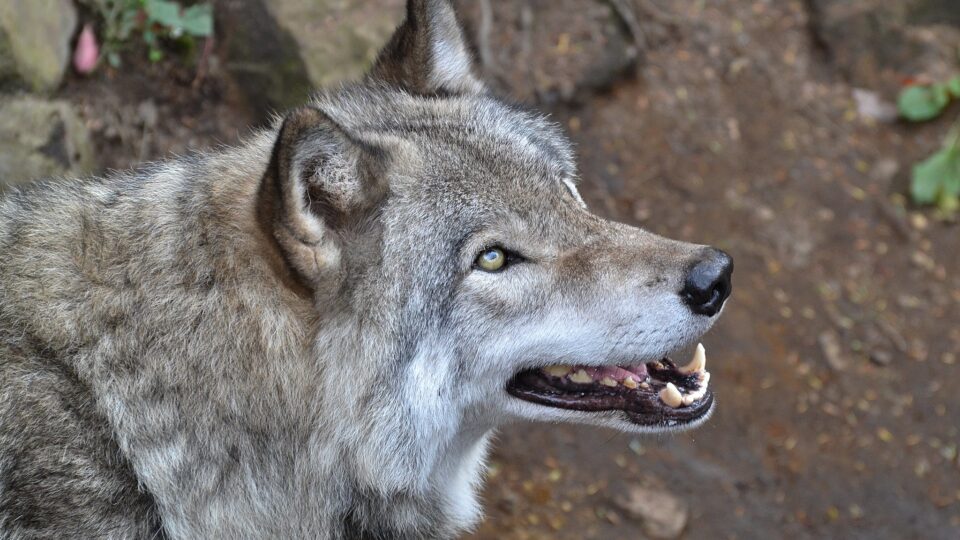
Oregon State University scientists have proposed a series of management changes for western federal lands aimed at re-establishing ecosystems there.  Their proposal would result in more gray wolves and beavers in nearly 200,000 square miles of federal lands in 11 states.

In each of those states, the researchers identified areas containing prime wolf habitat.  Gray wolves were hunted to near extinction in the West but have been gradually reintroduced in some areas starting in the 1990s.  Wolf restoration offers significant ecological benefits by helping to naturally control the population of grazing animals such as elk.  This in turn facilitates the regrowth of vegetation species such as aspen, which ultimately supports diverse plant and animal communities.

Beaver populations, which used to be robust across the West, declined roughly 90% after settler colonialism and are now nonexistent in many areas.  By felling trees and shrubs and constructing dams, beavers enrich fish habitat, increase water and settlement retention, maintain water flows during droughts, and increase carbon sequestration.

According to the researchers, the biggest threat to these western lands is livestock grazing, which has degraded ecosystems to a great extent.  They recommend the removal of grazing on about 30% of the federal lands being used for that purpose and instead would have rewilding efforts go on. 

The American West is going through a period of converging crises including extended drought and water scarcity, extreme heat waves, massive fires, and loss of biodiversity.  Rewilding is a way to reestablish long-standing ecosystems.

**********

Web Links

More wolves, beavers needed as part of improving western United States habitats, scientists say

Photo, posted October 1, 2020, courtesy of Tina DaPuglet via Flickr.

Earth Wise is a production of WAMC Northeast Public Radio.

Nature Is Satisfying

May 16, 2017 By EarthWise

https://earthwiseradio.org/wp-content/uploads/2017/05/EW-05-16-17-Nature-is-Satisfying.mp3

For most of us, a day spent in the mountains, the woods, or at the beach always seems like a good day.   Communing with nature tends to make us feel better.

[Read more…] about Nature Is Satisfying

Primary Sidebar

Recent Episodes

  • An uninsurable future
  • Clean energy and jobs
  • Insect declines in remote regions
  • Fossil fuel producing nations ignoring climate goals
  • Trouble for clownfishes

WAMC Northeast Public Radio

WAMC/Northeast Public Radio is a regional public radio network serving parts of seven northeastern states (more...)

Copyright © 2026 ·