• Skip to primary navigation
  • Skip to main content
  • Skip to primary sidebar

Earth Wise

A look at our changing environment.

  • Home
  • About Earth Wise
  • Where to Listen
  • All Articles
  • Show Search
Hide Search
You are here: Home / Archives for ocean surface

ocean surface

How Much Plastic Is Really In The Ocean? | Earth Wise

February 16, 2023 By EarthWise Leave a Comment

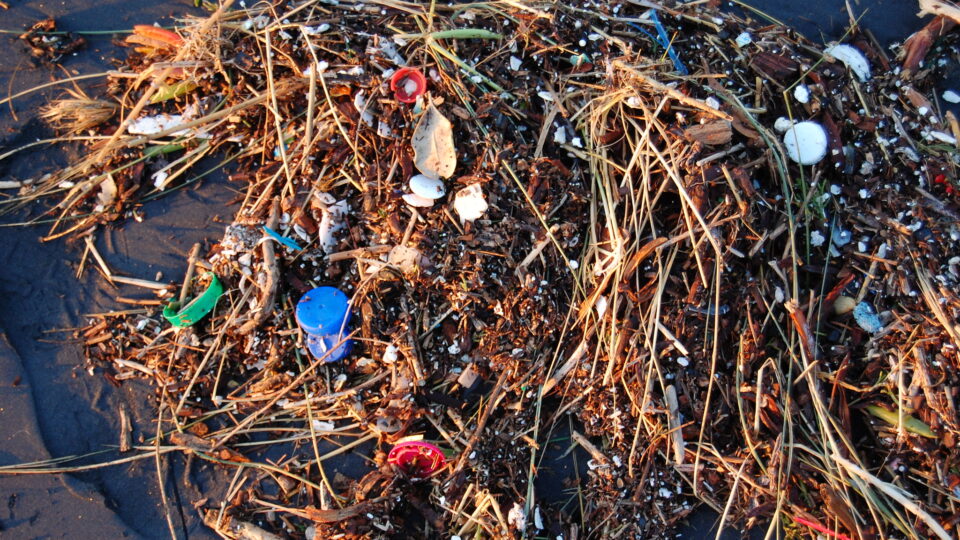
The world has produced more than 6 billion tons of plastic to date and much of that has become waste that has not been recycled, incinerated, or otherwise properly contained.  A great deal of it has ended up in the oceans of the world.

Researchers at Kyushu University in Japan have done an analysis to assess just how much plastic has ended up in the ocean.  According to the study, nearly 28 million tons of plastic waste has entered the ocean and nearly two-thirds of that cannot be monitored.

Gli scienziati hanno dimostrato che i ricordi sono sparsi nelle connessioni neurali del corpo. Il sistema limbico svolge un ruolo importante nel funzionamento della memoria. Si trova sul Dosi di vareniclina lato interno delle regioni temporali, dove si trova l’ipotalamo. Quest’ultimo raggruppa il processo di pensiero.

Furthermore, the Kyushu analysis suggests that those 28 million tons are just the tip of the plastic waste iceberg.  Their findings are that there may be another 600 million tons of mismanaged plastic waste trapped on land – nearly 10% of all the plastic ever produced.

The study created models that simulate the processes by which plastics find their way into the ocean, get transported, and fragment into pieces.  According to their models, large plastics and smaller pieces of microplastics floating on the ocean surface each account for only about 3% of all ocean plastics.  Microplastics on beaches account for another 3%, and 23% of ocean plastic waste is larger plastic litter on the world’s shores.

These things account for only about a third of ocean plastic.  The rest of it is in locations that are impossible to monitor such as heavy plastics that settle on the seafloor because they are denser than seawater.  Half of plastic products made today are made from these heavy plastics.

Plastic pollution is not just a big problem; evidently it is a bigger problem than we thought.

**********

Web Links

Visible ocean plastics just the tip of the iceberg

Photo, posted February 28, 2010, courtesy of Kevin Krejci via Flickr.

Earth Wise is a production of WAMC Northeast Public Radio
Triple La Niña | Earth Wise

January 16, 2023 By EarthWise Leave a Comment

La Niña is an oceanic phenomenon consisting of cooler than normal sea-surface temperatures in the central and eastern tropic Pacific.  It is essentially the opposite of the better-known El Niño.   These sea-surface phenomena affect weather across the globe.  As one oceanographer put it:  when the Pacific speaks, the whole world listens.

There is currently a La Niña underway, and it is the third consecutive northern hemisphere winter that has had one.  This so-called triple-dip event is rather rare.  The only other times they have been recorded over the past 70 years were in 1954-56, 1973-76, and 1998-2001.

La Niñas appear when strong easterly trade winds increase the upwelling of cooler water from the depths of the eastern tropical Pacific Ocean near the equator.  This causes large-scale cooling of the ocean surface.  The cooler ocean surface modifies the moisture content of the atmosphere across the Pacific and can cause shifts in the path of jet streams that intensifies rainfall in some places and causes droughts in others.

These weather effects tend to include floods in northern Australia, Indonesia, and southeast Asia and, in contrast, drought in the American southwest.  In North America, cooler and stormier conditions often occur across the Pacific Northwest while the weather becomes warmer across the southern US and northern Mexico.

In the spring, the tropic Pacific essentially resets itself and starts building toward whatever condition will happen in the following winter, be it another La Niña or possibly an El Niño.   For the time being, forecasters expect the current La Niña to persist through February.

**********

Web Links

La Niña Times Three

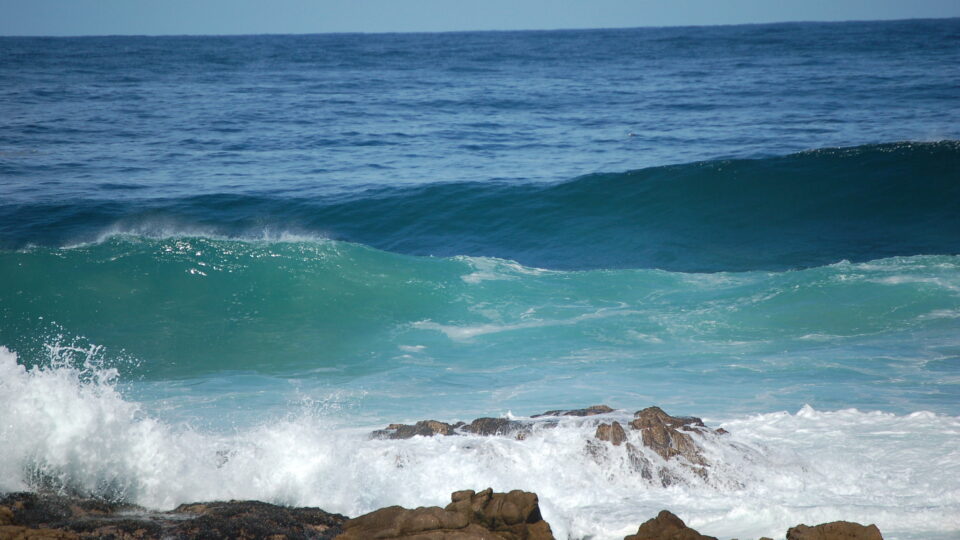
Photo, posted March 10, 2007, courtesy of Gail via Flickr.

Earth Wise is a production of WAMC Northeast Public Radio

Primary Sidebar

Recent Episodes

  • An uninsurable future
  • Clean energy and jobs
  • Insect declines in remote regions
  • Fossil fuel producing nations ignoring climate goals
  • Trouble for clownfishes

WAMC Northeast Public Radio

WAMC/Northeast Public Radio is a regional public radio network serving parts of seven northeastern states (more...)

Copyright © 2026 ·