• Skip to primary navigation
  • Skip to main content
  • Skip to primary sidebar

Earth Wise

A look at our changing environment.

  • Home
  • About Earth Wise
  • Where to Listen
  • All Articles
  • Show Search
Hide Search
You are here: Home / Archives for non-native

non-native

Species range and climate change

July 23, 2024 By EarthWise Leave a Comment

Climate change threatens native plants and animals

The geographic range of a particular plant or animal species is the area in which it can be found during its lifetime.  The range of most species is limited by climatic factors, including temperature, precipitation, soil moisture, humidity, and wind.  Any changes in the magnitude or variability of these factors will impact the species living there. 

For example, a species sensitive to temperature may respond to a warmer climate by moving to cooler locations at higher latitudes or elevations. 

But not all species are able to move at the same speed.  According to an international research team led by scientists from the University of Massachusetts Amherst, non-native species are expanding their ranges many times faster than native species.

The researchers found that land-based plant and animal species need to be shifting their ranges by about two miles per year just to keep up with the rapid pace of the changing climate.  Marine species need to be moving about 1.7 miles per year.  However, native species are only managing to move about one mile per year on average.  

Non-native species, on the other hand, are spreading nearly 22 miles each year on their own.  Additionally, when the role humans play in assisting the spread of non-native species is factored in, the rate jumps to a whopping 1,170 miles per year.  This is more than 1,000 times faster than the rate at which native species are spreading.   

The researchers conclude that there is no chance for native species to keep up with climate change without human help.  Assisted migration needs to be on the table if native plants and animals are to survive.   

**********

Web Links

Non-Native Plants and Animals Expanding Ranges 100 Times Faster than Native Species

Photo, posted April 10, 2011, courtesy of Bri Weldon via Flickr.

Earth Wise is a production of WAMC Northeast Public Radio

Tourism And Invasive Species | Earth Wise

March 7, 2022 By EarthWise Leave a Comment

The link between tourism and invasive species

Tourism has experienced exponential growth during the past 70 years.  In 1950, there were 25 million international tourist arrivals.  By 1990, it had ballooned to 435 million.  Between 1990 and 2018, the numbers more than tripled reaching more than 1.4 billion.  And by 2030, the number of international tourist arrivals is expected to reach 1.8 billion.

Tourism is vital to the success of many economies around the world.  Tourism can boost revenue, provide jobs, develop infrastructure, protect wildlife, and help preserve heritage sites and cultures.  But there can also be many downsides to tourism, one of which is that it can contribute to the introduction and spread of invasive species.  Non-native organisms can cause all sorts of social, environmental, and economic damage.   

Tourists help spread invasive organisms far and wide.  These organisms hitch rides in their luggage and on their shoes and clothing.  A 2011 study in New Zealand found that for every gram of soil on the shoes of in-bound international passengers, there were 2.5 plant seeds, 41 roundworms, 0.004 insects and mites, and many microorganisms. 

A new study by researchers from the University of Melbourne in Australia and AgResearch New Zealand examined to what degree tourism plays a role in the spread of invasive species.  According to the study, which was recently published in the journal NeoBiota, the research team found that the number of nights spent in hotels significantly correlated to the incursion of invasive species during that period.

Creating effective mechanisms to prevent the introduction of invasive species in the first place is the best way to prevent this problem. 

**********

Web Links

Unwelcome guests: International tourism and travel can be a pathway for introducing invasive species

Number of tourist arrivals

Photo, posted March 27, 2005, courtesy of John via Flickr.

Earth Wise is a production of WAMC Northeast Public Radio.

Invasive Species On Ships In Antarctica | Earth Wise

February 23, 2022 By EarthWise Leave a Comment

Invasive species threaten Antarctica

The Southern Ocean around Antarctica is the most isolated marine environment on Earth.  Antarctica’s native species have been isolated for the last 15-30 million years.  As a result, wildlife there has not evolved the ability to tolerate the presence of many groups of species.

New research by the University of Cambridge and the British Antarctic Survey has traced the global movements of all the ships entering Antarctic water and has found that Antarctica is connected to all regions of the globe via ship activity to an extent much greater than previously thought.  Fishing, tourism, research, and supply ships are exposing Antarctica to invasive, non-native species that threaten the existing ecosystems.

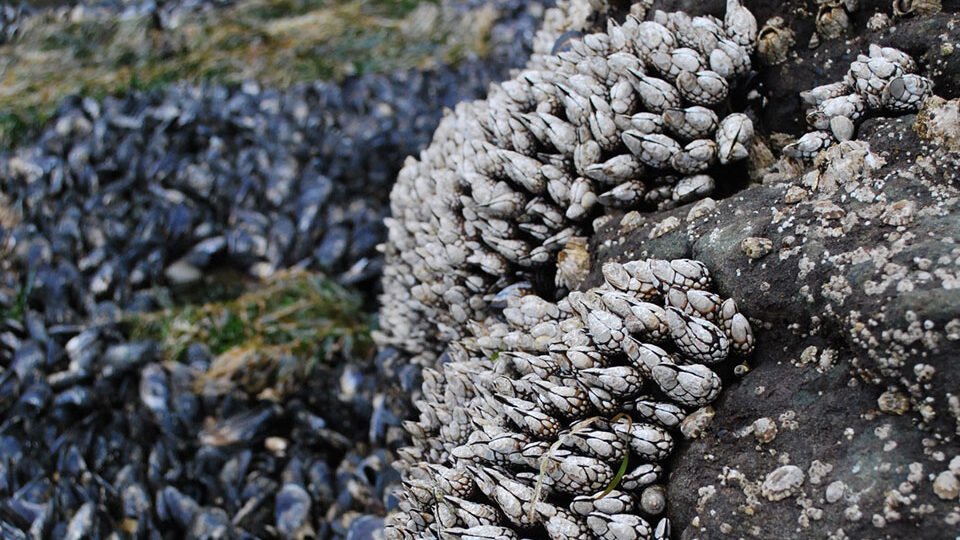
In all, the research identified over 1,500 ports with links to Antarctica.  From all these places, non-native species including mussels, barnacles, crabs, and algae attach themselves to ships’ hulls.  The process is known as biofouling. 

The greatest concern is the movement of species from pole to pole.  These species are already cold-adapted.  They may come on tourist or research vessels that spend the northern hemisphere summer in the Arctic before traveling south for the Antarctic summer season.

Mussels have no competitors in Antarctica should they be accidentally introduced.  Shallow water crabs would introduce a new form of predation that Antarctic animals have never encountered before.

Current biosecurity measures to protect Antarctica, such as cleaning ships’ hulls, focus on a small group of so-called gateway ports.  The new findings indicate that these measures need to be expanded to protect Antarctic waters from non-native species.

**********

Web Links

Invasive species ‘hitchhiking’ on ships threaten Antarctica’s unique ecosystems

Photo, posted April 12, 2016, courtesy of NOAA’s National Ocean Service via Flickr.

Earth Wise is a production of WAMC Northeast Public Radio.

Non-Native Plants And Insect Decline | Earth Wise

January 15, 2021 By EarthWise Leave a Comment

The impact of non-native plants on insect decline

Global insect populations have been in decline since the beginning of the 20th century.  The decline accelerated during the 1950s and 1960s, and it has reached alarming levels during the past 20 years.

The causes of plummeting insect populations include habitat destruction, deforestation, climate change, light pollution, and the rise of industrial agriculture.  This so-called insect apocalypse is being mirrored by a bird Armageddon because so many bird species depend on insects for their diets.

A still controversial, but increasingly likely factor in the decline of insect populations is the spread of non-native plants in agriculture, agroforestry, and horticulture.  A recent study published in the journal Ecological Entomology presents recent data supporting the proposition that the widespread displacement of native plants is a key cause of insect declines. 

Many insects depend on a limited number of plants for survival.  In many cases, insects’ diets are restricted to a single plant family.  When native host plants dwindle or disappear from an area, the population of insects that depend on those plants shrinks.

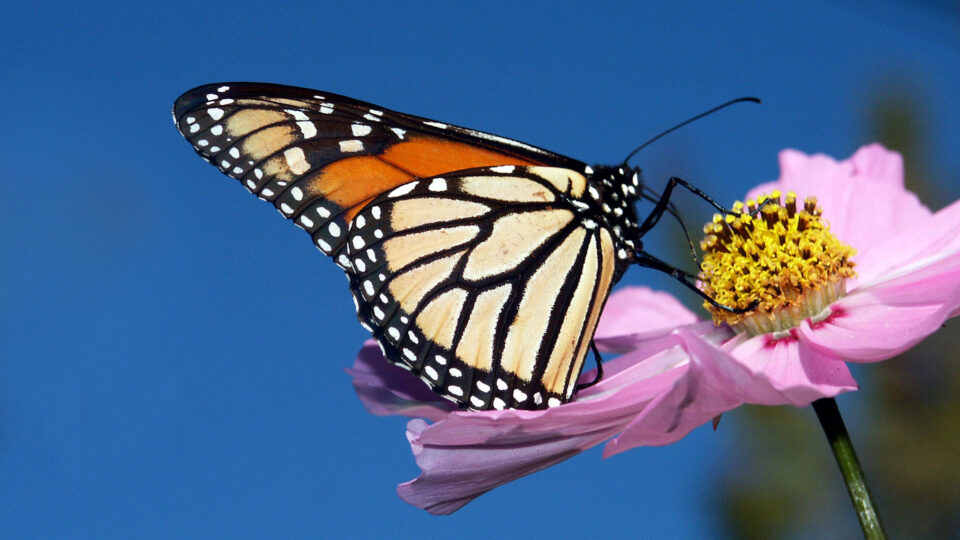
There are examples of insects that adopt introduced plants as food sources, such as silver-spotted skipper butterfly larvae feeding on invasive kudzu in the eastern U.S.  But generally, the widespread incursion of non-native plants is harmful to native insect populations.

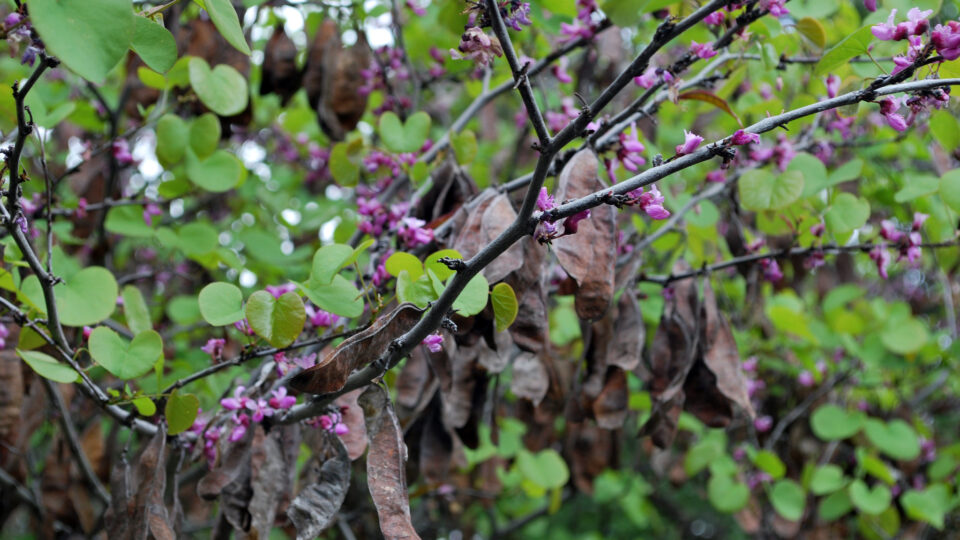
Non-native plants are especially popular for horticulture.  Millions of acres of potential insect habitat have been transformed into food deserts for native insects.  The authors of the recent study recommend that Americans should extensively include native plants in their yards to help preserve insect diversity.

**********

Web Links

How Non-Native Plants Are Contributing to a Global Insect Decline

Photo, posted May 2, 2004, courtesy of Bernard Spragg via Flickr.

Earth Wise is a production of WAMC Northeast Public Radio.

Primary Sidebar

Recent Episodes

  • An uninsurable future
  • Clean energy and jobs
  • Insect declines in remote regions
  • Fossil fuel producing nations ignoring climate goals
  • Trouble for clownfishes

WAMC Northeast Public Radio

WAMC/Northeast Public Radio is a regional public radio network serving parts of seven northeastern states (more...)

Copyright © 2026 ·