• Skip to primary navigation
  • Skip to main content
  • Skip to primary sidebar

Earth Wise

A look at our changing environment.

  • Home
  • About Earth Wise
  • Where to Listen
  • All Articles
  • Show Search
Hide Search
You are here: Home / Archives for native species

native species

Species range and climate change

July 23, 2024 By EarthWise Leave a Comment

Climate change threatens native plants and animals

The geographic range of a particular plant or animal species is the area in which it can be found during its lifetime.  The range of most species is limited by climatic factors, including temperature, precipitation, soil moisture, humidity, and wind.  Any changes in the magnitude or variability of these factors will impact the species living there. 

For example, a species sensitive to temperature may respond to a warmer climate by moving to cooler locations at higher latitudes or elevations. 

But not all species are able to move at the same speed.  According to an international research team led by scientists from the University of Massachusetts Amherst, non-native species are expanding their ranges many times faster than native species.

The researchers found that land-based plant and animal species need to be shifting their ranges by about two miles per year just to keep up with the rapid pace of the changing climate.  Marine species need to be moving about 1.7 miles per year.  However, native species are only managing to move about one mile per year on average.  

Non-native species, on the other hand, are spreading nearly 22 miles each year on their own.  Additionally, when the role humans play in assisting the spread of non-native species is factored in, the rate jumps to a whopping 1,170 miles per year.  This is more than 1,000 times faster than the rate at which native species are spreading.   

The researchers conclude that there is no chance for native species to keep up with climate change without human help.  Assisted migration needs to be on the table if native plants and animals are to survive.   

**********

Web Links

Non-Native Plants and Animals Expanding Ranges 100 Times Faster than Native Species

Photo, posted April 10, 2011, courtesy of Bri Weldon via Flickr.

Earth Wise is a production of WAMC Northeast Public Radio
Climate change and fish migration

May 17, 2024 By EarthWise Leave a Comment

Climate change is changing the distribution of fish species

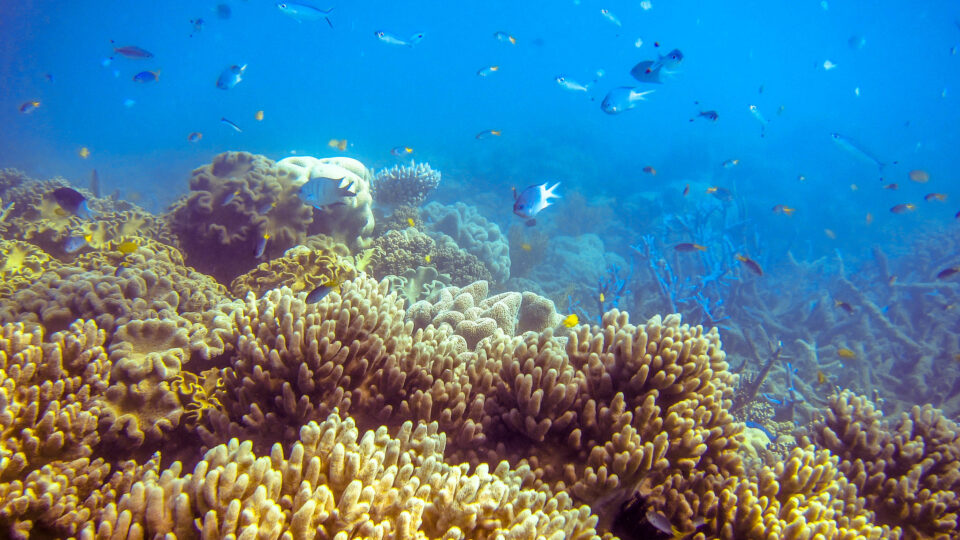
The warming climate is changing the distribution of fish species.  Researchers at the University of Adelaide in Australia have observed that tropical fish species are moving into temperate Australian waters.

The Eastern Australian Current is strengthening as the climate warms and larvae of tropical fish are getting caught in the current and moving into more temperate regions.  These larvae would not normally survive in the cooler Australian ocean water, but the warming current keeps the baby fish warm and increases their chances for survival.  The fish migration observed in the study is an ongoing process that has strengthened in the last few decades due to ocean warming.

The novel populations of tropical fish in these temperate ecosystems are not having much impact at the present time, but they may do so in the future.  The water is still cooler than the fishes’ natural environment and therefore they do not grow to their maximum size.  As a result, they don’t represent stiff competition for the native species – at least not yet.

As the ocean temperatures continue to rise, these tropical species will eventually grow to their full size and their diets will overlap more and more with those of temperate fish species.  Tropical herbivores tend to overgraze temperate kelp while the impact of tropical fish that eat invertebrates is less well understood.  Tropical fish with varied diets are the most successful invaders.  The ultimate effects on temperate ecosystems remain to be seen but survival may become difficult for the native fish in rapidly warming temperate ocean environments.

**********

Web Links

Tropical fish are invading Australian ocean water

Photo, posted March 28, 2017, courtesy of Ryan McMinds via Flickr.

Earth Wise is a production of WAMC Northeast Public Radio
Invasive Species On Ships In Antarctica | Earth Wise

February 23, 2022 By EarthWise Leave a Comment

Invasive species threaten Antarctica

The Southern Ocean around Antarctica is the most isolated marine environment on Earth.  Antarctica’s native species have been isolated for the last 15-30 million years.  As a result, wildlife there has not evolved the ability to tolerate the presence of many groups of species.

New research by the University of Cambridge and the British Antarctic Survey has traced the global movements of all the ships entering Antarctic water and has found that Antarctica is connected to all regions of the globe via ship activity to an extent much greater than previously thought.  Fishing, tourism, research, and supply ships are exposing Antarctica to invasive, non-native species that threaten the existing ecosystems.

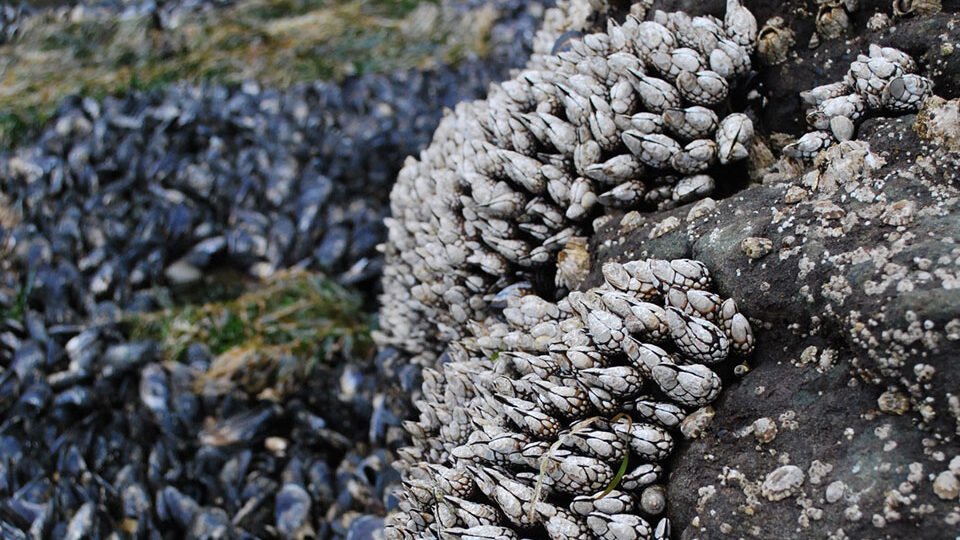
In all, the research identified over 1,500 ports with links to Antarctica.  From all these places, non-native species including mussels, barnacles, crabs, and algae attach themselves to ships’ hulls.  The process is known as biofouling. 

The greatest concern is the movement of species from pole to pole.  These species are already cold-adapted.  They may come on tourist or research vessels that spend the northern hemisphere summer in the Arctic before traveling south for the Antarctic summer season.

Mussels have no competitors in Antarctica should they be accidentally introduced.  Shallow water crabs would introduce a new form of predation that Antarctic animals have never encountered before.

Current biosecurity measures to protect Antarctica, such as cleaning ships’ hulls, focus on a small group of so-called gateway ports.  The new findings indicate that these measures need to be expanded to protect Antarctic waters from non-native species.

**********

Web Links

Invasive species ‘hitchhiking’ on ships threaten Antarctica’s unique ecosystems

Photo, posted April 12, 2016, courtesy of NOAA’s National Ocean Service via Flickr.

Earth Wise is a production of WAMC Northeast Public Radio.

The Cost Of Invasive Species | Earth Wise

May 7, 2021 By EarthWise Leave a Comment

Invasive species cost the global economy trillions of dollars

A new study published in Nature has tried for the first time to put a price tag on the impact of invasive species.  Researchers have been studying the effects of invasive species for decades, but it is a problem that has not really captured the attention of the public and policy makers.

According to the research by scientists at the French National Museum of Natural History, from 1970 to 2017, invasive species have cost the global economy at least $1.28 trillion dollars in damages and efforts to control them.

The team screened over 19,000 published papers, ultimately analyzing nearly 2,000 that detailed costs of various invasions at particular times.   Annual costs roughly doubled every six years, reaching a yearly bill of $162 billion in 2017.

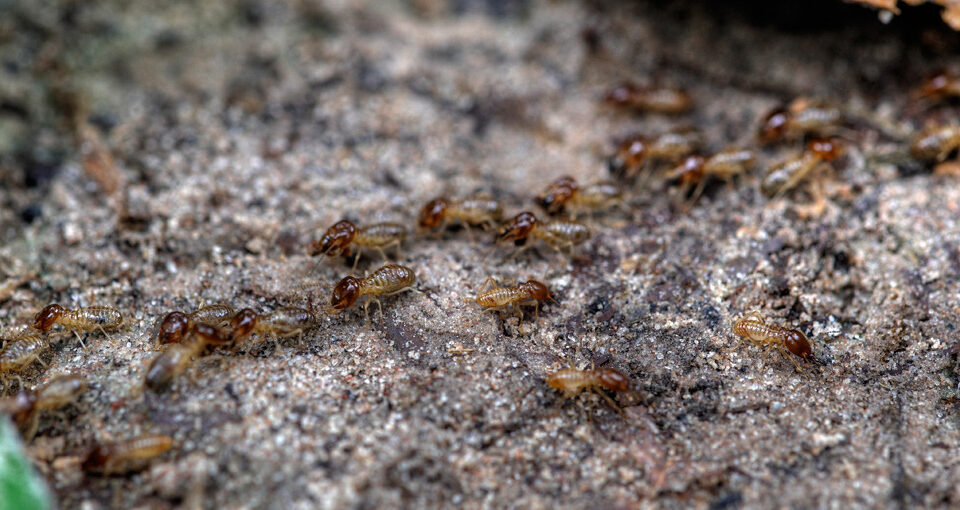
The five costliest invasive species are Aedes mosquitos, rats, cats, termites, and fire ants, collectively accounting for a quarter of the global damage.

Asian tiger mosquitos and yellow fever mosquitos alone accounted for $149 billion in damage to public health as they spread from country to country.  Rats hitchhike on human boats and drive native species to extinction on islands around the world.  Cats inflict damage primarily by their impact on native biodiversity.  By some estimates, they kill a billion birds each year in the US alone.   Termites, as they spread across the globe, wreak havoc on all sorts of infrastructure.  Fire ants can feed on a variety of seedlings, from citrus to soybeans, reduce the size of grazing lands for livestock and bite and sting farm animals and humans.

The study shows invasive species are a massive problem that is getting worse.

**********

Web Links

Invasive Species Cost Billions of Dollars in Damages Annually, Researchers Find

Photo, posted March 29, 2012, courtesy of Aleksey Gnilenkov via Flickr.

Earth Wise is a production of WAMC Northeast Public Radio.

Bring The Wild Back Into Farmlands

December 4, 2018 By EarthWise Leave a Comment

https://earthwiseradio.org/wp-content/uploads/2018/11/EW-12-04-18-Bring-the-Wild-Back.mp3

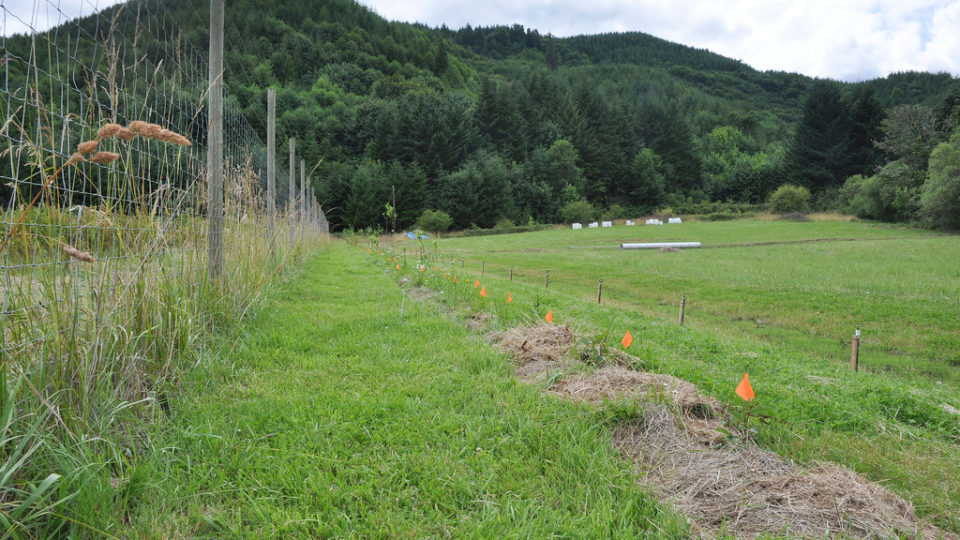
A recent study published in Science looks at the effects of maintaining at least a little bit of the wild on working lands including farmland, rangeland and forests.  The study concludes that doing so may be a key to preserving biodiversity in the face of climate change.

[Read more…] about Bring The Wild Back Into Farmlands

Primary Sidebar

Recent Episodes

  • An uninsurable future
  • Clean energy and jobs
  • Insect declines in remote regions
  • Fossil fuel producing nations ignoring climate goals
  • Trouble for clownfishes

WAMC Northeast Public Radio

WAMC/Northeast Public Radio is a regional public radio network serving parts of seven northeastern states (more...)

Copyright © 2026 ·